
Battery Life Moves From Afterthought to Headline Feature
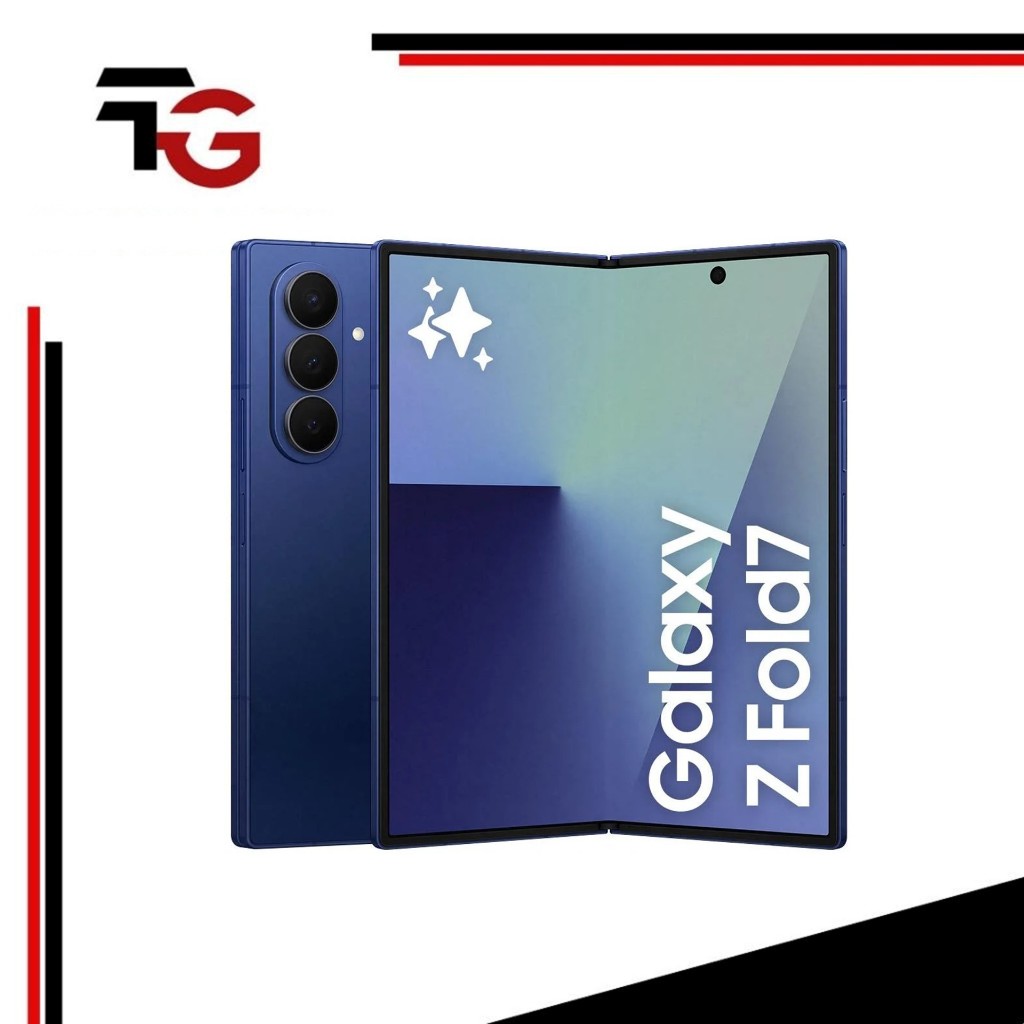
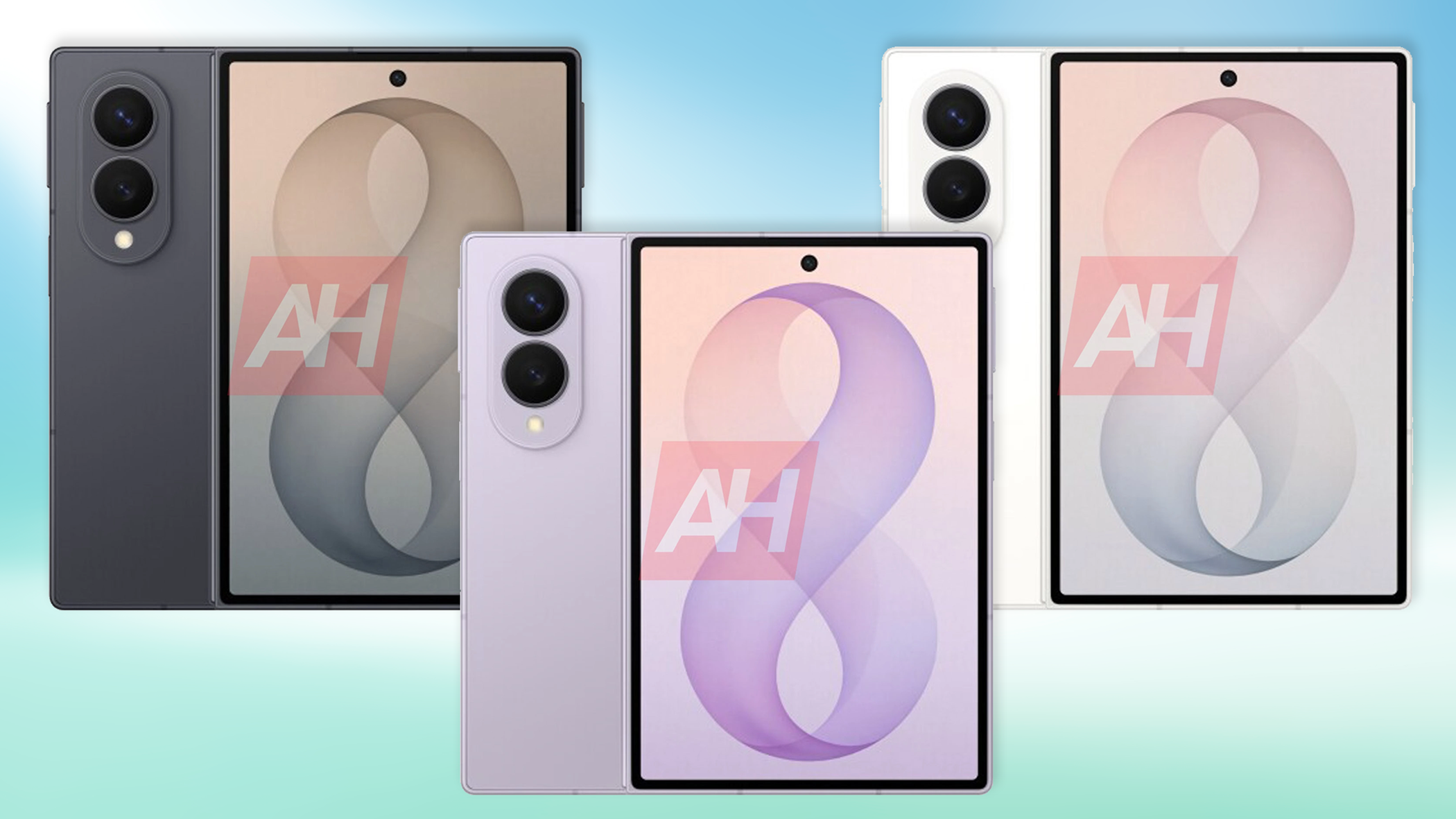
Foldable phone battery life refers to how long a foldable smartphone can run under a realistic mix of tasks like browsing, video playback, gaming, messaging, calls, and standby before its battery is depleted, and it has become the most persistent complaint for large-screen foldables that promise productivity but too often force midday charging. For years, premium foldables have chased thinner designs, brighter inner displays, and faster chipsets, while endurance lagged behind competitors and even standard slab phones. That imbalance is finally being challenged. Upcoming Galaxy Z Fold 8 and Fold 8 Ultra models are not just spec bumps; their official endurance ratings show a clear shift in priorities toward lasting longer in real-world use. This is the upgrade that matters more than another camera sensor or a slightly slimmer hinge.
EPREL Ratings Show a Real 20% Jump, Not Marketing Spin
The most important detail in the Galaxy Z Fold 8 battery story is not a rumored spec sheet; it is the standardized endurance rating pulled from the European Product Registry for Energy Labelling (EPREL), spotted by tipster Ice Universe. According to this listing, the Galaxy Z Fold 8 is rated for 49 hours and 10 minutes of mixed-use battery life, while the Fold 8 Ultra stretches that to 51 hours. These numbers matter because they sit next to a baseline: the Galaxy Z Fold 7 is rated at only 40 hours. In other words, we are looking at roughly a 20% improvement in foldable phone battery life based on a unified test that includes web, video, streaming, gaming, calls, messaging, and standby. This is practical, measurable change rather than vague promises, and it should translate into noticeably longer screen-on time for most people.
Capacity Finally Jumps After Years of Endurance Complaints
The EPREL figures would be less convincing if they were not backed by real gains in foldable battery capacity. The Fold 7’s 4,400mAh pack has long been a bottleneck in a device built for split-screen multitasking and large inner display use. The Galaxy Z Fold 8 bumps that to 4,800mAh, and the Fold 8 Ultra climbs all the way to 5,000mAh. That is a clear shift away from the stagnation Fold owners have endured and toward configurations that finally take endurance as seriously as screen size. One listing notes that the regular Fold 8 still uses a 4,800mAh battery instead of a 5,000mAh unit, but even there, the official rating jumps well beyond what raw capacity alone would suggest. The message is blunt: premium foldables are done accepting small batteries as the cost of thinness. The form factor will remain demanding, but the baseline is moving up.
Optimization Turns Bigger Batteries Into All-Day Devices
Capacity is only half the story; smartphone battery optimization is finally catching up with foldable ambition. The longer endurance of the Galaxy Z Fold 8 despite using a 4,800mAh battery instead of 5,000mAh strongly suggests improvements in software, chipset efficiency, and display behavior. EPREL’s unified test mixes web browsing, video playback, streaming, gaming, voice calls, messaging, and standby, so higher ratings imply gains across typical daily tasks, not just lab-friendly scenarios. Users have complained that previous Folds delivered great productivity on paper but demanded a charger by late afternoon. If the Fold 8 and Fold 8 Ultra can hold their 49–51 hour ratings in real-world use, that pattern changes: more screen-on time, less battery anxiety, and fewer trade-offs when using the large display for work and entertainment. Endurance is starting to match the rest of the hardware.
Foldables Grow Up: Endurance as a Core Premium Feature
These battery moves signal that premium foldables are finally maturing. Until now, the sales pitch has revolved around giant inner displays, multitasking tricks, and cutting-edge processors, with battery life treated as a compromise users had to accept. Now the Galaxy Z Fold 8 series is rated to run longer than its predecessor by around 20%, backed by increases from 4,400mAh to 4,800mAh and 5,000mAh packs. That turns endurance into a first-class feature alongside display quality and processing power. If the retail units mirror EPREL’s results, the Fold 8 line could be the most practical Fold generation yet by addressing the single biggest complaint from owners: unreliable all-day use. Foldables were never short on ambition; they were short on battery. With this pivot toward lasting power, the next wave of large-screen phones is closer to being devices people can depend on, not just admire.