
The EU Is Turning Android Into a Multi‑Assistant Platform
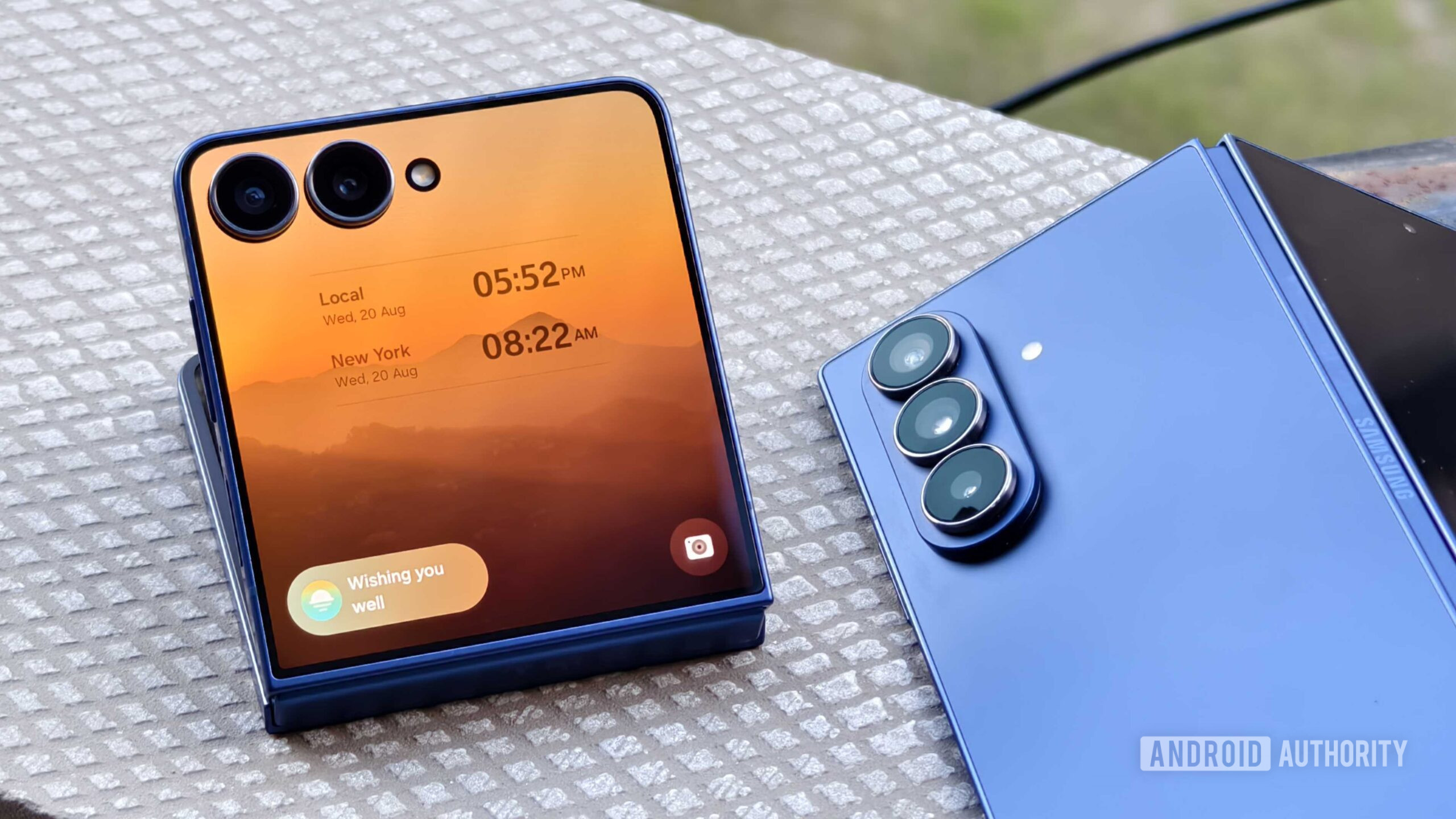
The new enforcement of the EU Digital Markets Act requires Google to give rival AI assistants equal access to Android system features and to share search data with competing services, aiming to break its gatekeeper role in mobile AI and let users choose which assistant powers their phone. This is not a cosmetic tweak; it is a structural change to how intelligence on smartphones is delivered. For years, Gemini and Google Search have been welded into the core experience of Android devices, especially in a market where 60% of phone users run Android. Now, regulators want Android to behave more like a neutral operating system and less like a delivery vehicle for one company’s AI stack. That shift is good for competition—but it will force users to think harder about which assistant they trust with their daily life.
What the DMA Actually Forces Google to Do
Under the EU Digital Markets Act, Google must stop treating its own AI as the default power user of Android and search data. In practical terms, the Commission has ordered Google to give third‑party apps and services the same level of access to its software as its own products enjoy, including key Android functions and AI capabilities. It also requires Google to share search data with third‑party search engines and AI chatbots, including the data it uses to optimize its search engine. According to the European Commission, this data sharing is “crucial for the development and optimization of third‑party search engines,” because previous arrangements were ineffective. These obligations are legally binding and come with specific deadlines: Google must begin sharing search data with eligible search engine providers in January 2027, and users will start seeing Android changes from July 2027.
How Everyday Android Users Will Feel the Difference
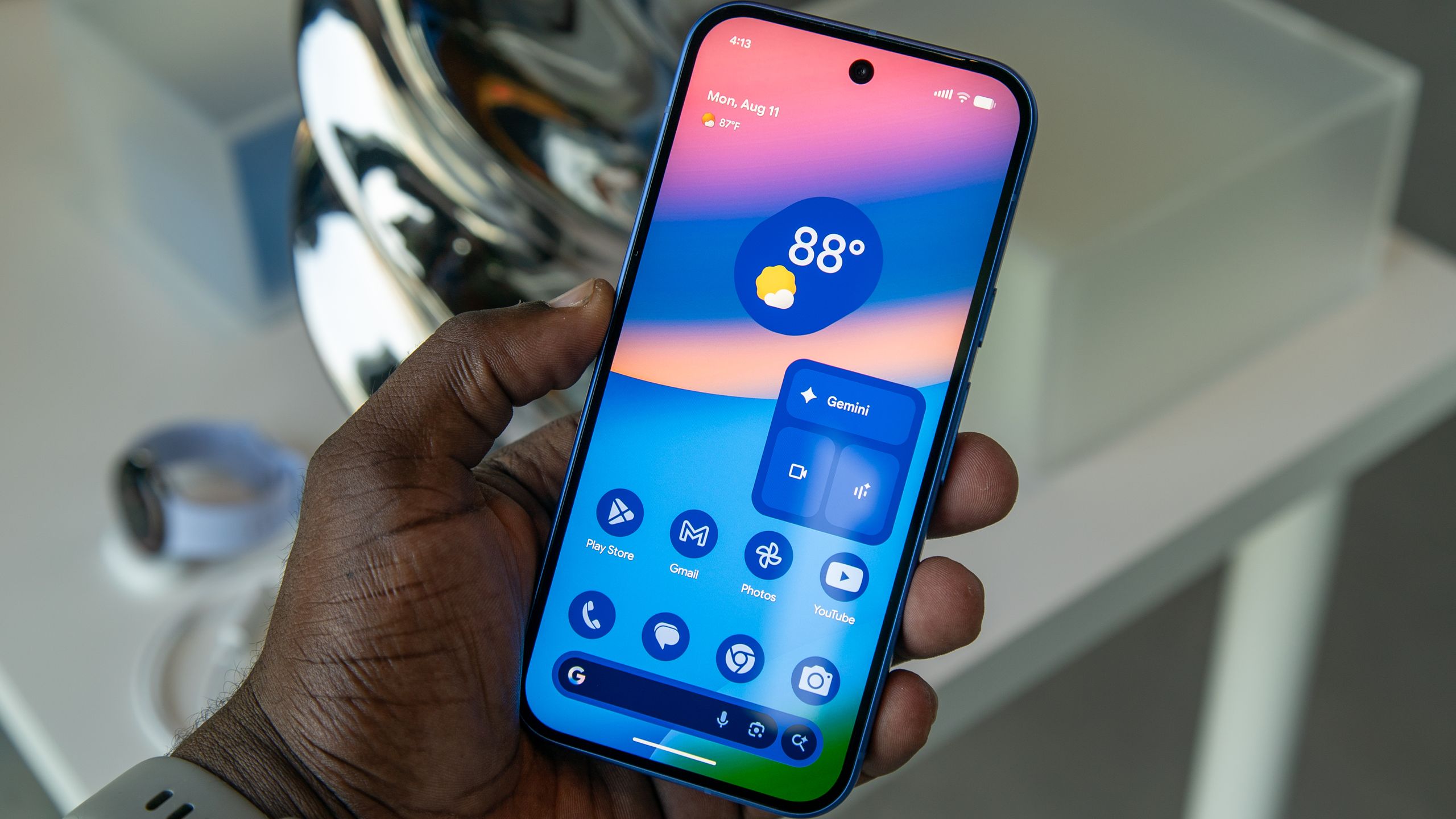
For ordinary users, the headline change is simple: you won’t be locked into Gemini as the brain of your Android phone. The Commission wants “emerging alternatives to Google Search and Google’s AI services” so users “can enjoy greater choice of services.” Concretely, the decision means you will be able to set a third‑party AI assistant as your primary helper and activate it via voice, with a wake phrase similar to “Hey Google.” These assistants will be able to perform actions in apps on your behalf—booking a taxi, sending messages, controlling smart home devices—using the same Android hooks Google’s own services use. This is overdue. Android has long advertised openness, yet rival assistants were fenced off from the deepest system features, left building clever but second‑class experiences. The DMA pushes Android closer to the open, interchangeable AI layer many users assumed they already had.
The Security and Privacy Trade‑Off You Should Not Ignore
The Commission insists its measures include safeguards for privacy, device integrity and security. But Google is loudly warning that these changes “risk undermining vital privacy and security guardrails for millions of Europeans.” When third‑party AI agents gain system‑level permissions and access to sensitive data, every new integration becomes a potential weak point. Google argues it has offered ways to protect users while meeting the DMA’s goals and that regulators have discounted “extensive evidence of user harm.” It even proposed that anonymization of data be handled by technical and legal experts, but says the Commission rejected that approach. Regulators believe handset makers and app review processes will continue to filter out dangerous software, and they emphasize that phone‑makers already play a major role in deciding which apps get deep system access. Users, however, should treat new assistants like banking apps: read permissions, understand data collection, and assume the most powerful AI on your device is also the most risky.
A Turning Point for Mobile AI Regulation—and User Power
This enforcement round of the EU Digital Markets Act is part of a broader push to stop dominant tech companies from using their gatekeeping power to define the future of mobile AI on their own terms. It is notable that another major platform said its new Siri AI would not roll out to users in the EU because of DMA requirements, underscoring how seriously companies are taking this regulatory pressure. The Commission’s executive vice president framed the measures as supporting “innovation and diversity” in AI assistants and search engines, and strengthening tech sovereignty. Users stand to benefit from more choice and, potentially, more privacy‑friendly search and assistant options built on Google’s data. But choice without understanding is hollow. As Android opens up to AI rivals, users need to treat assistant selection as a critical decision, not a default setting. The DMA gives people new power over their mobile intelligence; the next step is using that power wisely.