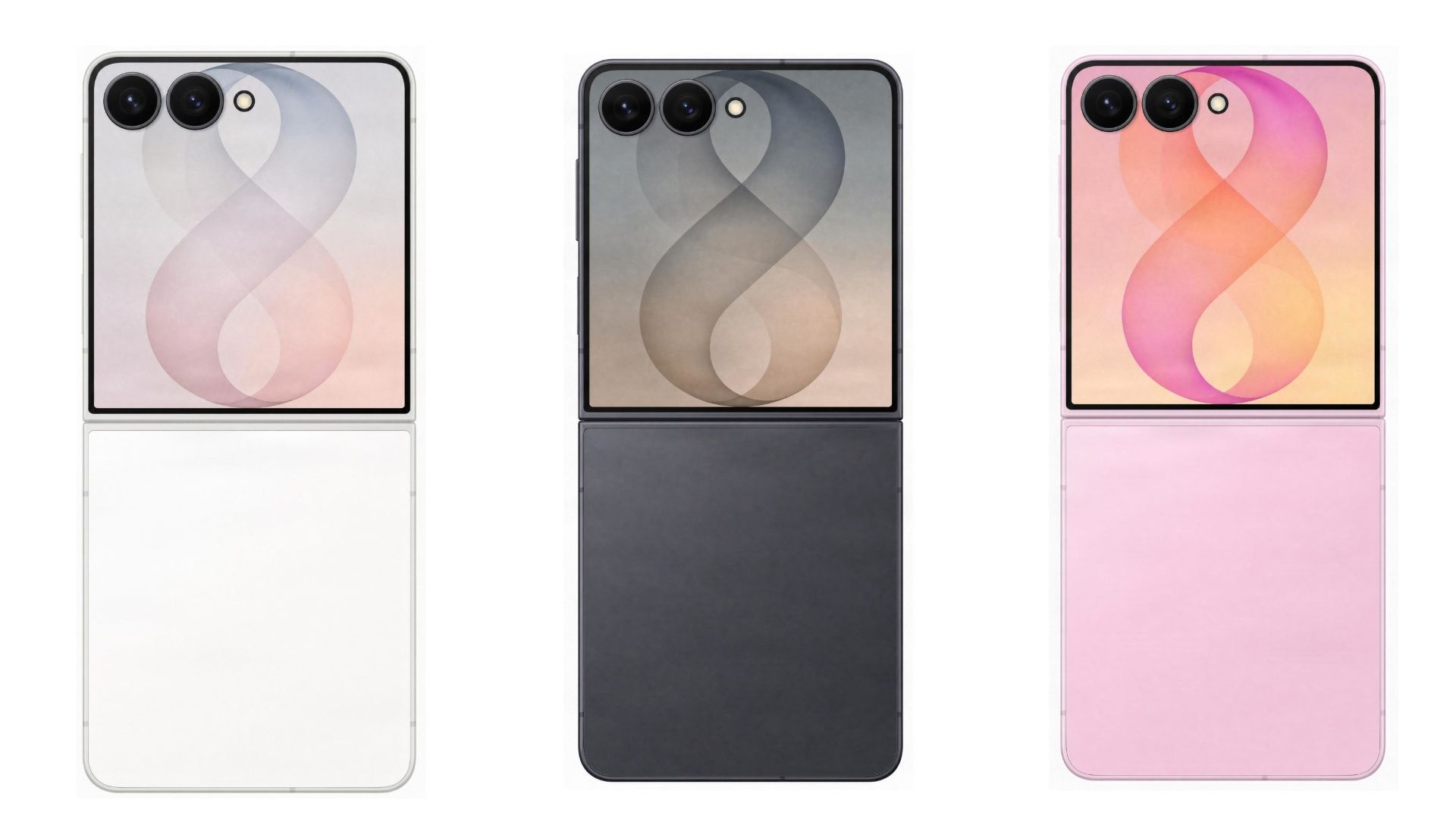

A Familiar Flip, Now Significantly More Expensive
The Galaxy Z Flip 8 price controversy refers to leaked information suggesting Samsung will charge significantly more for its latest clamshell foldable despite keeping most core hardware — including the displays, cameras, and battery capacity — virtually unchanged from the previous generation, leading many buyers to question whether the foldable phone pricing still matches the promised innovation.
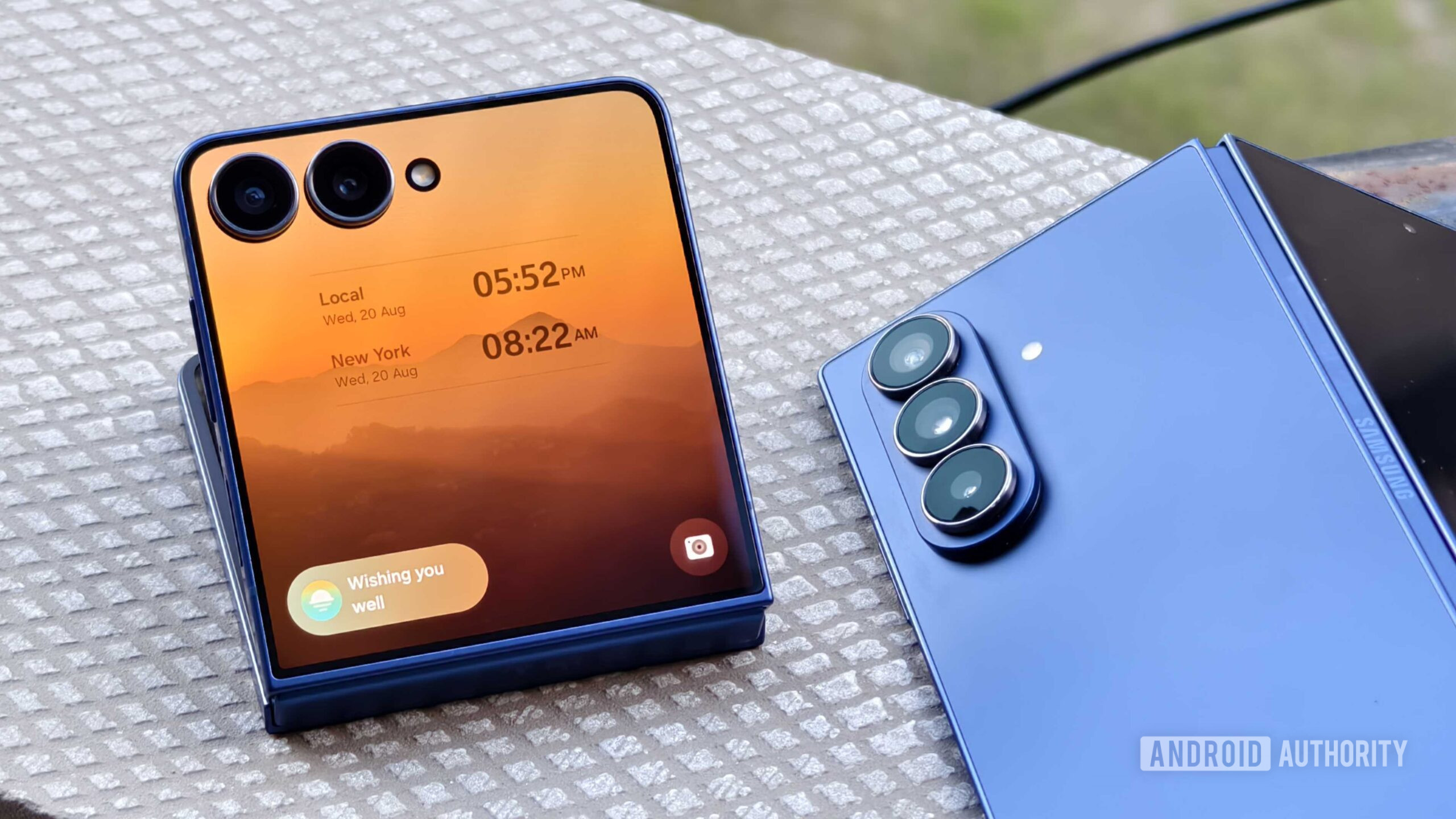
Leaks say the Galaxy Z Flip 8 will launch on July 22 alongside its larger sibling, but the headline is not a bold redesign; it is a bill that stings. The base 256GB model is reportedly jumping to €1,299, a €100 increase over the Flip 7, while the 512GB version climbs by €180 to €1,499. That is a meaningful Samsung price hike in a product that, on paper, barely moves forward. The core message to consumers appears to be: pay more for the same experience, plus a faster chip and a few quality-of-life tweaks. It is hard to spin that as anything other than a confidence play on brand power rather than clear added value.
The Spec Sheet: Incremental Z Flip 8 Upgrades at Premium Cost
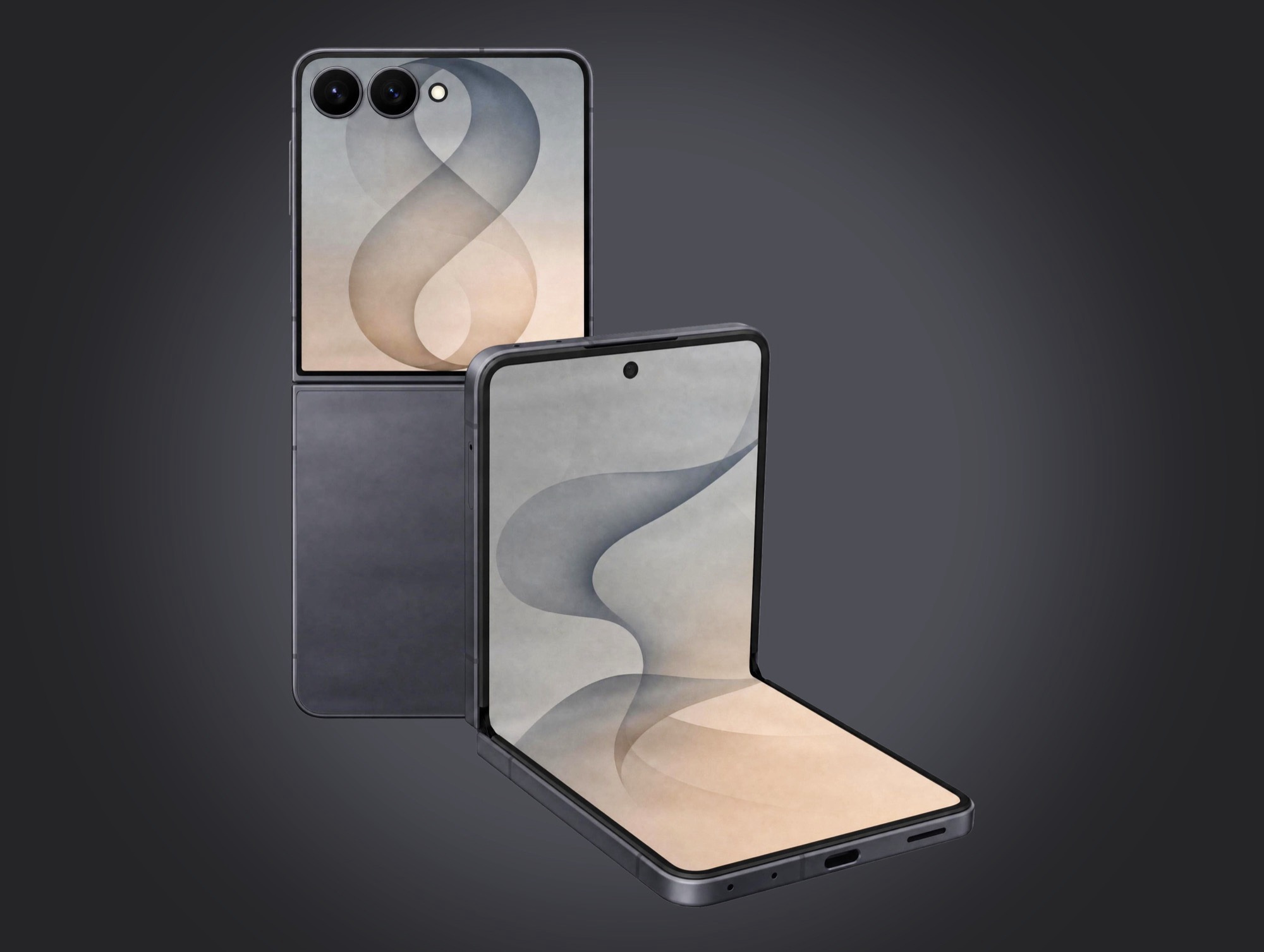
Look past the marketing gloss and the Z Flip 8 upgrades list reads more like a quiet spec refresh than a generational leap. The inner foldable display remains a 6.9‑inch 120Hz OLED, with a 4.1‑inch outer screen mirroring last year’s layout. Cameras are unchanged: a 50MP main sensor with optical image stabilization, 12MP ultra‑wide, and 10MP selfie module return as‑is. Battery capacity holds at 4,300mAh, though optional 45W wired charging and standard 12GB of RAM are welcome but modest practical improvements. Even the physical footprint is nearly identical, save for a small weight drop from 188g to 180g. According to one leak, “Although the smartphone has hardly changed, the price is set to rise.”
| Spec | Flip 7 | Flip 8 (leaked) |
|---|---|---|
| Main display | 6.9" 120Hz OLED | 6.9" 120Hz OLED |
| Cover display | 4.1" AMOLED | 4.1" AMOLED |
| Main camera | 50MP OIS | 50MP OIS |
| Ultra‑wide camera | 12MP | 12MP |
| Selfie camera | 10MP | 10MP |
| Battery | 4,300mAh | 4,300mAh, optional 45W wired charging |
| RAM | Up to 12GB | 12GB standard |
| Weight | 188g | 180g |
| Price (256GB) | €1,199 | €1,299 |
| Price (512GB) | €1,319 | €1,499 |
Performance Gains and the Processor Trade‑Off
The one meaningful Z Flip 8 upgrade appears to be performance: leaks say the phone will be about 28% faster than its predecessor, driven by a move to a new 10‑core processor running at 3.8GHz. However, instead of the premium third‑party silicon many buyers expect at this price point, Samsung is reportedly shifting the Flip line to its own Exynos 2600. That decision is the heart of the backlash. You are paying more, yet losing the flagship Snapdragon branding that has become shorthand for top‑tier Android performance in the foldable space. On paper, the Exynos chip should deliver snappy day‑to‑day use, but when the Galaxy Z Flip 8 price lands firmly in luxury territory, perception matters as much as benchmarks. Buyers feel like they are funding a cost‑saving move rather than receiving the most capable hardware available.
Consumer Frustration and the Foldable Phone Pricing Disconnect
The leaked Samsung price hike is landing badly because it exposes a growing disconnect between what foldable phone pricing promises and what buyers receive. One leak notes that customers “may soon be paying a lot more for almost the same hardware, except without the premium Snapdragon silicon everyone was expecting.” That sentiment captures why the reaction has turned sour. Existing Flip users are told to upgrade for a faster chip and slightly lighter hardware, while new buyers are invited into a product line that “still doesn’t move the category forward in any meaningful way.” In a segment that once sold itself on radical change, this feels like a classic iterative refresh wearing a luxury price tag. As competition in foldables accelerates, this strategy risks turning brand loyalty into buyer fatigue: when innovation slows but bills rise, the market eventually pushes back.
What This Means for Samsung’s Foldable Value Proposition
With the Galaxy Z Flip 8 expected to launch on July 22, the company is about to test how far its foldable halo can stretch before consumers balk. The message of this leak is clear: performance gains alone cannot carry a significant price jump when everything users touch and see each day — display, cameras, battery life, overall design — stays largely the same. Foldables were supposed to justify their premiums by delivering new experiences, not by leaning on incremental speed bumps. If these specs and prices hold, the backlash around the Galaxy Z Flip 8 price will be less about one model and more about a wider loss of trust in high‑end phone pricing. The sensible path forward is equally clear: either foldables must start earning their luxury labels with bold, visible progress, or their prices must come back down to match the reality of the upgrades on offer.