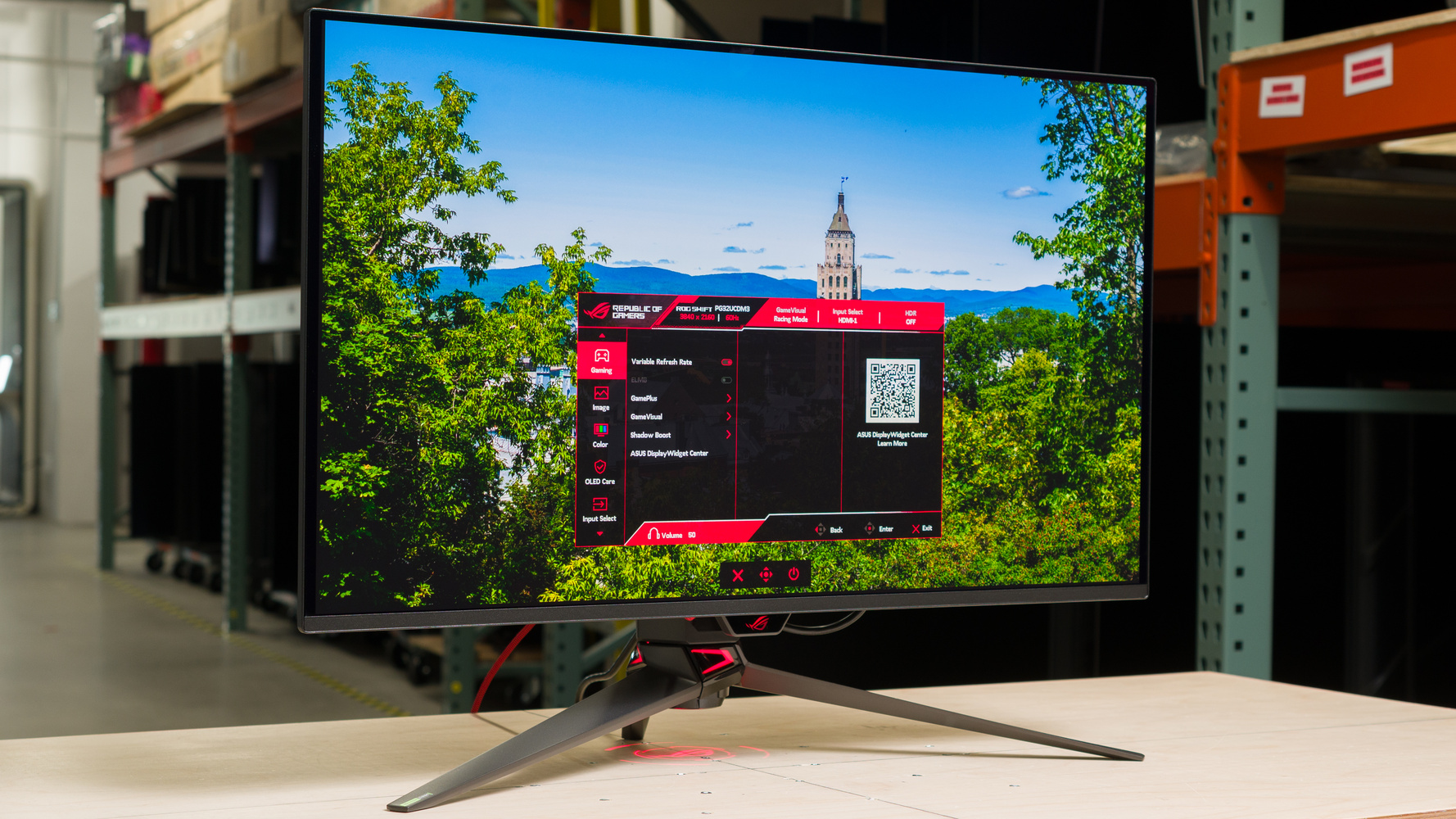

480Hz OLED: From Visual Luxury to Competitive Weapon
A 480Hz OLED gaming monitor is a high refresh rate display that updates the image on screen 480 times per second, cutting input lag and motion blur so competitive players can perceive and react to fast-moving targets with greater precision than on lower-refresh, slower panels. That sounds like marketing—but LG Display’s latest research turns it into hard evidence. In a blind test with 31 gamers, the company studied how high-refresh-rate (up to 480Hz) OLED monitors affected player performance in an FPS game, comparing experiences at 60Hz, 240Hz, 360Hz, and 480Hz. The results are not subtle background improvements; they are the kind of measurable gains that decide aim duels, retake timings, and whether you clutch or get sent back to the lobby.
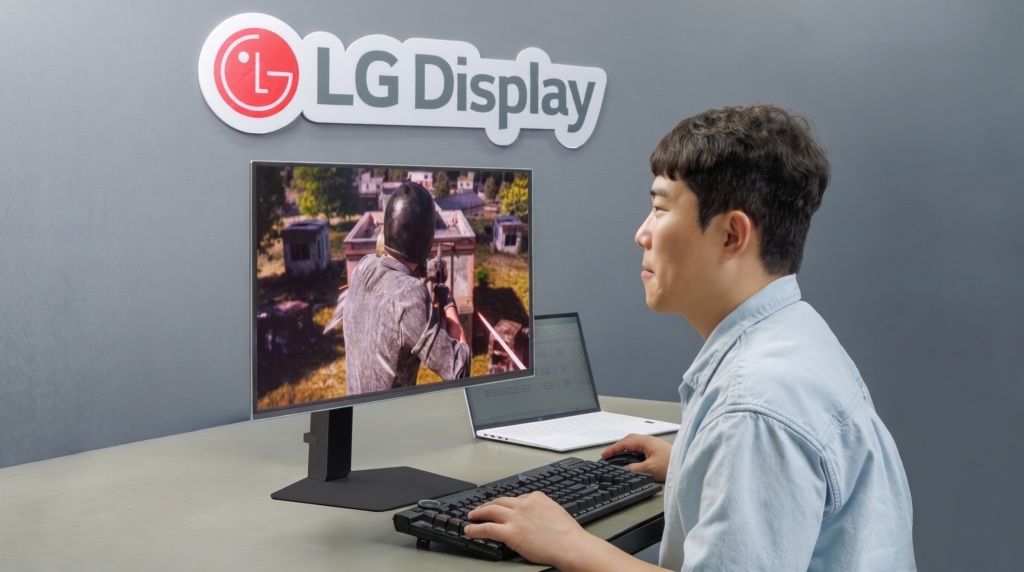
The Numbers: 38% More Accurate, 10ms Less Latency
The most important takeaway from LG Display’s study is simple: higher refresh on OLED does not plateau at "good enough"—it keeps boosting gaming monitor accuracy. Compared with standard 60Hz, players on a 480Hz OLED saw a 38% increase in hit score, meaning they landed far more shots on target. That is not a minor tweak; in ranked play, a 38% bump in accuracy can completely redefine who is considered "cracked" and who is struggling. LG also recorded a 10% increase in win rate when moving from 240Hz to 480Hz, reinforcing the idea that performance continues to improve past already-fast refresh rates. At the same time, input latency dropped by more than 10ms from 60Hz to 480Hz, trimming the delay between a click and on-screen response. In precision-dependent games, that 10ms is enough to turn a traded kill into a clean first shot.
Why High Refresh Changes How Your Brain Sees the Game
LG’s data matters because it backs a long-held belief in esports: visual clarity at speed drives better decision-making, not just nicer graphics. Fast OLED monitors deliver both quantitative and qualitative improvements for gamers, improving hit scores while making scene transitions smoother and enemy tracking easier. When motion is updated 480 times per second, enemy models move in fine, continuous steps rather than jumps; your eyes and brain need less guesswork to predict position. According to LG Display, higher refresh rates cut input lag and motion blur, helping players identify the location of fast-moving enemies more accurately. In practical terms, that means your pre-aim is closer to reality, your flicks require smaller corrections, and your crosshair spends more time on the exact pixel that matters. The study also found overall preference rose with refresh rate, as players reported smoother gameplay and easier tracking—confirmation that the feel lines up with the numbers.
From Lab Data to Loadout Decisions for Competitive Players
For ordinary players, the message is clear: a high refresh rate display is not just an optional upgrade; it is part of your mechanical skill ceiling. LG’s test shows that gaming on faster displays at high refresh rates enables the best possible gaming experience, and that for competitive games, this speed matters. If you care about ranked performance, you should treat your monitor like any other piece of competitive gear: mice, keyboards, and sensitivity settings are tuned for precision, and your screen should be, too. The study’s blind design—31 gamers evaluating different refresh rates without knowing which they were using—makes the findings harder to dismiss as placebo. Quantitative metrics like hit score and event interval time moved in lockstep with qualitative impressions such as smoother transitions, tracking ease, and overall preference. In short, the players who felt more in control were also statistically more accurate.
The Competitive Edge: Why Sub-Millisecond Feels Like an Aimbot
OLED panels are known for near-instant pixel response, and when you pair that characteristic with extreme refresh rates, you get a compound effect: fewer visual artifacts and lower total end-to-end delay. LG attributes the performance improvements in the FPS test to the physical advantages of OLED monitors—high refresh that significantly reduces input lag and motion blur. While the study quantifies more than 10ms less latency between 60Hz and 480Hz, the underlying OLED pixel behavior pushes perceived response into the sub-millisecond territory at the panel level, keeping each frame sharp even during rapid camera pans. That clarity means targets remain well-defined as you swing from angle to angle, which directly supports precision-dependent mechanics like micro-adjust flicks and tight jiggle peeks. It is tempting to think pure skill makes hardware irrelevant, but this research makes a blunt point: when your monitor helps you see more frames, sooner and more clearly, your mechanical skill has a larger, more reliable window to operate in.