

Apple’s Cooling Obsession Is the Real Foldable iPhone Story
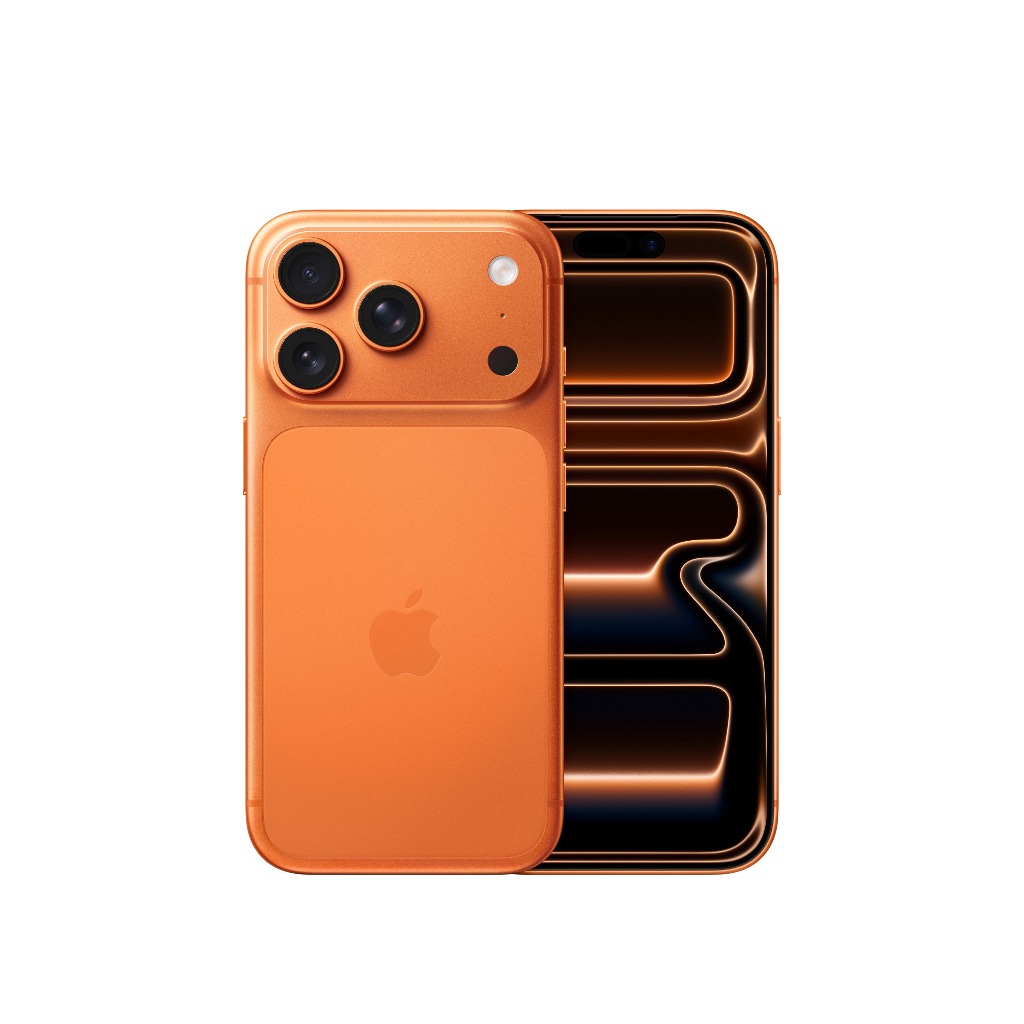
Apple vapor chamber cooling refers to the company’s growing use of sealed, liquid-filled thermal modules that spread chip-generated heat across a wider internal surface, enabling higher sustained performance in thin, compact devices and forming the backbone of thermal design for upcoming foldable and iPhone Ultra models. Apple has reportedly ramped up orders for vapor chambers, a component used to move heat away from hot spots and condense it in cooler areas before cycling the liquid back. This is not a minor procurement tweak; it is a clear design signal. Apple is telling the supply chain that thermal engineering, not display gimmicks, will define its next generation of high-performance and foldable devices. If you want to know what the first foldable iPhone and iPhone Ultra will feel like in the hand, follow the heat, not the hinge.
From Overheating Pro Models to a Vapor Chamber Playbook
Apple’s sudden enthusiasm for vapor chambers only makes sense when you remember how hot recent Pro iPhones ran. The iPhone 17 Pro series was the first iPhone to use vapor cooling, introduced specifically to address thermal concerns that had affected earlier models, including the iPhone 16 Pro line. According to one report, the system pushed heat away from the A19 Pro chip and spread it through an aluminum unibody frame, which is also why Apple moved away from titanium. Vapor chambers work by evaporating a small amount of liquid near a heat source and condensing it elsewhere, effectively turning a tiny hotspot into a much larger, cooler area. Having proven that this approach can tame a high-performance SoC inside a slim slab phone, Apple is now scaling the same thermal playbook to more complex hardware where heat has even fewer places to go.
Foldable iPhone Thermal Design: Why Vapor Chambers Come First
The rumor mill is fixated on hinges and screen sizes, but the foldable iPhone’s most important spec may be its vapor chamber. Tipsters say the foldable model, widely expected to carry the iPhone Ultra name, will feature “impressive” vapor chamber cooling and that Apple is “going all out” on thermal engineering. That matches reports that Apple has significantly increased its total orders for vapor chambers, with speculation tying the ramp-up to both the foldable iPhone and an Ultra-branded device. Foldables complicate thermal design: the logic board, battery and hinge all fight for the same cramped internal volume, while flexible displays add their own constraints. Without advanced cooling, any serious gaming, camera processing or AI workload would trigger throttling fast. Apple’s decision to nail vapor chamber design now is a pre-emptive strike against the inevitable heat problems that come with bendable, high-powered hardware.
Apple Component Orders Hint at an Aggressive Launch Roadmap
The strongest evidence that Apple vapor chamber cooling is central to the near-term roadmap comes from its component orders. A leaker on Weibo claims Apple has significantly increased its total orders for vapor chambers. At the same time, Apple has reportedly asked suppliers to prepare around 10 million foldable iPhones, up from an earlier 7–8 million target, alongside about 70 million iPhone 18 Pro and Pro Max units, all expected to use vapor chambers. Reports also suggest Apple has resolved hinge and manufacturing-yield issues, clearing the way for higher production ahead of a September debut. This is not the behavior of a company casually experimenting with cooling technology. It looks like a coordinated push: lock down thermal design, lock in supply, then scale foldable iPhone thermal design and iPhone Ultra cooling technology across the flagship lineup as soon as the hardware is ready.
The 20th Anniversary iPhone and a Future Built Around Heat Management
Apple’s vapor chamber ambitions extend beyond the first foldable. The same Weibo source ties the ramp-up in orders to a 20th anniversary iPhone that is said to feature an edge-to-edge display with glass that curves around all four sides. There are expected to be two anniversary models, in sizes similar to the iPhone 18 Pro and iPhone 18 Pro Max—roughly 6.3-inch and 6.9-inch devices—with vapor chambers inside. With Apple’s preferred approach for the iPhone 20 reportedly a return to glass and renovated manufacturing facilities already in motion, it is clear the company sees advanced cooling as a prerequisite for more ambitious industrial design. Thin glass edges, high-performance chips and tight internal packaging leave almost no thermal margin. By betting on vapor chambers now, Apple is choosing sustained performance over short bursts and signaling that future iPhones will be defined by how well they handle heat, not how thin they appear.