
A Live Broadcast Camera That Treats Slow Motion Like Part of the Show
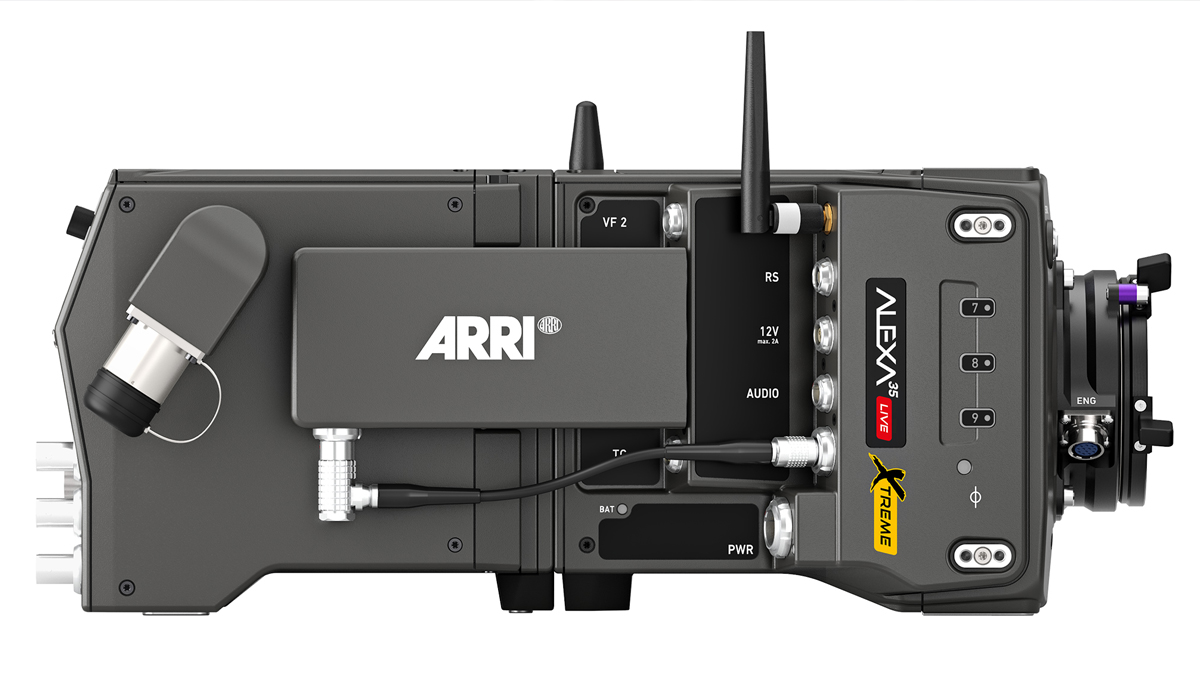
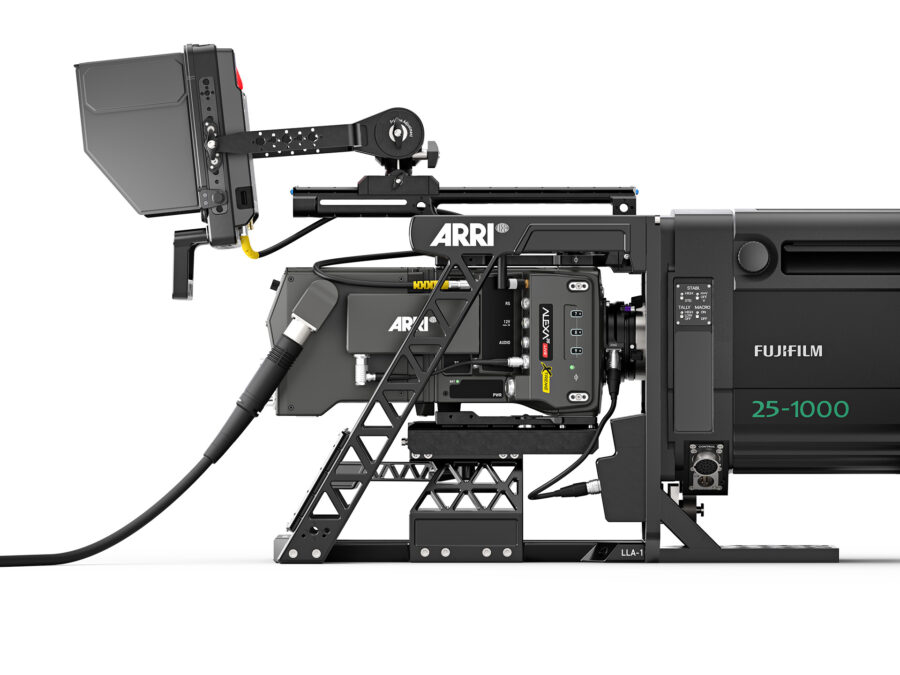
The ARRI Alexa 35 Live Xtreme is a live broadcast camera that delivers up to 8x high frame rate video via standard SDI connections, enabling 480fps slow motion replays from the same body that provides the main program feed, so live productions can add cinematic slow motion technology without replacing their existing baseband infrastructure or workflows. ARRI has released the Alexa 35 Live Xtreme as a high-speed extension to its existing Alexa 35 Live lineup, not a replacement. That detail matters: this is not a disruptive moonshot, but a carefully aimed upgrade aimed at broadcasters who are tired of bolting specialist high-speed rigs onto otherwise conventional chains. The headline idea is blunt: Hollywood-style slow motion is now treated as a native broadcast tool, not an awkward add-on — and SDI connectivity stays at the center of the system.
Baseband Slow Motion: High Frame Rate Video Without a Workflow Revolt
The most important thing about the Alexa 35 Live Xtreme is what it does not demand: broadcasters do not have to abandon baseband SDI or rearchitect their control rooms to get super-slow-motion replays. The camera ships with a permanent High Speed License and a new High Frame Rate SDI License, so in HD it offers up to 8x HFR and in UHD up to 2x. According to one source, “In practical terms, this means broadcasters can output up to 8x high frame rate in HD or 2x in UHD, with up to 4x HFR available through a single SDI connector and higher speeds split across both SDI outputs.” That design keeps the whole pipeline inside familiar SMPTE conventions instead of forcing a jump to IP or proprietary links. The result is baseband slow motion technology: high frame rate video flows straight into standard slow-motion playout servers such as SimplyLive or EVS over the same cables engineers already trust.
One Sensor, Two Feeds: Why the ARRI Alexa 35 Look Matters
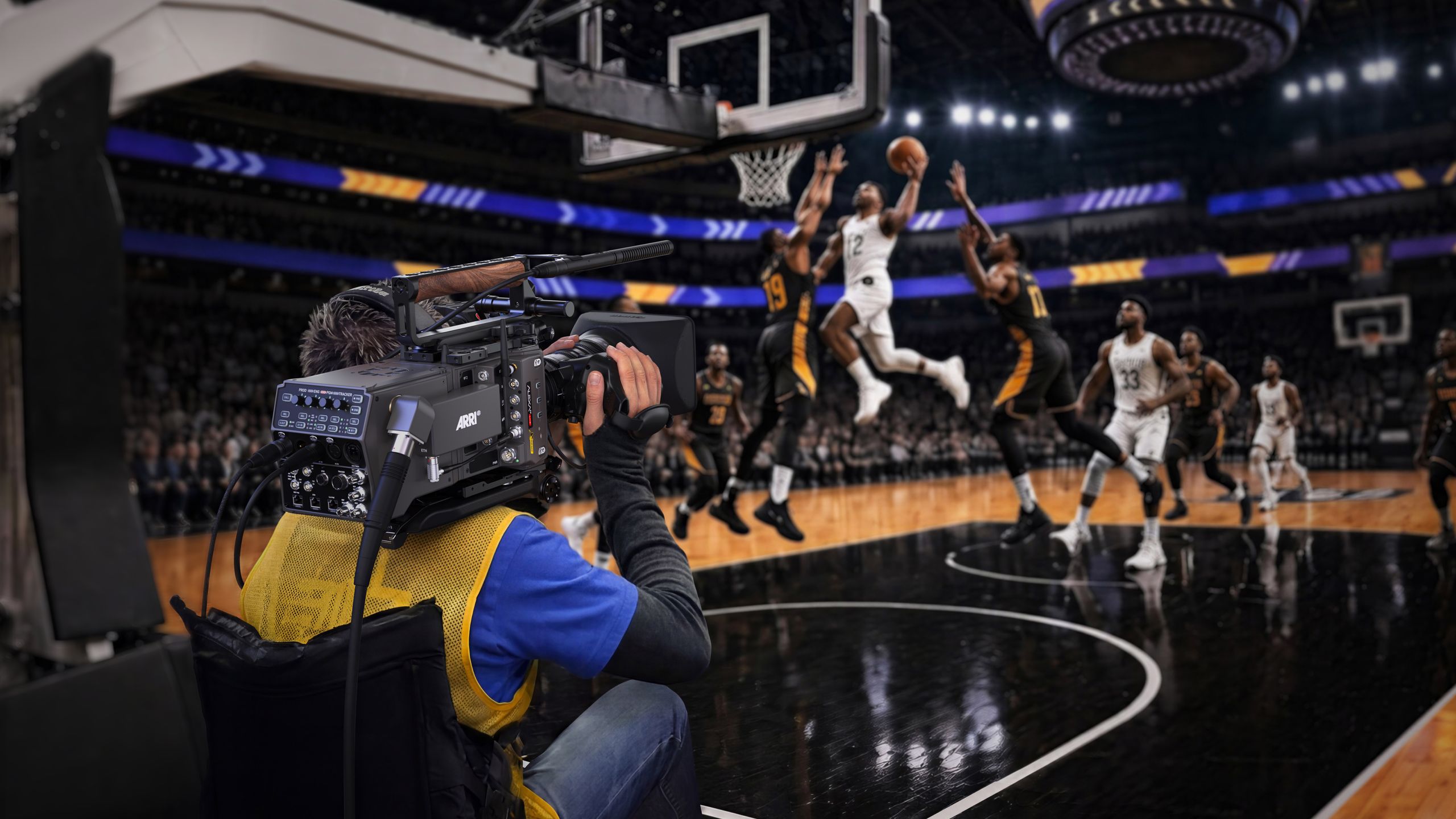
Live productions have long treated slow motion as a separate discipline, relying on dedicated high-speed cameras that rarely match the look of the primary broadcast chain. The Alexa 35 Live Xtreme attacks that gap directly. At its heart is the Alexa 35 Super 35 sensor, bringing ARRI’s established image quality, color science, and wide dynamic range into live slow-motion broadcasting. Frame rates up to 330fps keep the sensor’s full 17 stops of dynamic range, while a Sensor Overdrive mode drives performance to 480fps at 11 stops. Whichever frame rate is chosen, the system simultaneously outputs a regular live program feed and the high-frame-rate video, so operators can switch in real time. Because both feeds come off the same sensor, sports, concerts, and major events get consistent visual style across live coverage and slow-motion highlights, with ARRI looks, Multicam LUTs, or custom grades applied uniformly.
Strategic Timing: SDI Connectivity, Live Production Ambitions, and Cost
The timing of the Alexa 35 Live Xtreme is no accident. The camera is a logical next step after ARRI’s Alexa 35 Live Multicam system, which has already proven itself in large-scale live deployments where cinematic quality is desirable but SDI connectivity is non-negotiable. It is also the first major broadcast release since Thomas Riedel acquired ARRI, landing squarely in the live production space where Riedel’s infrastructure business already has a strong presence. The message is clear: ARRI wants a bigger share of the live broadcast camera market, and it is going to win it by respecting SDI rather than trying to bypass it. Online listings point to entry, standard, and pro Alexa 35 Live Xtreme systems ranging from USD 118,000 (approx. ₱6,608,000) to USD 135,000 (approx. ₱7,560,000), underscoring that this is a premium, system-level investment rather than a toy upgrade.
What Comes Next: Upgrades, Use Cases, and the End of the Specialist Slow-Mo Rig
The Alexa 35 Live Xtreme is available to preorder now, but ARRI has also made it a path forward for existing customers by allowing Alexa 35 Live cameras sold from 2026 onward to be upgraded to Xtreme functionality with High Speed and HFR SDI licenses bought online, while pre-2026 bodies need a hardware upgrade at ARRI service centers. That upgrade strategy suggests ARRI expects high-frame-rate video and slow motion technology to become standard expectations, not niche features. For sports, indoor arenas, winter events, live concerts, fashion shows, and big entertainment formats, separate high-speed rigs start to look like historical baggage when one live broadcast camera can cover both regular-speed and slow motion from the same position. The conclusion is blunt: live directors who care about cinematic replay but depend on SDI connectivity now have a clear option, and it does not involve tearing out their baseband infrastructure or juggling mismatched cameras for drama shots.