

Apple’s 10 Million Foldable Bet: Ambition Before Certainty
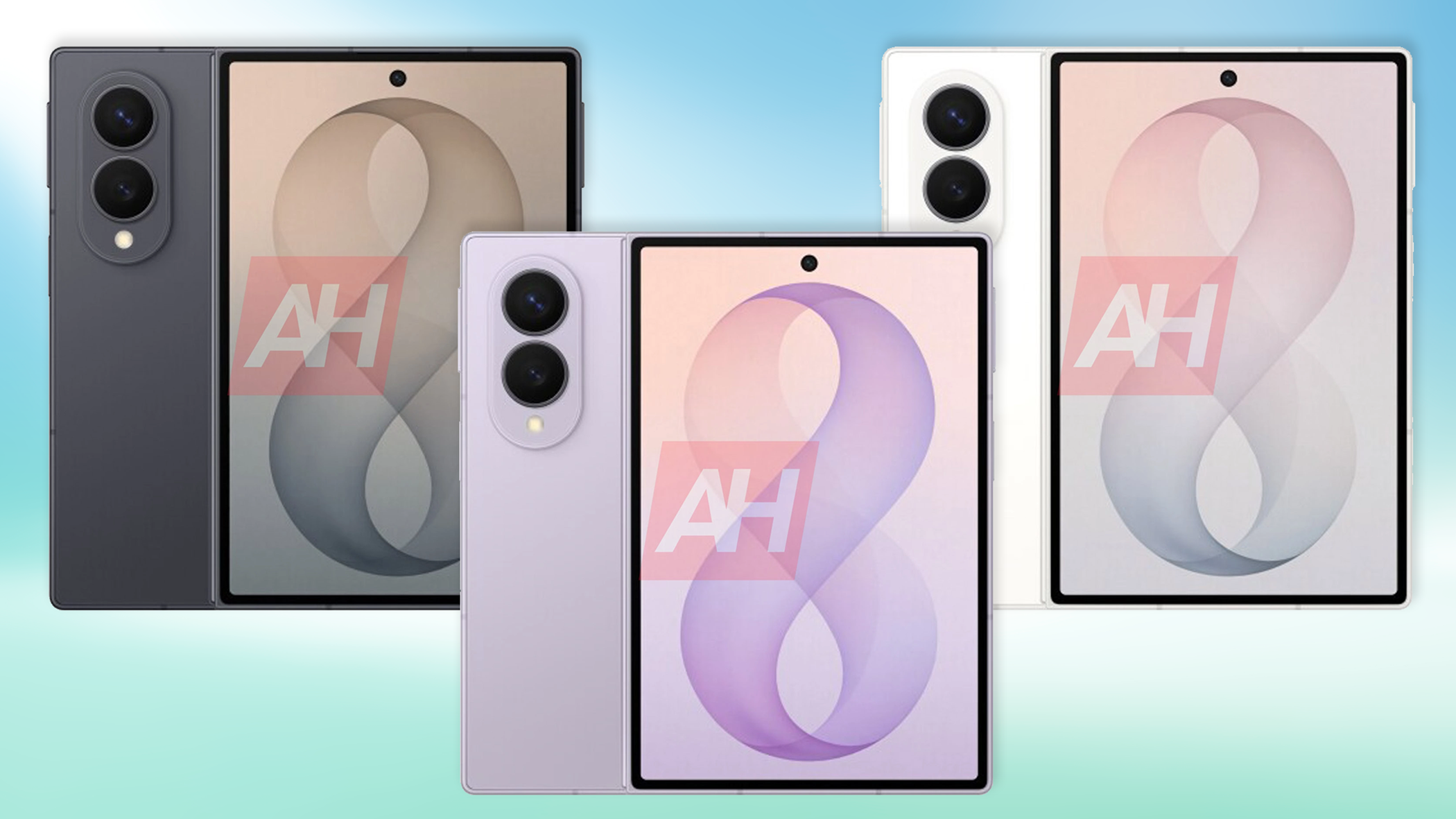
Apple foldable phone production refers to the company’s early mass-manufacturing push for its first foldable iPhone, targeting around 10 million units while battling complex hinge engineering, constrained yields and premium pricing pressures in a fiercely competitive high-end foldable smartphone market. Apple is not tiptoeing into this segment; it is trying to kick the door down. Reports show Apple has instructed suppliers to prepare to produce about 10 million foldable iPhones this year, up roughly 30% from earlier expectations of 7 to 8 million units, a quote-worthy sign of its confidence. This scale is more than a curiosity run. It signals that Apple wants its first foldable iPhone—likely positioned as an "Ultra" model—to sit beside its core iPhone lineup, not outside it. The risk is clear: if manufacturing stumbles, customers will experience the familiar Apple story of hype followed by shortages and delays.
Foxconn’s Factories: High-Efficiency Lines Under High Pressure
Every July, Apple’s move into mass production has become a kind of industrial "biological clock" for consumer electronics, and this year foldable smartphone production has joined the cycle. To hit the 10 million-unit target, Apple needs Foxconn’s high-efficiency production lines working at full tilt. As one of Apple’s largest contract manufacturers, Foxconn has launched large-scale recruitment, with multiple facilities already activating foldable display production lines and assigning tasks on motherboards, flexible flat cables, cameras and displays across different workshops. Hourly wages and overtime rates have been raised, with comprehensive monthly salaries for some workers reported at 6,500 to 7,500 yuan, strengthening the draw for labor during the sprint. This aggressive staffing and line activation show Apple’s urgency—but they also underscore how dependent foldable phone manufacturing is on disciplined, repeatable processes. Break complex steps into simple ones, train fast, and hope yields follow; that is the bet Foxconn and Apple are making.

The Liquid Metal Hinge: Apple’s Bright Idea and Dark Bottleneck
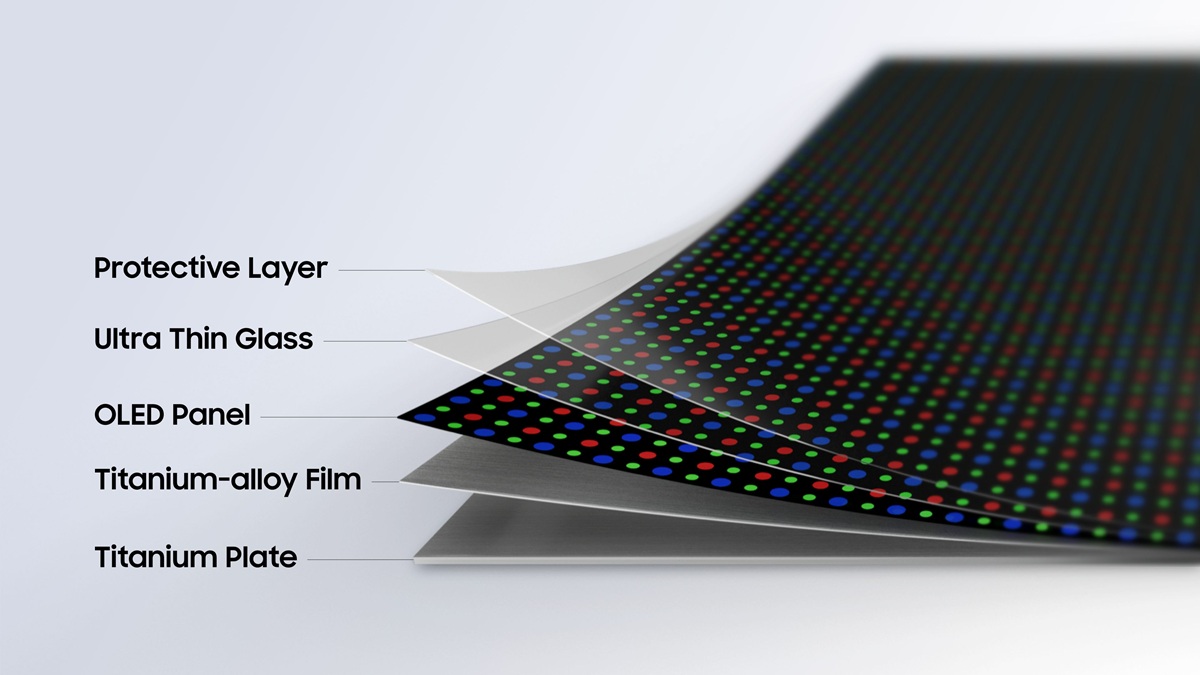
Apple’s hinge technology is the crux of both its innovation story and its production nightmare. The foldable iPhone is rumored to use a liquid metal hinge, paired with vapor chamber cooling, to deliver a nearly crease-free visual experience while staying thin and premium. Industry leaks say this liquid metal (amorphous alloy) hinge is about 2.5 times stronger than mainstream titanium alloys but extremely difficult to process, with current mass production yields around 65%. That figure is alarming when Apple is aiming at tens of millions of units; every percentage point of scrap at hinge level pushes timelines and costs in the wrong direction. The latest supply chain information suggests abnormal noise tolerance and display crease issues have largely been resolved and now meet Apple’s internal mass-production standards, but the message is clear: the real challenge in mass production lies in yield control. Apple is chasing a perfect fold; manufacturing reality is reminding it that perfection is expensive and slow.
Launch Timing, Scarce Supply and Premium Positioning
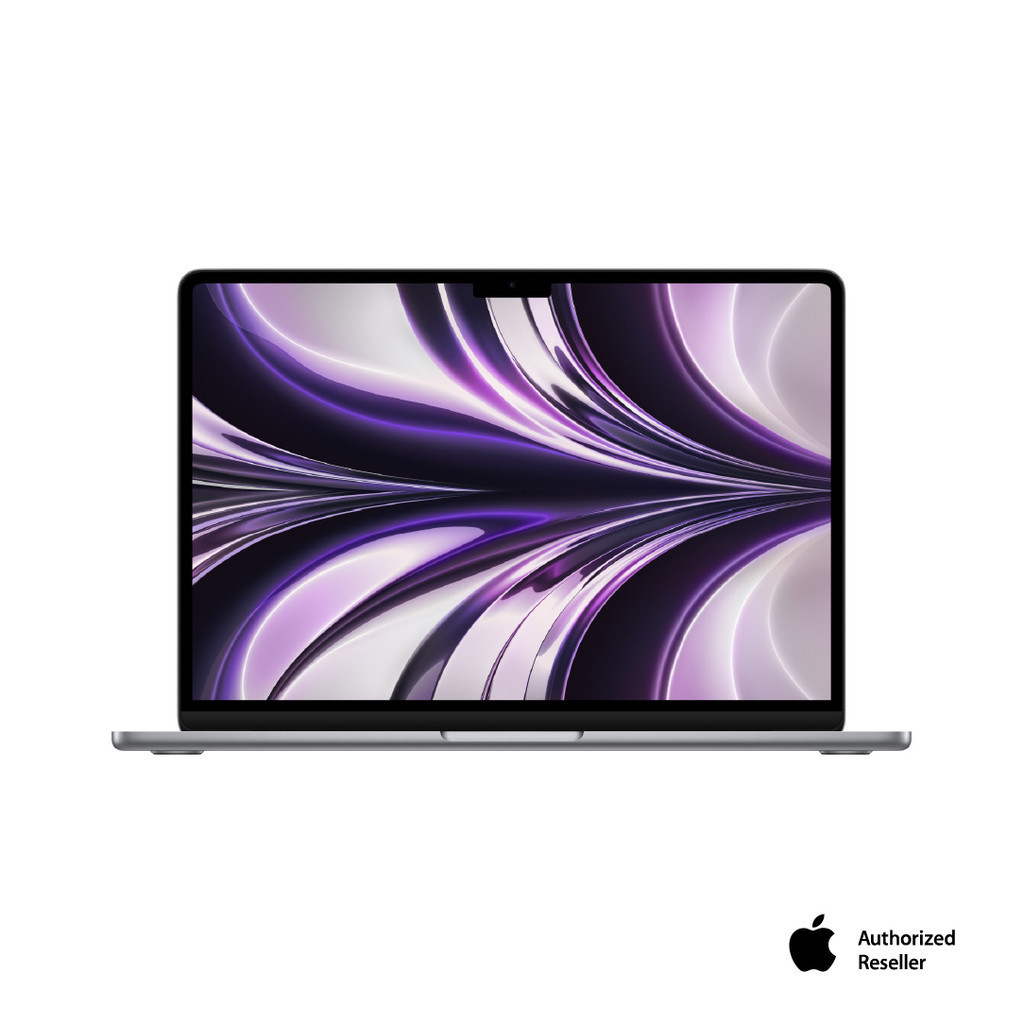
Apple’s foldable iPhone is expected to debut at a traditional September iPhone event, alongside the iPhone 18 Pro and Pro Max and the foldable iPhone Ultra nameplate. But brand-new structural design and low initial yields mean only small-volume shipments are expected after the autumn launch, with large-scale deliveries not achievable until the fourth quarter. Analysts expect a repeat of the old iPhone X pattern: announced with fanfare, sold later, and constrained until year-end. On pricing, Apple has already shown a willingness to sharply increase prices on iPads and Macs—MacBook Air up USD 200 (approx. ₱11,200) to USD 1,299 (approx. ₱72,800), and similar hikes across MacBook Pro, MacBook Neo and iPad ranges. With its foldable iPhone positioned as a cutting-edge premium product, Apple can "go to the moon" on price, while trying to keep baseline iPhone 18 and 18e closer to their equivalent USD 799 (approx. ₱44,800) and USD 599 (approx. ₱33,600) levels. Ordinary users should expect luxury-level pricing and limited early access.
How Apple’s Foldable Changes the High-End Game
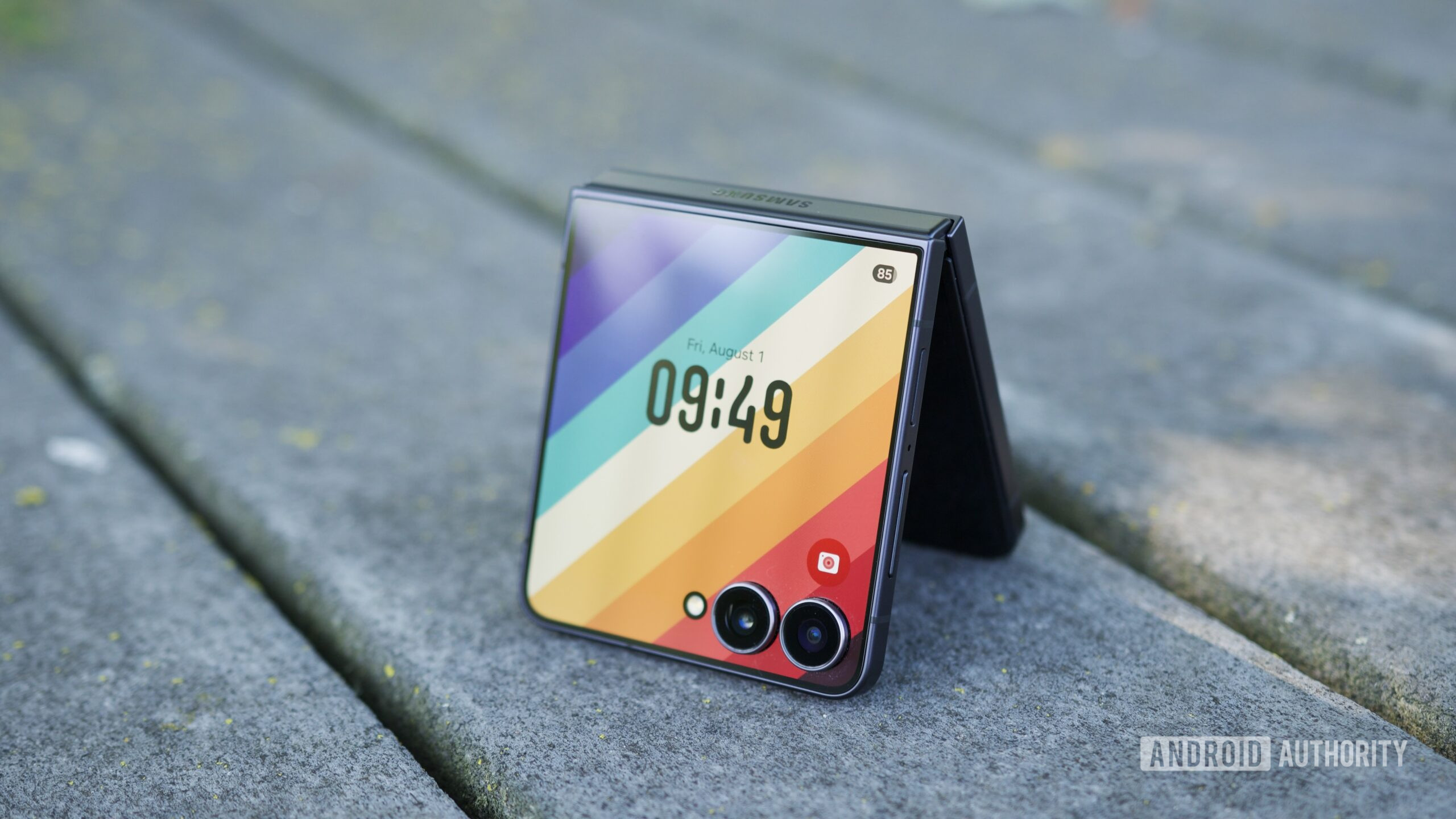
Apple is entering a foldable market already shaped by Samsung and Google, with rivals such as the Galaxy Z Flip 7 starting at USD 1,100 (approx. ₱61,700) and the Pixel 10 Pro Fold at USD 1,799 (approx. ₱100,900). Panel shipment forecasts point to Samsung holding about 31% market share, with Apple’s first foldable potentially contributing around 29% of foldable panel procurement in its first year and Huawei about 24%. That means Apple will not immediately "take over" the market, but it will expand it and move competition toward larger foldables with wider unfolded sizes, higher unit prices, better reliability and fewer creases. At the same time, Apple is reportedly downgrading aspects of the iPhone 18 to cut costs, reacting to supply chain pressure from soaring RAM and storage prices linked to AI data center demand. Foldable smartphone production is emerging as the aspirational, high-margin frontier while conventional models absorb cost-saving compromises. In the end, Apple’s foldable push is a bet that users will accept higher prices and slower availability in exchange for a more polished, crease-free premium device—and that its factories can turn a fragile hinge into a mass-market product.