

From Niche Toy to Real Gaming Gear
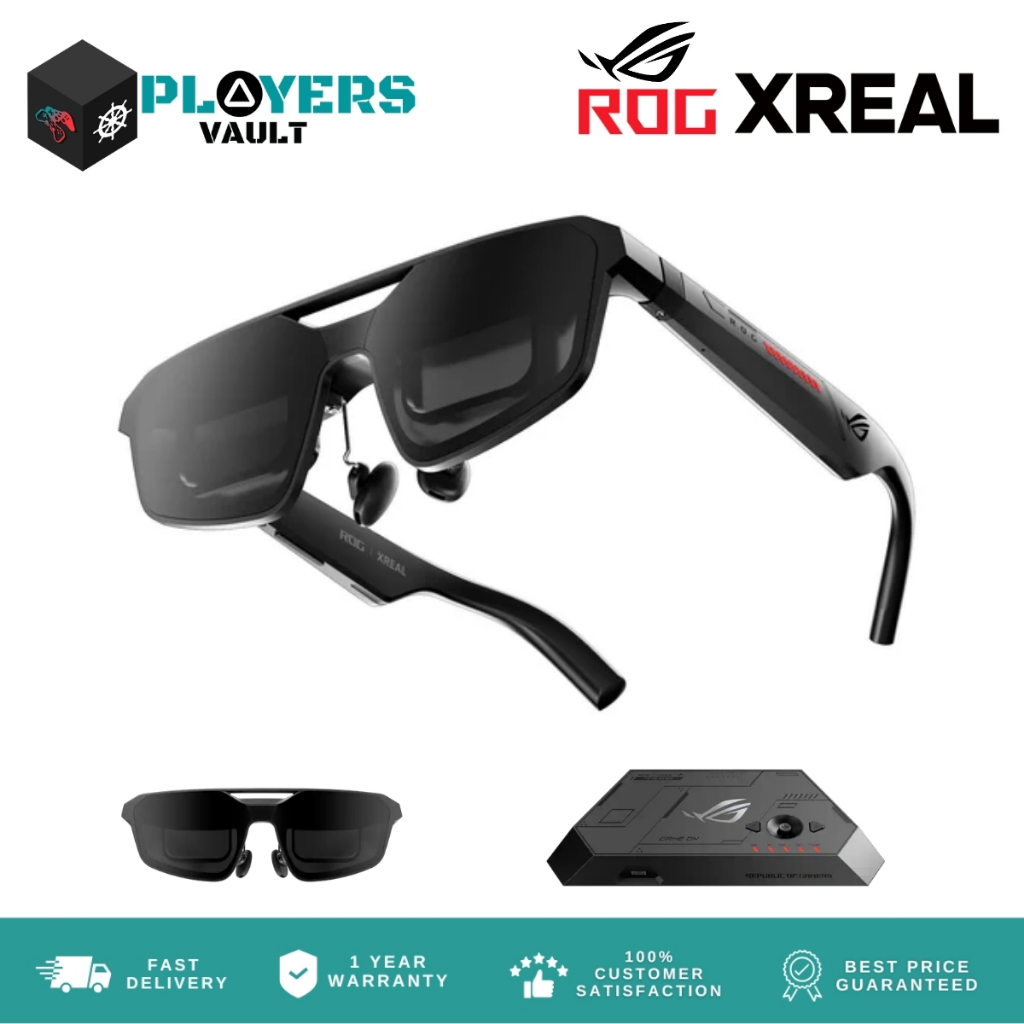
Gaming AR glasses are head‑worn displays and lenses designed to project large virtual screens while improving visual comfort, turning eyewear from a cosmetic accessory into a performance gaming peripheral. The most important shift in gaming eyewear today is that it is no longer experimental: mainstream brands now treat your face as prime input and display real estate, not a fashion afterthought. Over the past several years, reviewers have seen a growing number of augmented reality glasses, but most were built for video and productivity, with refresh rates capped at around 120 Hz and no clear focus on gamers. That changed when two major tech brands collaborated on the Asus ROG Xreal R1, a pair of gaming AR glasses that puts raw performance and RGB flair at the center of the design.
Asus ROG Xreal R1: Spec Sheet as a Weapon
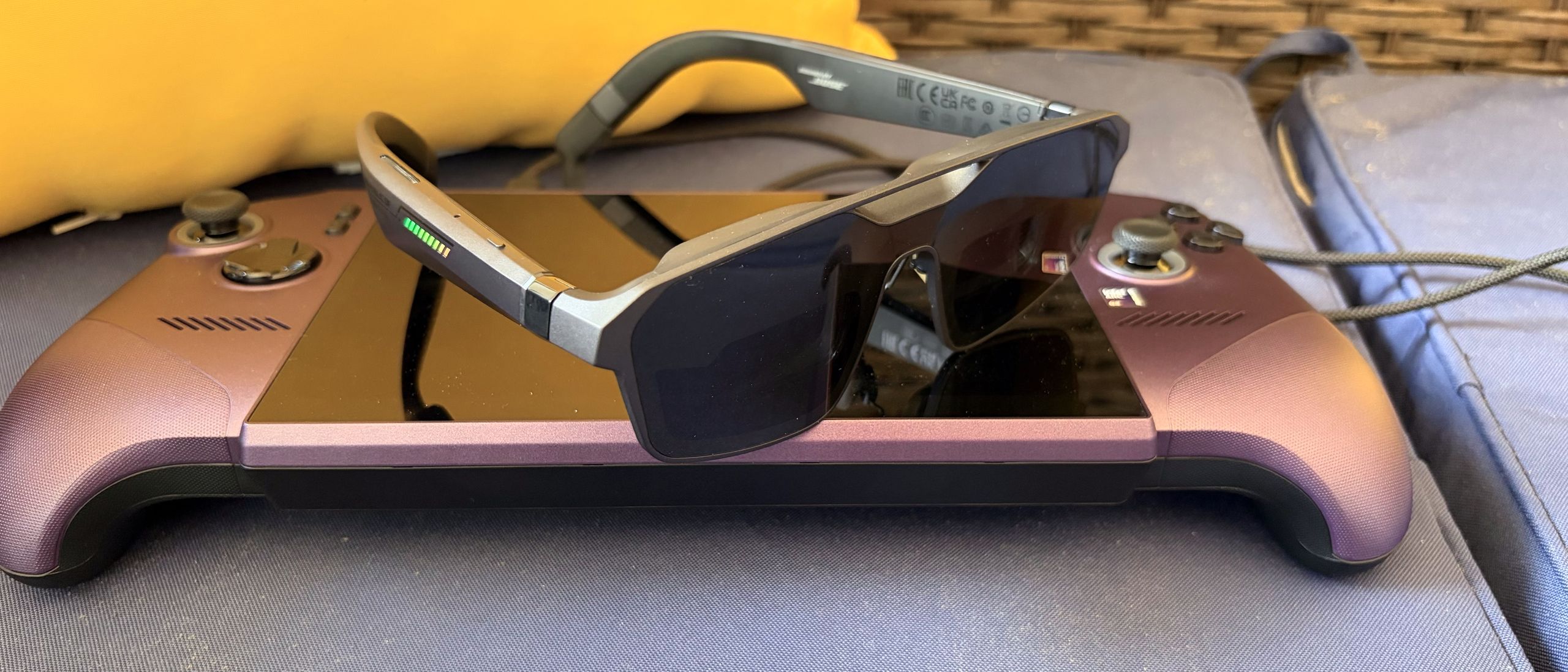
If you care about gaming eyewear performance, the Asus ROG Xreal R1 is the clearest sign that specs now matter as much on your eyes as on your desk. Content is driven by dual 0.55‑inch Sony Micro‑OLED panels with 1920 x 1080 resolution per eye, a 0.01 ms response time and a 240 Hz refresh rate when Frame Rate Boost is enabled, double what many competing gaming AR glasses offer. Field of view sits at 57 degrees with a virtual image up to 171 inches at four meters, backed by 700‑nit brightness and dual open‑air speakers. This is not a toy; it is a display upgrade that follows you from couch to car to airport layovers, giving a big‑screen sensation wherever you play. The downside is cost: at USD 849.99 (approx. ₱48,000), even with the included ROG Control Box, the price will filter out casual interest.
The R1’s value is not just the panel; it is the ecosystem. The flat‑prism lens design keeps the glasses slimmer than traditional bird‑bath optics while still supporting 3‑degree‑of‑freedom spatial tracking and the existing Xreal accessory port for the 6 DoF camera module. Electrochromic dimming with three levels is another ‘only on premium gear’ feature, replacing cheap physical shrouds with granular light control. In other words, the R1 treats your eyes like a first‑class gaming display, not an afterthought hanging off a USB‑C port.
Blue Light Blocking Gaming and Collector Culture
Performance is no longer only about frame rates; it is also about how long you can stay in the game without feeling wrecked. This is where blue light blocking gaming gear earns its place. GUNNAR has leaned into that with a limited‑edition collection celebrating the 30th anniversary of Tomb Raider, using a round metal frame inspired by Lara Croft’s style. Each pair uses patented lens technology to reduce digital eye strain and enhance contrast, a direct nod to extended play sessions and long streaming nights. All lens options—Amber, Amber Max, Sun and Amber Sun Shift—block blue light and 100% of UV rays while adding G‑Shield Plus coatings for anti‑reflective and smudge resistance.
This is gaming eyewear performance of a different kind. The specs here are about comfort and durability: stainless steel plus engineered polymer frames in bronze tones, flexible spring hinges, and a lightweight 28‑gram build with a 50 mm lens width, 22 mm bridge, 134 mm frame width and 145 mm temples. The 30th Anniversary Edition piles on collector appeal with a Dagger of Xian pin, themed microfiber cloths, a collector pouch and case, all under official licensing and CE certification. The message is clear: your glasses can be part health tool, part fandom, and part long‑session armor.
Specs as the New Battleground for Your Eyes
The most interesting trend is not that these devices exist, but how they compete. On the display side, brands now advertise refresh rate and response time like they would a high‑end monitor; a 240 Hz mode backed by 0.01 ms response on the R1 is pitched as a decisive edge over typical 120 Hz AR glasses. On the lens side, GUNNAR’s story is all about patented tech to cut eye strain and enhance contrast, as well as coatings that block blue light and UV while reducing reflections and smudges. Those details used to live in fine print. Now they are the first bullets on the box.
There is an important caveat: not every headline number translates into a must‑have feature in practice. Reviewers report that native 120 Hz on the R1 feels clean, while the 240 Hz mode can introduce visual anomalies, making it more novelty than everyday setting for some players. Quote‑worthy or not, the spec race still benefits players because it forces brands to make clear, measurable claims about what gaming eyewear does for your eyes and your K/D ratio.
Conclusion: Your Next Upgrade Might Be Your Glasses
The emergence of devices like the Asus ROG Xreal R1 and GUNNAR’s Tomb Raider collection proves that gaming eyewear has graduated from novelty to a viable, competitive category. Xreal brings leadership in AR glasses, while Asus adds deep gaming peripheral experience; together they build a 240 Hz, RGB‑lit headset that behaves like a portable big‑screen monitor rather than a tech demo. At the same time, GUNNAR shows that style, licensing and blue light protection can make glasses feel as collectible—and as necessary—as a limited‑run controller.
If you play on multiple devices, travel often, or grind late into the night, gaming AR glasses and blue light blocking gaming lenses now represent rational upgrades, not impulse gimmicks. The real test from here is simple: once players get used to high‑refresh virtual screens and low‑fatigue lenses, going back to a bare monitor will feel as dated as playing shooters on a 60 Hz panel.