
Google Images stops being a search box and becomes a feed
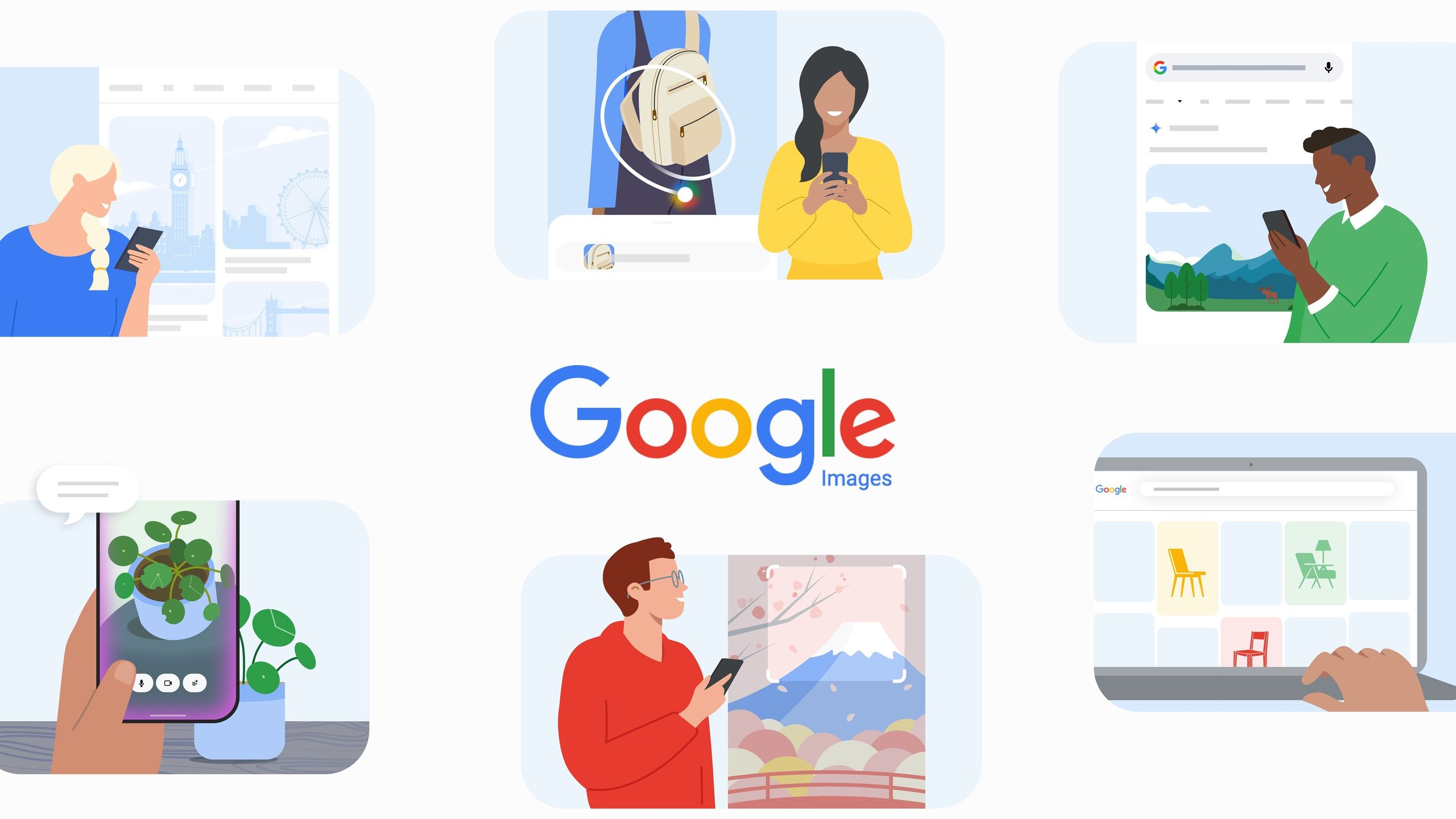
The latest Google Images AI update transforms the service from a static results grid into a personalized, AI-driven visual search experience that blends a dynamic image feed, instant AI art generation, and Collections into a single, always-updating canvas tailored to each user’s tastes and searches.
This is not a cosmetic birthday theme; it is the biggest shift in how Google expects you to explore images in years. To mark the 25th anniversary of Google Images, the company is rolling out a complete redesign of its visual search homepage and bringing AI-powered image generation directly into search results. Instead of treating images as something you hunt for, Google now treats them as something that should come to you: an endless, personalized gallery tuned to what you like and what you save. That reframes Google Images from a passive utility into an active discovery engine — and it will reward users who live inside visual feeds while sidelining those who preferred simple, neutral grids.
A personalized image feed that behaves like a social app
The centerpiece of this visual search update is a new homepage that behaves more like a social feed than a search results page. Google describes it as a “dynamic, immersive gallery” that updates in real time, showing images from across the web while being intelligently tailored to your unique interests. As you browse and save pictures into named Collections, those Collections appear as tabs above the gallery and directly influence what the feed shows you next.
This personalized image feed is opinionated by design. It assumes you want inspiration and continuity, not one-off answers. That is a win for people looking for travel ideas, mood boards, or hobby rabbit holes; your “For You” style tabs make it easy to jump back into ongoing obsessions. But it also means Google Images will feel less like a neutral search engine and more like a curated stream that depends on your history, sign-in status, and how disciplined you are with Collections. In other words, you are no longer only searching the web — you are training your own Google-powered Pinterest.
AI art generation moves inside search — and resets expectations
The more disruptive change is that Google is moving AI art generation directly into AI Overviews, so you can create custom visuals without ever leaving search results. If you type a prompt with cues like “create a visual” or “help me visualize,” Google’s Nano Banana model will generate a high-quality, all-new image from scratch. According to Google, this update is meant for people who “have a highly specific vision where an image doesn’t yet exist.”
This fundamentally changes the job of image search. Instead of searching for something that might be buried in the web, Google simply offers to fabricate it. For users, that is wildly convenient: instant mockups, quick concept art, and personalized visuals appear at the top of your AI Overview with options to tweak them, while traditional Google Images results still sit underneath as real-world references. But for content creators, it is a double-edged sword. When the default answer to “find me an image” becomes “generate one,” fewer clicks flow to existing photos, illustrations, and stock libraries. Google is quietly nudging users to treat AI art as a first-class citizen of search.
What this means for mobile users and creators
Even though this redesign is rolling out first on desktop and in English, the mindset behind it is clearly mobile-first. A real-time, personalized image feed is tailored to the way people already scroll on phones, and AI art generation inside AI Overviews fits the quick, task-focused queries that dominate mobile search sessions. The message is clear: Google wants visual search to feel like a creative tool you dip into constantly, not a static destination you visit occasionally.
For ordinary users, the practical impact is straightforward: you get quicker inspiration, fewer dead ends when specific images do not exist, and a home screen that learns what you care about. For creators and publishers, the impact is more complicated. Your images may still appear in the dynamic gallery and as real-world examples beneath AI-generated visuals, but they now compete with synthetic images that live at the very top of the experience. This Google Images AI update turns search into a creative studio — empowering for users, but another reminder that the open web is increasingly filtered, summarized, and now visually reimagined by Google itself.
The future of Google Images: from search engine to visual assistant
This anniversary update is more than a nostalgic milestone; it is Google declaring that image search’s future lies in personalization and generation, not static lists. Over the next few weeks, the redesigned homepage will roll out to desktop users who sign in, and AI Overviews will gradually gain image generation in regions where AI Mode already works. The direction is set: the default Google Images experience will be a living gallery tuned to you, with AI ready to fill any visual gap on demand.
Users who embrace this will gain a powerful visual assistant that remembers what they like and can conjure whatever they cannot find. Those who prefer neutral, history-free results may feel pushed toward incognito habits or alternative search tools. But in a world already steeped in feeds and AI, Google Images’ evolution feels inevitable. The service that once made it possible to “instantly explore visual content from across the web” is now trying to anticipate and create that content before you even know how to ask for it.