
Fear, Not Hype, Is Driving the Galaxy S26 Sales Surge
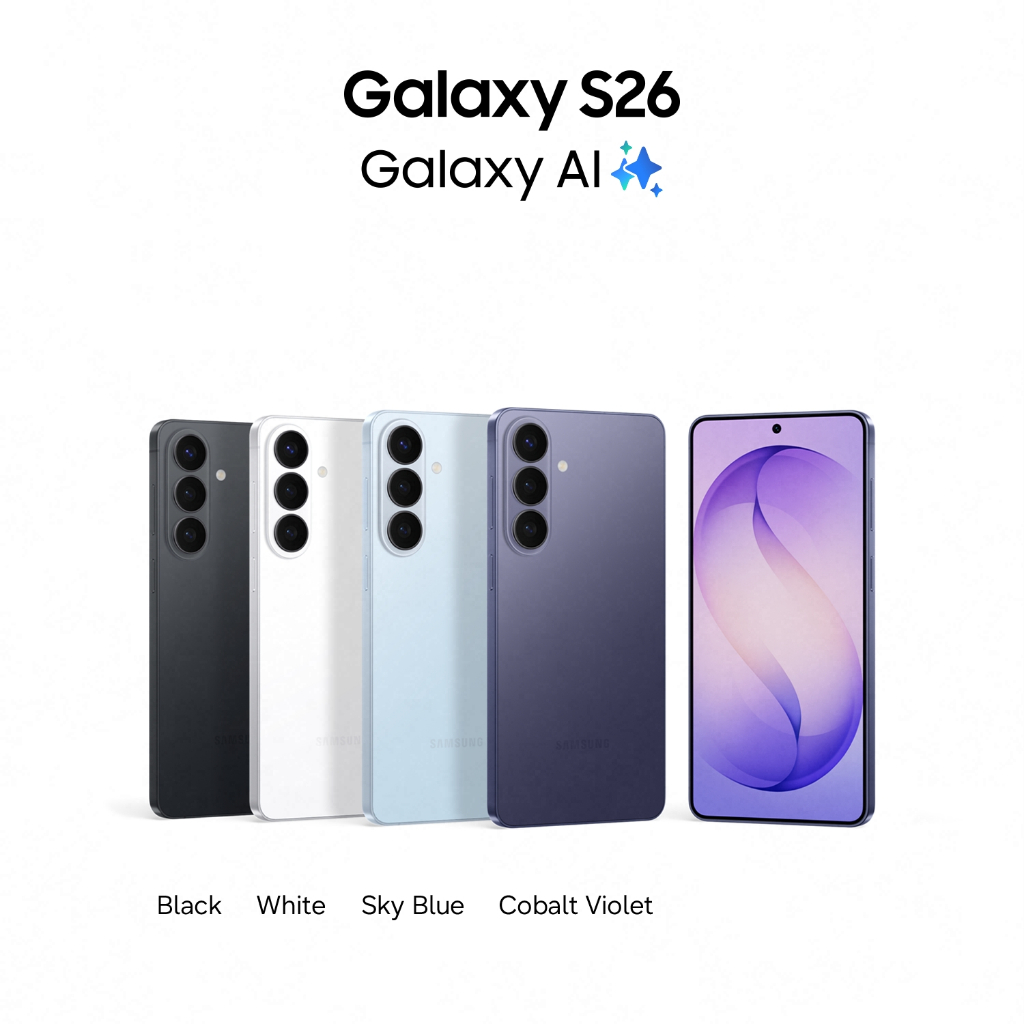
The Galaxy S26 sales surge describes a sharp mid-cycle spike in demand for Samsung’s current flagship lineup, driven less by its new features and more by consumer anxiety that the upcoming Galaxy S27 price increase will make future flagships significantly more expensive than today’s models, prompting buyers to pull forward their purchases and lock in current pricing before costs rise further.
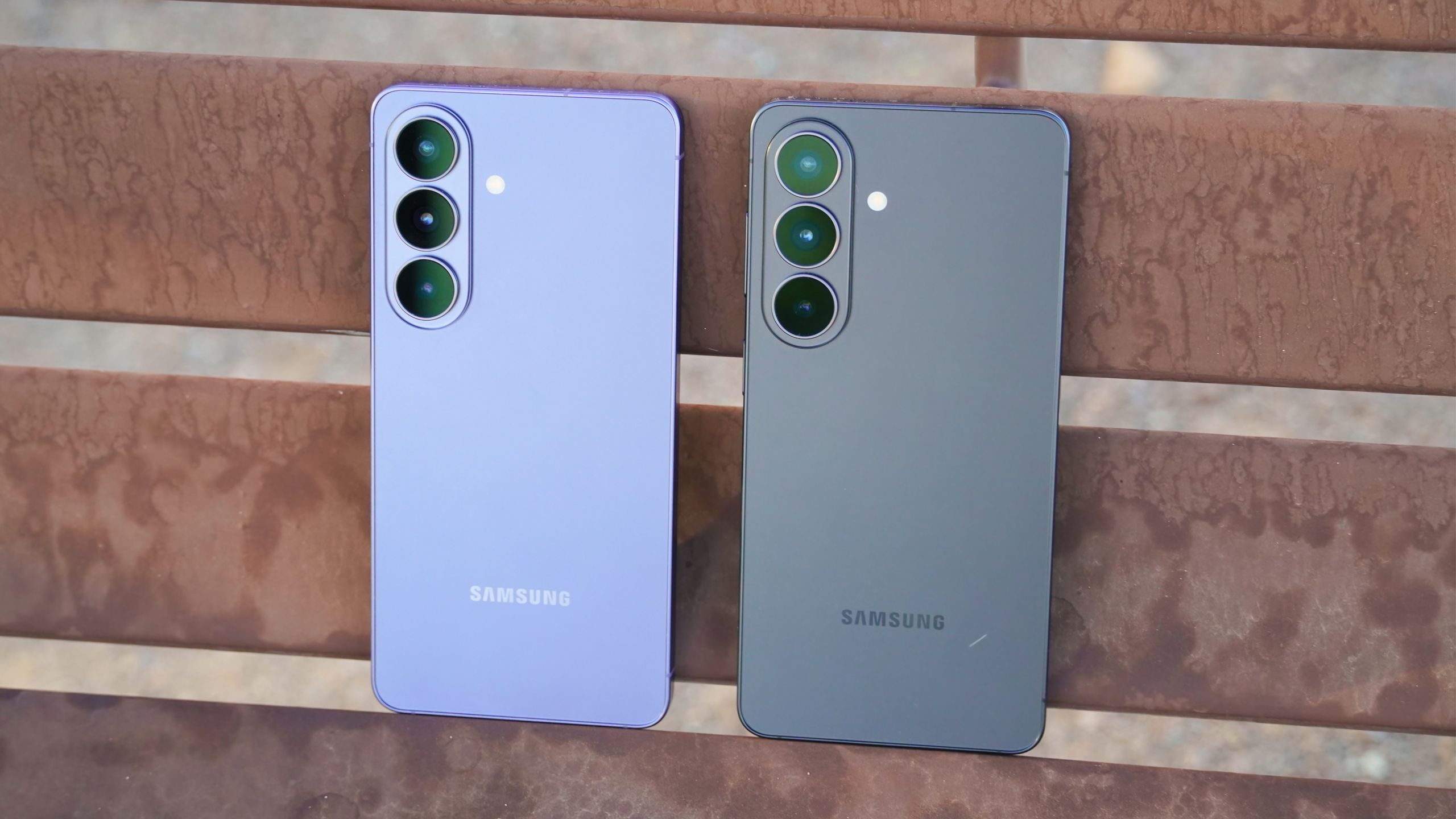
Reports say the Galaxy S26 series is smashing internal expectations, with sales rising to three times recent levels and prompting production targets for July to jump from 1 million to 1.5 million units. Another report cites more than 3 million units sold domestically in 117 days, breaking the Galaxy S25’s records. At the same time, the lineup is said to be selling twice as fast as its predecessor in the company’s home market. That demand is not an accident; it is a reaction. Buyers are looking at rising memory costs, rumors of higher Galaxy S27 prices, and deciding that the safe move is to buy now, not later.
How Samsung’s Pricing Strategy Turned Phones into a ‘Buy Before It Goes Up’ Product
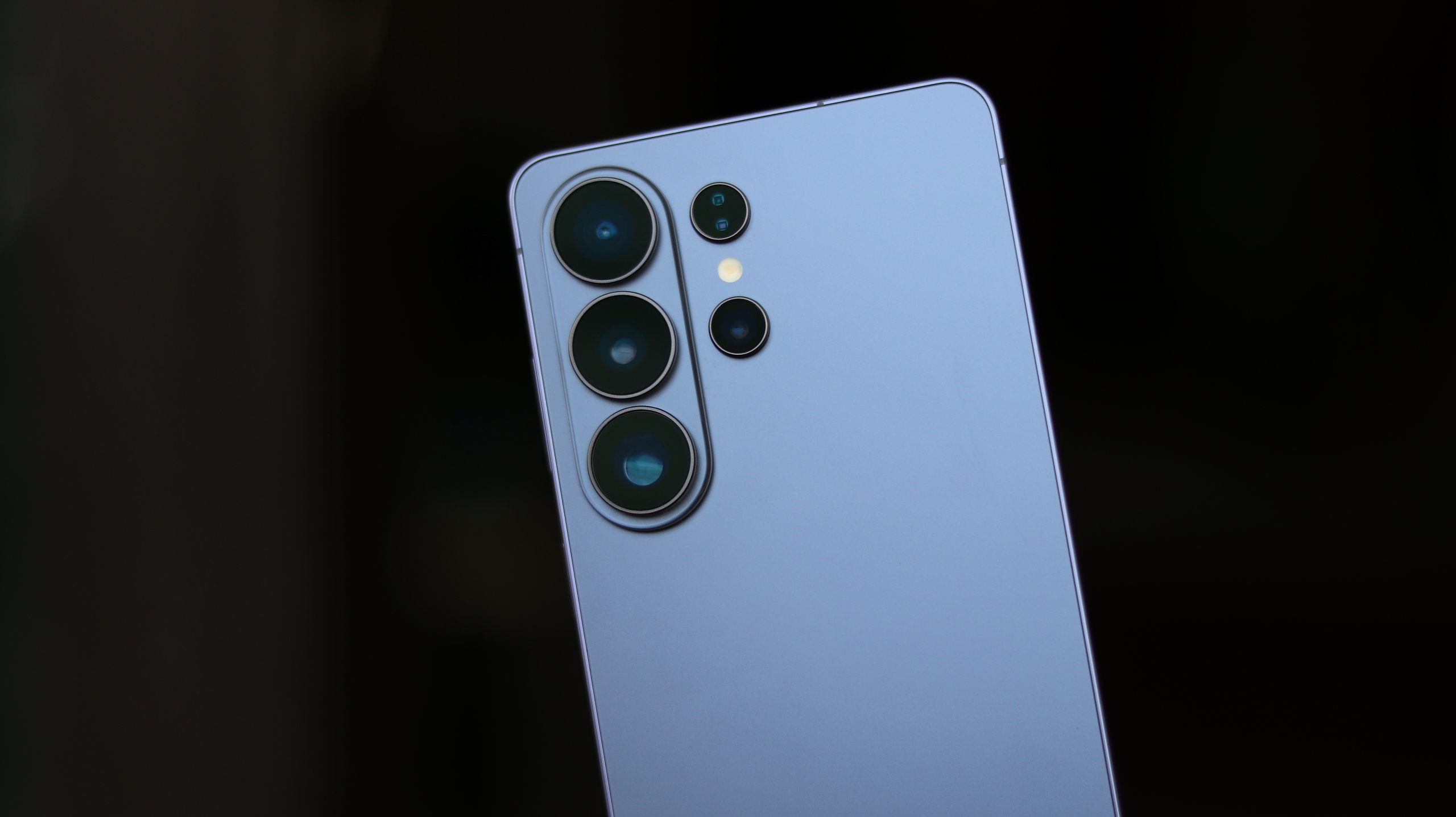
Samsung flagship pricing has quietly shifted from predictable to precarious. Analysts point out that all available data and forecasts indicate flagship price hikes next year, driven by DRAM and NAND chips that now account for more than 40% of production cost and are still getting more expensive. With the mobile division already under margin pressure, it would be very hard for Samsung not to raise prices on the Galaxy S27 series.
That expectation is feeding straight into smartphone buyer psychology. Traditionally, savvy buyers wait for mid-cycle discounts, because at launch Samsung has little reason to cut prices or run aggressive promotions. This time, the mid-cycle window has turned into a hedge against future prices. One analysis notes that Samsung has, perhaps unintentionally, stumbled into a model more common in commodity markets: "buy now before prices go up". Even the company’s own behavior reinforces this, from “Appreciation Festival” promotions that return 20% of the purchase in digital gift certificates to the decision to boost output specifically to meet this defensive demand.
Smartphone Buyer Psychology: From Waiting for Deals to Beating the Next Hike
The most striking shift is how expectations about the Galaxy S27 price increase are changing when people buy, not just what they buy. Normally, smart buyers delay purchases until the early excitement fades and discounts appear, because waiting a few months usually means better deals without missing the generation entirely. Today, those same buyers are moving in the opposite direction.
They are running the numbers, reading rumors, and concluding that the Galaxy S26 at today’s price is safer than a Galaxy S27 that “will almost certainly cost more” tomorrow. As one commentary puts it, "smart buyers who are driving up demand for the Galaxy S26 series now are at least partly doing so because they've run the numbers" and decided to act preemptively. This is defensive consumption: people aren’t chasing the newest possible tech, they’re trying to avoid worse value later. The psychology is simple but powerful—if the current price feels acceptable and there is a clear risk it disappears, buying now feels like saving money, even if the phone itself is not radically different from the next one.
What This Means for the Galaxy S27 and Future Flagship Generations
Pulling demand forward has consequences. Many of the phones Samsung will produce after its July production boost are headed to buyers making a defensive financial decision instead of waiting to see what the Galaxy S27 offers. That helps near-term shipment numbers and gives the Galaxy S26 an unusually long stretch of momentum compared to earlier models that faded a few months after launch.
But it risks creating a lopsided sales distribution between consecutive generations. If enough people lock into the current flagship now, the pool of buyers ready to pay more for the Galaxy S27 shrinks. That tension may already be shaping product planning. Rumors suggest Samsung could keep Galaxy S27 upgrades mild, putting some display and camera changes on hold to avoid “ridiculous pricing”. Yet there is little incentive to reverse price hikes later; even if the memory supercycle cools years from now, companies that took a margin hit today will be motivated to keep prices higher, not roll them back. In other words, the Galaxy S26 surge might not just be a blip—it could mark the start of a new, more volatile era for Samsung flagship pricing and for how consumers time their upgrades.