
The Foldable Phone Crease: One Problem, Two Philosophies
The foldable phone crease is the visible line and slight depression that forms along the hinge of flexible displays, and both Apple and Samsung are now racing to reduce or nearly erase this defect to improve durability, visual quality, and user comfort in everyday use. Visible creases make expensive foldables feel fragile and unfinished, and how each company chooses to fix them says more about their design priorities than any spec sheet. Samsung is betting on material innovation and mechanical stiffness, while Apple is chasing ultra‑precise engineering to make the crease so shallow that you barely know it exists. The takeaway is clear: the next era of foldable phone design will be defined not by who folds first, but by who can make that fold disappear from sight and touch.
Samsung Flex Titanium: Material Science as a Weapon
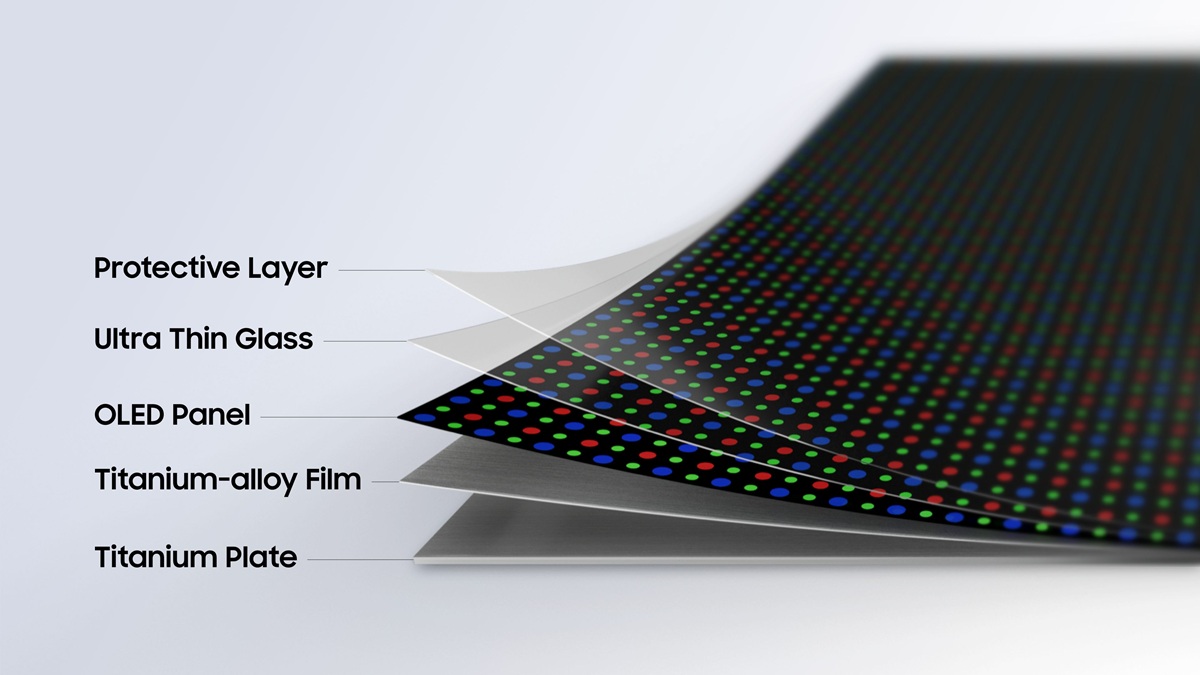
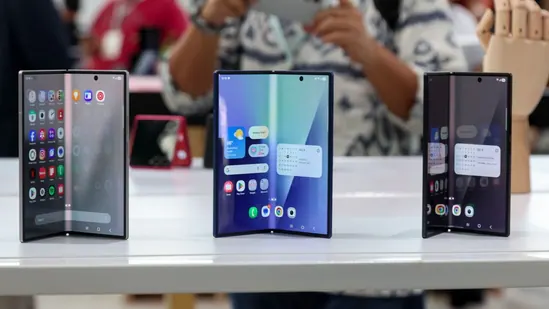
Samsung’s Flex Titanium approach treats the foldable phone crease as a materials problem: make the screen stack stiffer, slimmer, and more shock‑resistant, and the crease becomes less visible and less worrisome. The company introduces a titanium‑alloy film beneath the OLED panel, yielding 20 times greater mechanical stiffness than the polymer film it replaces. That extra stiffness helps the folding area resist deformation, tightening up the bend so the internal screen doesn’t show a deep, distracting groove. A precision rolling process lets Samsung craft a display stack that is almost one‑third the thickness of a human hair, making the panel both thin and strong. Paired with a titanium plate and advanced hole‑processing that removes air gaps between the module and adhesive, the result is a display that can withstand repeated folding while cutting down on crease visibility and boosting display durability comparison credentials.
Apple Foldable Technology: Engineering the Crease Out of Existence
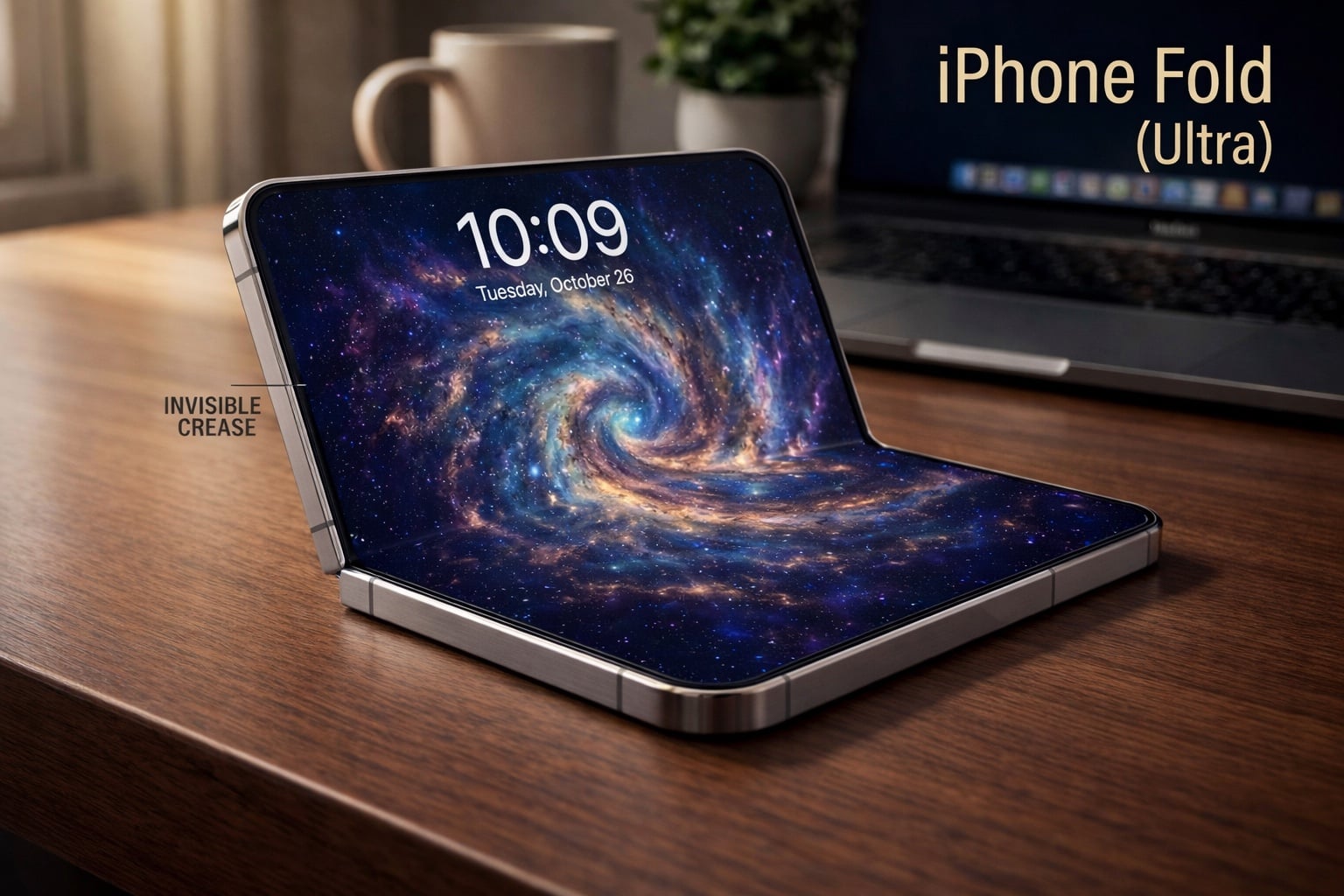
Apple’s rumored foldable technology treats the foldable phone crease as an engineering and geometry problem rather than a pure materials one. Leaks suggest Apple is collaborating with Samsung Display on a screen whose crease depth will be under 0.15 mm, making it nearly invisible to both eyes and fingertips. Instead of relying mainly on a harder substrate, Apple is said to be working on a liquid‑metal hinge whose amorphous structure combines flexibility with scratch resistance and durability. Fewer moving parts, enabled by 3D‑printed hinge components, are meant to improve rigidity and spread stress more evenly across the fold. On the display side, Apple is reportedly exploring variable‑thickness ultra‑thin glass, thinner along the fold for flexibility and thicker elsewhere for strength, plus an advanced optically clear adhesive that fills microscopic gaps to cut crease visibility. This is classic Apple: obsess over tolerances and angles—in this case, a folding angle reportedly tuned to under 2.5 degrees to enhance lifespan and user feel.
Durability and Aesthetics: Different Routes to the Same Goal
Both companies are chasing the same pain point: creases that make a foldable screen look worn and undermine confidence in its long‑term durability. Samsung is willing to reshape the display stack itself to attack the problem from within, using titanium layers and tighter bonding to build a near‑crease‑free panel that is also physically tougher. Apple, on the other hand, is trying to control how the screen bends at a micro level so that the fold happens in a smoother, shallower arc. By focusing on hinge mechanics, folding angle, and ultra‑thin glass thickness profiles, it aims to make the crease so subtle that it becomes an afterthought. The aesthetics follow the engineering. A stiffer Samsung Flex Titanium panel promises a visibly flatter canvas, while Apple’s target of sub‑0.15 mm crease depth speaks to a pursuit of visual and tactile perfection. In both cases, display durability comparison is not an add‑on feature; it’s the heart of the argument for owning a foldable at all.
Production Reality: Samsung Ships, Apple Waits
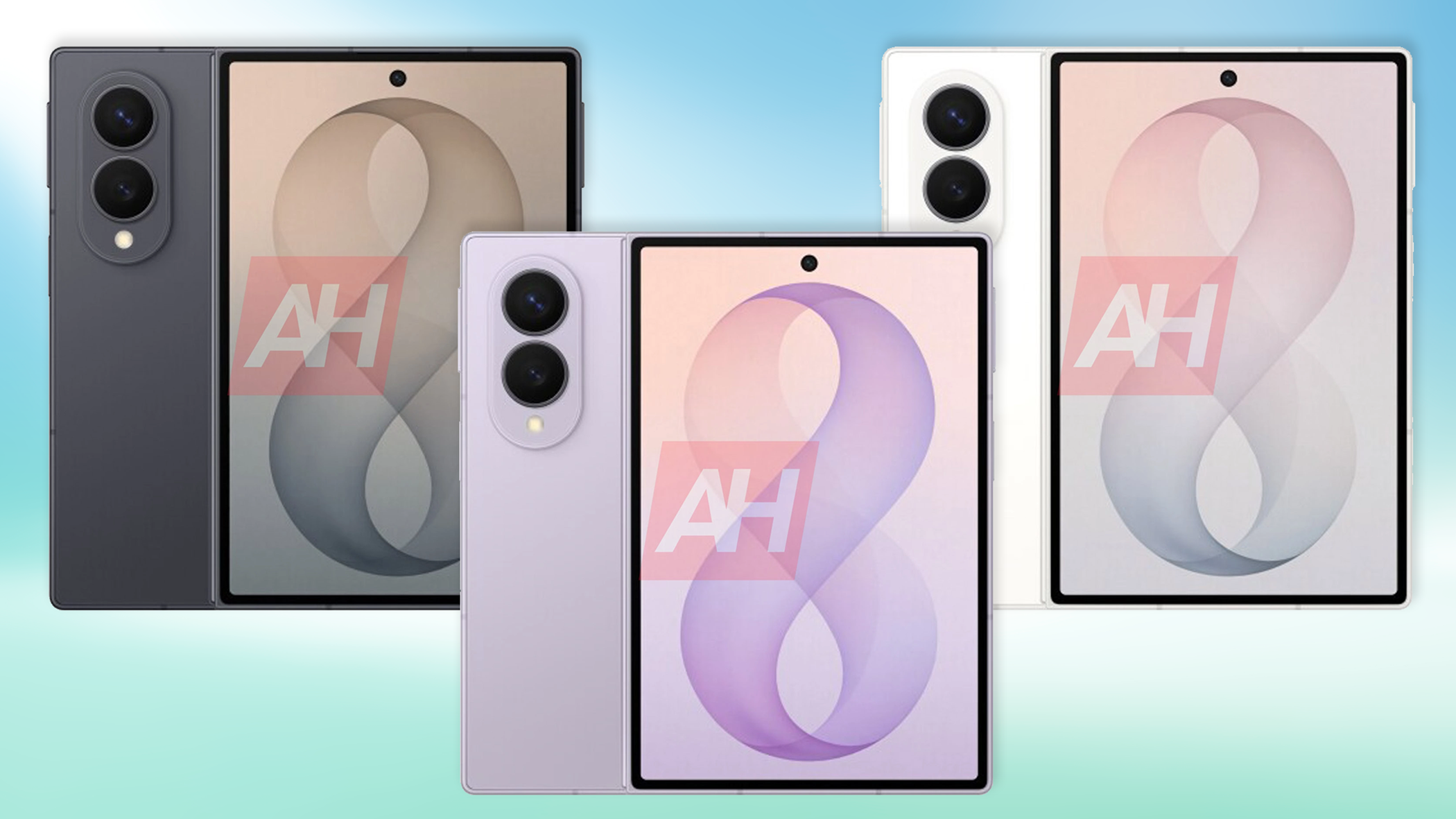
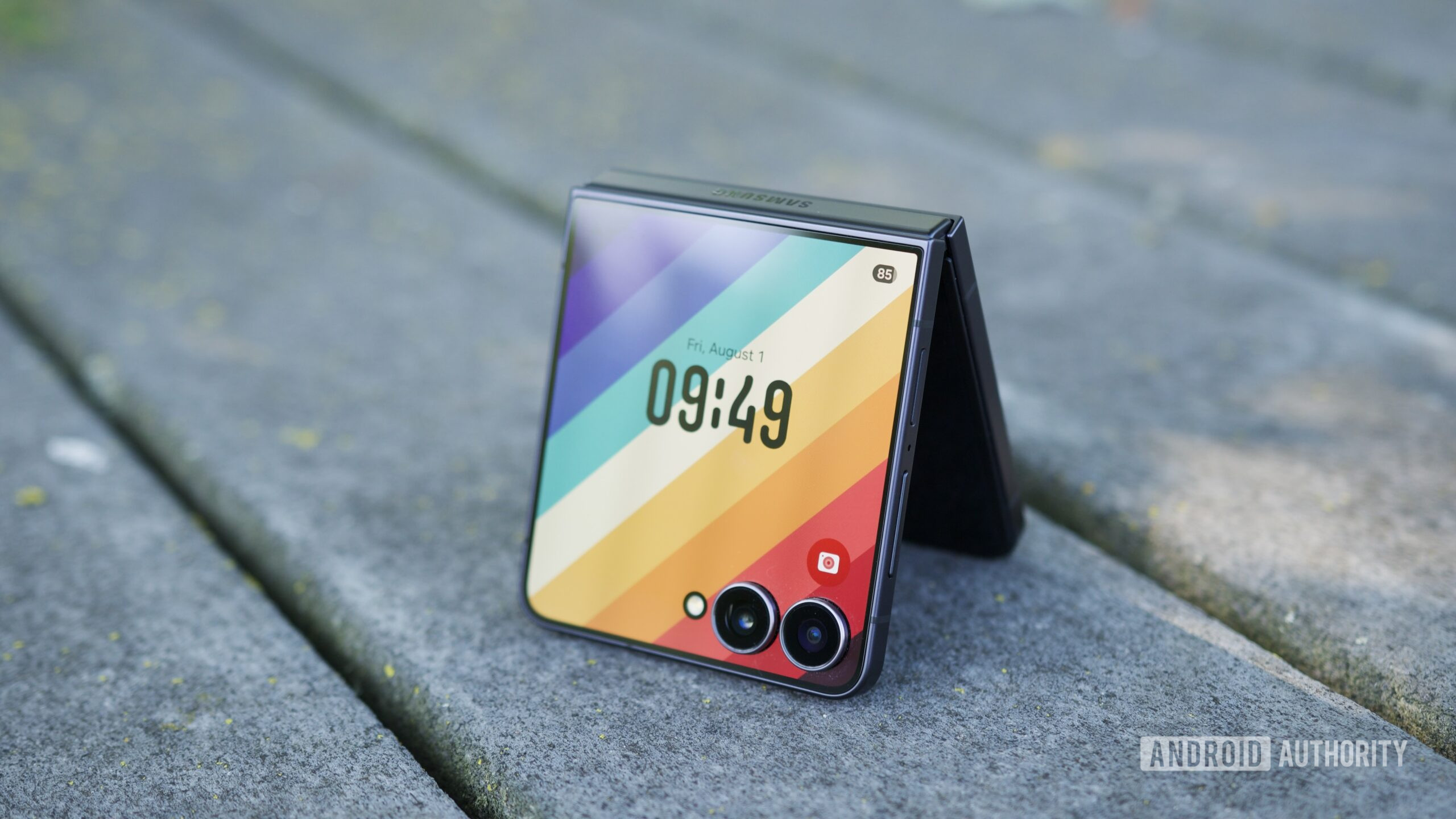
The most important difference today is not technical—it’s temporal. Samsung’s Flex Titanium is production‑ready and tied directly to an upcoming Galaxy Z Fold8‑series launch. That means users are about to test the claims in real life: a near‑crease‑free internal screen that is stronger, slimmer, and more immersive. Apple, in contrast, is still in the development phase. Its hinge‑centric foldable technology, variable‑thickness glass, and fine‑tuned crease depth are all talked about in the future tense, with no confirmed arrival date for the iPhone Ultra‑style foldable. One leaked device, sometimes referred to as Phonegram Fold, is positioned as a premium flagship with a starting price of USD 1,999–2,199 (approx. ₱112,000–₱123,000), signaling that Apple wants its first foldable to be a statement product, not an experiment. The company seems willing to delay entry until the crease can be engineered down to its comfort level—an approach that risks ceding early mindshare but could reset expectations when it finally lands.
Conclusion: The Next Foldable Battle Will Be Invisible
The visible foldable phone crease was always a symbol of compromise: you got futuristic form, but you had to live with a scar down the middle. Samsung’s Flex Titanium strategy argues that better materials can make that scar fade, delivering a tougher screen that looks cleaner and feels more premium. Apple’s rumored approach insists that if you engineer the bend correctly—through liquid‑metal hinges, variable‑thickness glass, and ultra‑precise folding angles—you can make the crease nearly disappear in both sight and touch. One path leans on industrial manufacturing strength, the other on meticulous mechanical design. Both need to succeed if foldables are ever going to feel as dependable as traditional slabs. The next wave of devices will be judged less by how impressively they fold and more by how invisible that fold has become. When the crease stops reminding you the phone is fragile, foldables will stop feeling like a niche experiment and start looking like the default future.