
Apple’s Counter-Cyclical Surge: Growth in a Declining Market
Apple market share growth in a period of smartphone market decline refers to the company expanding its proportion of global smartphone shipments, led by iPhone global shipments rising even as total industry volumes fall due to higher component costs, fading subsidies, and weaker upgrade cycles, allowing Apple to capture share from competitors that are shrinking or stagnating. Apple did not merely dodge the downturn; it used it. While global smartphone shipments fell 6.7% year over year to about 277.5 million units, marking a second straight quarter of decline, Apple grew iPhone shipments by 3% and reached a record 20% share of global shipments despite the slump. In a shrinking pie, Apple grabbed a larger slice, lifting its share from 17% to 20% in just a year. That is counter‑cyclical growth in action: when the market moves down, Apple moves up.
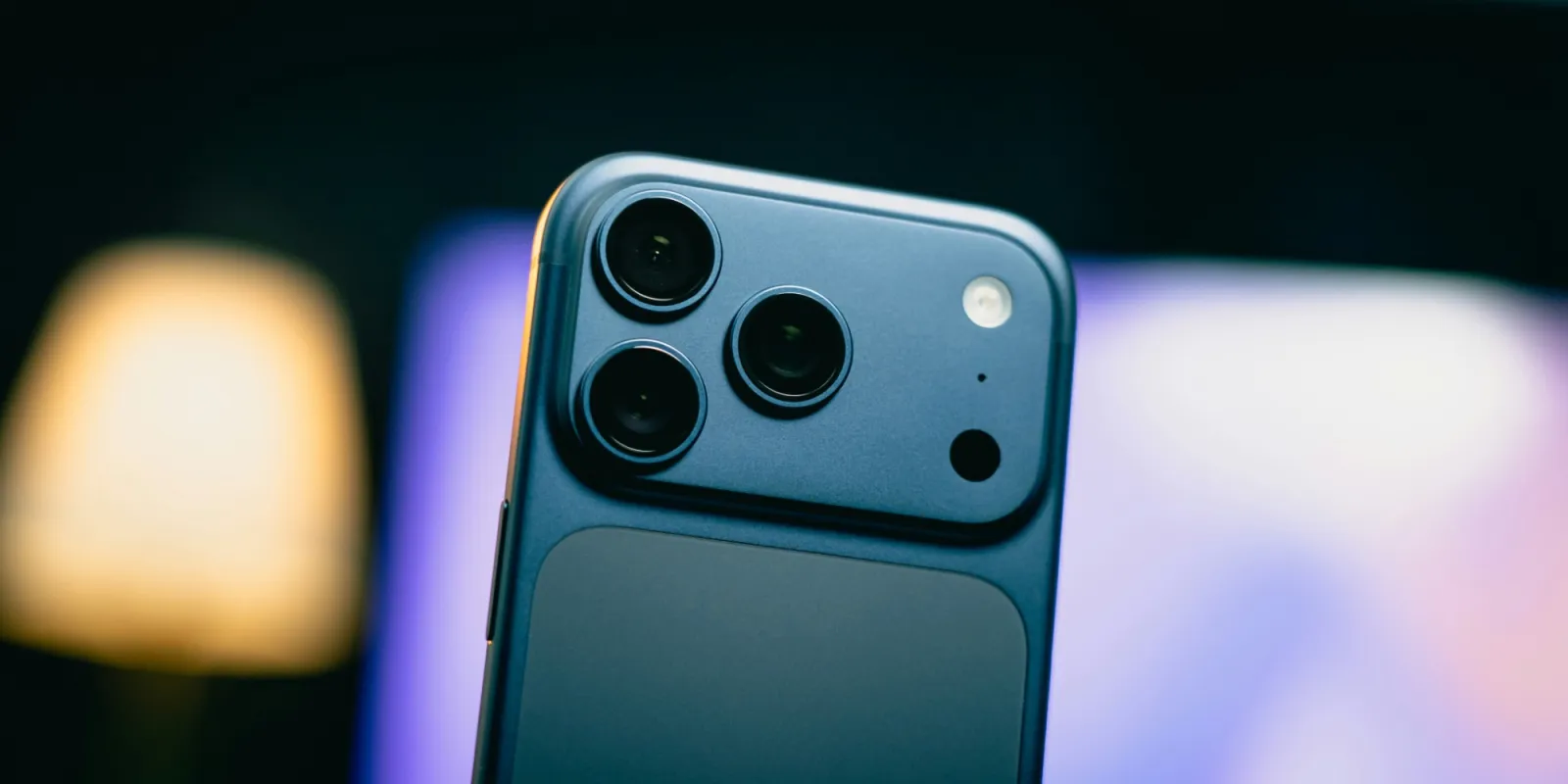
Why Apple Gained Share While the Smartphone Market Contracted
The core of Apple’s market share growth is strategic positioning, not luck. The ongoing memory crisis pushed DRAM and NAND flash costs up by almost 300% in some cases, hammering vendors that rely on low‑end devices. Many Android makers responded by raising prices or cutting budget models, discouraging upgrades and shrinking the low‑end of the market. Apple went the other way: it held iPhone prices steady while competitors hiked theirs, giving hesitant buyers a concrete reason to upgrade rather than wait. Its premium focus meant memory costs were a smaller part of the bill of materials, so the shock hurt it less. Combine that with brand loyalty, targeted promotions, and strong demand for the iPhone 17 series — the top‑shipped global model — and Apple turned an industry headwind into a tailwind.
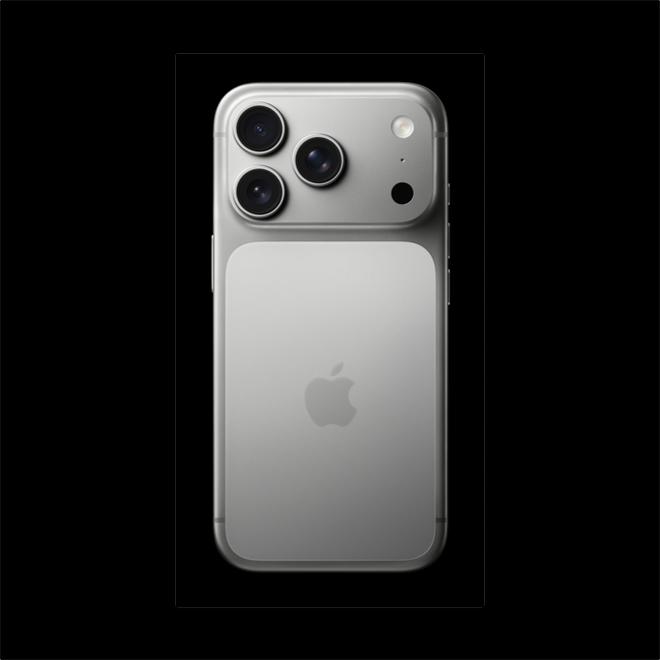
Flagship Dominance and the Two-Tier Smartphone Landscape
Apple’s flagship dominance is reshaping the smartphone landscape into a clear two‑tier market. Premium brands are expanding their power while mid‑ and low‑tier vendors scramble to survive. IDC data shows that globally, Apple achieved its strongest‑ever second quarter for iPhone shipments, with reported growth ranging from 3% to 24% and worldwide share near 20%. In this tiered environment, Huawei, Apple, and Samsung are among the few to post growth, while other vendors lose share or cut models. In China’s market, which has been in decline for multiple quarters, Apple and Huawei were the only major vendors growing shipments by holding prices as others raised theirs, giving buyers a reason to purchase now. For Apple, this is not a story of survival. With record Q2 iPhone shipments in a downturn, it is a story of dominance.
What This Means for Buyers in a Tough Smartphone Cycle
Ordinary users are feeling the industry’s strain in direct ways. As memory costs exploded, many Android brands raised handset prices or trimmed their budget offerings, leaving price‑sensitive buyers with fewer options and less incentive to upgrade. At the same time, carrier subsidies that used to soften the blow are being pulled back. KeyBanc points to carriers reducing cellphone subsidies, which is expected to dampen iPhone upgrade activity. One clear example is a major carrier eliminating an $800‑per‑line cellphone subsidy for existing customers, removing a powerful upgrade hook. For now, Apple’s decision to avoid smartphone price hikes during the quarter made its devices feel relatively safer against rapid inflation. But as price increases reach Macs, iPads, and expected future iPhones, buyers will face tougher trade‑offs: pay more, hold onto devices longer, or defect to cheaper ecosystems.
The Risk Behind the Record: Can Apple Sustain Momentum Into 2027?
Apple’s current numbers look impressive, but the next phase will be harder. Counterpoint expects global smartphone shipments to fall about 14% for the full year, with the memory shortage persisting into 2027. Analysts even project Apple’s full‑year market share could reach a historic 22%, highlighting its ability to keep capturing share as rivals stumble. Yet KeyBanc warns that consensus expectations for 8% iPhone growth in 2027 are "too aggressive," flagging risks from slowing iPhone builds, price increases, weaker U.S. upgrade activity, and changing device subsidy models. Slower unit growth would reduce expansion of Apple’s user base and put pressure on its Services business, with expected Services growth dropping from 12% to around 7% annually. The takeaway: Apple has mastered winning in a downturn, but sustaining that win will demand new tactics, especially as subsidies fade and prices rise. Its counter‑cyclical advantage is real — not guaranteed.