
One Brand, Two Visions: Why Iris and Vanguard Matter
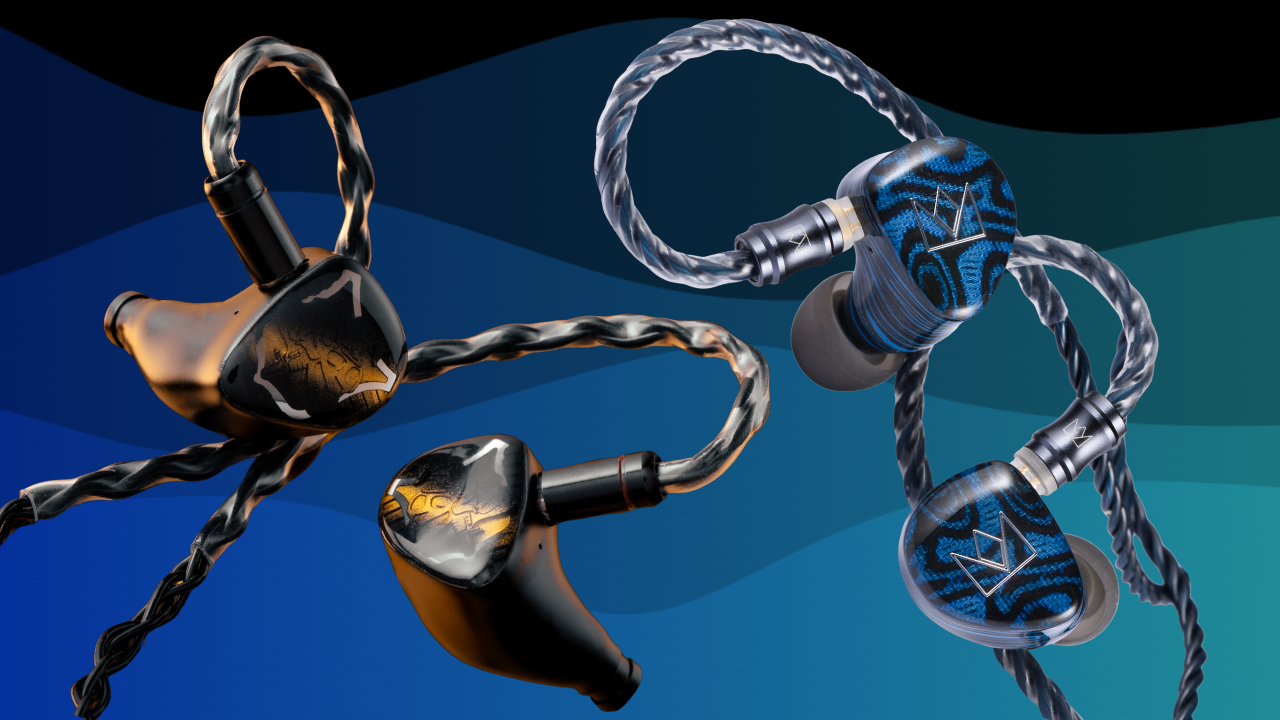
Noble Audio Iris and Vanguard are wired in-ear monitors (IEMs) that embody two contrasting design philosophies—minimalist single-driver purity versus hybrid multi-driver refinement—aimed at reshaping expectations for premium portable audio in the flagship IEM segment.
Noble Audio has introduced two new wired in-ear monitors for 2026: Iris and Vanguard, with both models launching globally on July 7, 2026. This is not a routine product refresh; it is a clear statement about what defines a modern Noble Audio IEM. Iris is a single dynamic driver IEM built around the mantra “One Driver. One Vision.”, while Vanguard is a three-driver hybrid evolution of the brand’s highest-selling Knight platform. In one move, Noble is arguing that there is no single path to high-end sound: purist coherence and hybrid versatility can coexist, and listeners are invited to choose a philosophy, not just a price point.
Iris: The Case for a Single Driver IEM in a Multi-Driver World
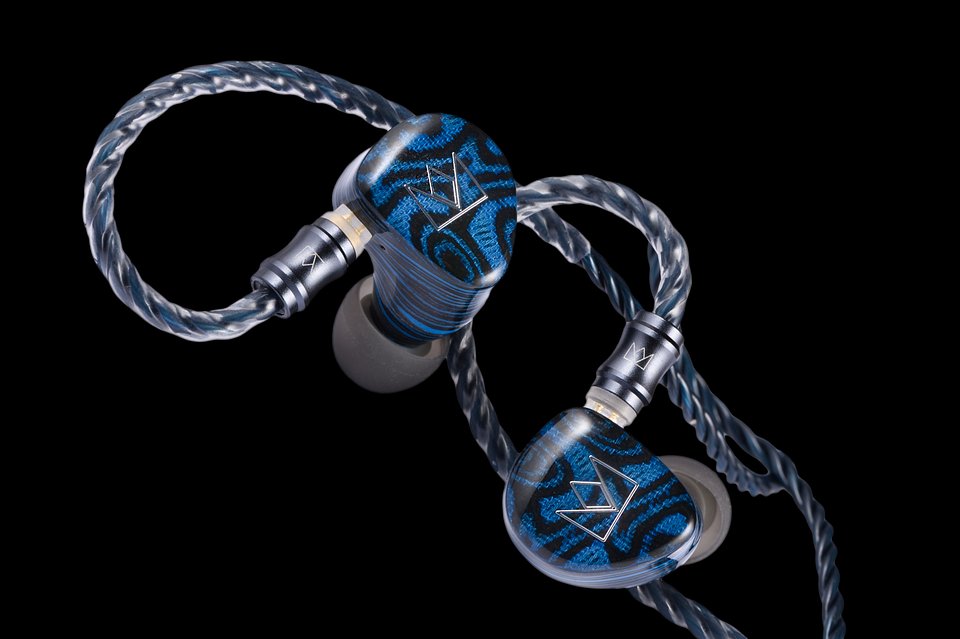
Iris is Noble’s bet that fewer parts can mean more music. It is a new single dynamic driver in-ear monitor, described as “One Driver. One Vision.” and priced at USD 699 (approx. ₱39,000). Instead of stacking balanced armatures and electrostats, Iris uses one custom 10.2mm dynamic driver, the same driver type as in Amadeus but scaled up for greater authority. The diaphragm combines three-layer PU and PEEK with a coating, powered by a dual neodymium iron boron magnet system and guided by a triple sound chamber architecture.
That technical cocktail serves a very specific goal: a single acoustic voice. Bass, mids, and treble all emerge from one source, which should give Iris a unified timbre and natural flow that multi-driver sets often struggle to match. Vocals and instruments are meant to sit in a coherent space, with imaging shaped more by the triple chamber design than by crossovers. Finished in a blue CNC-machined custom Micarta housing inspired by the iris flower, Iris is clearly aimed at purist listeners who care as much about emotional connection as about microdetail. In a market obsessed with driver counts, Iris is a quiet but pointed criticism of complexity for its own sake.
Vanguard: Hybrid Evolution for Everyday Premium Portable Audio
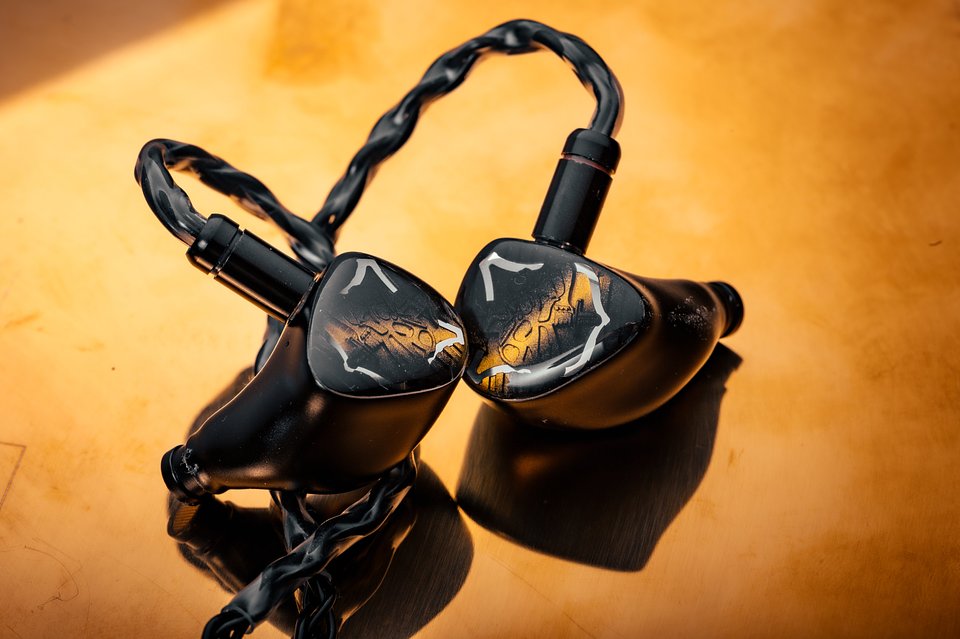
If Iris is the romantic, Vanguard is the pragmatist. Vanguard is a new hybrid in-ear monitor priced at USD 325 (approx. ₱18,000), created to bring Noble’s high-performance tuning to a wider audience while building directly on the success of Knight, the company’s highest-selling IEM. According to Noble, Knight proved the demand for an accessible wired monitor; Vanguard keeps that spirit but adds a new three-driver hybrid platform and precision-machined aluminium construction.
At its core is a 1DD + 2BA design: a 10mm Polyether Ketone dynamic driver for lows, a custom balanced armature for mid-highs, and another custom balanced armature dedicated to ultra-high frequencies. This three-way hybrid architecture is tuned for controlled bass, clear vocals, and extended treble detail while maintaining the cohesive presentation expected from a Noble Audio IEM. Crucially, Vanguard is built for modern portable listening: its easy-to-drive design means it does not demand a complex desktop chain or high-powered source to perform well, making it a natural fit for smartphones, portable amplifiers, and digital audio players. Where Iris chases purity, Vanguard chases practicality without surrendering ambition.
Two Paths into the Same Premium Portable Audio Universe
Taken together, the Iris Vanguard earphones sketch Noble’s view of what premium portable audio should look like. Iris targets listeners who value a coherent, refined single-driver experience and who see a single driver IEM as the most direct way to keep the music “clean, coherent and emotionally direct”. Vanguard, by contrast, brings Noble’s hybrid tuning philosophy to a wider audience, offering a balanced, three-way presentation at a more approachable price.
Both launches sit clearly in the premium IEM segment, where design philosophy and driver configuration are not marketing fluff but the heart of the sonic character. Iris has an impedance of 34 Ohms and a sensitivity of 113dB +/- 3dB at 1kHz, making it compatible with a wide range of portable and desktop sources and shipped with an 8-core OCC cable plus interchangeable 3.5mm and 4.4mm plugs for flexible use. Vanguard’s source-friendly tuning means music lovers, portable audio users, and first-time Noble customers get a serious introduction to the brand’s sound without moving into higher pricing. The message is clear: Noble is no longer pushing a single definition of a flagship IEM; it is offering a curated choice between simplicity and sophistication.
What Comes Next: A Split Flagship Strategy
Iris and Vanguard launch globally on July 7, 2026, through Noble’s website and selected retailers, with Iris making its public debut at Potafes Summer Akihabara shortly after. That timing signals intent: these models are not side projects but central pillars in the universal IEM lineup. By anchoring one end of the range with a USD 699 (approx. ₱39,000) single-dynamic flagship and the other with a USD 325 (approx. ₱18,000) hybrid built on its biggest sales success, Noble is shaping a two-lane highway into its catalogue.
For listeners, the practical impact is straightforward. Those who prioritise coherence, natural vocal placement, and a fluid presentation can gravitate toward Iris’s “One Driver. One Vision.” approach. Those who want controlled low-end, crisp mids, and extended treble from an easy-to-drive, everyday Noble Audio IEM can choose Vanguard. The more opinionated reading is that Noble is rejecting the idea that a single “best” configuration defines a flagship IEM. Instead, it is betting that the future of high-end portable sound is plural: different architectures, tuned with intent, and priced to meet listeners where they are.