

The end of a no-brainer perk
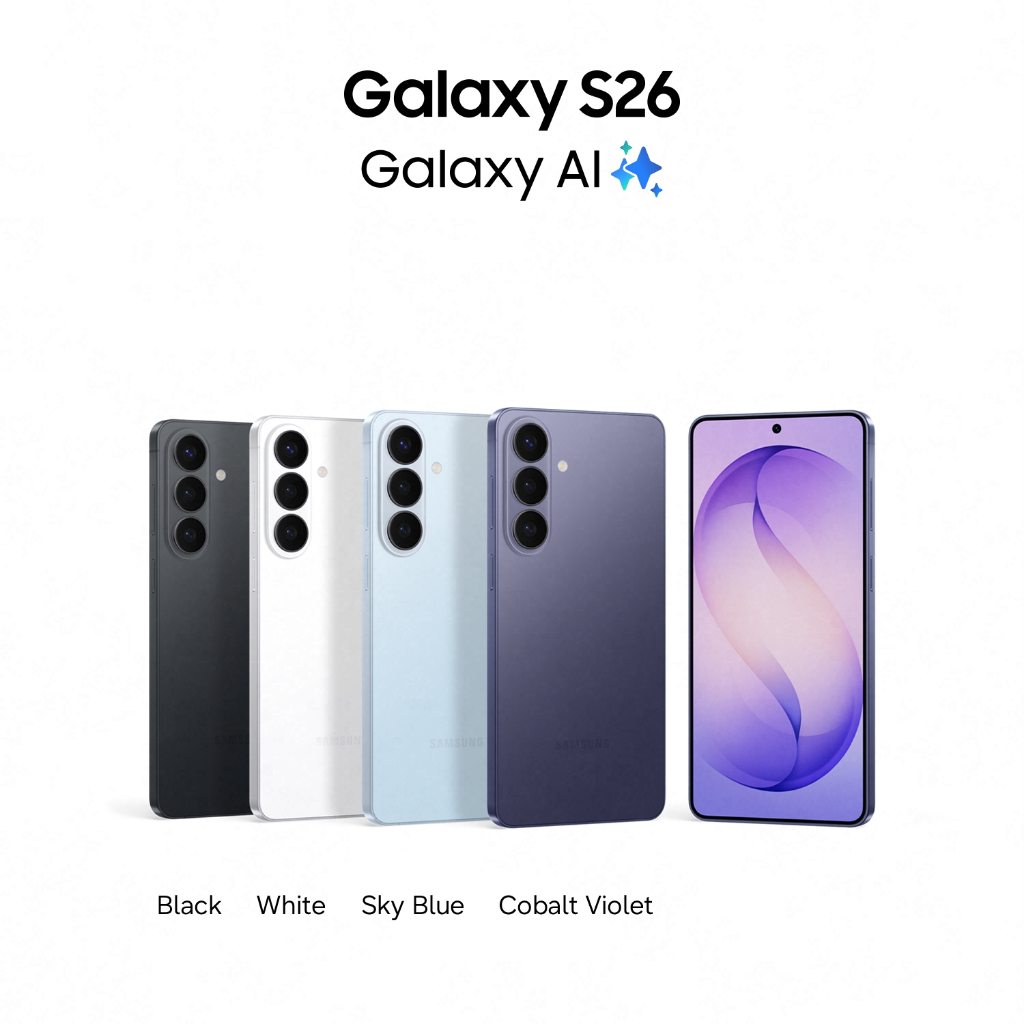
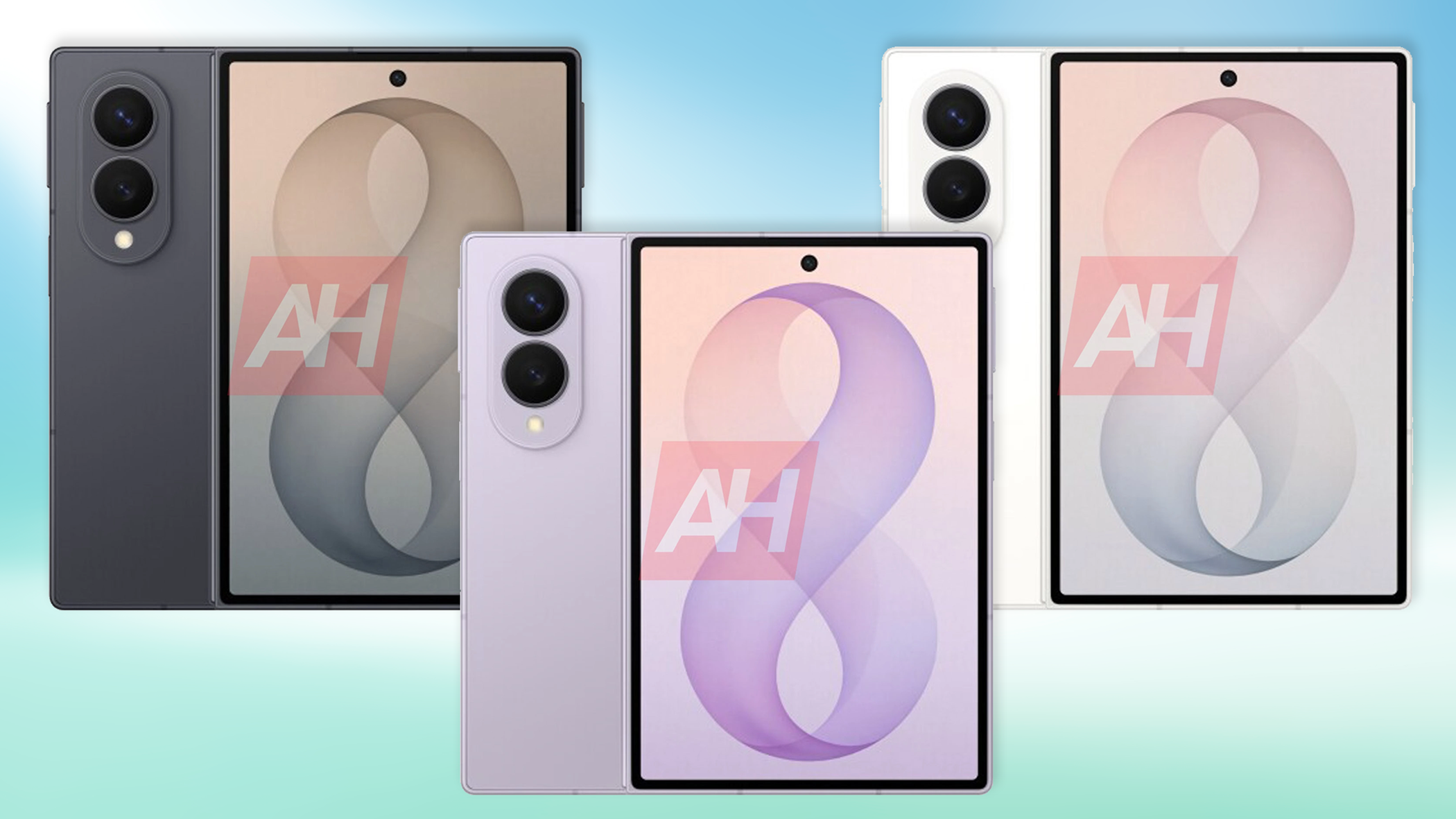
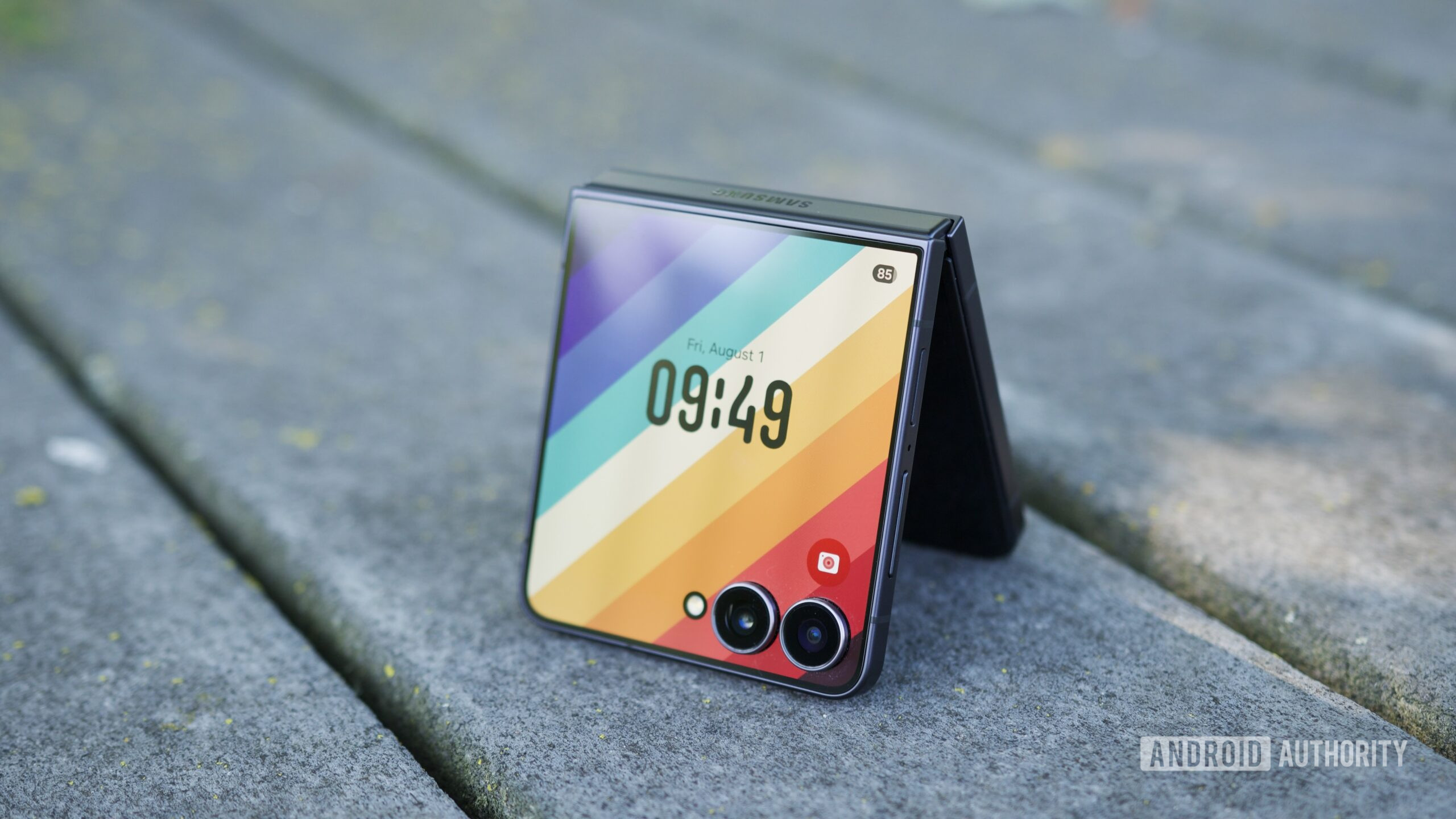
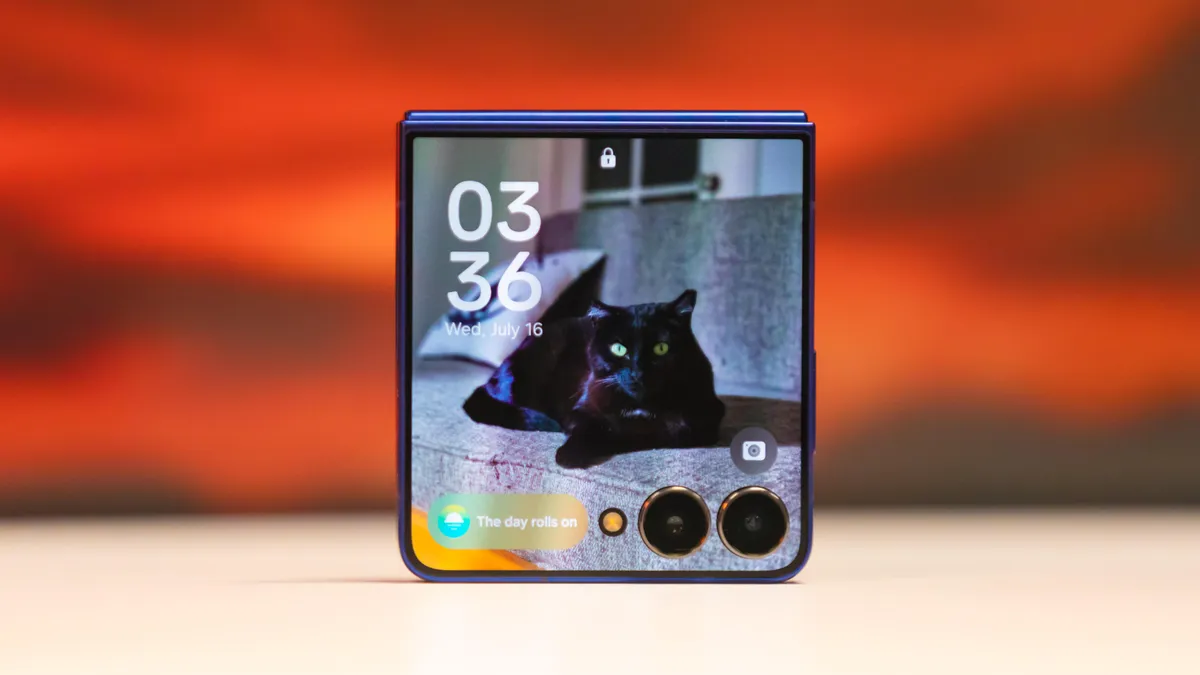
Samsung’s reported change to the Galaxy Z Fold 8 storage upgrade is the quiet end of a defining pre-order perk: instead of a free jump from 256GB to 512GB, buyers may now pay around half the usual storage price difference, turning what was once a no-risk decision into a real cost-benefit calculation for premium foldable customers. This matters because Samsung spent several Galaxy generations teaching high-end buyers to expect extra storage for free at launch—and that expectation is colliding head-on with a brutal memory chip market. Industry reports say Samsung will no longer offer its free double-storage upgrade on the Galaxy Z Fold 8, Z Fold 8 Ultra, and Z Flip 8, covering only half the price gap between 256GB and 512GB models instead. Based on Galaxy S26 reference pricing, that gap was 253,000 won, and pre-order buyers who used to pay nothing would now absorb roughly 126,500 won to reach 512GB. For a foldable that is already the priciest phone in Samsung’s lineup, removing the full subsidy is not a small tweak—it is a strategic pivot away from using storage generosity as the headline lure.
Memory chip costs are dictating marketing strategy
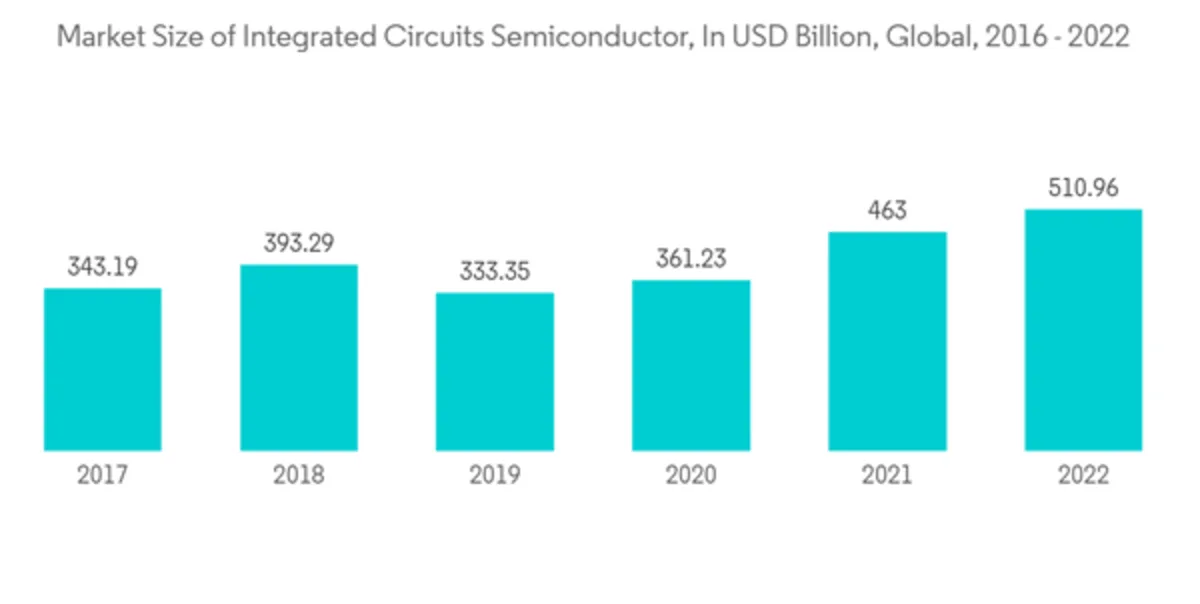
The reason Samsung is retreating from its free storage upgrade promotion is not subtle: memory chip costs have exploded, and the mobile division can no longer subsidize them at scale without bleeding. According to Counterpoint Research data cited by industry sources, memory prices jumped 40–50% in Q4 2025, kept climbing in Q1 2026, and are projected to rise another 20% in Q2. Those percentages are more than background noise—they directly inflate the bill for every extra 256GB Samsung gives away. For several Galaxy S and Z cycles, the company absorbed the full cost of that larger flash chip during pre-orders. That generosity hit a wall as analysts now estimate the Mobile Experience division may have posted an operating loss of roughly 1.5 trillion won in Q2, potentially its first quarterly deficit. The irony is obvious: Samsung’s chip arm benefits from this memory supercycle, while its phone business pays for it in red ink. Pulling back to a 50% subsidy on the Galaxy Z Fold 8 storage upgrade is less about short-term penny-pinching and more about survival in a component market that has turned hostile to high-capacity bundles.
From universal perk to uneven privilege
What makes this shift more frustrating for buyers is not only the cost, but the uncertainty. The beloved Samsung pre-order promotion of free double storage started with the Galaxy S23 and ran across subsequent Galaxy S and Z launches, winning consistent praise from early adopters. Yet with the Galaxy S26 cycle, cracks appeared: the full upgrade was confirmed in parts of Europe and Asia, while buyers in other regions were initially left out before the offer rolled out unevenly. That patchwork approach signaled that the perk was already under strain. Now, for the Galaxy Z Fold 8 and its siblings, the reported 50% subsidy deepens this fragmentation. It remains unclear whether the reduced benefit will apply globally or only in some markets, and whether all three foldable models share identical terms. Samsung’s spokesperson has declined to confirm the exact figure, and the real details will only surface once official pre-order pages go live after the July 22 Unpacked event. In practical terms, that means some customers may still enjoy full upgrades, while others pay half the storage premium—an inconsistent experience that undermines the simplicity and fairness that helped the promotion stand out.
What this means for foldable buyers right now
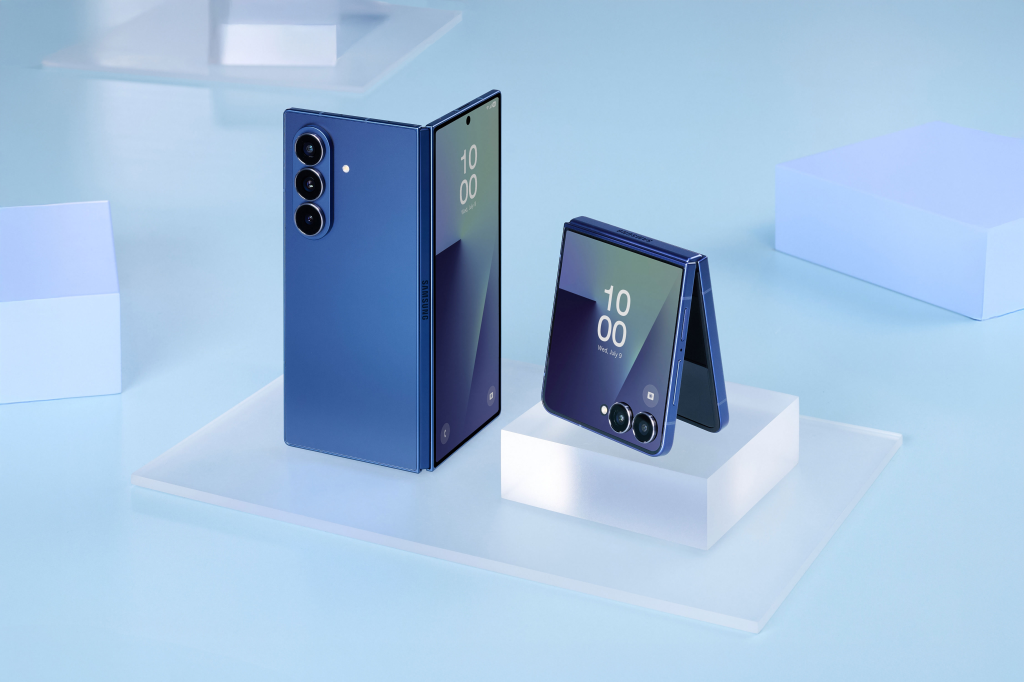
For anyone eyeing a Galaxy Z Fold 8 or Flip 8, the impact is straightforward: there is now a real storage upgrade cost where there used to be none, and that cost lands on the most expensive phones Samsung sells. Based on Korean S26 pricing, the move from 256GB to 512GB could mean around 126,500 won out of pocket under the reported 50% subsidy. The free upgrade once turned the decision to go for 512GB into an automatic choice; adding that bill revives the old debate about how much storage you can live with. The pain does not stop at storage. Industry sources expect the new foldables to launch at higher base prices, continuing the trend seen with the Galaxy S26, where 256GB and 512GB models were raised by 99,000 won and 209,000 won compared with the previous generation. Higher starting prices plus weaker pre-order incentives make these foldables a tougher sell for early adopters who are used to headline perks as compensation for paying day-one premiums. Unless Samsung adds stronger trade-in credits or other benefits when pre-orders open between July 28 and August 3, many buyers will be forced to rethink whether first-wave bragging rights are worth more than waiting for later discounts.
A warning shot for the entire premium smartphone market
Samsung’s retreat on the Galaxy Z Fold 8 storage upgrade is not an isolated marketing tweak; it is a visible example of how component inflation is rewriting the rulebook for premium smartphones. Memory costs have surged across three quarters, and the old tactic of throwing in more storage to sweeten launch prices has become financially dangerous. The free double storage program once served as the most obvious offset to creeping flagship costs, softening consumer backlash when phone prices climbed. Pre-order incentives do more than reward early buyers—they help set the tone for a launch, signaling how generous or stingy a brand is willing to be. Replacing a free upgrade with a 50% subsidy sends a clear signal: the era of easy extra storage on top-tier phones is ending, at least while memory chips stay this expensive. Other manufacturers watching the same DRAM and flash graphs will draw similar conclusions. Foldable phone pricing is now shaped as much by semiconductor cycles as by design or camera specs, and marketing teams are being forced to trade feel-good perks for balance-sheet realism. Buyers should expect future flagships across the industry to rely less on “free” capacity and more on careful, sometimes painful, trade-offs.