
The New Mid-Range Benchmark: 10,000mAh and Beyond
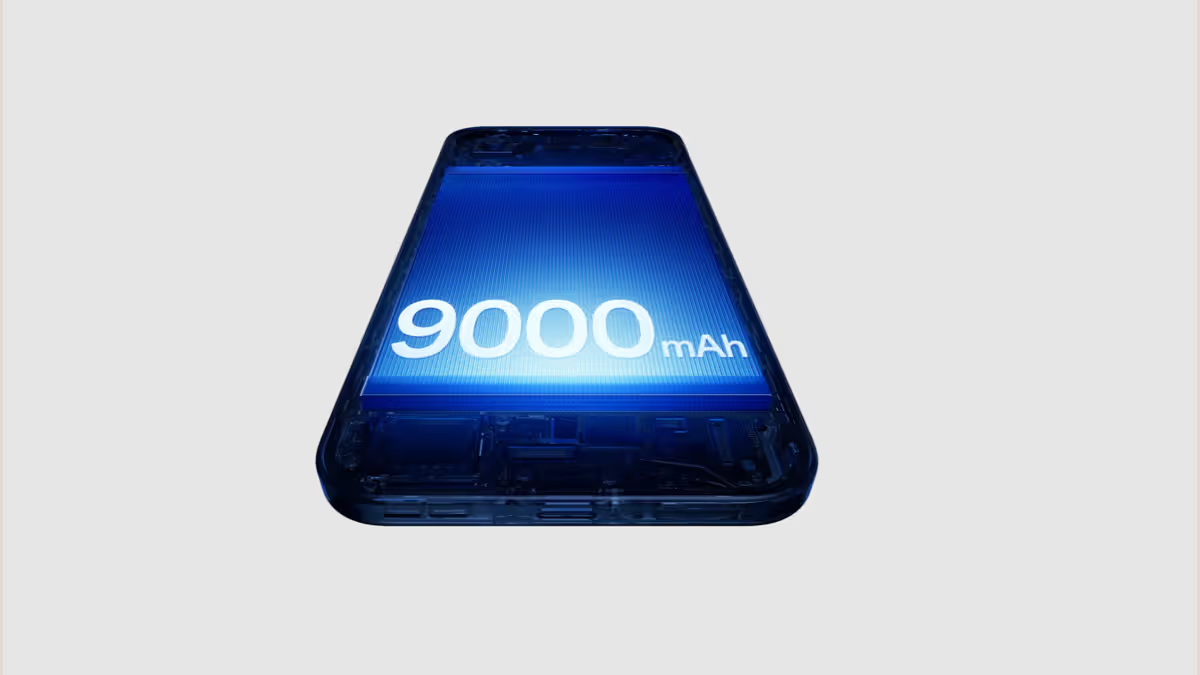
The shift toward 10,000mAh battery phones in the mid-range segment refers to a new class of devices whose battery capacity far exceeds the traditional 5,000–6,000mAh standard, pairing these larger silicon-carbon cells with fast charging technology and slightly streamlined hardware so everyday users can expect multi-day endurance without giving up the affordable pricing and feature balance that define mid-range smartphones battery expectations. This is not a minor spec bump; it is a deliberate redefinition of what a mid-range phone is supposed to do. According to a Chinese leak, OPPO and OnePlus are now working on smartphones with 10,000mAh or larger batteries for their non-flagship lines, signaling that ultra-high capacity will no longer be reserved for niche or ultra-premium devices. Honor and Realme have already shipped 10,000mAh-class phones, and more brands are lining up, turning battery life into the new battleground.
OnePlus, OPPO, iQOO, Redmi: Different Roads to the Same Mega-Battery Goal
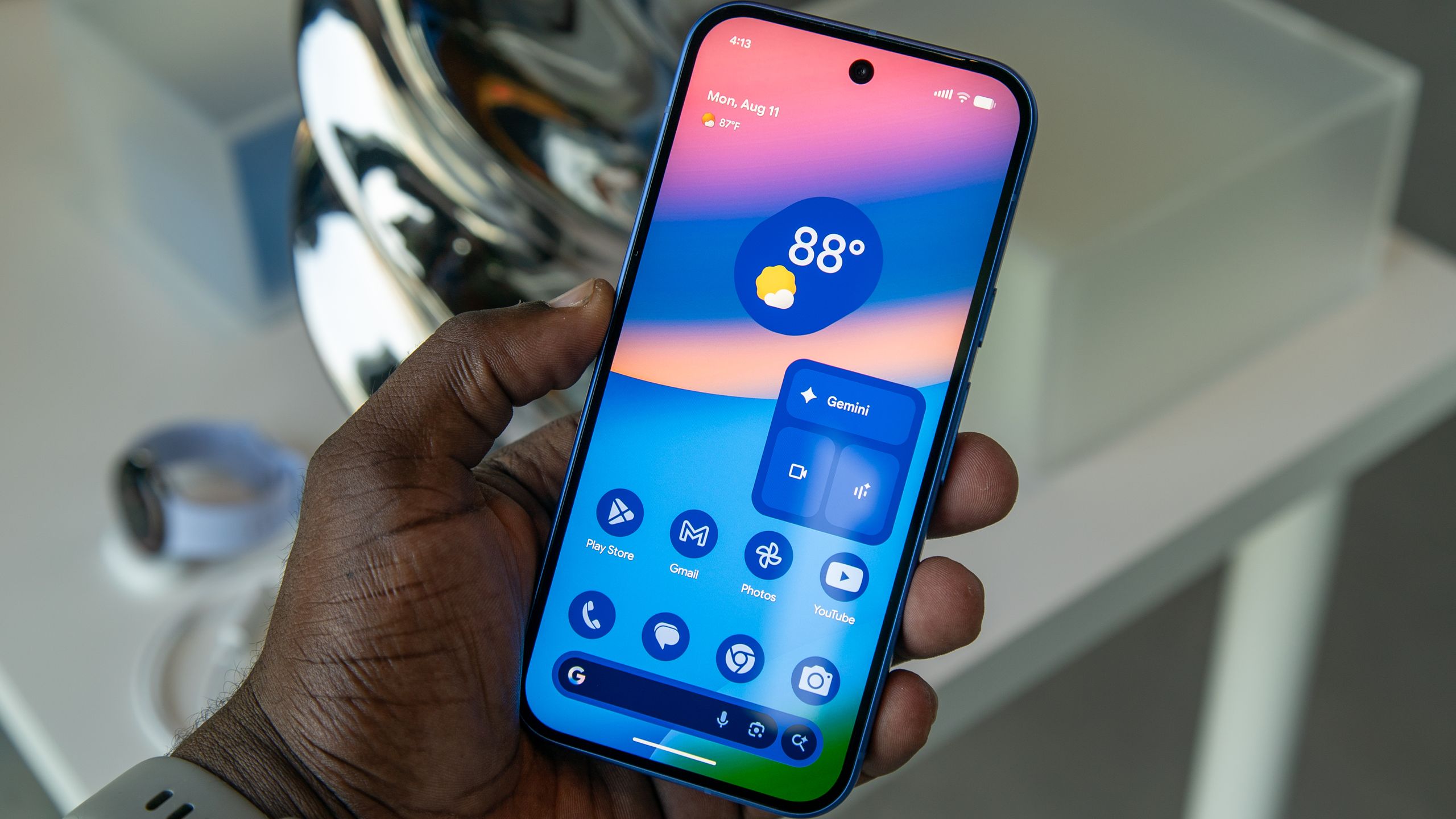
The most telling sign of a real shift is who is joining the race. Chinese tipster Digital Chat Station claims OPPO is developing a new mid-range smartphone with a 10,000mAh single-cell battery, while OnePlus is said to be testing a mid-range model that could launch next year with a battery exceeding 10,000mAh. These moves build on OPPO’s current 7,500mAh champion, the Find X9 Pro, and OnePlus’s Nord 6, which already pushed to 9,000mAh with 80W charging support. Meanwhile, leaks suggest iQOO is testing batteries from 8,500mAh up to 10,000mAh for the iQOO 16, Neo 12 and Z12 Turbo, showing its intent to stretch battery life across performance tiers. On the Redmi side, reliable insider @DigitalChatStation revealed on July 16 that Xiaomi is advancing the launch of the Redmi K100 series, pairing an 8,000mAh+ battery with top-end Snapdragon 8 Elite silicon and 100W wired fast charging. These strategies differ on performance and camera priorities, but they all bet heavily that endurance sells.
From One-Day Phones to Power Bricks: What 10,000mAh Means in Real Life
For ordinary users, the practical impact of 10,000mAh batteries is simple: you charge less and worry less. A 10,000mAh battery can significantly reduce charging frequency, especially for heavy users, travellers and gamers, transforming battery anxiety into battery surplus. That matters more now that many people rely on their phones for navigation, work chats, and streaming. But capacity alone does not guarantee a good experience. Processor efficiency, software optimisation, charging speeds and overall weight still decide whether the phone feels like a modern daily driver or a portable power bank with a screen. Crucially, fast charging technology is rising alongside capacity. The Redmi K100 series is widely believed to support 100W wired fast charging and 50W wireless charging, combining massive batteries with quick top-ups to handle a core pain point among power users. In practice, that means you can burn through a long gaming session and still refuel rapidly before heading out.
Why Mega Batteries Now? Silicon-Carbon, Cost Pressures, and Feature Trade-Offs
This battery arms race is not happening in a vacuum. Smartphone brands are facing higher memory prices, which make devices more expensive to build, so many manufacturers are trimming costs elsewhere by using less powerful chipsets, cutting rear cameras, or bringing LCD panels back into the mix. In other words, some traditional spec bragging points are being quietly dialed down. Battery technology is moving in the opposite direction. Silicon-carbon batteries can store considerably more power without making phones dramatically thicker, and the technology is becoming cheaper to produce. That has turned large batteries into one of the few hardware upgrades that brands can still deliver across price segments without breaking their budgets. When combined with fast charging technology like 100W wired and 50W wireless solutions in devices such as the upcoming Redmi K100 series, manufacturers can present a clear, easy-to-understand benefit: longer life, shorter top-ups, and fewer compromises for demanding users.
Flagship Features Trickle Down—and How You Should Think About Your Next Upgrade
What we are watching is flagship-grade endurance and charging migrating into mid-range pricing. The Redmi K100 series is set to reaffirm Xiaomi’s competitive edge in the flagship segment by offering top-tier hardware for both large-screen and midsize form factors, including its massive battery capacity, 100W wired and 50W wireless fast charging, 3D ultrasonic fingerprint scanning, and advanced waterproofing. At the same time, OPPO, OnePlus, iQOO, Redmi and others are bringing similarly bold battery specs into phones that sit below traditional ultra-premium territory. For buyers, the lesson is: do not upgrade for capacity alone. If you already own a phone with good battery life, there is little reason to chase a few extra hours just because 10,000mAh sounds impressive. But if your current device struggles to last a day, and you care about fast charging and reliable endurance, the next wave of mid-range smartphones battery designs could finally make your next upgrade feel less like a compromise and more like a smart, long-term investment.

![[Digital Walker] OnePlus Nord 6 | Shopee Philippines](https://img.milik.ai/product/2026/07/20/a5d57d2b-c1e5-4b21-adc2-85d7ef2b6924.jpg)