
Apple’s Mac Processor Roadmap, Redefined
Apple’s reported decision to ship only baseline M6 chips, skip M6 Pro and M6 Max, and move its higher‑end lineup straight to M7—with an M7 Ultra capable of up to 1.5TB of unified memory—marks a sharp break in the Mac processor roadmap that will reshape how power users plan upgrades, evaluate performance, and think about long‑term value. This is not a quiet, incremental tick‑tock. It is Apple saying the real action for demanding workloads will begin with M7, not M6. Apple reportedly started taping out its M7 designs six months after M6, with M6 Macs due this year and M7‑based Macs expected in the first half of 2027. In practical terms, that compresses the relevance of M6 and pushes serious buyers to look ahead instead of treating every new chip as a must‑buy milestone.
The M6 Generation Skip: A Short Shelf Life by Design
Apple is reportedly planning to release only baseline M6‑series processors and move directly to M7 for its higher‑end models, explicitly skipping M6 Pro and M6 Max. That means the M6 machines arriving this year are, by design, a transitional class. M6 does bring a meaningful Mac memory upgrade, with an upgraded memory architecture, a new Neural Engine, and notable GPU changes. Bandwidth reportedly rises to around 200 GB/s, up from the M5’s 153 GB/s. But the roadmap tells you how long Apple expects that to feel “current.” M7‑based Macs are reportedly set to launch in the first half of 2027, with M7 Pro and M7 Max later that year and M7 Ultra in 2028. In other words, anyone buying an M6‑powered system is stepping into a generation Apple already plans to leapfrog for serious performance work.
Inside the M7 Ultra Memory Leap
The headline change is unified memory: Apple’s M3 Ultra supports up to 512GB, while the upcoming M7 designs are built to support configurations with up to 1.5TB—a 3x increase. According to Mark Gurman, “The M7 Ultra is designed to support as much as 1.5 terabytes of memory — double the capacity planned for the M5 Ultra.” The M5 Ultra itself is reportedly set to allow up to 768GB of unified memory, making the top‑end M7 Ultra a 2x jump even over that if Apple ships the full 1.5TB configuration. Memory bandwidth is rising in lockstep: M7 is expected to deliver around 240 GB/s, compared with 200 GB/s on M6 and 153 GB/s on M5. That combination of more capacity and more bandwidth is a clear signal: Apple’s risk‑taking here is aimed at heavy, memory‑intensive workloads that have outgrown the current ceiling.
What This Means for Everyday Mac Buyers
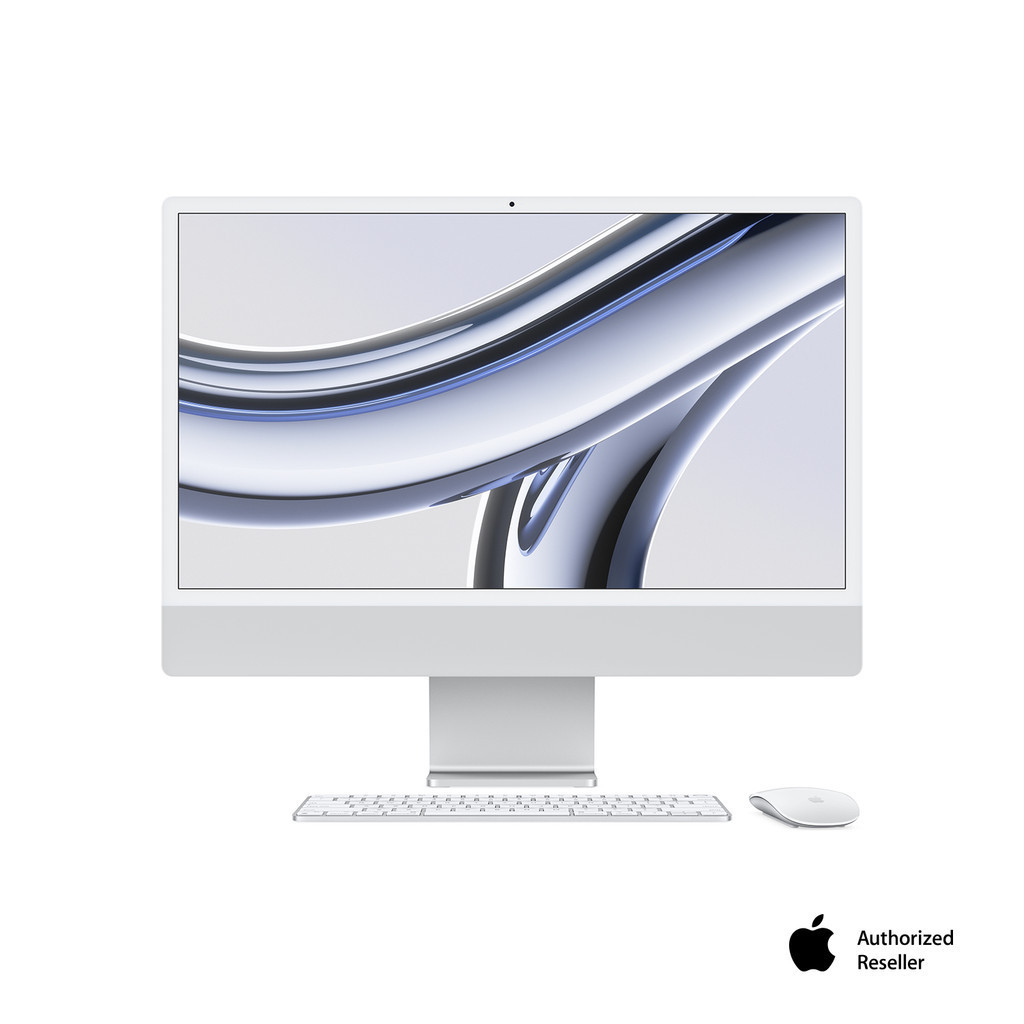
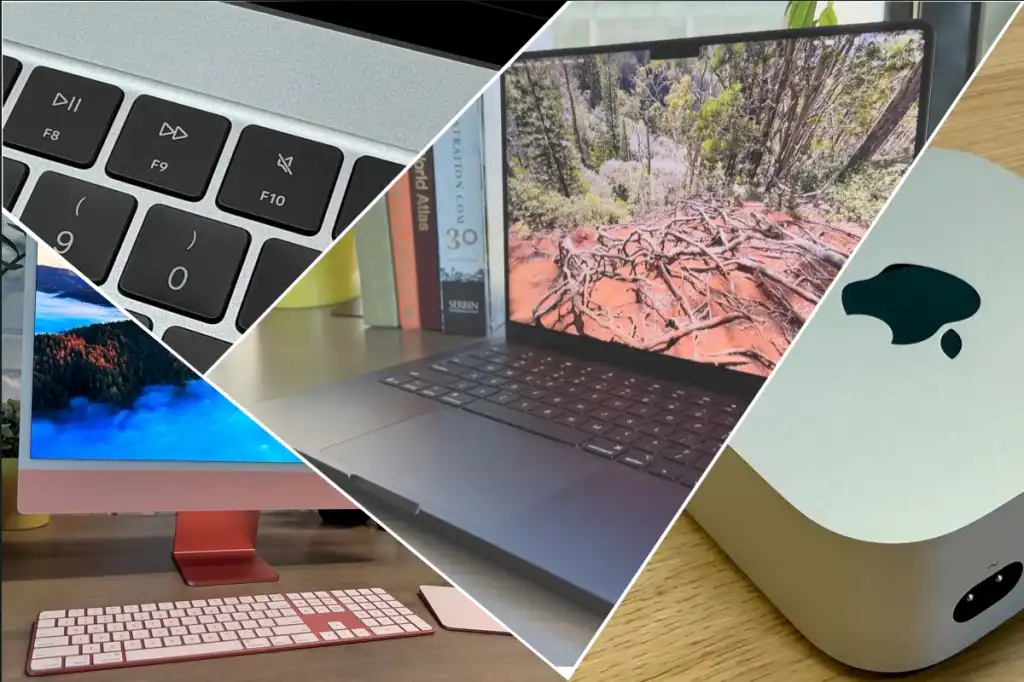
Most people deciding which Mac to buy do not need 1.5TB of unified memory, yet Apple’s roadmap still matters. Today’s mainstream desktop, the 24‑inch iMac, runs on an M4 chip and starts at USD 1,499 (approx. ₱84,000) for 16GB of memory and 256GB of storage. It is described as great for both novices and demanding users, able to handle general‑purpose and heavy‑duty tasks, and ideal if you want a complete setup in one device. However, the iMac’s price is seen as high compared to the specs, despite its admired design. A new M5 iMac is expected in 2026, meaning the desktop line is already on a different cadence from the high‑end M7 roadmap. For buyers who mostly browse, write, and edit photos, the looming M7 Ultra memory upgrade is more about future‑proofing than immediate necessity.
Looking Past M7: The Shape of Future Macs
Apple’s reported plan does not stop at M7. The company is said to be working on a future M8 CPU due in 2028 and using 1.4nm silicon. While specific improvements are unknown, continued focus on AI performance is considered likely. In the nearer term, M7 devices themselves are expected to emphasize on‑device AI, pairing strong Neural Engine upgrades with the memory bandwidth rise to around 240 GB/s. When you place that alongside the incremental desktop updates—like the move from M4 iMac today to a rumored M5 iMac in 2026—a pattern emerges. High‑end Mac buyers will increasingly live on a roadmap defined by AI and massive unified memory, while mainstream systems quietly inherit those gains over time. The smart takeaway is not to chase every chip name, but to match your workload to where Apple is clearly investing: memory architecture and AI‑ready silicon.