
$1,899 for a 4:3 Foldable: What the Leak Really Signals
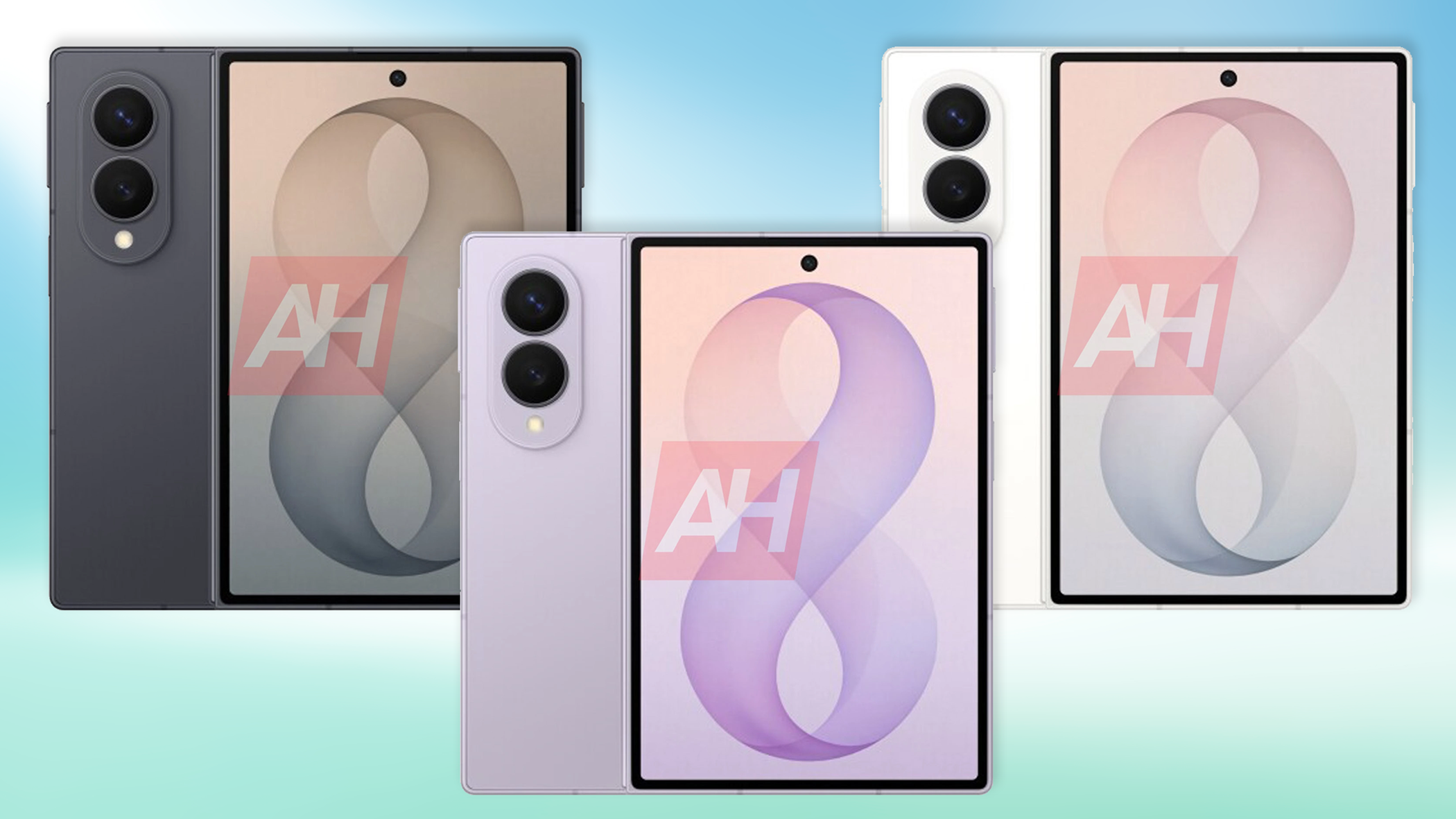
The Galaxy Z Fold 8 is a newly leaked premium foldable phone with a wider 4:3 inner display, a USD 1,899 (approx. ₱111,000) starting price, and a design aimed at bridging the gap between a conventional smartphone and a compact tablet in Samsung’s upcoming Galaxy Z8 series. That headline figure—USD 1,899 (approx. ₱111,000) for the base 256GB model with the new 4:3 main screen—instantly reframes expectations for top-tier foldables. It is still expensive, but it is no longer a niche experiment sitting above USD 2,000 (approx. ₱117,000) by default. Instead, Samsung is drawing a clearer line: you pay the traditional ultra-premium tax only if you reach for the Fold 8 Ultra. For buyers who care more about usability than maximum camera specs, the regular Z Fold 8 becomes the pragmatic entry point into large-screen foldables rather than a status object.
| Model | Starting Price (USD) | Positioning |
|---|---|---|
| Galaxy Z Fold 8 | 1,899 (approx. ₱111,000) | New wider foldable, tablet-like inner screen |
| Galaxy Z Fold 8 Ultra | 2,099 (approx. ₱123,000) | Top-tier performance and cameras |
| Galaxy Z Flip 8 | 1,099–1,199 (approx. ₱64,000–₱71,000) | Vertically folding compact phone |
The New 4:3 Screen Ratio: From Oddity to Everyday Tool
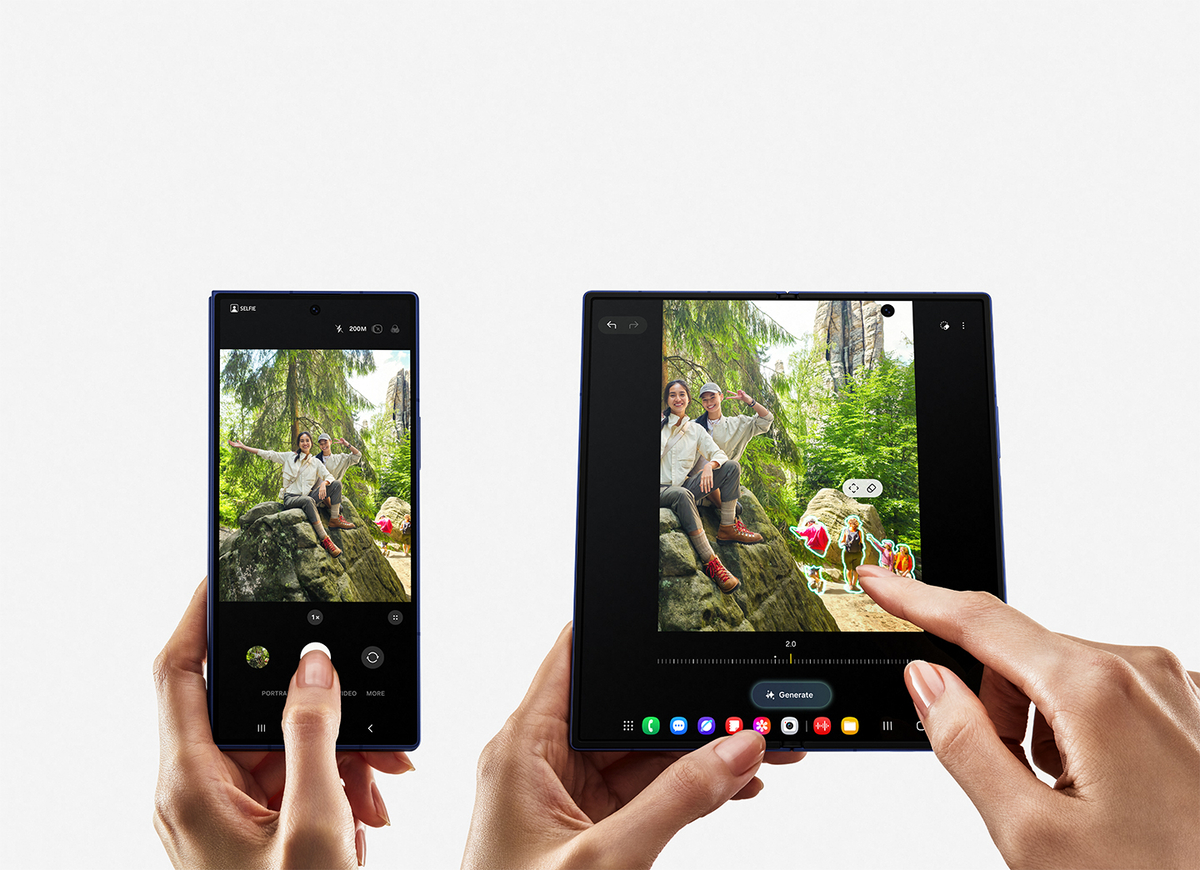
The most meaningful upgrade in the Galaxy Z Fold 8 is not a chip or camera—it is the shift to a 4:3 main display. When unfolded, the Z Fold 8 offers a 7.6-inch inner screen with a 4:3 ratio and a 5.5-inch 16:10 cover screen, making the device resemble a passport when closed and a small tablet when open. That is a deliberate correction of the Z Fold 7’s tall, narrow 21:9 cover panel and near-square 10:9 inner screen, which looked futuristic but felt awkward for everyday apps. Now, Samsung is conceding that people want their premium foldable phones to behave like familiar devices: a straightforward bar-style phone on the outside and a real tablet canvas inside. This is a design pivot, not a minor tweak. It turns the Z Fold 8 into a productivity-first machine—better for split-screen work, reading, and video—rather than a tech demo you have to adapt to.
Fold 8 vs. Fold 8 Ultra: Pricing as a Feature, Not a Footnote
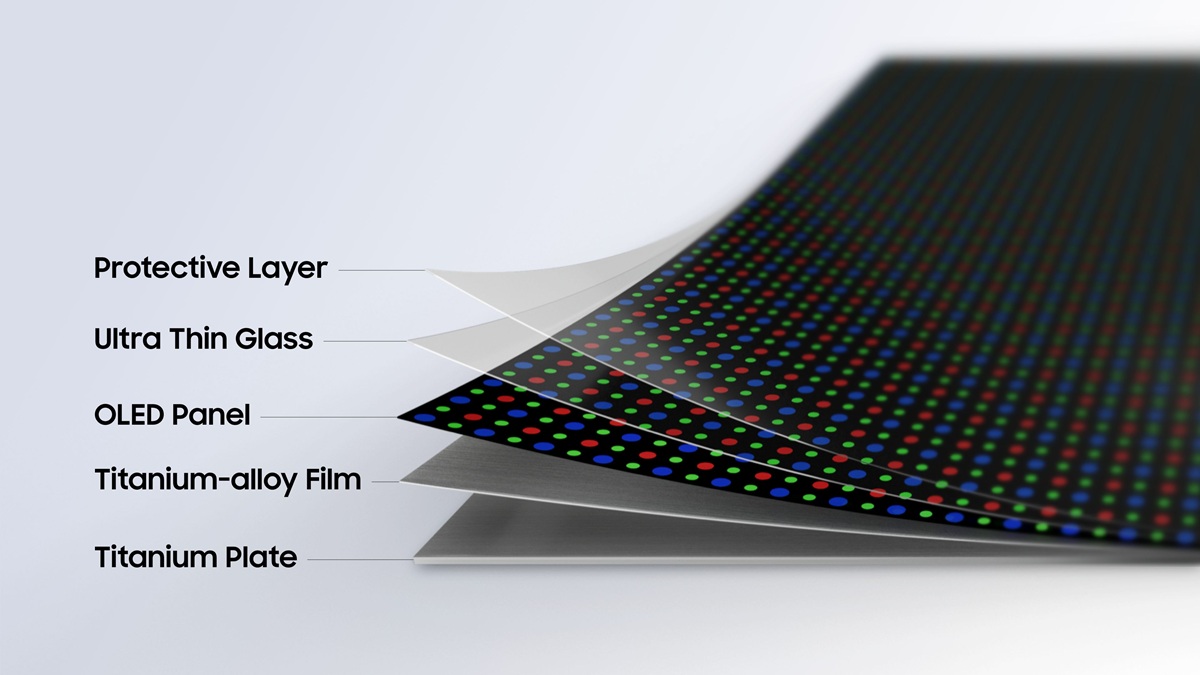
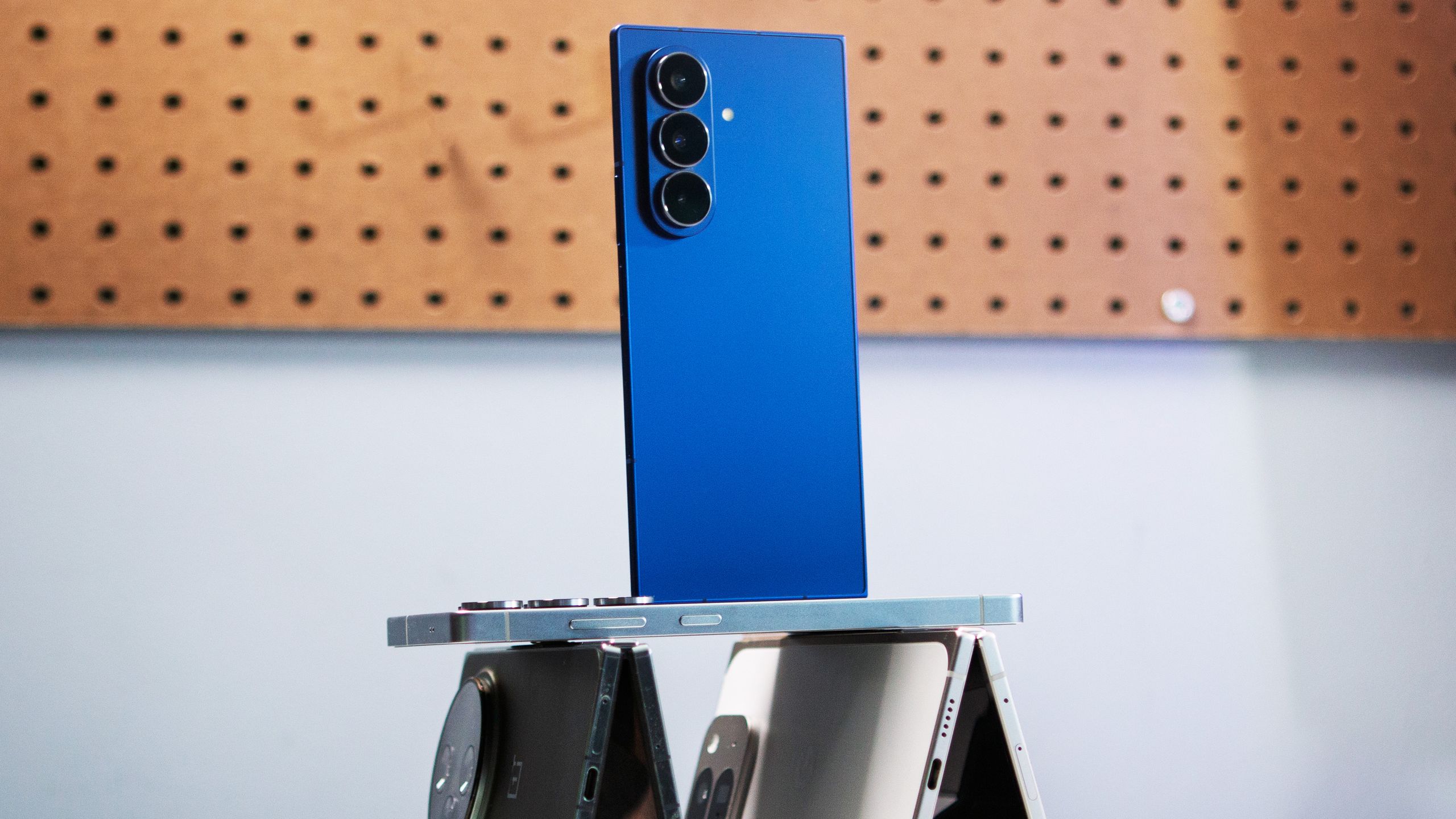
Samsung’s leaked pricing structure makes the Galaxy Z Fold 8 the gateway to big-screen foldables and reserves the Ultra badge for those willing to pay more for cameras and battery. The Fold 8 starts at USD 1,899 (approx. ₱111,000) with 256GB storage, Flex Titanium display tech, Snapdragon 8 Elite Gen 5, and up to 16GB RAM and 1TB storage. To cut the Samsung foldable cost, it drops to a dual rear camera setup—a 50-megapixel main lens and an ultra-wide lens—while keeping the performance story front and center. The Z Fold 8 Ultra, by contrast, is expected to start at USD 2,099 (approx. ₱123,000), about USD 100 (approx. ₱5,800) more than the Z Fold 7’s USD 1,999 (approx. ₱117,000) entry price, and roughly 5% higher overall. It brings a 200-megapixel wide lens, upgraded ultra-wide and telephoto cameras, a larger 5,000mAh battery, and sticks with the 6.5-inch 21:9 cover and 8-inch 10:9 inner display. In effect, pricing becomes a form of segmentation: the Fold 8 is the practical workhorse, the Ultra is the tech enthusiast trophy.
The Flip 8 and Samsung’s Bigger Strategy: Performance Over Experiments
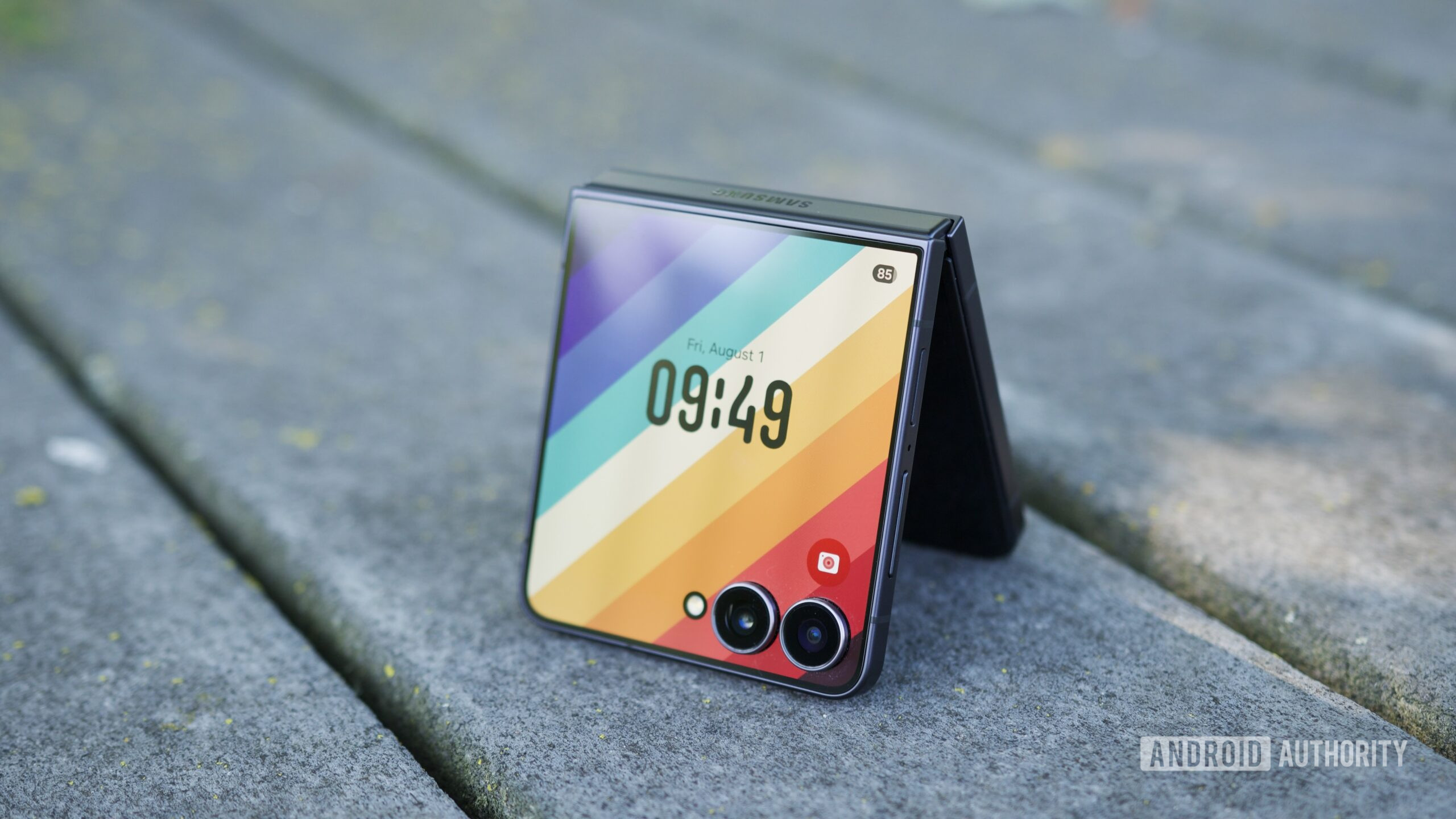
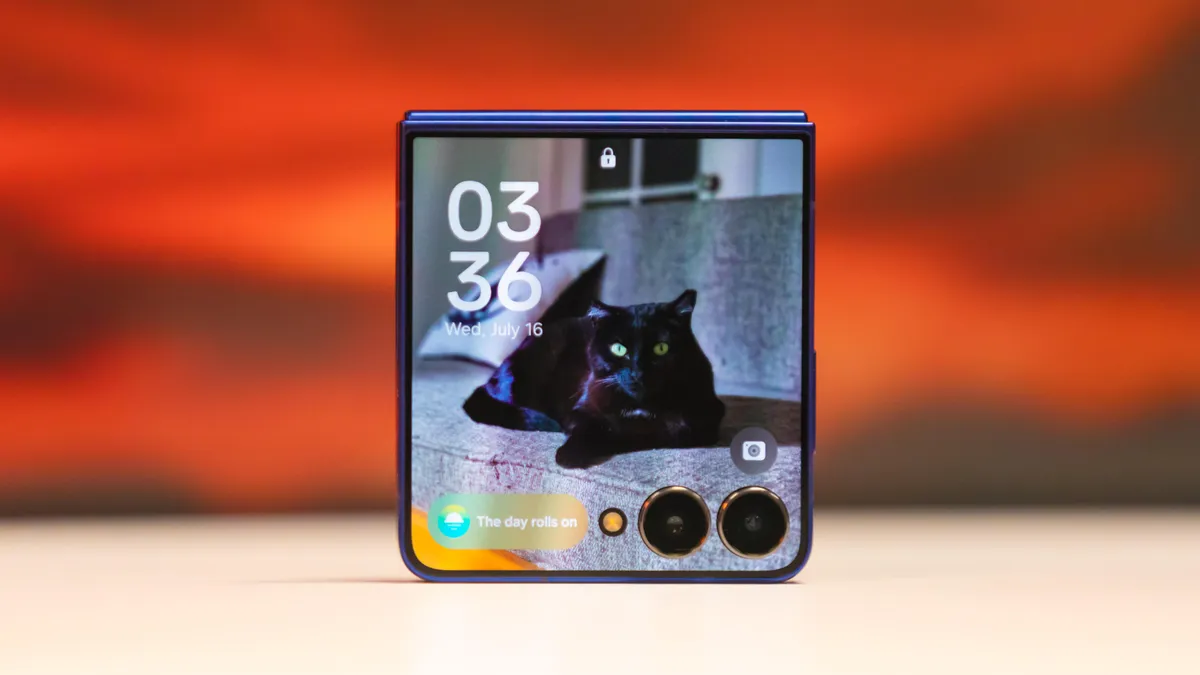
The Galaxy Z Flip 8 leak shows that Samsung’s foldable lineup is not all about headline prices; it is about a coherent range of premium foldable phones. The vertically folding Flip 8 succeeds the Flip 7, with a 4.1-inch cover screen, 6.9-inch main display, 12GB RAM, up to 512GB storage, and a 50-megapixel main plus 12-megapixel ultra-wide camera. Its expected price of USD 1,099 to USD 1,199 (approx. ₱64,000–₱71,000) keeps it within reach for buyers who want a stylish compact foldable without tablet ambitions. More telling is Samsung’s chip strategy: the Flip 8 uses Snapdragon 8 Elite Gen 5 or Exynos 2600 by region, echoing the standard Galaxy S26. Industry reporting notes that Snapdragon is typically seen as the better performer, and Samsung has been favoring it in its top-tier devices. This year, maximizing performance is described as a higher priority than internal business synergy, underscoring that these foldables are meant to be fast daily devices, not quirky side projects.
AI, One UI 9.0, and What the $1,899 Entry Point Means for Users
All three new Galaxy Z8 foldables will launch with One UI 9.0 based on Android 17 and support fresh AI agent features, including Google’s Gemini Intelligence and an "Ask AI" helper in the Samsung browser. One UI 9.0 will arrive first on the Z Fold 8, Z Fold 8 Ultra, and Z Flip 8, then roll out to older models like the Galaxy S26. That matters because the leaked Z Fold 8 price does not only buy hardware; it buys first access to Samsung’s next phase of AI-driven navigation, automation, and information tools. With the Unpacked event locked in for July 22 in London, consumers now have a clearer sense of what their money might secure. The Z Fold 8’s USD 1,899 (approx. ₱111,000) tag will not democratize foldables overnight, but it is a symbolic shift: the entry to tablet-style folding phones is finally below the Ultra tier, with a more useful 4:3 canvas and performance-first design. If Samsung sticks the landing, premium foldable affordability stops being a buzzword and starts being a real buying decision.