
The Pixel gaming performance bug that Google hasn’t killed
The Pixel gaming performance bug refers to widespread reports from Google Pixel owners of lag, stutter, and overheating while playing popular mobile games after updating to Android 17, issues that have persisted even after Google’s July Pixel update claimed to fix major system problems such as boot loops and app crashes. This is not a minor cosmetic glitch; it is a degradation that turns previously smooth titles into choppy, unstable experiences and raises hard questions about how seriously Google treats performance regressions on its own flagship hardware. The uncomfortable takeaway is clear: Google’s cleanup work for Android 17 is far from done, and gamers are paying the price first.
What the July Pixel update fixed—and what it left behind
On paper, the July Pixel update looks like a decisive response to Android 17 teething problems. Google describes it as the first monthly patch since Android 17 reached stable release, focused on reliability rather than new security fixes. The headline change is a system fix for devices that failed to start up or were trapped in repeated restart cycles, the dreaded boot loop that left some phones stuck on the Google logo and effectively unusable. The patch also tackles app crashes, widgets with incorrect colors or contrast, wallpaper visual glitches, and navigation button misalignment on the Pixel 10 Pro Fold. In other words, Google treated the obvious, high-impact bugs with urgency. But the company did not mention gaming performance at all, and that silence matters. When you push a major OS upgrade like Android 17—complete with features such as app bubbles, revamped one-time location permissions, and Screen Reactions—you owe users both stability and performance. Right now, Pixel gamers are getting only half of that promise.
Pixel gamers report lag, overheating, and a fix that never came
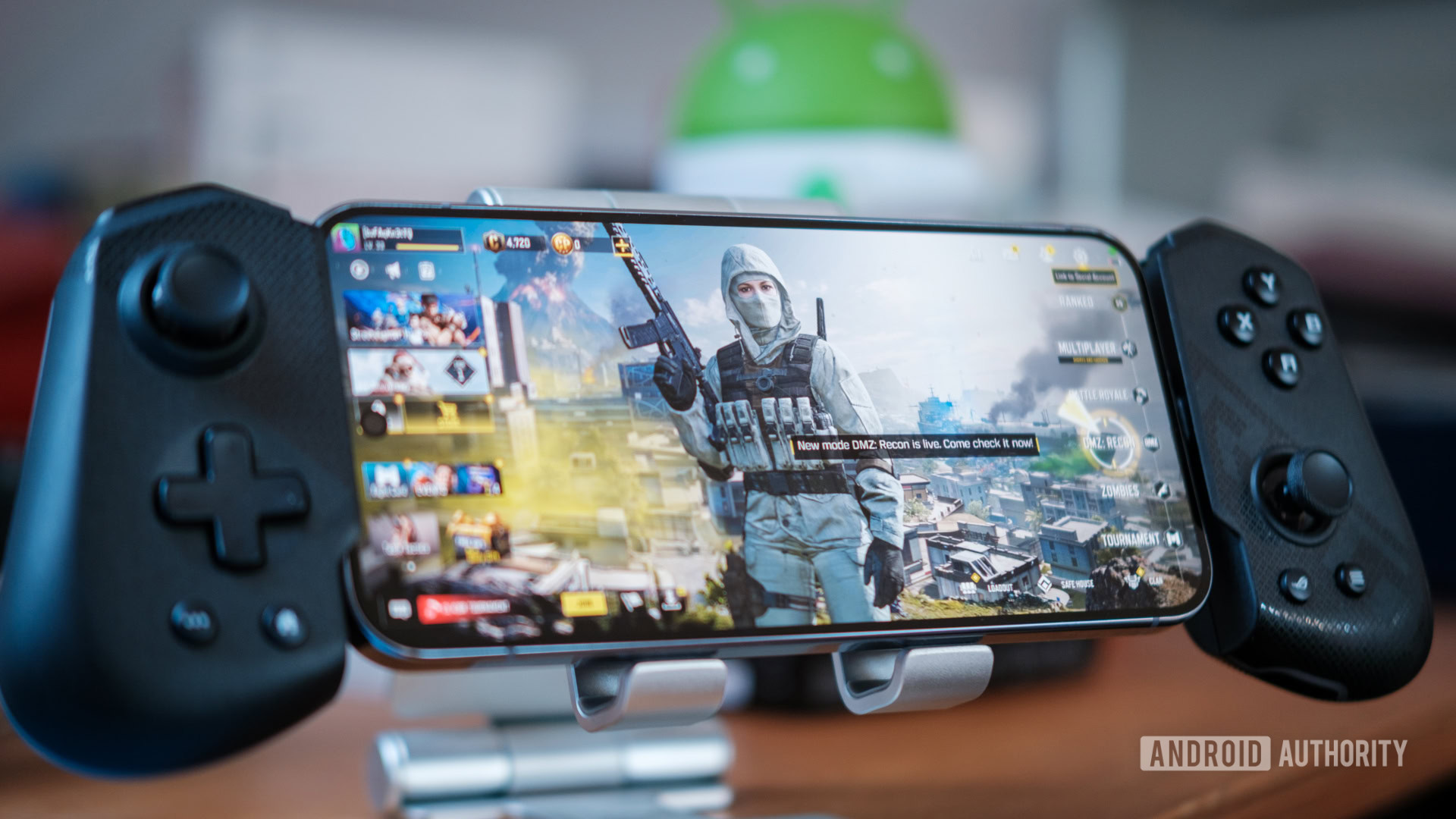
Despite the July patch, multiple Pixel owners say gaming performance has gone from flagship-grade to frustrating. A Pixel 10 Pro user reports “massive” performance issues during gaming after a recent update, with games remaining laggy even after closing other apps. Another user claims the June update “absolutely destroyed” gaming on their Pixel 10 Pro, specifically in Clash Royale, and that the July update did not fix the problem. Others are struggling with titles like Brawl Stars and Hill Climb Racing 2 across different devices. At least one person has also seen battery life decline and overheating after last month’s update, mirroring the broader complaints of battery drain and smaller performance issues that Google admits are still outstanding. Importantly, not every owner is affected; some report smooth gameplay. That split is its own warning sign: this looks less like isolated app bugs and more like a systemic performance regression that surfaces under certain hardware or configuration conditions. For a platform that is supposed to represent Android at its best, that’s inexcusable.
Why the gaming bug persists: priorities and hidden complexity
Google’s handling of Android 17 on Pixel devices shows where its priorities lie—and where they don’t. The company rushed to fix boot loops because those problems brick phones and generate immediate backlash. App crashes and display glitches also got attention, likely because they are easy to reproduce and clearly tied to system changes. Gaming performance, by contrast, is messy. It depends on thermal tuning, scheduler behavior, GPU drivers, and how individual games target specific chips. With Android 17 still settling in and quarterly cleanup work expected to continue, it’s credible that Google has not fully mapped the interactions that cause lag in games like Clash Royale and Brawl Stars. But this complexity doesn’t excuse the lack of direct communication or targeted fixes. When performance regressions are left in the “smaller problems” bucket, they stay invisible in official bulletins while being painfully visible to people who bought a Pixel expecting reliable gaming. The result is a growing gap between Google’s narrative of Android 17 stability and the reality on the ground.
Workarounds and next steps for affected Pixel owners
If you are dealing with the Pixel gaming performance bug today, there is no silver-bullet fix—but there are steps that can keep your phone usable while Google catches up. Start with basic Pixel device troubleshooting: update to the latest July system build and the newest Play System update, then test your usual games again. If your device is stuck in a restart loop after Android 17, you may need to use the Pixel Repair Tool, which can deliver a rescue update over USB-C without wiping personal data. For performance issues, try reducing graphics settings in individual games, disabling high-refresh modes, and monitoring temperature; these won’t solve the underlying bug, but they can reduce stutter and overheating. Document your experience—device model, game, OS build—and share it through official support channels and public forums, where complaints are already piling up. Some owners are still waiting for fixes to battery drain and performance problems, and Google’s own bulletin hints that more Android 17 cleanup work will arrive in future quarterly updates. The most pragmatic stance is skeptical patience: keep pushing for a real fix, but don’t assume the next patch will magically restore Pixel’s gaming credibility.
![[New Arrival] Google Pixel 10 Pro 5G Dual Sim Smart Phone | Shopee Philippines](https://img.milik.ai/product/2026/07/18/dec60457-f457-4221-93cf-4a49b5c25e81.jpg)