
Spotify Is Quietly Handing You the Steering Wheel
Spotify’s latest updates to Release Radar and genre filters mark a shift from pure algorithmic guessing toward user-directed, personalized music recommendations, giving listeners more control over what shows up in their weekly discovery feeds and reducing the frustration of irrelevant tracks that clutter playlists and waste listening time.
For years, Spotify Release Radar has acted like a weekly mixtape the algorithm hands you: a fresh playlist every Friday with up to two hours of music from artists you follow and other acts it thinks you might enjoy. That model works until it doesn’t—until one week is packed with random pop when you’re in a jazz phase, or your radar is hijacked by one-off curiosity listens. The new "session controls" and genre filters are Spotify’s quiet admission that the machine can’t fully read your mood, and that you need levers to pull yourself.
Release Radar’s New Controls: Tuning the Algorithm Instead of Fighting It
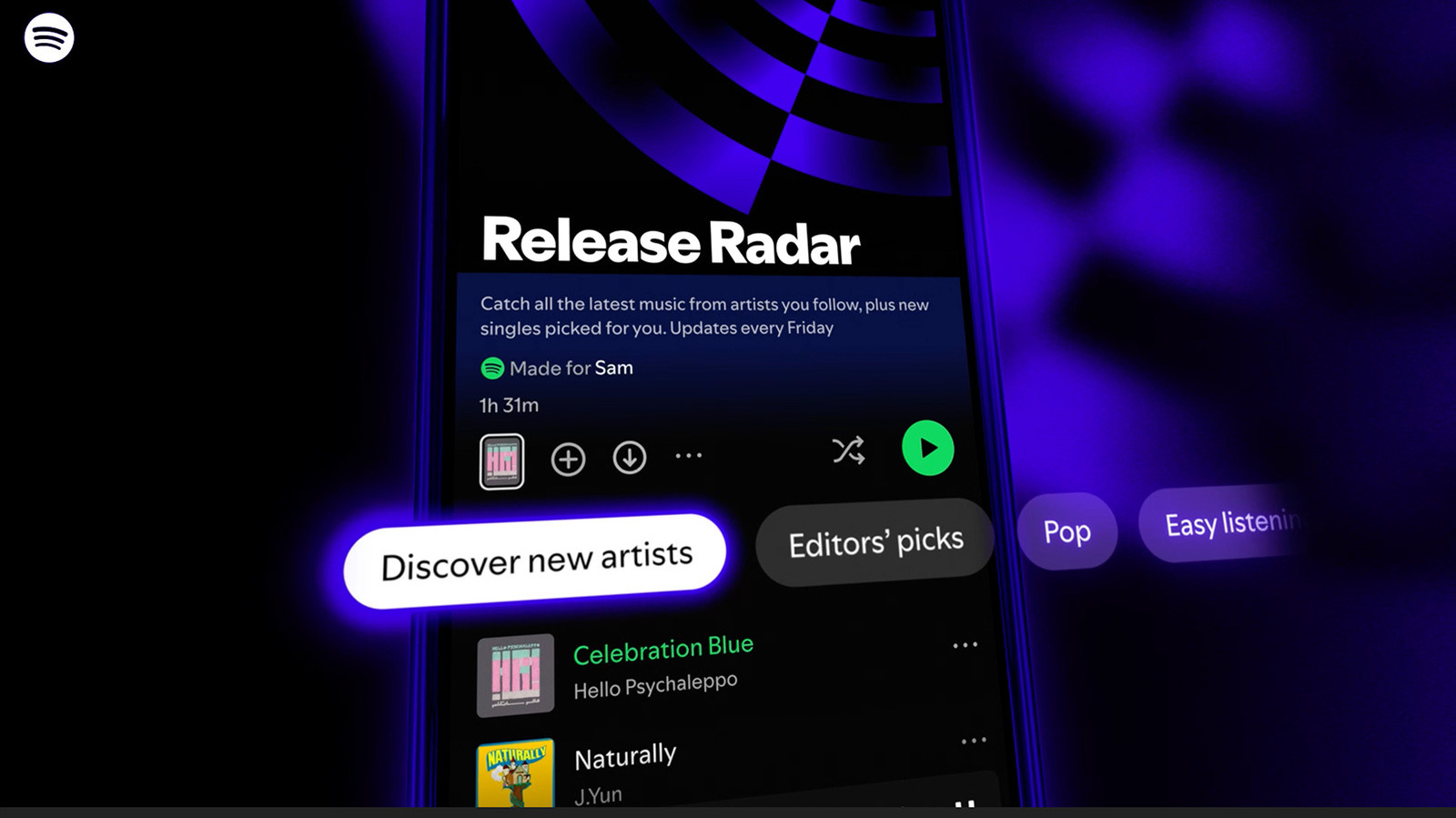
Release Radar is no longer a static “take it or leave it” playlist; it now ships with controls that let you shape what discovery means this week. At the top of the playlist on mobile and desktop, you’ll see up to five options, such as "Discover new artists," "Editors’ picks," "Easy listen," and genre labels like "Pop". These are not minor cosmetic additions—they’re explicit signals to the recommendation system about what you want right now.
When you tap one of these controls, you’re narrowing the firehose so Release Radar “can narrow down its recommendations and serve you with more music that might suit your taste.” In practice, that means fewer wild-card tracks and a higher ratio of songs you’re likely to save or replay. According to one report, "These new updates will let you fine-tune the playlist even further if you want to lessen the chances of getting tracks that you typically wouldn't like." This is Spotify conceding a simple truth: the best personalized music recommendations are co-created by you and the algorithm, not dictated by it.
From One-Word Genres to Action Phrases: Why Filters Started Talking Like You
On the discovery side, Spotify has been testing an overhaul of its genre and mood filters in playlists like Discover Weekly and Release Radar. Instead of dry, single-word tags such as "Hyperpop," "Dance," "Indie," "Electronica," or "R&B," some users are seeing longer, more conversational prompts like "Make it more dance," "Go deeper into indie," and "Lean into hyperpop." That change might sound cosmetic, but it matters: the filters become action-oriented, telling you what will happen to your feed when you tap.
There is a trade-off. Longer phrases take up more screen space, and you may need to swipe more to see the full set of up to five filters. Some listeners will see this as friction, others as clarity. But the intent is clear: genre filters are no longer passive labels; they’re small commands that invite you to sculpt your Discover Weekly filters and Release Radar sessions instead of letting the algorithm decide unchecked. In an era of opaque recommendation engines, even slightly wordy buttons that say what they’ll do are a welcome nudge toward transparent control.
Discover Weekly and Release Radar: Escaping the Default Algorithmic Mood
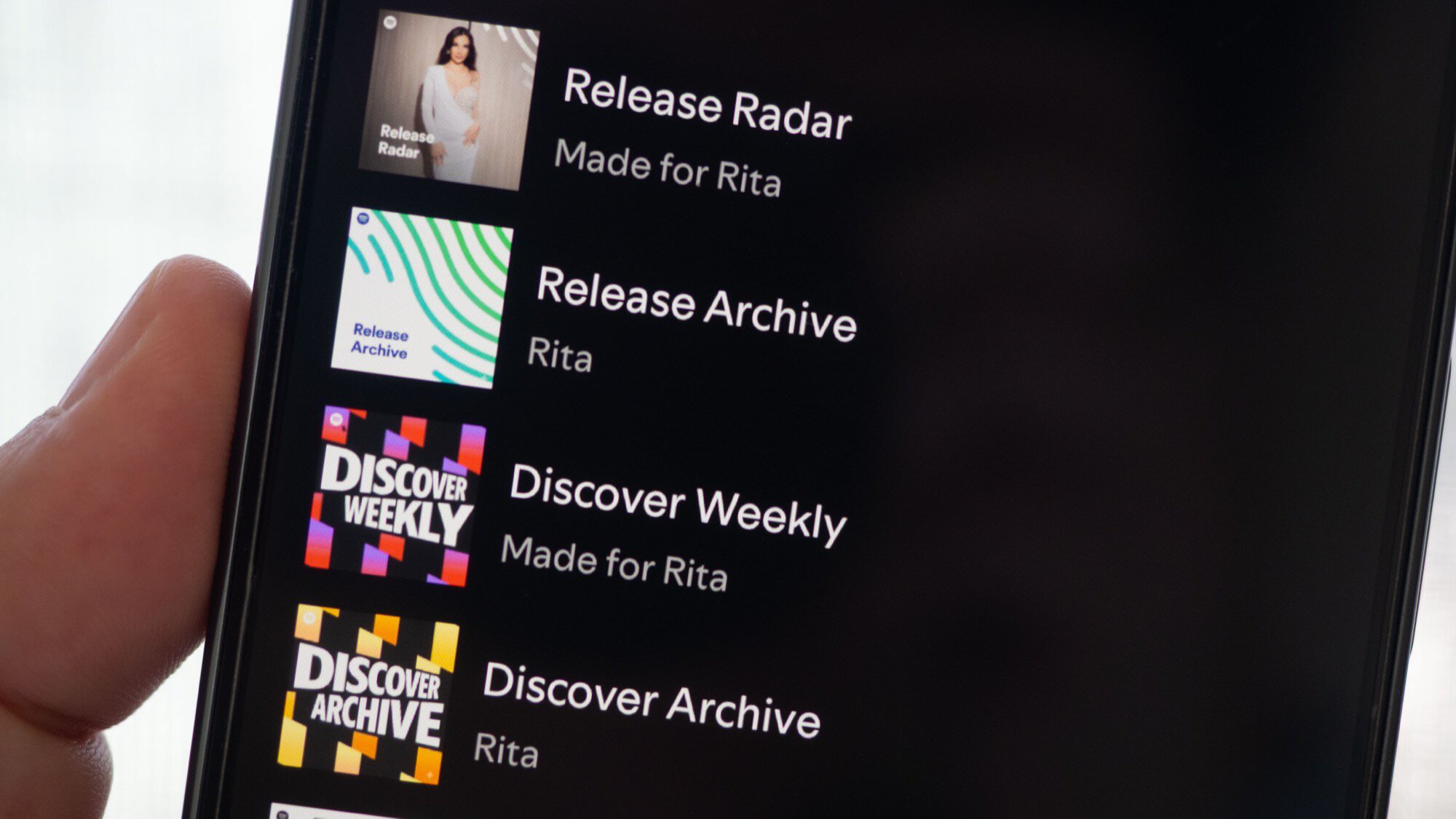
Discover Weekly and Release Radar have always been algorithm-first playlists, built from your listening history and opaque model decisions. The addition of genre/mood filters last year, and now these expanded phrasing tests and Release Radar controls, are slow but steady steps toward letting you escape that default algorithmic mood when it doesn’t fit. Instead of suffering through a mismatched recommendation cycle for days, you can tilt the playlist toward new artists, toward editorial picks, or toward laid-back listening in a single tap.
Practically, that means using these tools as micro-resets: reach for "Discover new artists" when your feed feels stale; pick "Easy listen" when you want background music; nudge "Make it more dance" when your week needs energy. The playlists still arrive on schedule—Release Radar drops every Friday with up to two hours of music—but now you can bend each session to your mood instead of letting yesterday’s listening quirks lock in today’s recommendations. If personalized music recommendations are going to define how we find new artists, listeners must have ways to steer, not only consume.
Why User-Controlled Discovery Should Be the New Normal
These changes are modest on the surface, but they point toward a healthier relationship between listeners and algorithm-driven discovery. By exposing session controls and turning genre labels into clear actions, Spotify is acknowledging that personalization is a two-way street, and that listeners deserve more than opaque black-box feeds. You still benefit from the underlying models, but you’re no longer stuck with whatever the machine decides on Friday morning.
If you care about algorithm control in music apps, this is the direction to watch. We should expect recommendation systems to listen when we say “more of this, less of that,” not only when we skip or like a track after the fact. Release Radar’s new controls and the evolving Discover Weekly filters move closer to that ideal by giving you quick, visible ways to fine-tune what you hear before you waste a session on misses. The message is simple: your playlists are not fixed products from an all-knowing machine; they’re tools you can shape. Use them that way.