

HDR gaming monitors: not eye candy, but performance tools
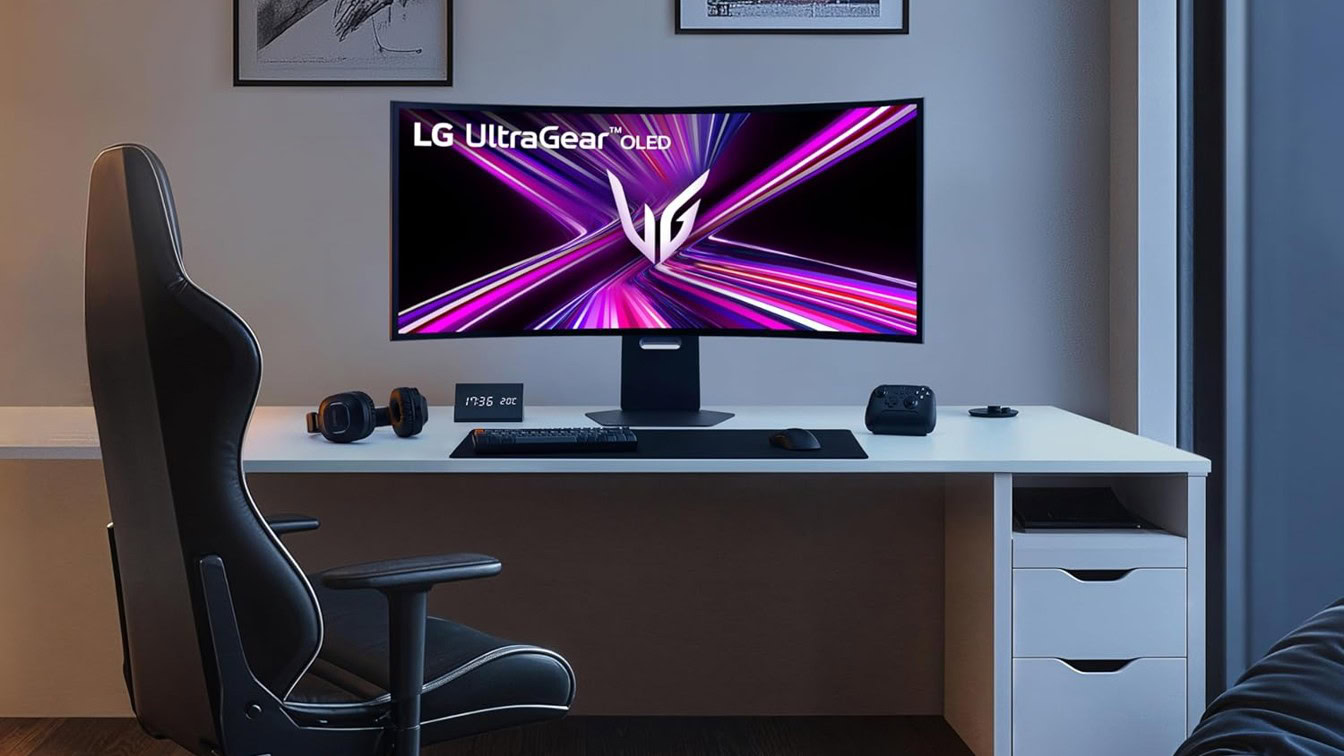
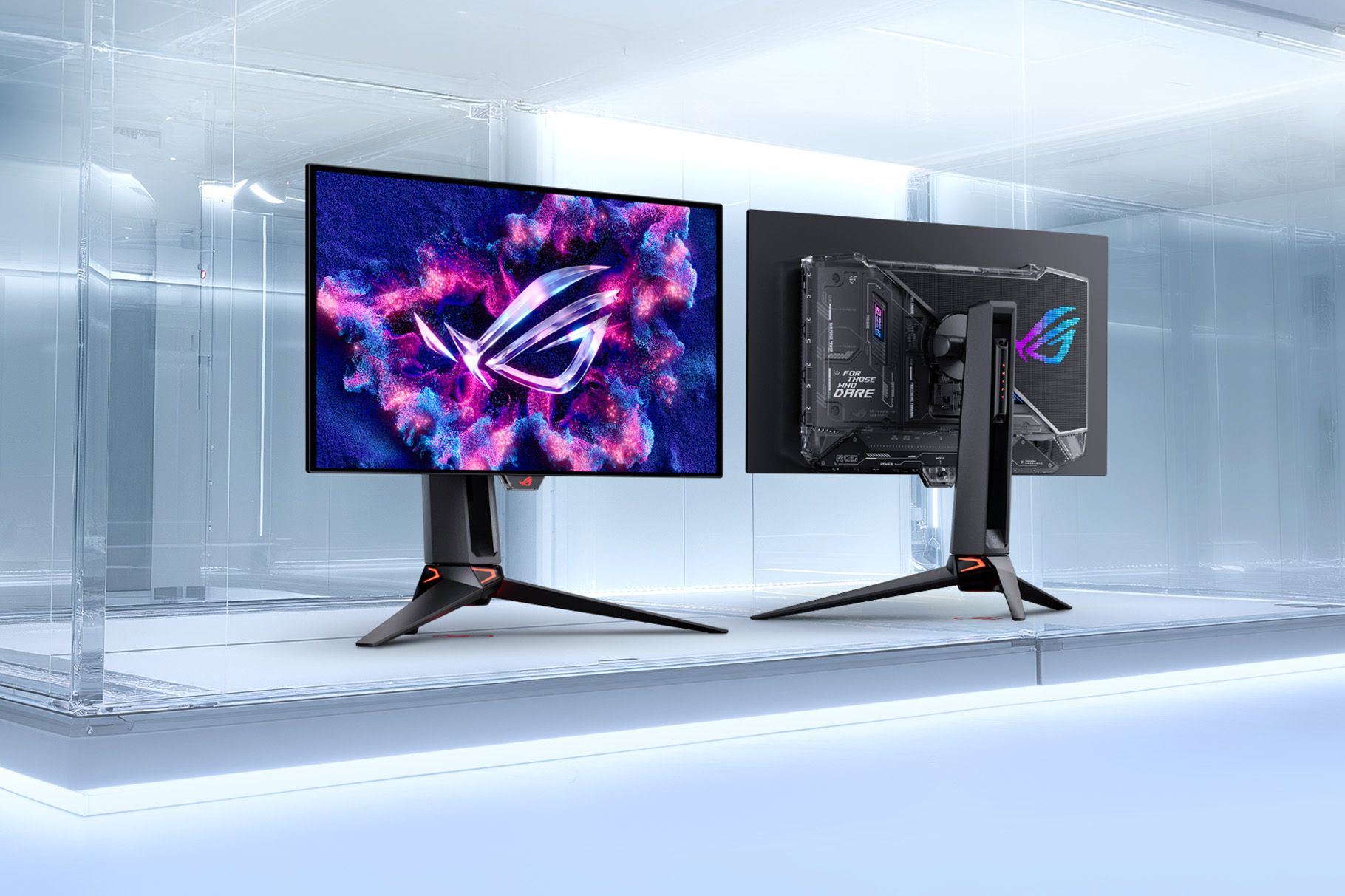
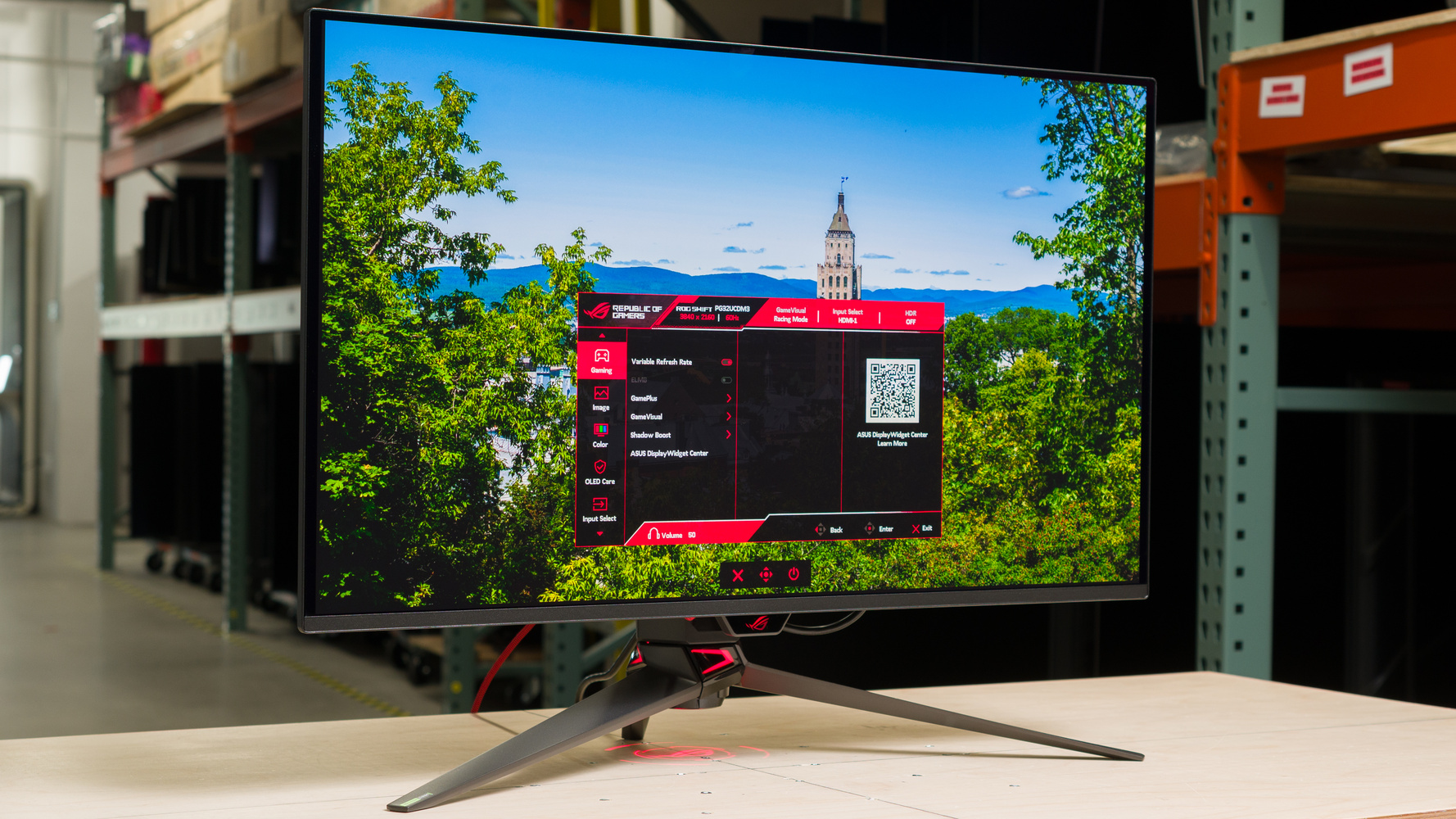
HDR gaming monitors are displays that combine high dynamic range processing with fast refresh rates and modern panel technology, allowing brighter highlights, deeper blacks, and more accurate color and contrast that can measurably affect player reaction time, win rate, and overall monitor performance in gaming scenarios across both casual and competitive play. This is not a cosmetic upgrade; it is a change in how much information your eyes and brain receive each frame. The key takeaway is blunt: if you care about winning, HDR and refresh rate now belong in the same sentence. Buying an OLED monitor with native HDR10 support was described as crossing off a major PC gaming wishlist item, yet the first impression under Windows HDR was inconsistent and often washed out. That disappointment is the starting point for a shift in thinking about gaming display technology.
Research: higher refresh, higher win rate
The clearest proof that display specs affect performance comes from refresh rate. A recent analysis by LG Display tested 31 adults with gaming experience on an FPS at 60 Hz, 240 Hz, 360 Hz, and 480 Hz. As frames increased, so did wins: the study found an average 38% boost in win rate going from 60 Hz to 480 Hz, 10% from 240 Hz to 480 Hz, and 5% from 360 Hz to 480 Hz. That is not a marginal gain; it is the difference between struggling and dominating lobbies. Reaction times also improved, and researchers noted that OLED monitors with higher refresh rates typically perform better than alternative panel types, even at the same frame count. In other words, the combination of high refresh and OLED characteristics changes how fast you can see and respond. For anyone who plays Valorant daily or drops into Mario Kart on weekends, this turns monitor performance in gaming from a luxury into a competitive asset.
Native HDR vs RTX HDR on OLED: inconsistent versus controlled
Where refresh-rate research gives hard numbers, HDR is exposing a more subtle but equally important gap. When an OLED monitor with HDR10 support was connected and Windows HDR enabled, some games looked fantastic, but many appeared flat, washed out, or even worse than SDR. The problem was not the OLED panel—OLED-tuned videos looked excellent—but wildly different native HDR implementations from game to game. To fix this, RTX HDR was enabled on the same RTX HDR OLED and native HDR in each title was disabled. The result was stark: RTX HDR produced richer, better-balanced colors, inky blacks with preserved shadow detail, and a sense of depth that matched expectations for an OLED gaming monitor. Across modern titles, RTX HDR either beat native HDR or matched already strong implementations, while in one game, Resident Evil Requiem, the two were visually indistinguishable, reinforcing that advanced HDR can equal or override native solutions rather than being a mere fallback.
The performance trade: frame loss versus clarity gain
No image-processing feature is free, and RTX HDR is no exception. On a system running a GeForce RTX 4070 Ti with a Ryzen 5 7600X at 1440p, RTX HDR consistently reduced frame rates compared with native HDR. Forza Horizon 6 dropped from 185 fps with native HDR to 158 fps with RTX HDR; Cyberpunk 2077 fell from 146 fps to 126 fps; Backrooms: Escape Together went from 127 fps to 112 fps; Resident Evil Requiem decreased from 125 fps to 108 fps. These are noticeable hits, especially for players chasing 240 Hz or above. Yet the opinion from real-world use is clear: the visual consistency and clarity made the trade acceptable, with all games remaining comfortably playable even with ray tracing enabled at the same presets. Crucially, RTX HDR solved the practical headache of wondering whether each new game’s HDR would be good, providing a single switch that delivered a reliable experience across the library.
Why HDR and refresh now belong in every competitive setup
Taken together, the data on refresh rates and the lived experience of RTX HDR on OLED point to a simple conclusion: gaming display technology is now a direct performance factor, not a decorative upgrade. High refresh rates drive measurable gains in win rate and reaction time, with a 38% average increase when jumping from 60 Hz to 480 Hz in one study. At the same time, inconsistent native HDR can undermine the advantages of an HDR gaming monitor, while RTX HDR gives those monitors the balanced contrast and color they were built to deliver. If you care about monitor performance in gaming, you should treat HDR capabilities and refresh rate as part of your skill budget. Resolution and settings matter, but being able to see clean highlights, deep blacks, and more frames per second decides how fast you spot threats and respond. The next competitive edge is not another aim trainer—it’s an HDR-optimized, high-refresh OLED that lets your reflexes work at full potential.