
Pixel 11 Pro Fold vs Galaxy Z Fold 7: The Short Answer
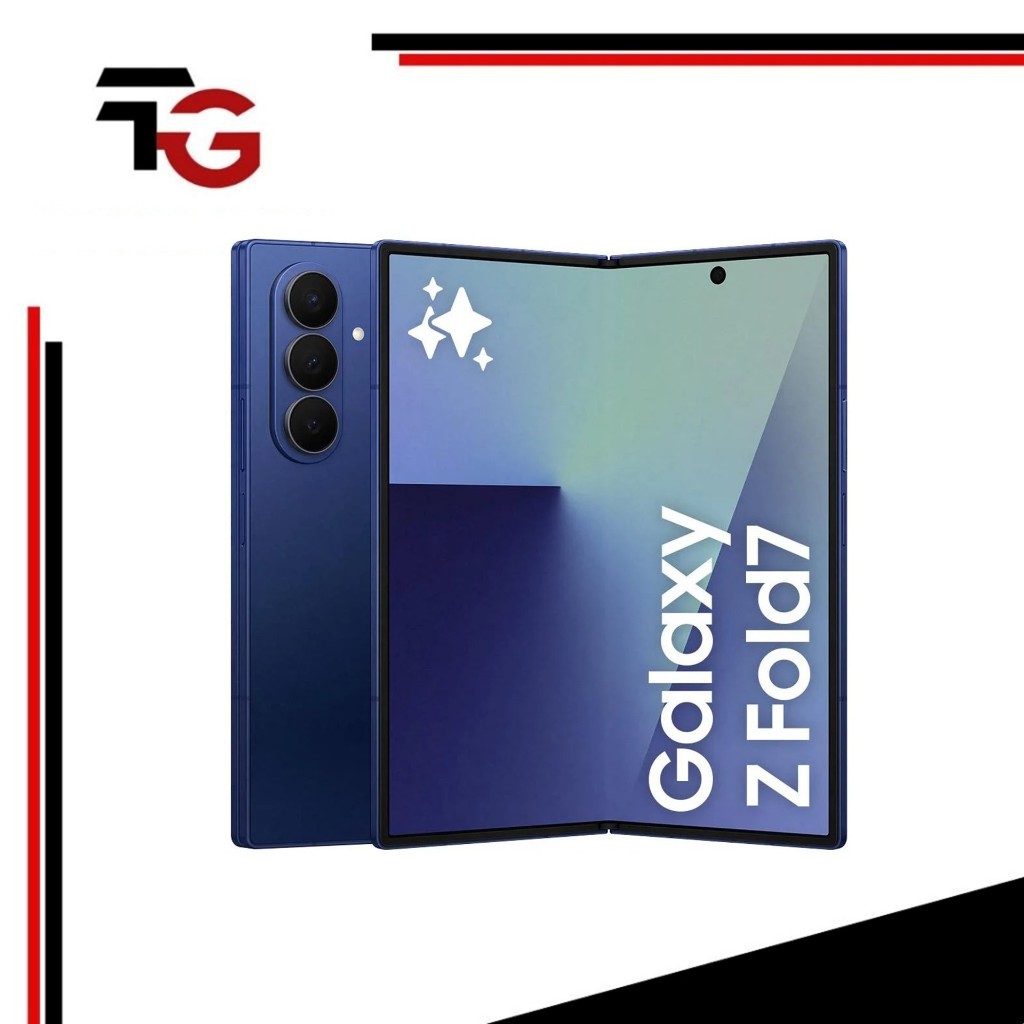
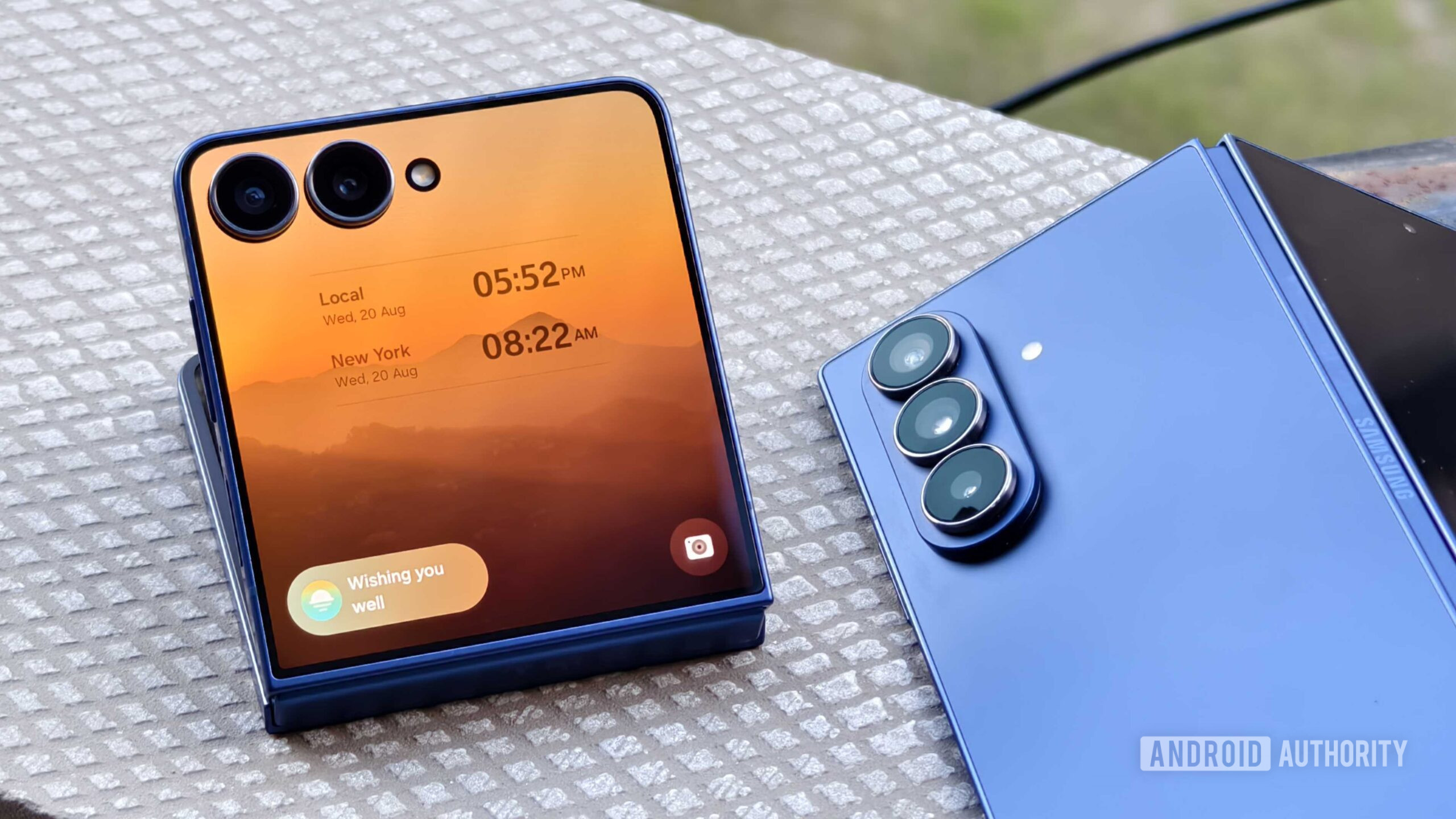
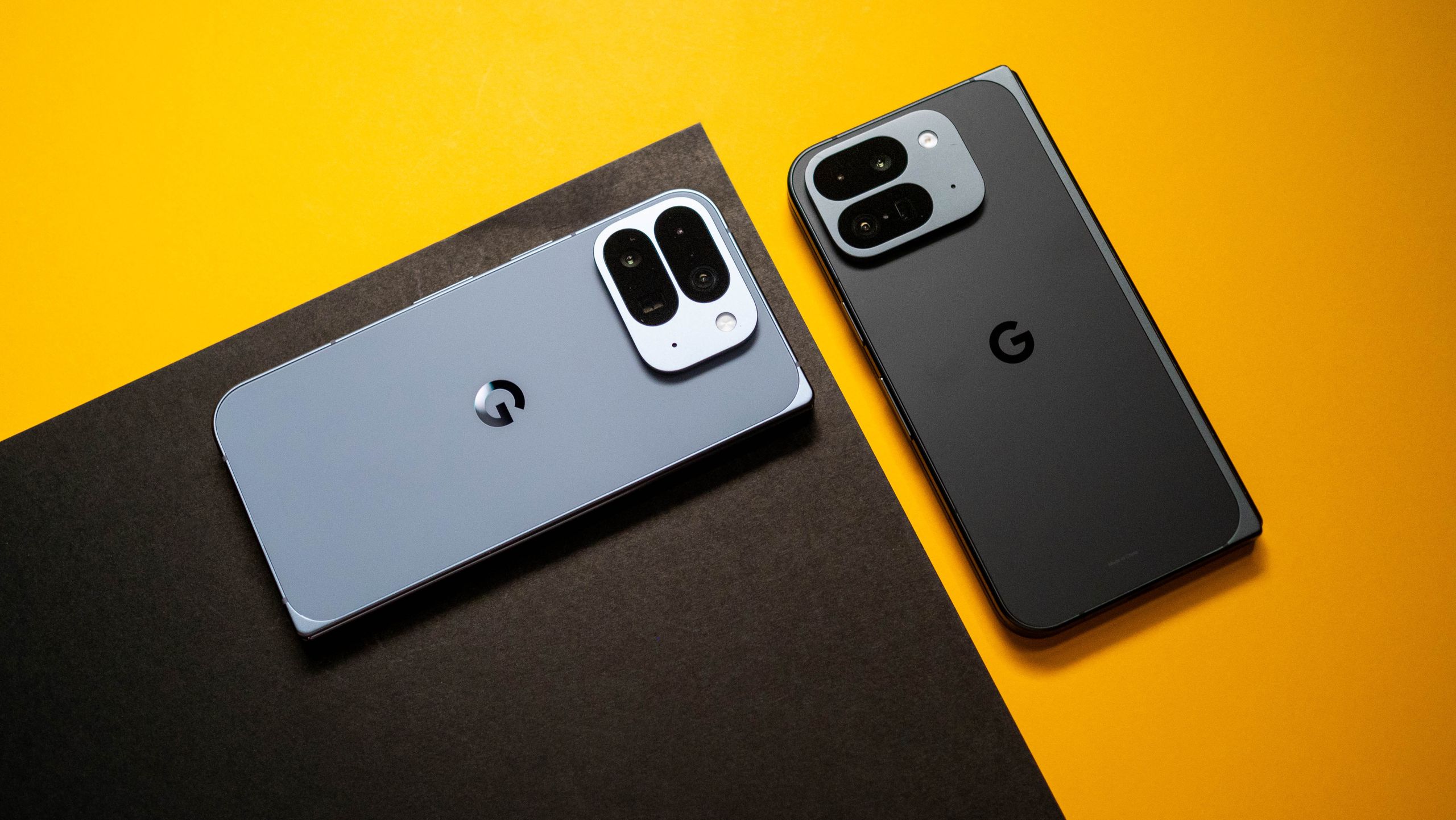
A foldable phone comparison between the Pixel 11 Pro Fold and Galaxy Z Fold 7 examines how Google’s redesigned foldable with upgraded cameras, a faster Tensor G6 processor, and thinner, lighter hardware stacks against Samsung’s established, reliable benchmark in big-screen foldable flagship phones. In plain terms, the Pixel 11 Pro Fold aims to fix long-standing weaknesses around weight, design, and imaging while narrowing the performance gap, whereas the Galaxy Z Fold 7 remains the safe choice for buyers who value proven durability and a refined folding experience over bleeding-edge changes. Power users deciding between these two foldable flagship phones should weigh Google’s leap forward in design and computational photography against Samsung’s track record and lighter hardware; if you want Google’s software and camera smarts, the Pixel 11 Pro Fold is likely your pick, but if reliability and a familiar ecosystem matter more, the Galaxy Z Fold 7 still has a strong case.
Design and Usability: Lighter vs Smarter
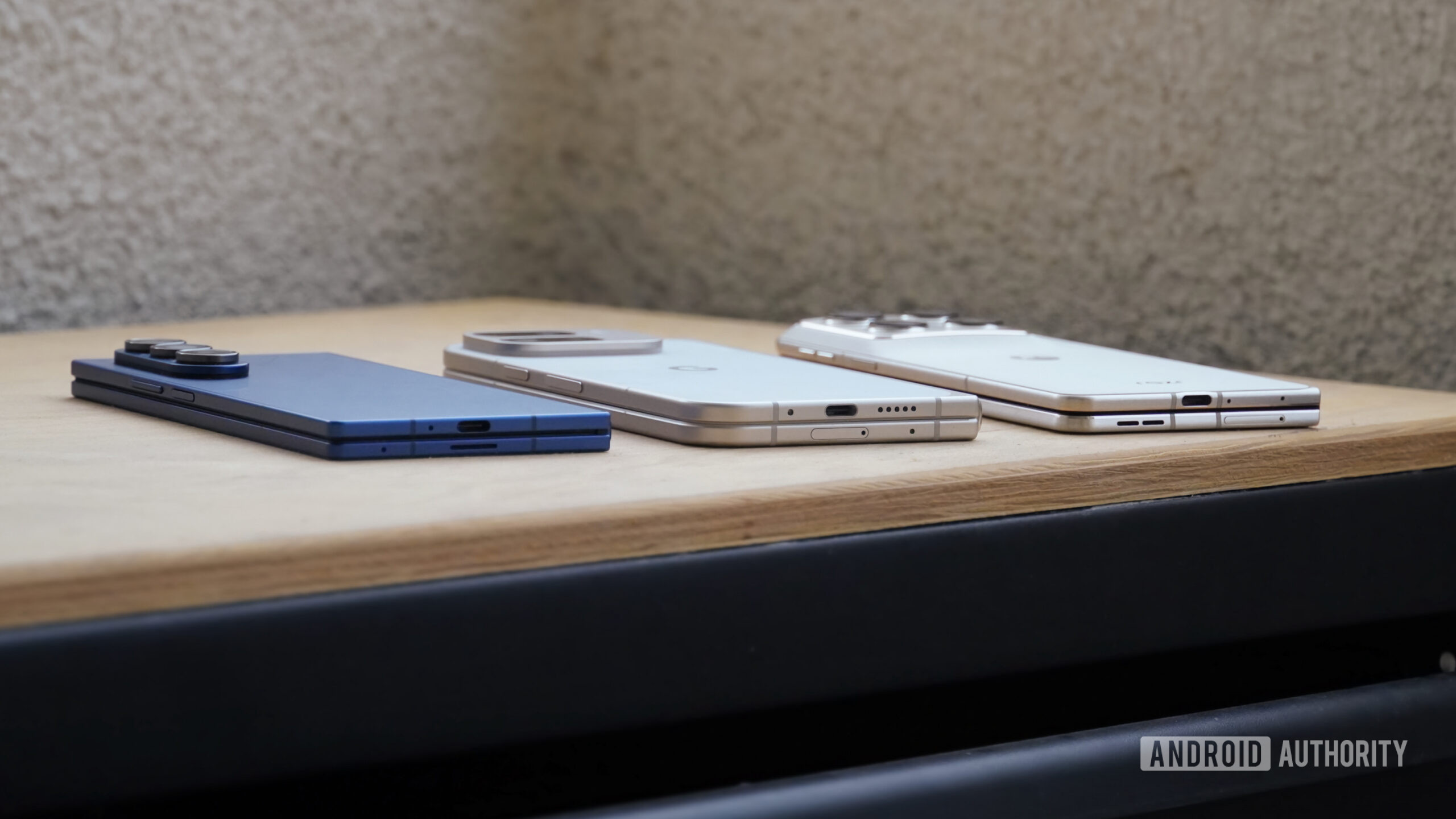
For heavy daily use, how a foldable feels in hand matters as much as what’s inside. The Galaxy Z Fold 7 set the benchmark by delivering a large inner display in hardware that weighs 215g, making it noticeably light for its class and immediately comfortable over long sessions. By contrast, the previous Pixel 10 Pro Fold came in at 258g — a full 43g heavier and often described as cumbersome, especially compared with Samsung’s foldable. The Pixel 11 Pro Fold is explicitly designed to address that problem, targeting a thinner, lighter chassis that can finally measure up to other premium foldable flagship phones. Google is also refining the camera island and bringing brighter OLED panels along with design tweaks, so the new Pixel should feel more modern and polished while keeping its distinctive aesthetic. If in-hand comfort and pocketability are top priorities, Samsung still has the advantage today, but Google is closing in hard with this generation.
Performance, Battery, and Everyday Power-User Living
Power users care about speed and stamina, and this is where the Pixel 11 Pro Fold is finally catching up. The previous Tensor G5 left Google behind Qualcomm- and MediaTek-powered rivals, but the new Tensor G6 platform built on a 2nm node is positioned to narrow that performance gap significantly, especially for AI and computational photography workloads. According to one analysis, “Google's phones haven't really stood up to their Qualcomm and MediaTek rivals in the past, but that could finally be changing.” On battery, Samsung’s Galaxy Z Fold 7 relies on a 4,400mAh pack that can struggle under heavy inner-display use. Google already beat that with the Pixel 10 Pro Fold’s larger cell and faster charging, and the Pixel 11 Pro Fold is expected to push capacity and wired charging speeds further to stay competitive with newer foldables that offer significantly larger batteries and much quicker charging. If long screen-on time plus smart, AI-driven performance matters to you, the Pixel 11 Pro Fold is the more future-proof choice; if you’re okay managing battery more actively in exchange for Samsung’s mature hardware, the Fold 7 remains serviceable.
| Spec | A: Pixel 11 Pro Fold (expected) | B: Galaxy Z Fold 7 |
|---|---|---|
| Chipset | Tensor G6, 2nm, focused on faster performance and AI features | Flagship Samsung platform that already outpaced Tensor G5 in many tasks |
| Weight | Targeting thinner, lighter design than the 258g Pixel 10 Pro Fold; still heavier than 215g is possible | 215g, significantly lighter than Google’s previous foldable hardware |
| Battery behavior | Larger capacity and faster wired charging than earlier Pixels, designed to ease power anxiety for big-screen use | 4,400mAh battery that can feel inadequate with heavy inner-display use |
| Displays | Brighter OLED panels inside and out, with design tweaks and slimmer-feeling hardware | Refined folding display experience that set the benchmark but is now less bright than newer rivals |
| Cameras | New main camera and broader imaging upgrades focused on better photos and smarter computational photography | Strong hardware with high-megapixel sensors that kept it ahead of earlier Pixels |
Cameras and Software: Google’s Smarts vs Samsung’s Consistency
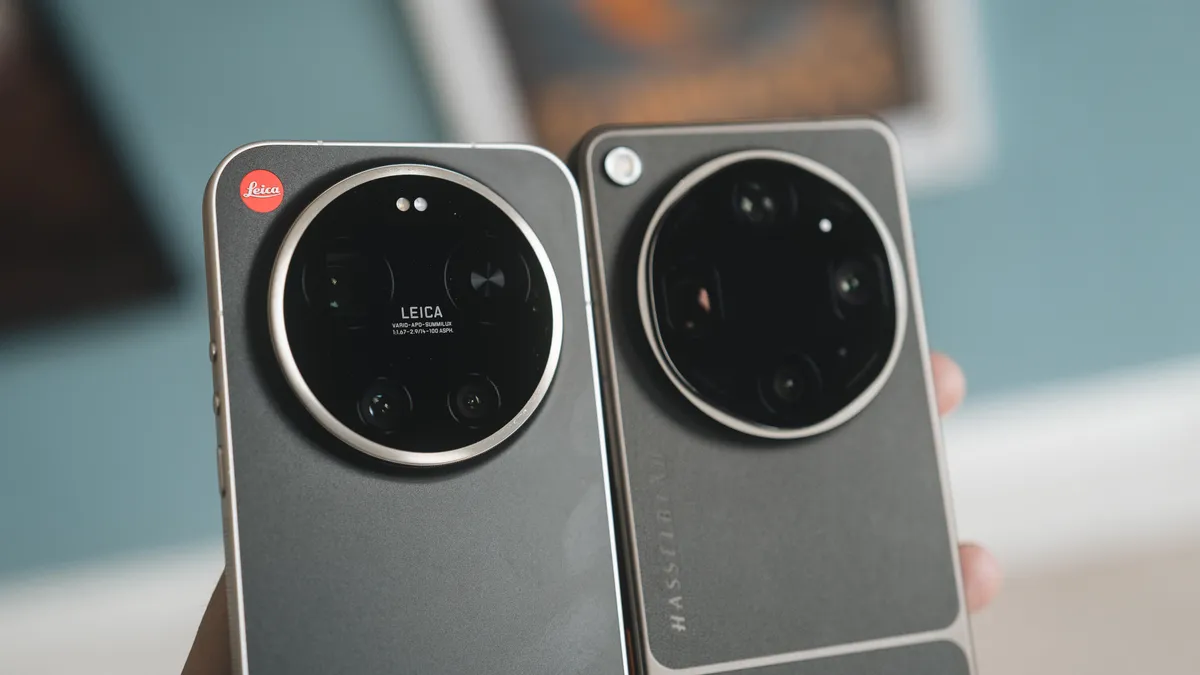
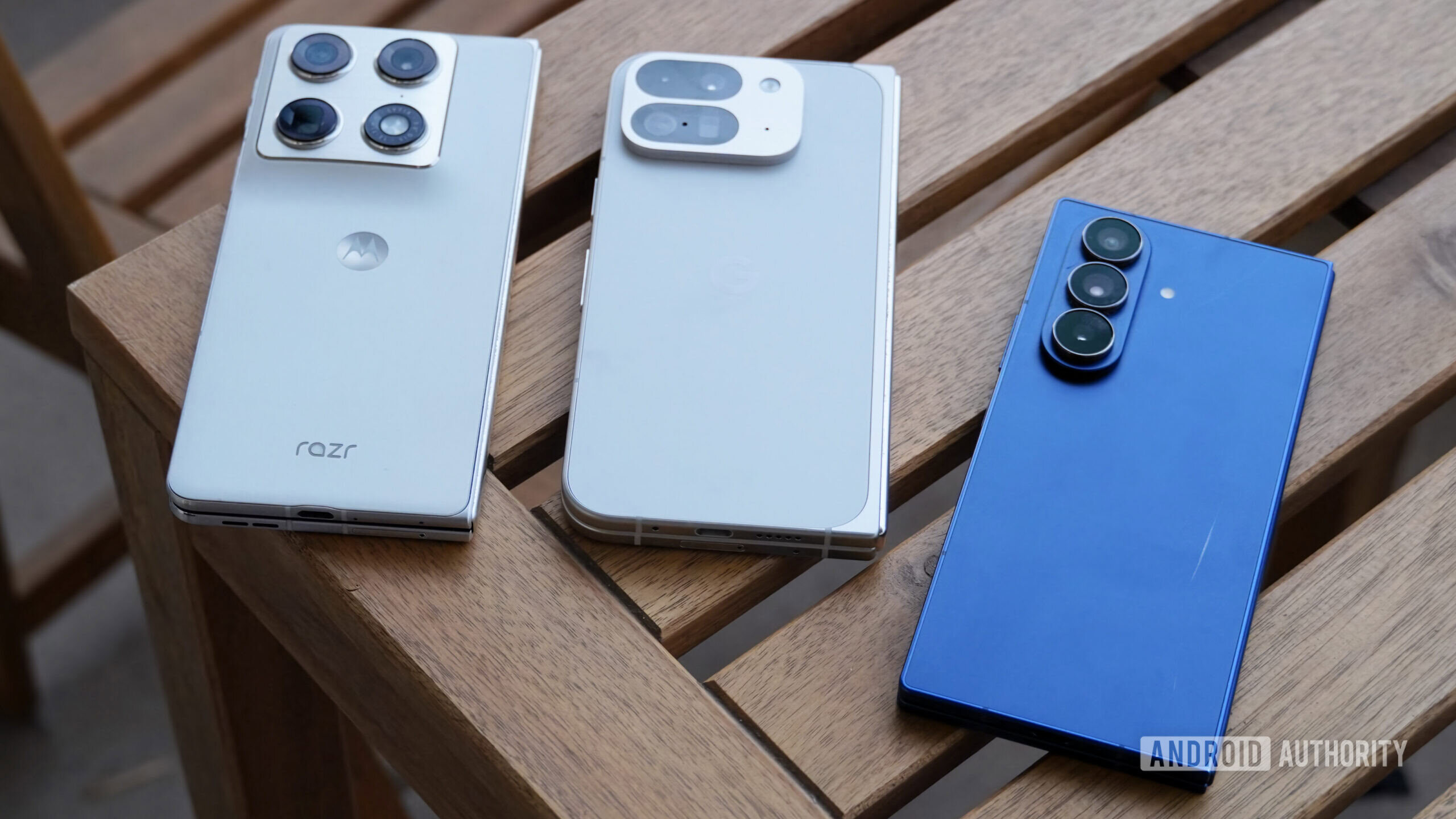
Camera quality is where the Pixel 11 Pro Fold makes its boldest play. Earlier Pixel foldables lagged behind rivals with aging sensors and limited upgrades, even though their software experience was praised as one of the best available. The new model brings a fresh main camera and broader imaging improvements, a long-overdue move that should finally let Google’s computational photography shine on a foldable form factor. Combined with the brand’s feature-rich, clean Android experience and extras tailored for big screens, the Pixel 11 Pro Fold is built to appeal to users who want smart features, AI-driven editing, and polished multitasking more than raw spec bragging. The Galaxy Z Fold 7, on the other hand, has been the reliable camera performer in this space, with powerful sensors that helped it outclass the Pixel 10 Pro Fold’s images and video in many scenarios while pairing that with a stable, mature big-screen interface. If your priority is the best camera experience aligned with Google’s software, the Pixel 11 Pro Fold finally looks like the right bet; if you value consistency and a well-tested foldable camera system, the Fold 7 is still comforting.
Buy if / Skip if
- Buy the Pixel 11 Pro Fold if you want Google’s upgraded cameras, smarter computational photography, and a thinner, lighter design that fixes earlier Pixel foldable weaknesses.
- Skip the Pixel 11 Pro Fold if you prefer a foldable with a long track record of reliability and don’t need Google-specific software features.
- Buy the Galaxy Z Fold 7 if you want an established foldable benchmark with proven durability, lighter hardware, and a familiar big-screen experience.
- Skip the Galaxy Z Fold 7 if you care more about next-generation performance, brighter displays, and Google’s evolving AI-focused features on a foldable.