
Thermal design, not the hinge, will decide if Apple’s foldable wins
Apple’s aggressive vapor chamber cooling orders for its first foldable iPhone and twentieth‑anniversary models show that iPhone foldable thermal performance and user comfort now depend more on advanced iPhone thermal management than on eye‑catching hinges or borderless glass designs.
According to a well‑known supply chain leaker, Apple has ramped up orders for vapor chamber cooling parts destined for both its upcoming book‑style foldable iPhone and its commemorative twentieth‑anniversary iPhone lineup. Another report says Apple has “significantly boosted its orders for vapor chamber cooling systems, primarily to support production of its highly anticipated first foldable iPhone,” with the same approach expected in the anniversary devices. That scale of investment is not cosmetic; it signals that Apple sees iPhone foldable thermal behavior as a make‑or‑break factor, on par with display and chip decisions. If the company is “going all out” on thermal engineering for this device, as the leaker claims, then cooling is no longer a backstage component—it is core product strategy.
What vapor chambers do—and why Apple is betting on them
Vapor chamber cooling is not new in phones, but Apple’s decision to scale it up for both foldable and anniversary iPhones shows a shift: thermal hardware is now treated as a premium feature, not a quiet afterthought.
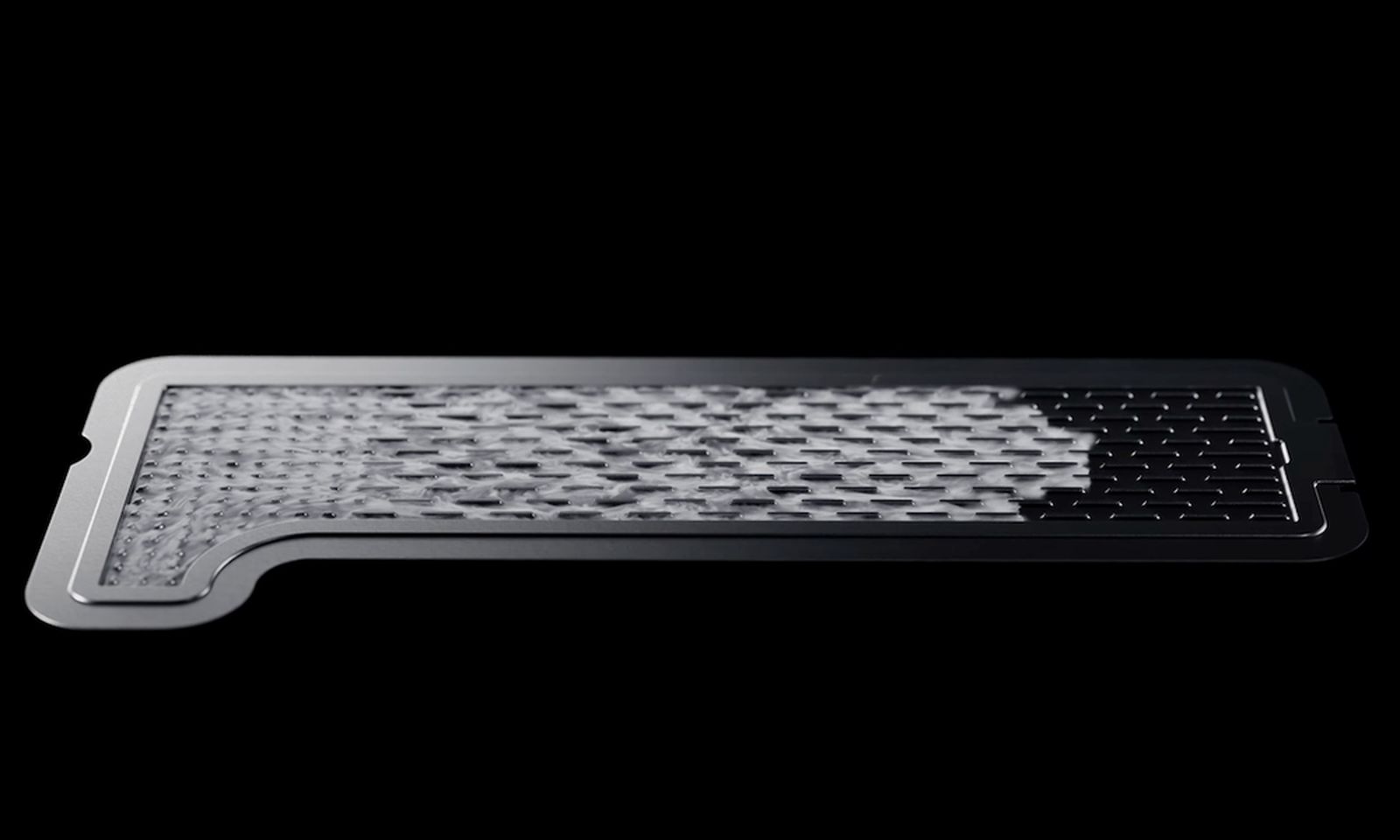
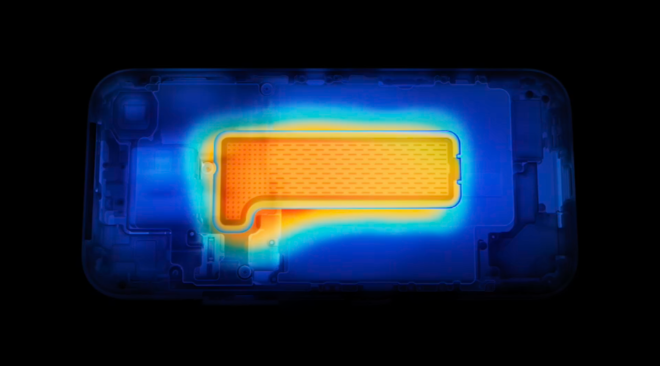
Apple introduced vapor chamber cooling to the iPhone lineup with the iPhone 17 Pro, building a thermal management system that includes an Apple‑designed vapor chamber for the Pro and Pro Max models. In plain terms, the system uses a small amount of deionized water to move heat away from the A‑series chip and distribute it through the device’s aluminum unibody frame, helping sustain high performance without thermal throttling. This is the backbone of modern iPhone thermal management: when the chip gets hot, the vapor chamber spreads that heat over a larger area, so the device can run hard workloads longer without burning the user’s hand. Scaling this system up for the foldable Ultra and twentieth‑anniversary models means Apple is anchoring its performance promises in hardware, not marketing.
Foldable phone engineering makes heat the enemy
The hard problem with foldable phone engineering is not only the hinge; it is squeezing modern performance into a thin, layered sandwich of glass, metal, and flexible OLED without cooking the user’s fingers.
Reports suggest Apple’s foldable iPhone Ultra will be a book‑style device with an expected thin profile when unfolded, rumored around 4.5–5 mm. The foldable design Apple is adopting could present unique cooling challenges because of its thinner internal structure and limited space for heat dissipation. This makes sense given the space constraints of a foldable chassis, which could limit traditional heat dissipation options and turn every extra layer into thermal insulation instead of a heat path. Stack that with a powerful A‑series chip and you have a recipe for hot spots and throttling unless the iPhone foldable thermal system is carefully engineered. In this context, “impressive” vapor chamber cooling is not overkill—it is the only credible way to keep performance and comfort in balance.
Bigger vapor chamber orders signal a performance‑first foldable
If you follow Apple’s supply chain, vapor chamber volume is the loudest message yet: this foldable will not be a cautious, underclocked experiment; it is being built to run hot workloads for real.
Apple has reportedly instructed suppliers to prepare around 10 million units of the foldable iPhone for its launch year, up from earlier projections of 7–8 million. At the same time, it has significantly boosted its orders for vapor chamber cooling systems to support production of this first foldable iPhone and to enable advanced thermal management in the twentieth‑anniversary iPhone. The system’s ability to efficiently transfer heat away from the powerful A‑series chip and spread it across the device’s frame is explicitly about sustaining high performance without thermal throttling—and, by extension, keeping the phone comfortable in hand. This cooling infrastructure investment indicates that Apple is entering the folding smartphone market with a premium‑performance mindset, not a niche curiosity pitch.
Anniversary iPhones prove thermal design is shaping hardware itself
The twentieth‑anniversary iPhones make one thing clear: Apple is willing to redesign the enclosure around thermal needs, not force the vapor chamber to fit whatever silhouette looks prettiest in renders.
These anniversary models are rumored to feature an edge‑to‑edge display with glass that curves around all four sides for a nearly borderless appearance, a major enclosure rethink that may also mark a return to glass as Apple’s preferred approach. The same vapor‑chamber‑based cooling approach used in the iPhone 17 Pro is now expected to extend to these anniversary devices, which will come in two sizes similar to the upcoming iPhone 18 Pro and 18 Pro Max. In other words, thermal hardware is baked into the industrial design from day one. As one report notes, this latest leak aligns with Apple’s push into new form factors while maintaining the performance and reliability standards users expect. The message is blunt: if the phone is going to look radical, its iPhone thermal management has to be equally ambitious.