
The New Foldable Reality: Wide, Thin, and No Longer a Gimmick
Samsung’s latest Galaxy Z Fold design marks a turning point in foldable smartphone evolution, as the company moves from thick, narrow experimental devices to wider, Note-like foldables that match legacy flagship thickness while promising more usable screen real estate and a clearer naming strategy that signals confidence in foldables as mainstream phones rather than tech curiosities. This is not a small tweak; it is Samsung finally admitting that the old, tall-and-skinny Fold was a compromise and that the future of Samsung foldable phones is about comfort, familiarity, and practical utility, not shock value. For years, foldables were defined by what they took away: pocket comfort, one-hand usability, and intuitive app layouts. Now Samsung is pivoting toward what they add. By chasing a wide fold display and normal-phone thickness, the company is telling buyers that owning a foldable should feel like using a great smartphone that happens to unfold into a tablet, not like carrying a science project in their pocket.
From Brick to Note-Like: Thickness Is No Longer the Dealbreaker
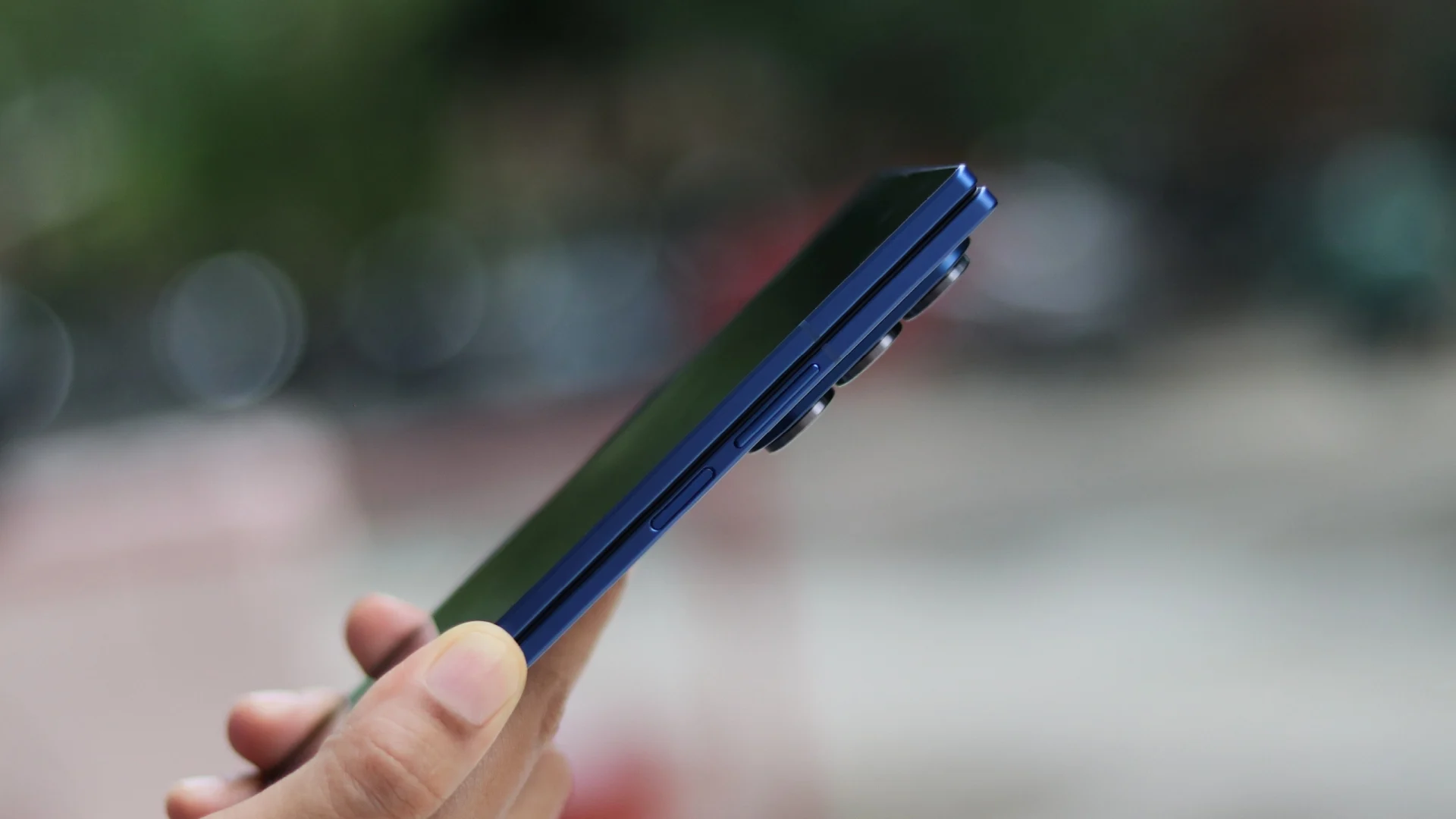
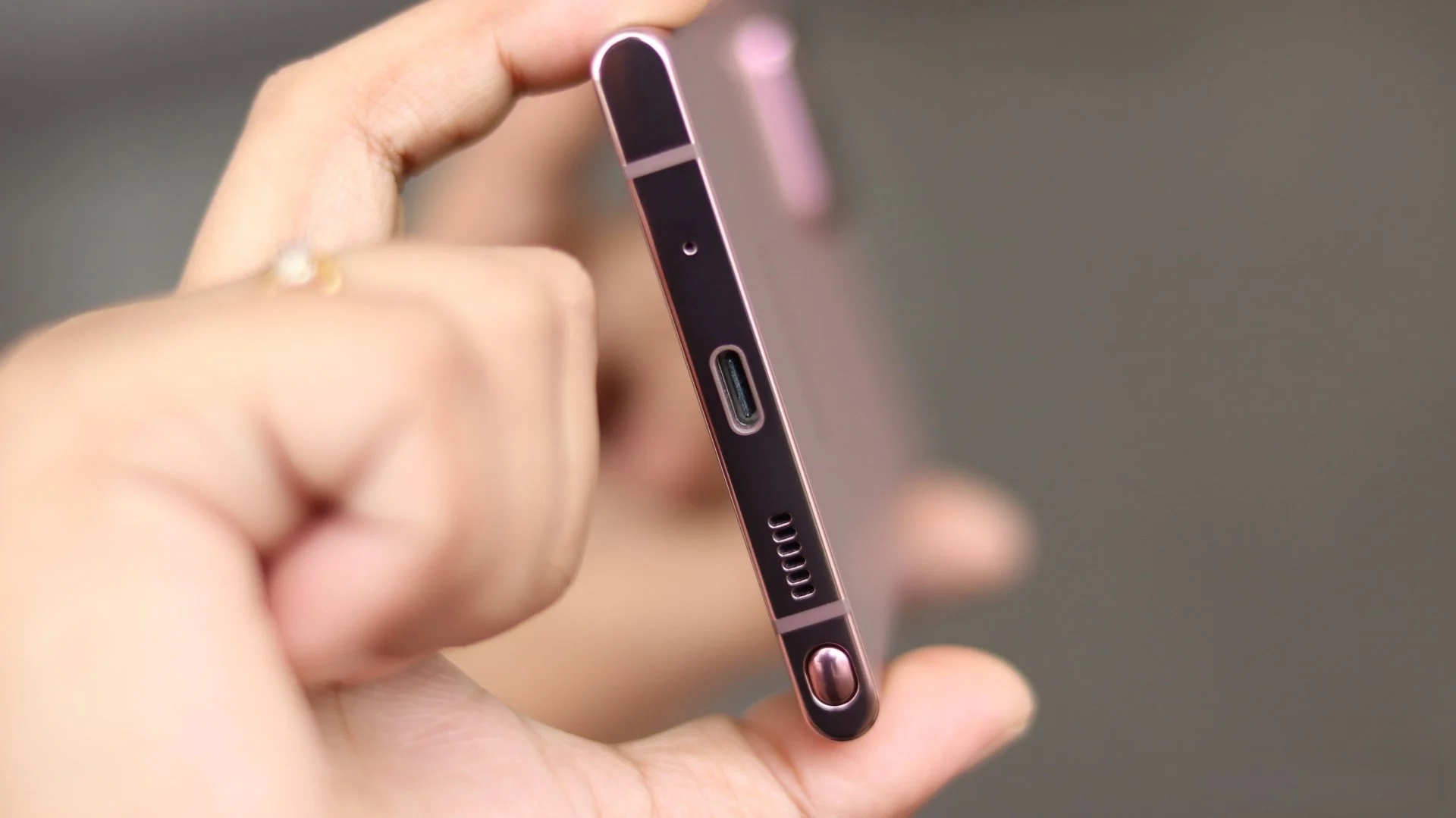
The biggest myth about the Galaxy Z Fold lineup is that “foldables have to be bricks.” That stopped being true the moment Samsung’s new Z Fold models matched the thickness of popular Galaxy Note phones. The original Galaxy Fold was a pocket bully at 15.7–17.1mm folded, roughly twice as thick as the 8.1mm Galaxy Note 20 Ultra. If you carried one, you were constantly aware of its bulk. Compare that to the current numbers. The Fold 7 comes in at 8.9mm folded and 4.2mm unfolded, essentially matching the 8.8mm Galaxy Note 9 while weighing only 14 grams more. The upcoming Galaxy Z Fold 8 is rumored at 9.7mm folded, nearly identical to the very first 9.65mm Galaxy Note, with the Z Fold 8 Ultra returning to 8.9mm folded and 4.1mm unfolded. In practical terms, thickness is no longer the price of entry into the foldable world—it’s back to being a standard flagship trade-off.
| Device | Folded Thickness | Weight |
|---|---|---|
| Galaxy Note (2011) | 9.65mm | 178g |
| Galaxy Note 9 | 8.8mm | 201g |
| Galaxy Note 20 Ultra | 8.1mm | 208g |
| Galaxy Fold (2019) | 15.7–17.1mm | 263g |
| Galaxy Z Fold 6 | 12.1mm | 239g |
| Galaxy Z Fold 7 | 8.9mm | 215g |
| Galaxy Z Fold 8 | 9.7mm | 201g |
| Galaxy Z Fold 8 Ultra | 8.9mm | 218g |
The Passport-Style Wide Fold: Fixing the Cover Screen Problem
Thickness was the first complaint about foldables; usability was the second. The old, narrow cover screens on the Galaxy Z Fold series made the phones feel awkward and cramped, forcing users into a tall, skinny canvas for apps that were designed for normal phone widths. Samsung’s leaked Wide Fold design is a direct admission that this approach was flawed. Images discovered in Samsung’s own One UI 9 software show a new device that is shorter and significantly wider than the Galaxy Z Fold 8, whose silhouette now looks “skinny in comparison.” The Wide Fold pairs a 5.4-inch cover display with a 7.6-inch inner wide fold display, backed by rumored Snapdragon 8 Elite Gen 5 power and up to 16GB of RAM. According to Android Authority, “This design might make the phone feel a little clunkier in the hand, but should pay off when you unfold it, as you’ll get something akin to a small tablet.” In other words, Samsung is finally prioritizing usable, tablet-like space over novelty.
A New Naming Game: Ultra, Wide, and a Vote of Confidence
Samsung’s naming shift is more than marketing; it is a vote of confidence that foldables have matured into a real product family. Traditionally, the foldable roster consisted of the book-style Galaxy Z Fold and the clamshell Galaxy Z Flip. Now leaks say the classic premium Fold will be renamed Galaxy Z Fold 8 Ultra, while the shorter, wider newcomer will take the simpler Galaxy Z Fold 8 name. This is classic Samsung playbook: attach “Ultra” to the most camera-heavy, spec-maxed flagship—in this case a device tipped to pack a 200-megapixel main camera, Snapdragon 8 Elite Gen 5 for Galaxy silicon, and a 5,000mAh battery. Meanwhile, the Wide Fold reportedly settles for a dual rear camera led by a 50-megapixel sensor and a 4,800mAh battery. Instead of a single experimental Fold, users will be choosing between familiar tiers, like they already do with S-series phones. That’s a subtle but powerful signal that foldables aren’t side projects anymore; they’re part of Samsung’s core lineup.
What Wider, Thinner Folds Mean for Everyday Users
For ordinary users, the practical impact of these changes is straightforward: carrying a foldable no longer means tolerating a pocket-hogging brick, and using one no longer means squinting at a cramped cover display. The Z Fold 8 series sits squarely in Galaxy Note territory for thickness, which means if you were comfortable with a Note in your jeans, a modern Fold will feel familiar. Unfolded, you get a small tablet experience rather than an awkwardly stretched phone. The Wide Fold, in particular, tackles the long-standing criticism that foldables waste their potential by clinging to narrow outer screens. By widening both the cover and inner displays, Samsung is betting that people want a foldable that feels normal when closed and expansive when opened, instead of compromised in both states. With the Z Fold 8 series set to be announced at an Unpacked event on July 22, Samsung is poised to turn passport-style foldables from a rumor into a new default. The message is clear: foldables are done apologizing for their form factor—they’re ready to replace your big-screen phone, not sit beside it.