
The July Pixel Update: A Stability Reset for Android 17
Google’s July Pixel update is a targeted Android 17 stability release that fixes widespread boot loops, app crashes, and visual glitches across Pixel 6 through Pixel 10 phones, tablets, and foldable models, marking the first monthly patch since Android 17 reached stable release and signaling a clear shift from new features to repairing the core experience. This is not a flashy Android upgrade; it is a frank admission that the rollout broke things and an overdue attempt to restore trust. The headline win is the Android 17 boot loop fix: a system-level repair for devices that failed to start or were locked in endless restart cycles. When your phone can’t even reach the home screen, security patches and new features are irrelevant. In that sense, this Pixel update isn’t optional maintenance—it is a rescue operation for the most basic promise of any smartphone: it turns on.
Android 17 Boot Loop Fix: Why It Matters Across Generations
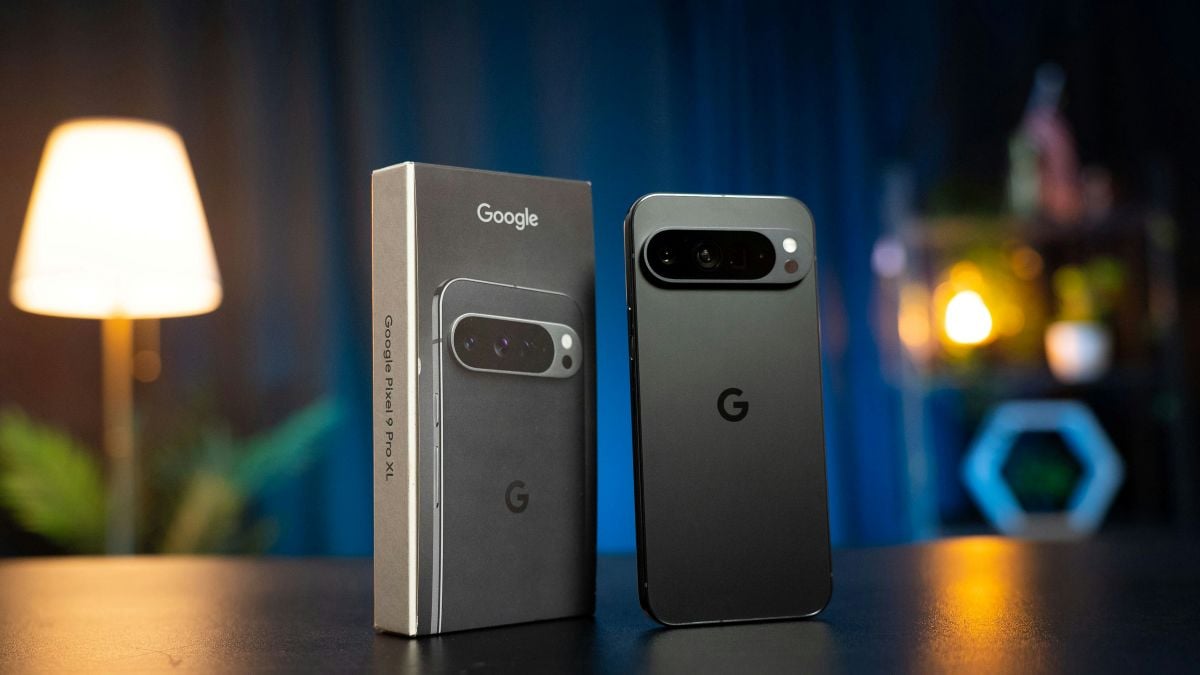
The most important change is blunt: Google fixed the system issue that caused some Pixel devices to fail to start or get trapped in repeated restart cycles. That single Android 17 boot loop fix instantly transforms the update from routine housekeeping into a lifeline, especially for owners who watched their phones freeze on the Google logo with no way forward. Unlike narrow, device-specific patches, this repair spans Pixel 6 models through the entire Pixel 10 family, including tablets and foldables. In practice, that means several generations of hardware—budget, flagship, and experimental form factors—had their reliability quietly undermined by the Android 17 transition and now depend on this patch to regain basic stability. The update’s availability across that wide range underscores a hard truth: Android 17 was not a minor hiccup; it introduced systemic Android stability issues that cut across Google’s whole recent Pixel lineup.
For owners already stuck in an Android 17 boot loop, the usual over-the-air update may not even be reachable. According to Google, the Pixel Repair Tool can deliver a rescue update over USB‑C that applies the fix without wiping personal data. That detail matters: users, not Google, have paid the price for this glitch with hours of downtime and near-loss of their phones. Offering a repair path that respects their data is the minimum acceptable response. Until this patch is installed, affected devices are effectively bricks with good cameras. From a user-impact perspective, the boot loop fix is the difference between needing a warranty replacement and getting your phone back in working order within an evening.
Beyond Boot: Crash Fixes, Display Glitches and Navigation Clean-Up
While the boot loop headline will grab attention, the quieter fixes in the July Pixel update will shape day‑to‑day experience just as much. Google addressed a bug where some apps could unexpectedly close or fail to launch—a direct Google Pixel crash fix that tackles one of the most irritating Android stability issues users reported after the Android 17 rollout. Crashes erode confidence in both the platform and the hardware; you do not buy a Pixel to watch core apps vanish mid‑task. System widgets showing incorrect colors or contrast have also been repaired, along with an issue where the wallpaper shape effect wrongly appeared over the main subject of an image rather than staying in the background. These sound cosmetic, but they speak to a compromised visual layer: when UI details break, people assume deeper problems lurk underneath.
Navigation and layout quirks received targeted attention too. On the Pixel 10 Pro Fold, the update fixes a display issue that could misalign navigation buttons after opening or closing the device. That is not a minor annoyance for foldable owners—it undermines one of the device’s core promises: seamless switching between folded and unfolded states. Combined, these changes show Google focusing on system stability improvements across supported Pixel models rather than chasing new features. The message is clear: Android 17’s first act broke the experience in enough small ways that a dedicated clean‑up pass was unavoidable. Users wanted reliability; Google is now conceding that the OS must feel solid before any of its marquee features can win people over.
Security Patch Details and the QPR1 Beta 7 Story
There is an interesting twist with this Pixel update: Google’s Pixel Update Bulletin confirms that supported devices also receive fixes from the July 2026 Android Security Bulletin, yet this release does not introduce new security vulnerability fixes specific to Pixel hardware. That emphasis signals a reprioritization away from headline security disclosures and toward making Android 17 stable enough to trust. On the pre‑release side, July also brings Android 17 QPR1 Beta 7 for Pixel devices enrolled in the Android Beta Program, with the build number CP31.260623.005, a July 5, 2026 Android security patch, and Google Play services updated to version 26.20.31 or later after installation. Beta users are essentially testing the next round of stability upgrades while the mainline July Pixel update repairs the current mess.
QPR1 Beta 7 may sound like inside‑baseball, but its focus mirrors the public release: bug fixes and polish over flashy new features. Three specific Quick Settings problems have been cleaned up, including Battery Share sometimes failing to start charging or looping its animation, an unnecessary gap between the battery and mobile data icons when Wi‑Fi was off, and a crash in the Quick Settings font size controller that blocked text size changes from the Quick Access panel. Each is small in isolation, yet together they reveal a pattern: Android 17 shipped with frayed edges in basic controls like power sharing and UI layout. The beta program, spanning devices from Pixel 6 and 6a through the Pixel 10 Pro Fold and Pixel 10a, is now the proving ground for making those controls feel reliable again before they roll into mainstream quarterly platform releases.
The Trade-Off: Stability Gains Now, Remaining Problems Later
Google’s July Pixel update is an admission that Android 17’s first outing was rough—and a welcome step toward fixing it. Boot loops that leave phones unusable are now directly addressed across Pixel 6 to Pixel 10 devices, and users benefit from concrete crash fixes, cleaner visuals, and more reliable navigation, especially on foldable hardware. But this is not a miracle cure. The patch does not resolve every complaint; some owners still report battery drain and smaller performance issues, and Google itself acknowledges that Android 17 clean‑up work will likely continue through future quarterly updates. That means this release should be seen as a foundation, not a finish line: a necessary Android 17 boot loop fix and stability sweep that makes Pixels usable again while leaving room—and pressure—for further tuning.
Users face a clear decision. If you are on Android 17 and your Pixel is affected by crashes, boot loops, or UI glitches, resisting the July update makes little sense. This Pixel update is not about new tricks; it is about restoring the basic reliability that a modern smartphone must deliver before any advanced feature matters. The broader lesson is uncomfortable for Google: shipping a major OS upgrade that breaks startup, apps, and visuals across several generations of hardware is a trust‑damaging move, and it cannot be papered over with marketing. The only credible response is what we are seeing now—a direct, focused push to fix Android stability issues first, then build forward more carefully. Pixel owners should demand nothing less from the next wave of quarterly platform releases.