

The new laptop paradox: higher prices, murky gains
The modern laptop market is defined by a paradox in which prices climb due to component shortages and branding strategies while performance gains are obscured by recycled processors, confusing labels, and downgraded memory configurations that leave ordinary buyers overpaying for machines that may not feel much faster in real-world use. This is not a neutral shift; it punishes people who rely on old buying rules and rewards brands that treat spec sheets as marketing weapons rather than honest descriptions of value. Component scarcity drives price hikes, but consumer confusion is what keeps those hikes profitable. The clearest sign of this shift is that the biggest laptop buying mistakes haven’t changed, but they now cost more. People still buy the spec that sounds impressive instead of the laptop that fits their life, and 2026’s labels—AI PC, Copilot+ PC, NPU, OLED, Wi‑Fi 7—make that mistake easier. In an era when RAM and storage prices have jumped and cheap machines are quietly downgraded, the old habit of “buy more than you need” has become an expensive way to get a disappointing computer.
Processor recycling: why “new” CPUs don’t mean new performance
The most underrated source of processor confusion in new laptops is the quiet reuse of older silicon under fresh branding. Microprocessor vendors have begun reusing old chips in ways that obscure that fact from consumers, leaving buyers unsure whether their supposed productivity laptop is truly new or older hardware sold at a premium price. Increasingly, the processor name conceals rather than clarifies, which undermines any attempt to compare performance across models. Quote-worthy reality: “There’s just no easy way to tell whether a new laptop contains a new processor, and it feels like laptop makers are taking advantage of that.” That sentence should change how you read every CPU label. When a laptop touts a refreshed or AI‑branded processor, you cannot assume meaningful gains. An older chip can be competent, but paying a “new silicon” price for recycled hardware is a classic laptop buying mistake, especially when that money could instead go toward RAM, storage, or a decent display that will affect daily use far more than a relabeled CPU.
RAMageddon: how memory shortages turned premium laptops into luxury items
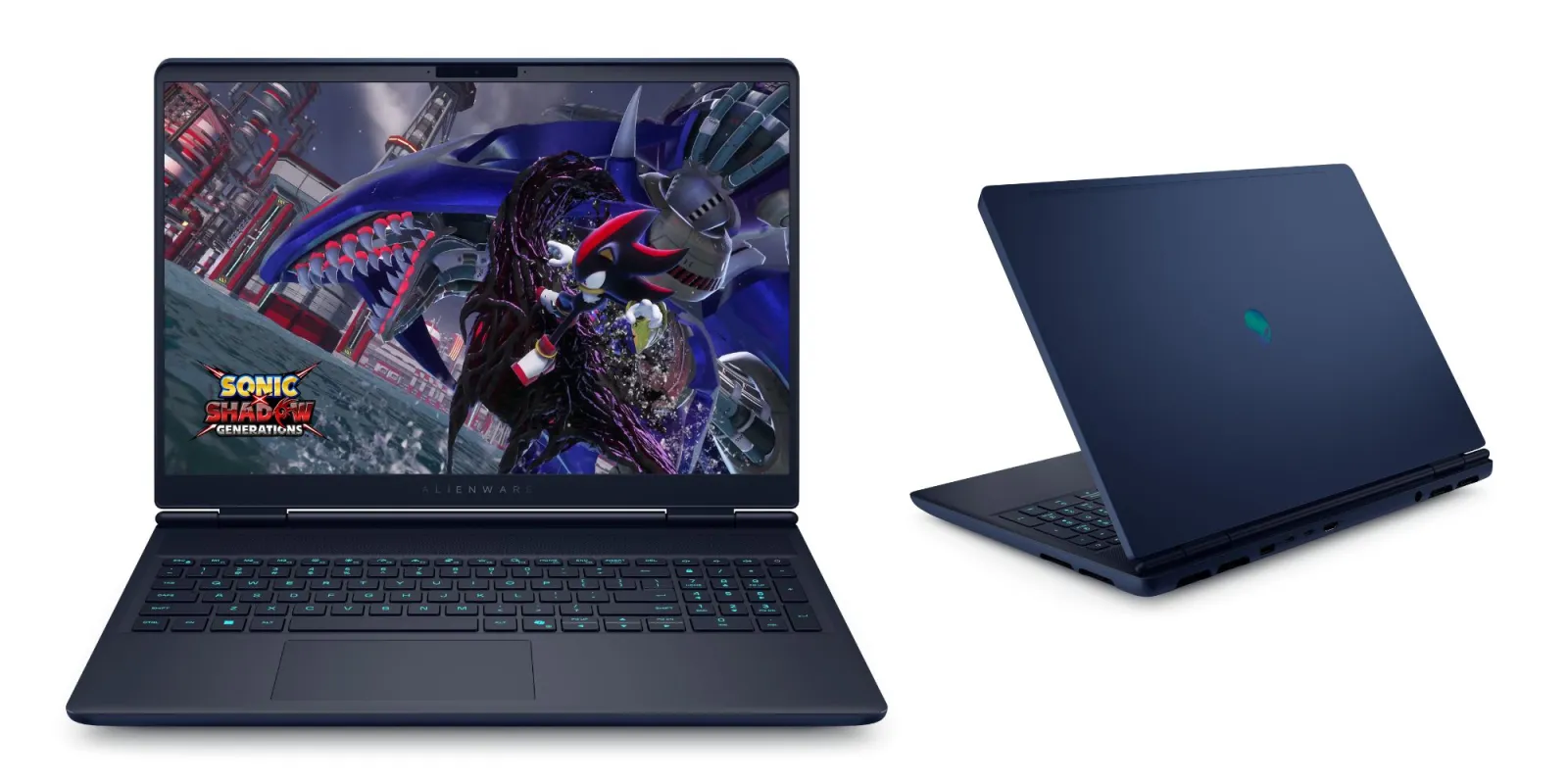
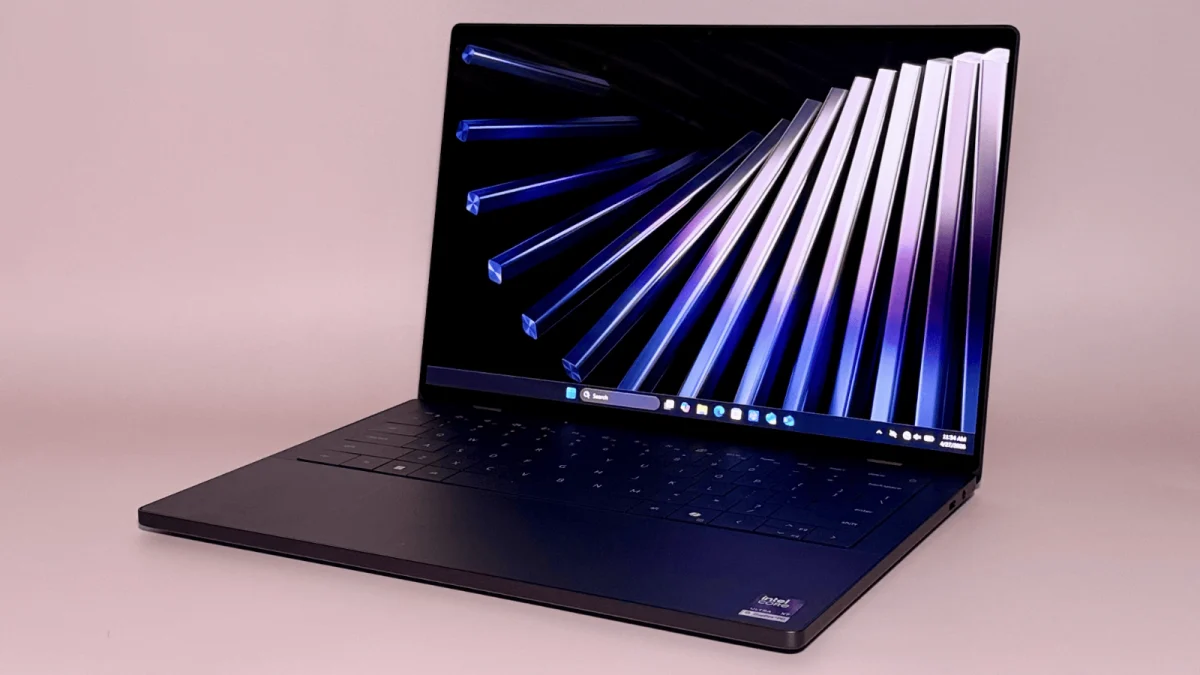
If you want laptop price increases explained, start with memory. A global RAM shortage has forced many PC makers to raise laptop prices over the past few months, with one well‑known 14‑inch model jumping up to 31 percent since launch. You can blame AI infrastructure: data center construction is consuming the world’s RAM and SSD supplies, driving component prices higher and pulling consumer devices along for the ride. According to one manufacturer, “The rising cost of RAM is affecting pricing across the industry,” with even gaming‑focused lines repriced “to be competitive against this new backdrop.” On the flagship 14‑inch machine, the starting configuration with an Intel Core Ultra 5 325 CPU, 16GB of RAM, and 512GB of SSD storage climbed from USD 1,599.99 (approx. ₱89,600) to USD 1,889.99 (approx. ₱105,800), a USD 290 (approx. ₱16,200) leap that makes an already expensive Windows laptop an even tougher sell. Higher tiers saw a USD 680 (approx. ₱38,000) jump from USD 2,199.99 (approx. ₱123,200) to USD 2,879.99 (approx. ₱161,200). This is RAMageddon in practice: memory costs ripple straight into price tags. What makes this sting is that the shortage coincides with brands downgrading or soldering RAM on cheaper models. Memory and storage prices have made many notebooks unaffordable for the masses, and one major vendor has openly admitted that high RAM prices are the new normal, not expected to end until 2030. In that context, treating 8GB of RAM as “fine” is no longer a harmless compromise but a laptop buying mistake that can turn a bargain into a slow, frustrating machine as everyday apps pile up.
Fragmented Windows choices and the illusion of premium pricing
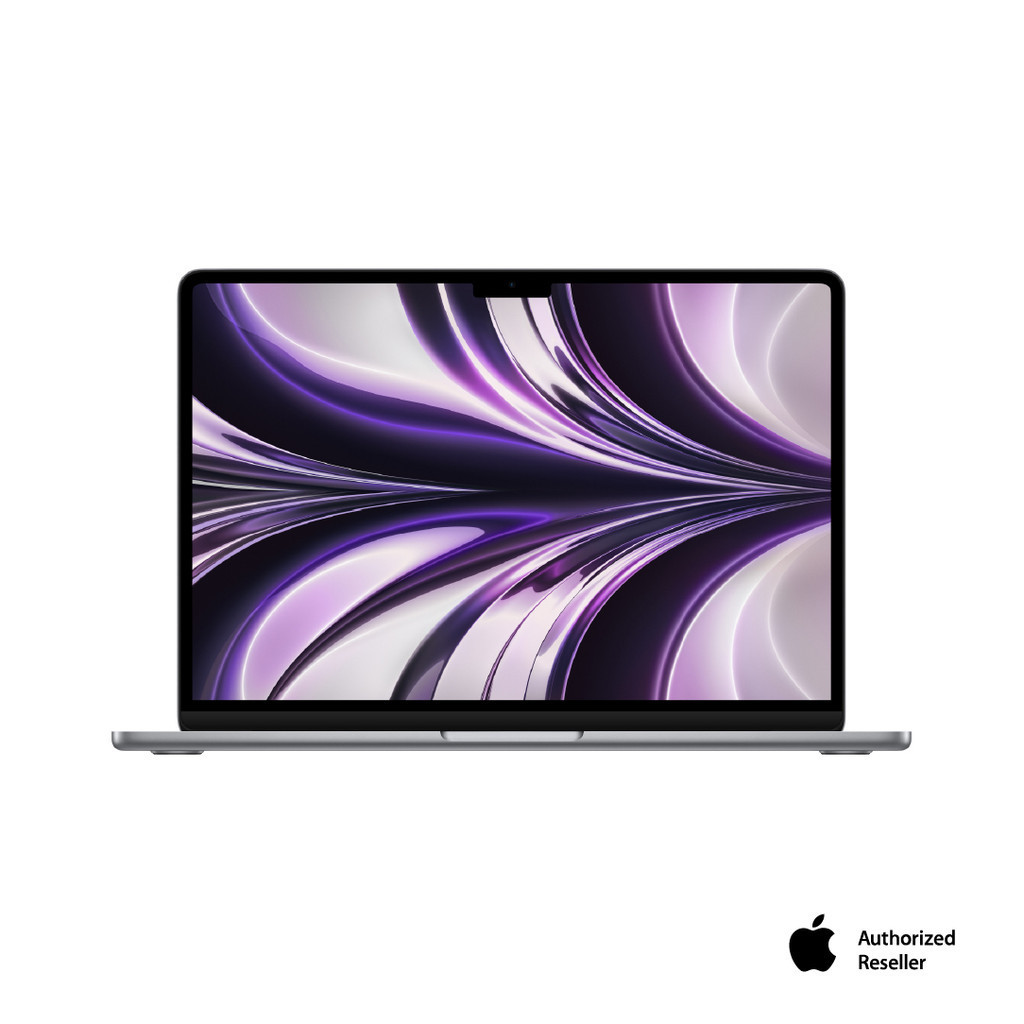
The Windows laptop market has always been fragmented; in 2026, it feels like a nightmare for budget‑conscious buyers. Memory and storage prices have made the majority of products unaffordable, and shoppers with sizeable budgets report struggling to find a notebook that feels like solid value rather than a compromise. At the same time, premium lines are nudging closer to high‑end macOS machines, without consistently matching build quality, battery life, or long‑term support. One former Windows‑only user, who used to laugh at MacBook prices and lack of customization, now describes hitting “rock bottom” while trying to find a daily‑driver Windows laptop, calling the market a living nightmare and conceding that a base M2 or M3 MacBook Air looks like the most reasonable value for money. That’s a harsh verdict, but it reflects a broader truth: when RAM is scarce, storage is costly, and CPU labels are confusing, fragmentation becomes fatigue. Buyers spend hours comparing dozens of similar Windows models only to discover soldered 8GB memory, small SSDs, dim screens, and battery claims nobody should believe—exactly the experience‑level traps that still define laptop buying mistakes. Yet this chaos doesn’t mean the Windows ecosystem is a complete lost cause. There are still pockets of best laptop value in 2026, such as an OmniBook model that combines a Snapdragon X SoC with a strong port selection for USD 599.99 (approx. ₱33,600), which stands out as a winner for budget‑friendly consumers. The problem is that these exceptions are buried under marketing noise. Without clear guidance, it is too easy to pay premium prices for mid‑tier experiences.
How not to overpay: focus on experience, not hype
The only reliable defense against all this is to change how you evaluate laptops. Every one of the recurring mistakes—chasing CPU labels, “AI PC” branding, flashy OLEDs while ignoring poor keyboards or tiny SSDs—is really the same error wearing a different badge: paying for the number that’s easy to print instead of the experience you’ll live with. In 2026, that mistake is amplified by RAM shortages, recycled processors, and rising list prices. A practical checklist helps. The cheapest acceptable laptop should still hit a floor: 16GB of RAM if possible, SSD storage, a current processor family, a screen you can stare at for hours, and a return policy that gives you a way out. The 8GB laptop is the trap to avoid first; with modern browsers, video calls, and background apps, 8GB feels tight quickly, and on many thin laptops the memory is soldered, so you cannot fix the mistake later. Best laptop value in 2026 rarely comes from chasing the newest label. It comes from weighing real‑world price‑to‑performance, where some MacBooks now offer “incredible” ratios despite their own hikes and one base Air quietly looks like the most reasonable deal for many people. On the Windows side, sifting through the mess can still uncover honest mid‑range machines that balance RAM, storage, and battery life at prices that make sense. The conclusion is blunt: stop treating laptops as spec trophies. Start treating them as four‑year companions. If the keyboard, screen, memory, and warranty don’t justify the premium, the logo and buzzwords certainly don’t.