
The coming game price squeeze
The shift from physical games to digital-only distribution is a market change in which console makers end disc production, retailers lose access to tradable copies, and players are nudged toward closed online storefronts where fewer competitors are able to influence long-term pricing or discount strategies for new and existing titles.
Sony’s decision to stop manufacturing physical PlayStation discs from January 2028 signals more than a format change; it is a direct threat to pricing power for players. Once future releases exist only as downloads, the last meaningful check on first-party digital game pricing disappears. That matters because a new report on 16 PlayStation 5 games shows that the platform’s own store is “almost always more expensive” than buying the same titles in shops. Ending discs, combined with that pattern, points in one direction: game price increases as digital platforms consolidate control. And the backlash already reflects that fear, with hundreds of thousands signing a petition to reverse the disc decision.
Physical games vs digital: the real price gap
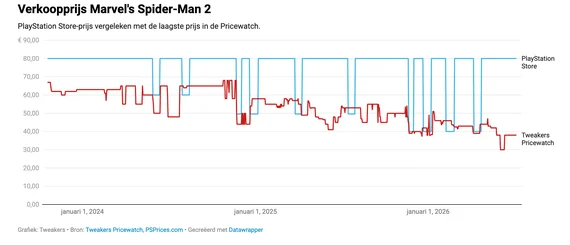
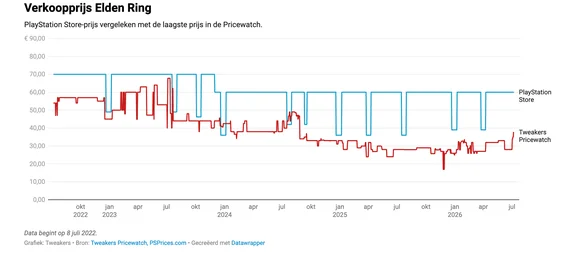
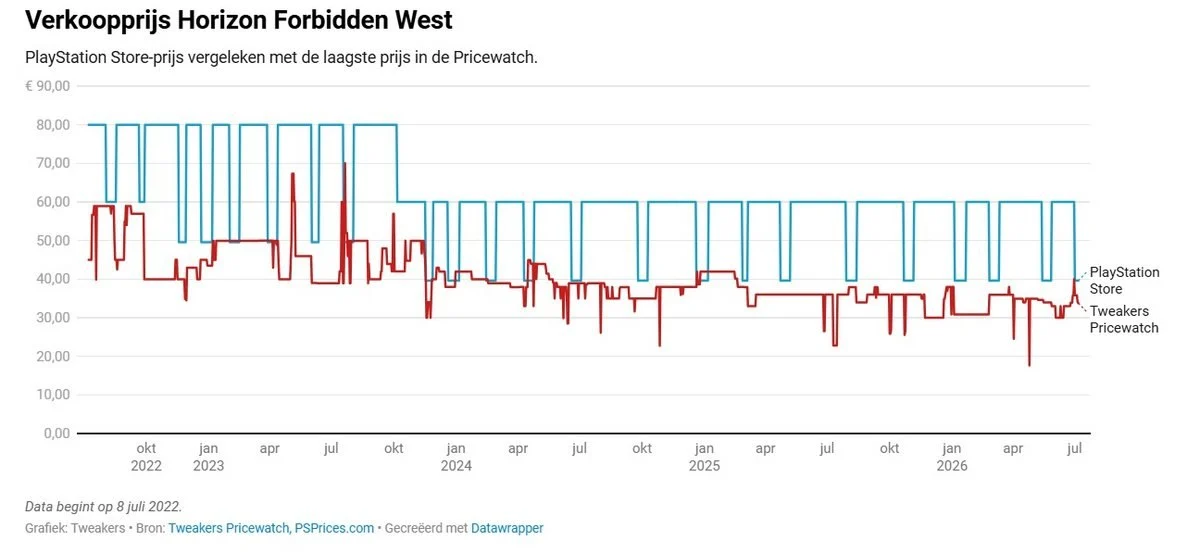
For years, players assumed digital games would be cheaper because there is no box, disc, or shelf space to pay for. The data shows the opposite. A detailed pricing study, based on tracking that began on 8 July 2022, compared average prices for 16 PS5 games across retail stores and the platform’s digital store. The result: physical game retail stores consistently sell games at lower prices than the first-party digital storefront.
At retail, game prices drift downward over time and fluctuate as shops compete with one another. By contrast, digital game pricing on the platform tends to remain at full launch price unless a temporary sale is running, even years after release. Sales do appear online, but once the promotion ends, prices snap back to the original level. The report’s blunt conclusion is that if you buy a PS5 game today, the physical version is statistically more likely to cost less than the digital one on any random day. In other words, brick-and-mortar discount wars have been quietly subsidising players’ libraries.
How disc discontinuation hands pricing power to platforms
The planned PlayStation disc discontinuation is not happening in a vacuum. It coincides with rumours that another major console maker may follow the same path, tightening the digital-only grip on blockbuster releases. Once discs are gone, you will no longer choose between retailers; you will choose between one or two platform storefronts that set their own digital game pricing and have little reason to undercut themselves.
The financial motive is obvious. Analysts estimate that on a typical USD 70 (approx. ₱4,080) game, Sony could keep up to 54 percent when it sells its own titles through its digital store, and around 40 percent for third‑party games. According to that analysis, each sale becomes more profitable when there is no physical channel taking a cut. With greater control comes the temptation to experiment with dynamic pricing—raising or lowering the cost for different users—further muddying what a fair deal looks like. This is why the move has been so poorly received: players see not efficiency, but a land grab for pricing power.
What vanishing retail means for ordinary players
The practical impact is simple and harsh: if you are forced to buy from a first-party store, you will on average pay more than if you had access to retail or second‑hand markets. Experts already warn that retailers and price‑sensitive customers will be the biggest losers in this transition. The report goes further, arguing that a future of digital‑only releases “spells a grim future for game prices”.
Once physical discs end, second‑hand sales vanish because there is nothing to resell or lend. That alone wipes out the cheapest route many players rely on. Retail will not disappear completely, but its role changes: shops will be allowed to sell boxes with download codes or vouchers instead of discs. They might still compete on those prices, but with fewer ways to differentiate and no used stock, their influence shrinks. Game price increases are not guaranteed overnight, but the market will tilt toward higher average prices and longer stretches where popular titles stay expensive.
Can anything stop digital game pricing from drifting upward?
The outlook is not entirely hopeless, but it demands a more sceptical mindset from players. Retail code‑in‑box products could become a last line of defence, giving shoppers at least some alternative to the official storefront price. Subscription services might soften the blow for heavy players, though they also risk normalising a world where you rent access while the platform keeps full control of individual game pricing.
What will matter most is pressure—consumer, regulatory, and competitive. As one clear takeaway from the pricing report shows, physical games vs digital is not a nostalgic argument about shelves; it is a hard‑number warning about how markets behave when competition disappears. If players accept a future where every big game is a non‑transferable licence from a single store, they should also accept the bill that comes with it. The time to push back on pricing power is before the last disc rolls off the production line, not after.