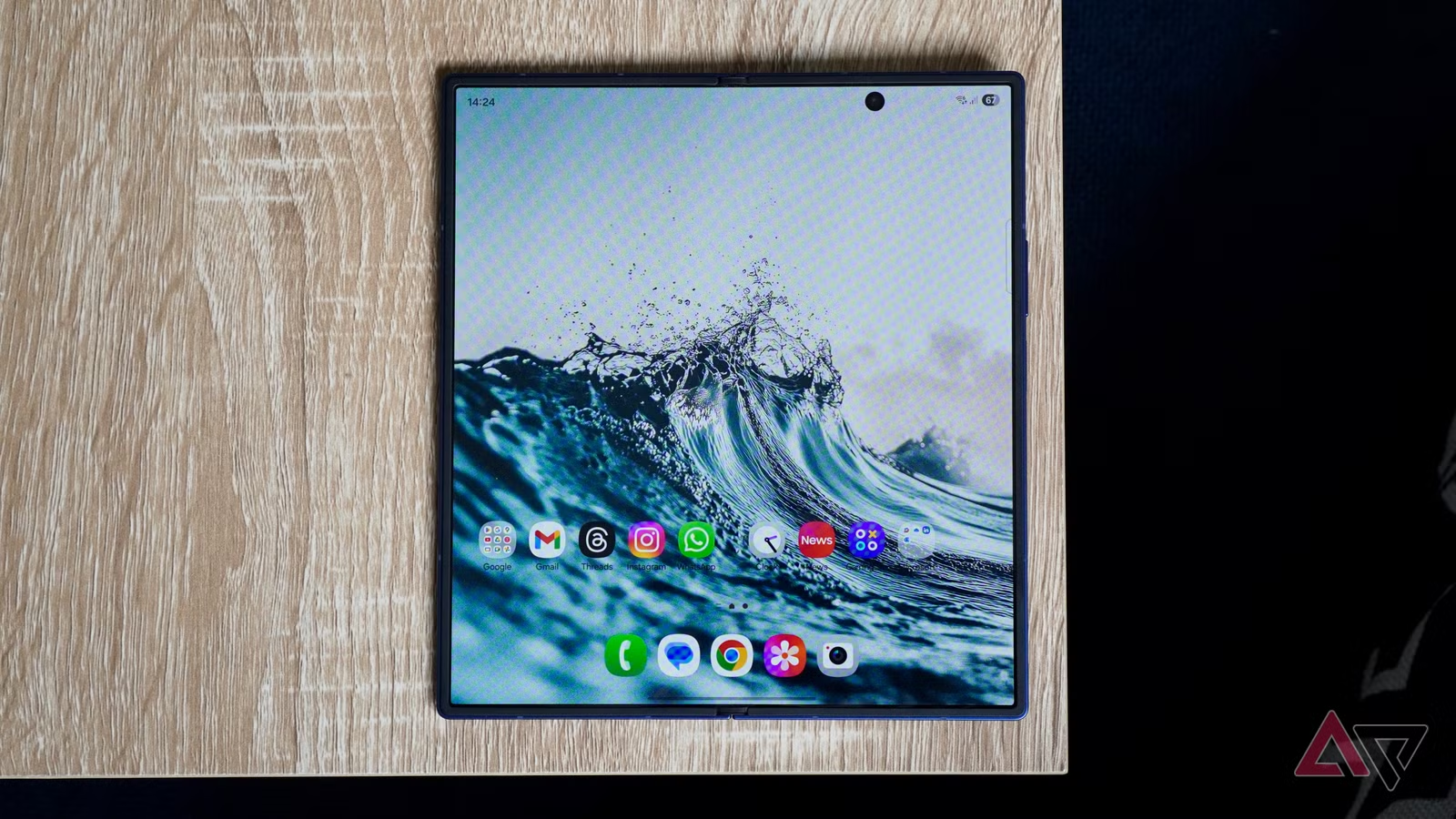

From tall experiment to practical Samsung Galaxy Z Fold
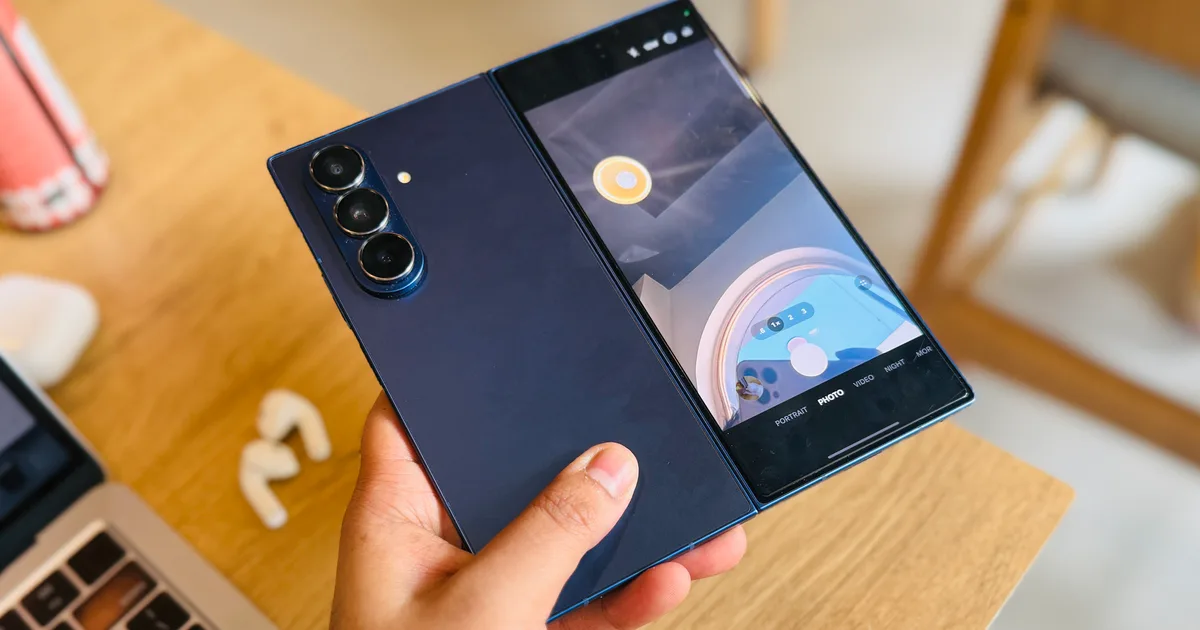
The new Samsung Galaxy Z Fold generation is a wider, shorter, lighter foldable phone design that aims to fix the line’s awkward cover screen, improve hinge durability, and turn the device into a practical all‑day work and entertainment machine instead of a niche gadget for enthusiasts.
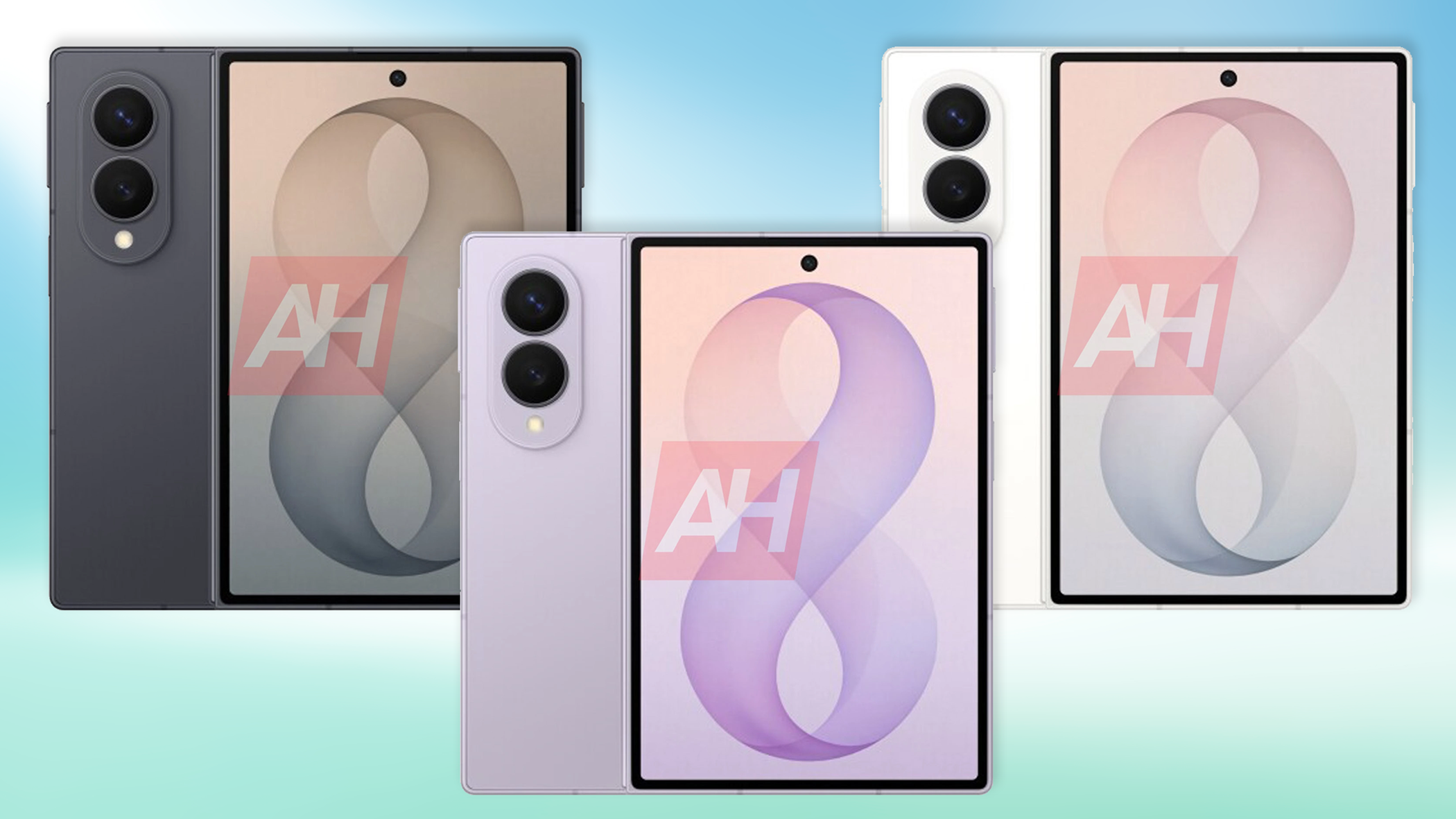
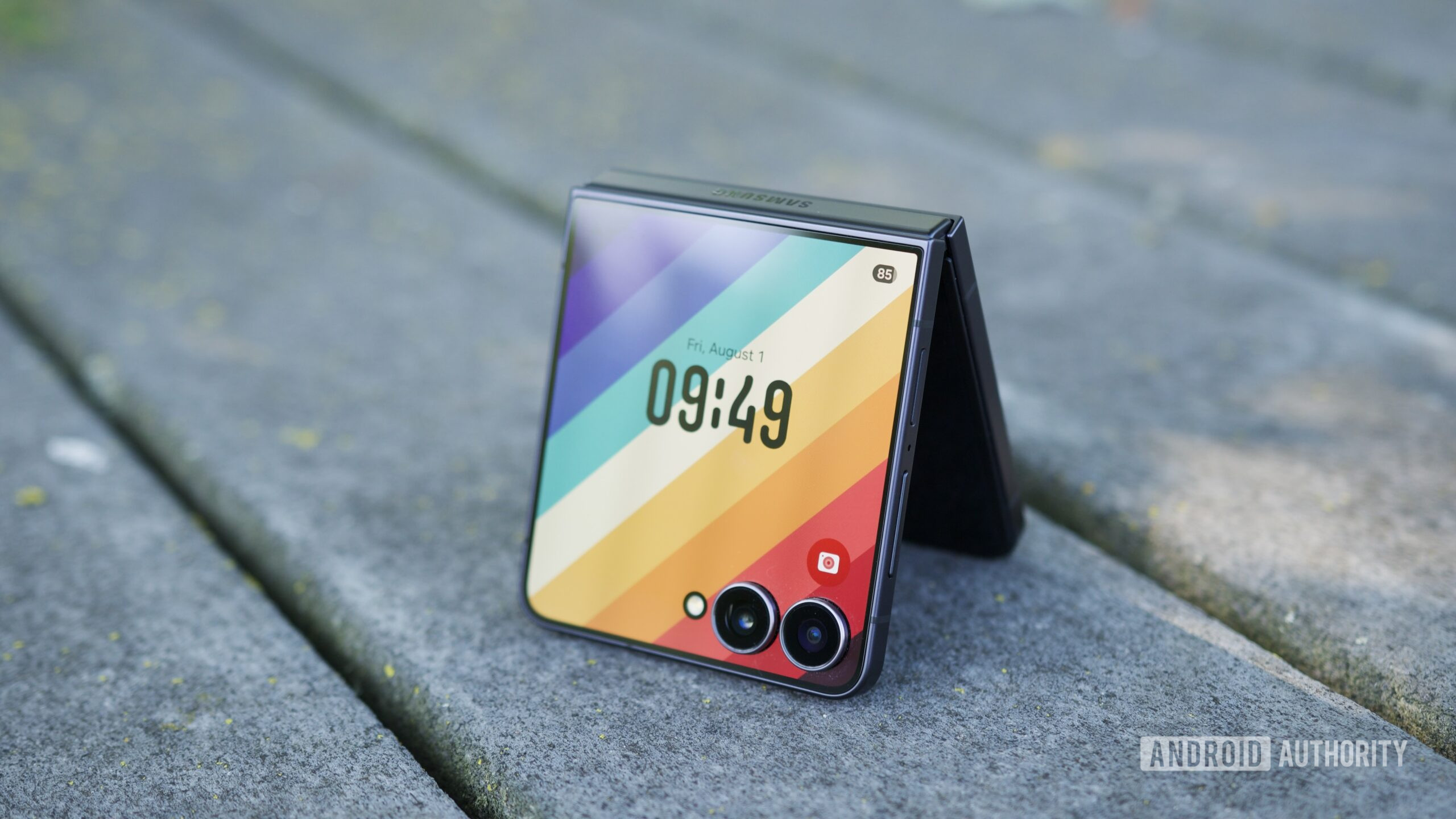
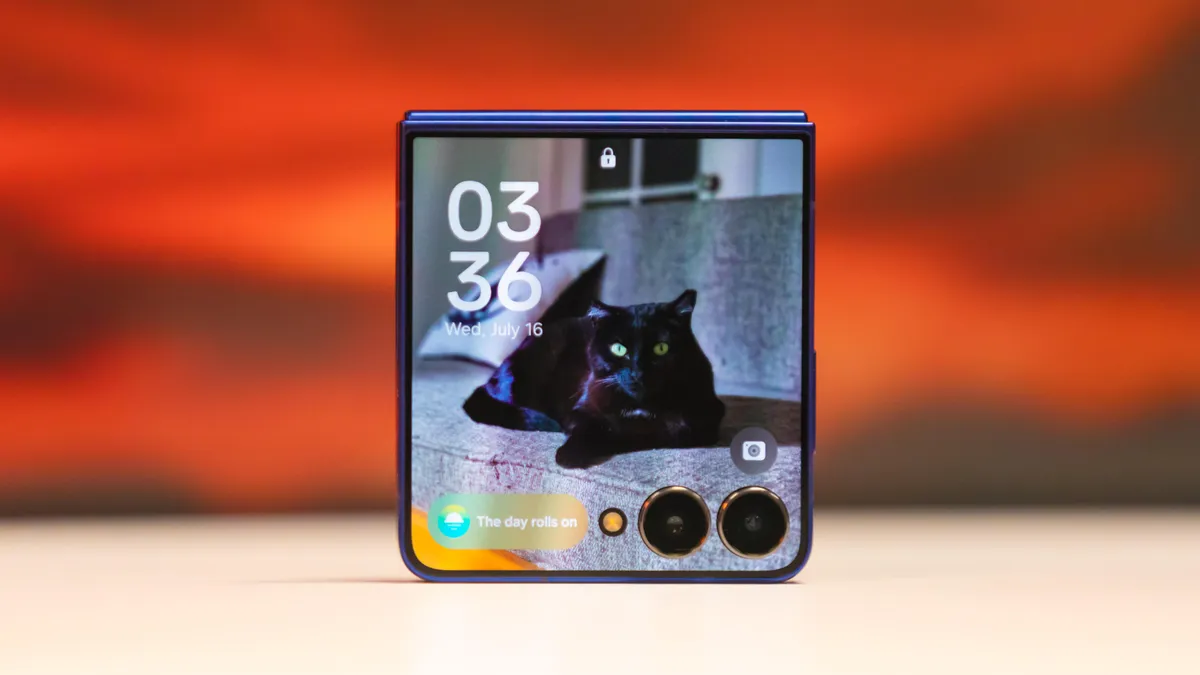
Samsung is about to unveil its latest foldable lineup, including the regular Galaxy Z Fold 8 and a wider model that leaks suggest will carry the main Fold branding. For most of its existence, the Samsung Galaxy Z Fold has let people carry a tablet-sized screen without the bulk, but the price was a cover display so tall and narrow that basic one-handed use felt awkward. The incoming design is Samsung’s admission that the old proportions were wrong. By going shorter and wider, reinforcing the hinge, and trimming weight, Samsung is not chasing spectacle; it is fixing pain points that held professionals back from using a foldable as their primary phone.
Thinner, lighter hardware: the foldable that will not weigh you down
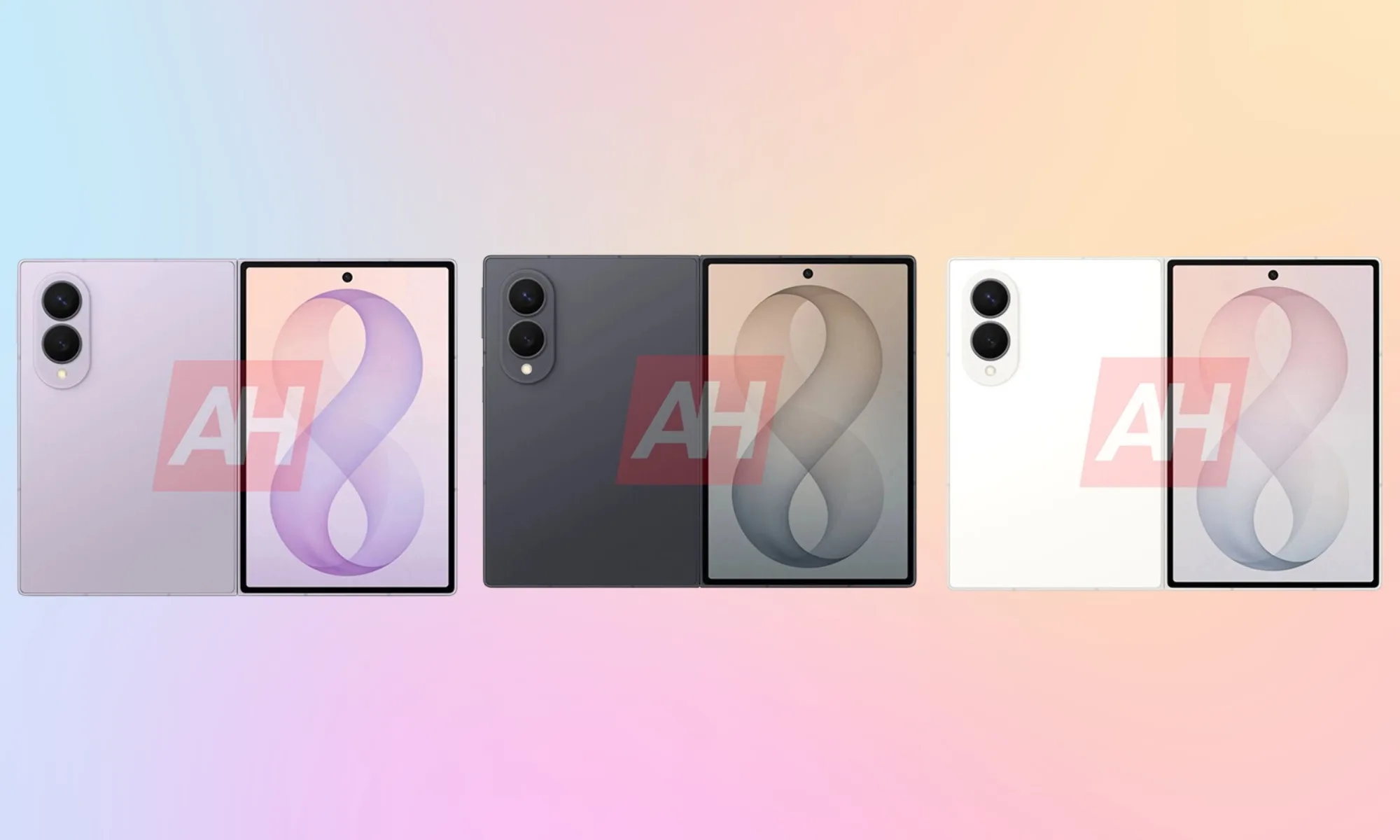
If the earlier Folds felt like carrying a metal brick, the next Galaxy Z Fold wants to feel like a normal premium phone that happens to open into a tablet. The wider Fold model is rumored to be around 4.5mm thin when unfolded and roughly 200–201 grams in weight, making it thinner and lighter than the previous Galaxy Z Fold 7. That matters far more than it sounds on paper. Professionals who already juggle a laptop, a tablet, and a phone have limited tolerance for another heavy slab in their bag or pocket.
Crucially, Samsung pairs this slim frame with a 4,800mAh battery, the largest cell yet in a Samsung foldable, plus 45W wired charging. This is the right design philosophy: do not chase ultra-thin at the cost of endurance. Given its larger battery and a more efficient Snapdragon 8 Elite Gen 5 "For Galaxy" chipset, the Fold 8 is expected to outlast the Fold 7 in real use. For once, portability and longevity appear to be moving in the same direction instead of fighting each other.
| Spec | Galaxy Z Fold 7 | Wider Galaxy Z Fold 8 |
|---|---|---|
| Weight | Heavier than 201g (exact not cited) | Around 200–201g |
| Thickness (unfolded) | Thicker than 4.5mm (exact not cited) | Approx. 4.5mm |
| Battery | 4,400mAh | 4,800mAh |
| Wired charging | 25W | 45W |
Wider display foldable: fixing the usability mistake
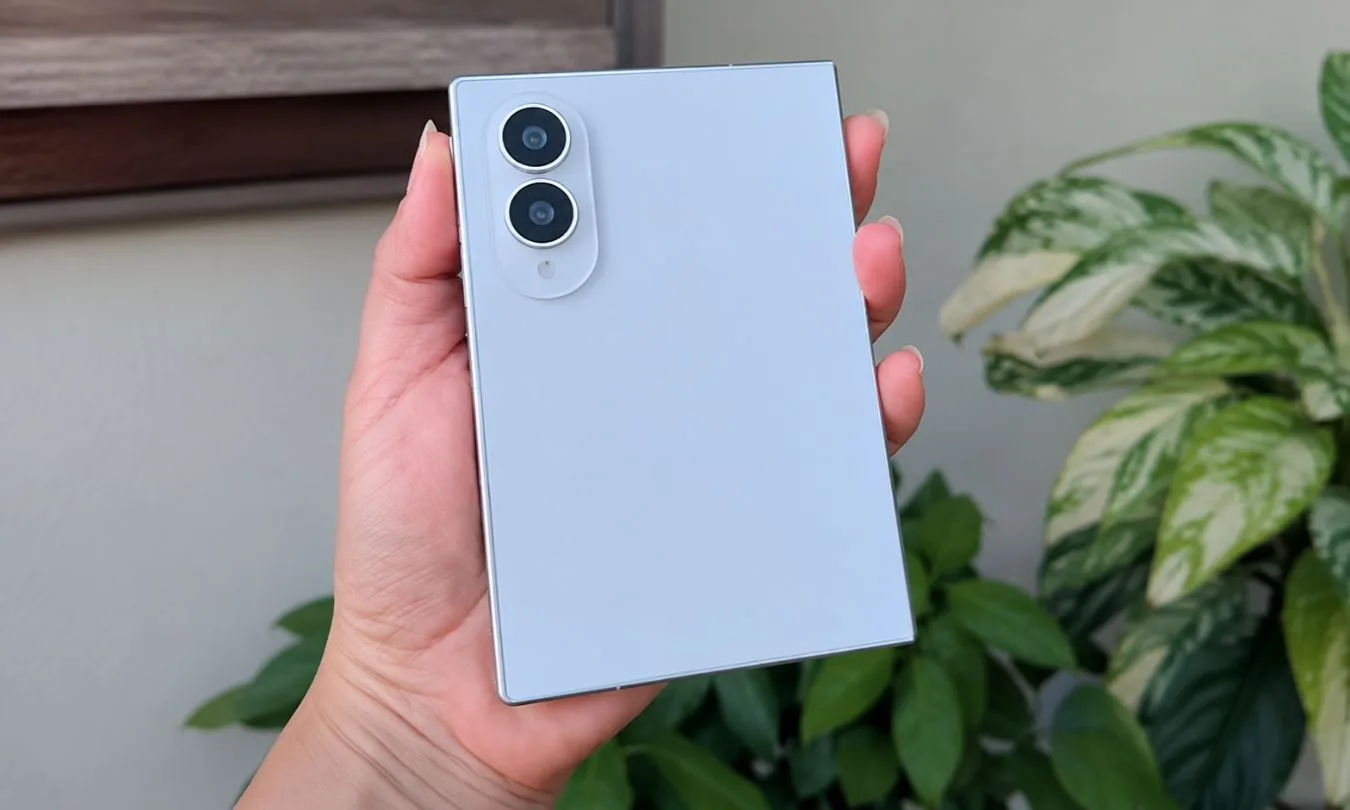
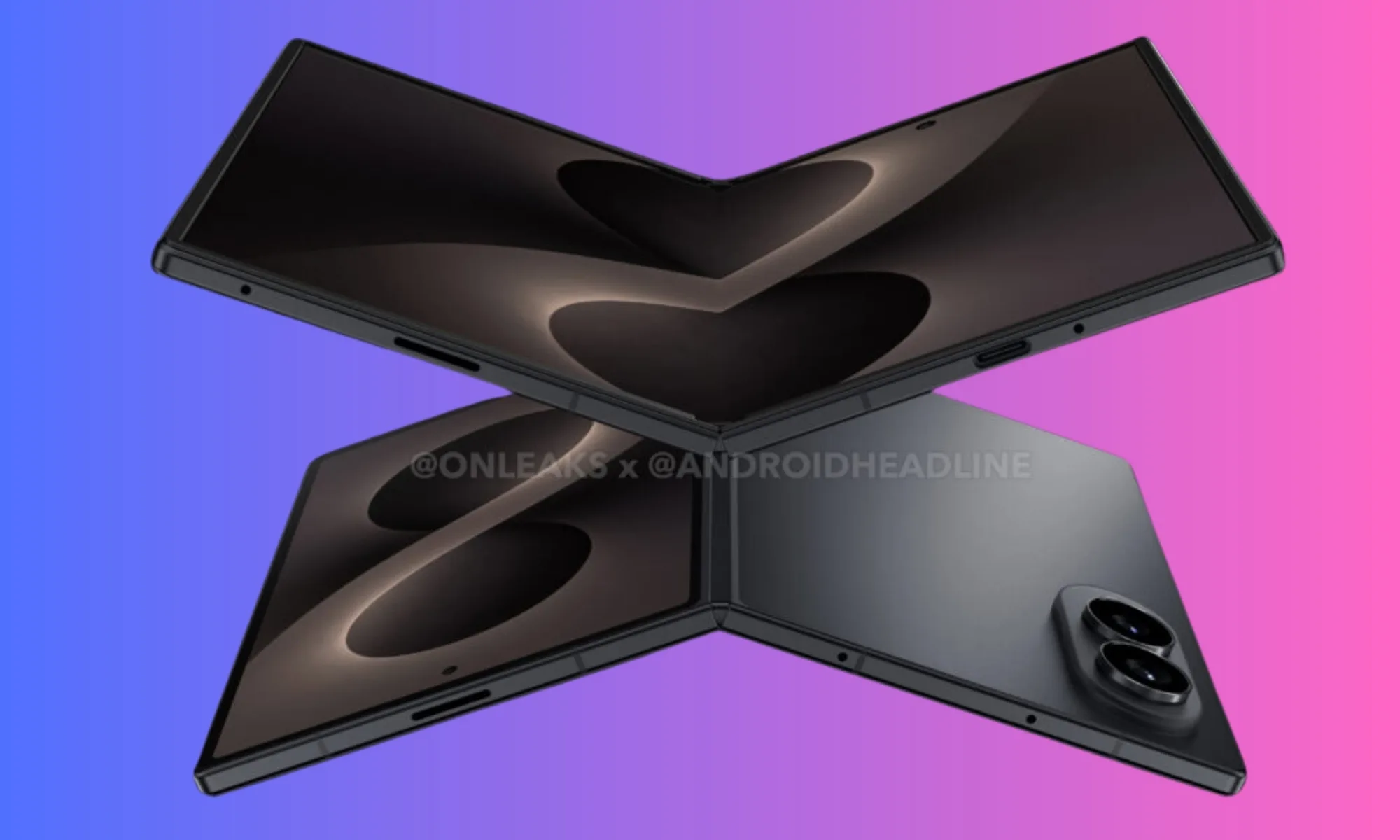
The biggest change is not the processor bump; it is the new passport-style shape. Previous Fold phones were tall and thin, shaped more like a remote than a book, which made the outer display cramped and the inner display letterboxed with thick black bars for video. Samsung is finally addressing that with the Galaxy Z Fold 8’s wider and shorter proportions. The "wide" version is expected to ship with a 5.5-inch cover screen and a 7.6-inch inner panel at 2448 x 1848, yielding a significantly wider aspect ratio than earlier Z Folds.
In practical terms, you get a cover display that you can type on without contorting your fingers and an inner canvas that suits multitasking and content. While most foldables still mimic the same tall form, this wider display foldable promises a cover screen that works like a normal phone and an inner screen that feels more like a compact tablet. Both AMOLED panels support LTPO 1–120Hz refresh rates, so they can scale down for reading and ramp up for smooth scrolling. For productivity, that means email, chat, and documents can live side-by-side without constant zooming and panning.
Hinge durability improvements: tackling the weakest link
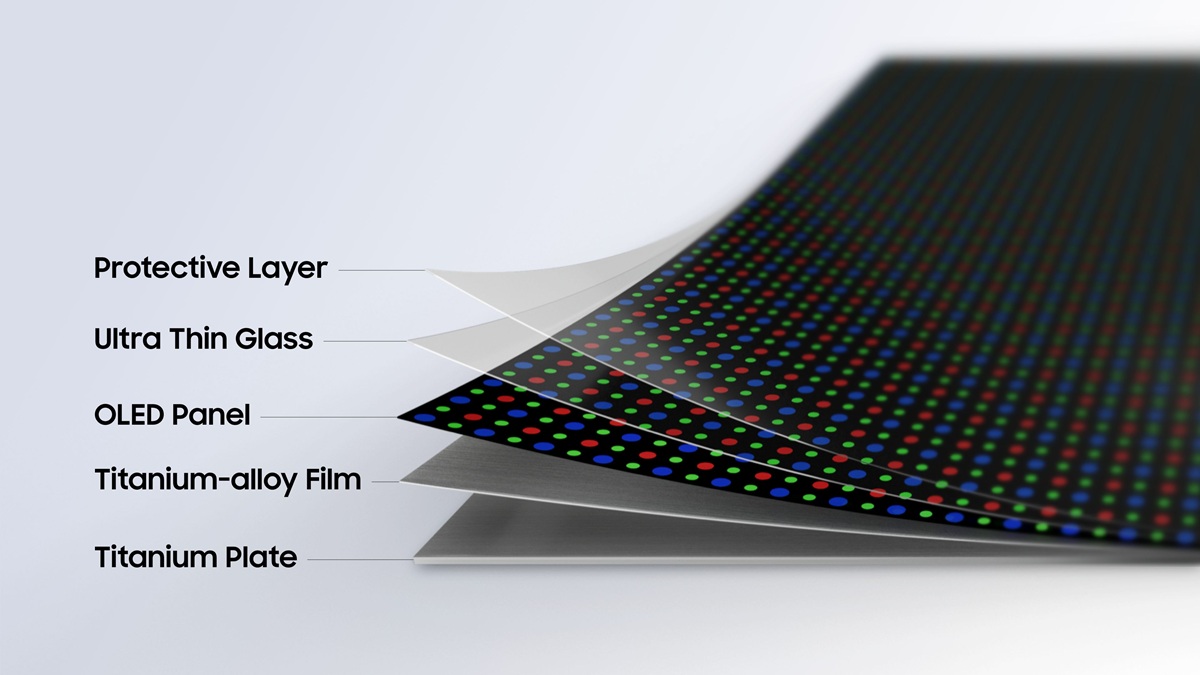
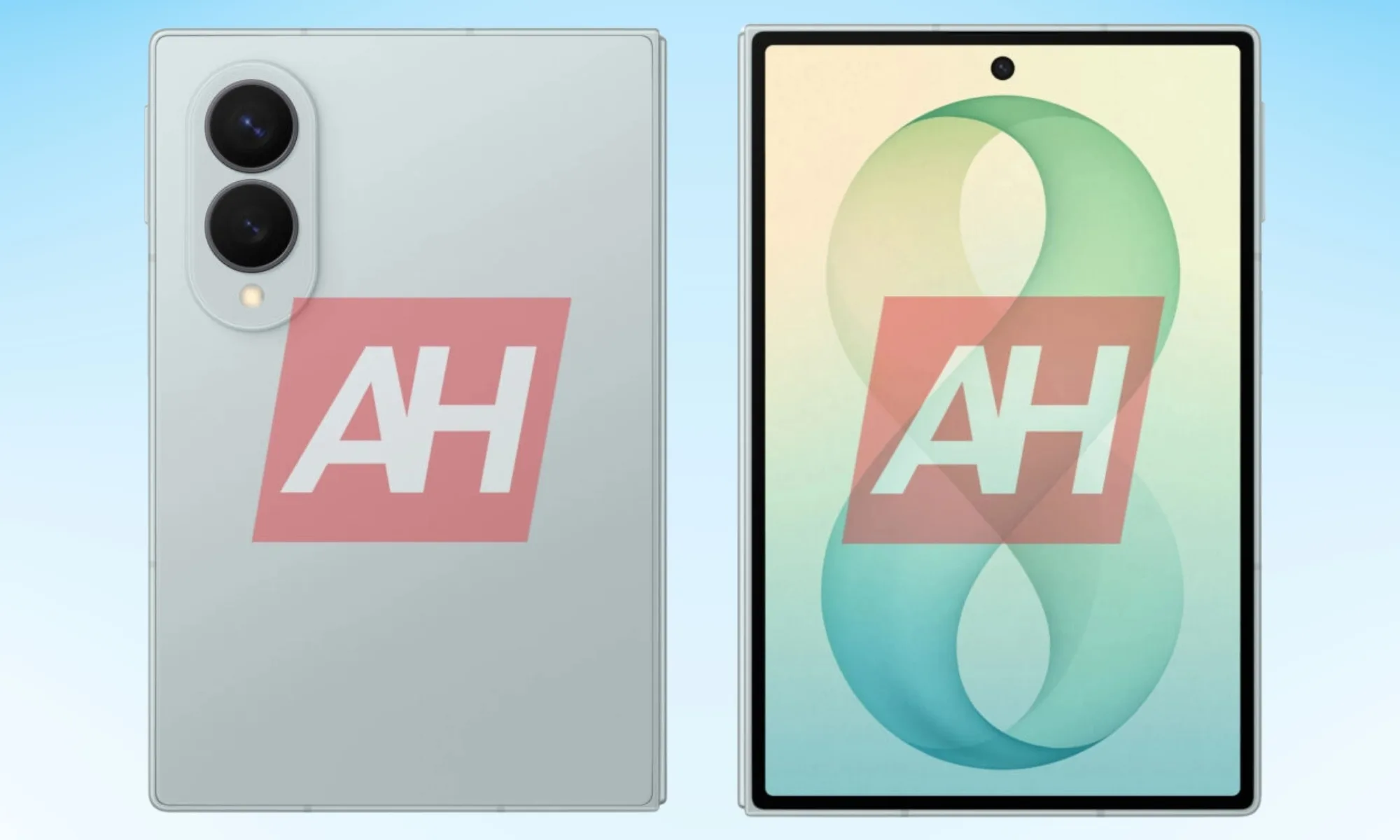
Foldables live and die by their hinge, and Samsung appears to know that is where trust has lagged. The company has teased a new titanium substrate in the foldable screen that should reduce crease visibility and improve durability. On top of that, it has confirmed Flex Titanium technology, which combines a titanium-alloy film with a titanium plate in the hinge structure to further strengthen the mechanism and the area around it. That is exactly where many buyers fear wear, debris, and failure.
These hinge durability improvements are not about bragging rights; they are about making the Z Fold feel as reliable as a conventional flagship. Pairing titanium elements with the latest Gorilla Glass on the front and back, plus an IP48 dust and water resistance rating, signals a shift in priorities from “look what it can do” to “trust it every day.” Professionals will not rearrange their workflows around a device they baby. If Samsung wants the Z Fold to replace both phone and tablet, it has to look and feel boringly durable, and this hinge redesign is a necessary step in that direction.
Why these steady upgrades make the Z Fold a main phone
Individually, a slightly wider screen, a bit more battery, or a lighter chassis might sound incremental. Together, they change what the Samsung Galaxy Z Fold is for. For the first time, Samsung is building a foldable that is as comfortable to use closed as it is open. Combine that with hinge durability improvements, higher charging speeds, and a refined One UI 9 experience tuned for split-screen and camera modes, and you get something closer to a laptop-lite productivity device than a flashy toy.
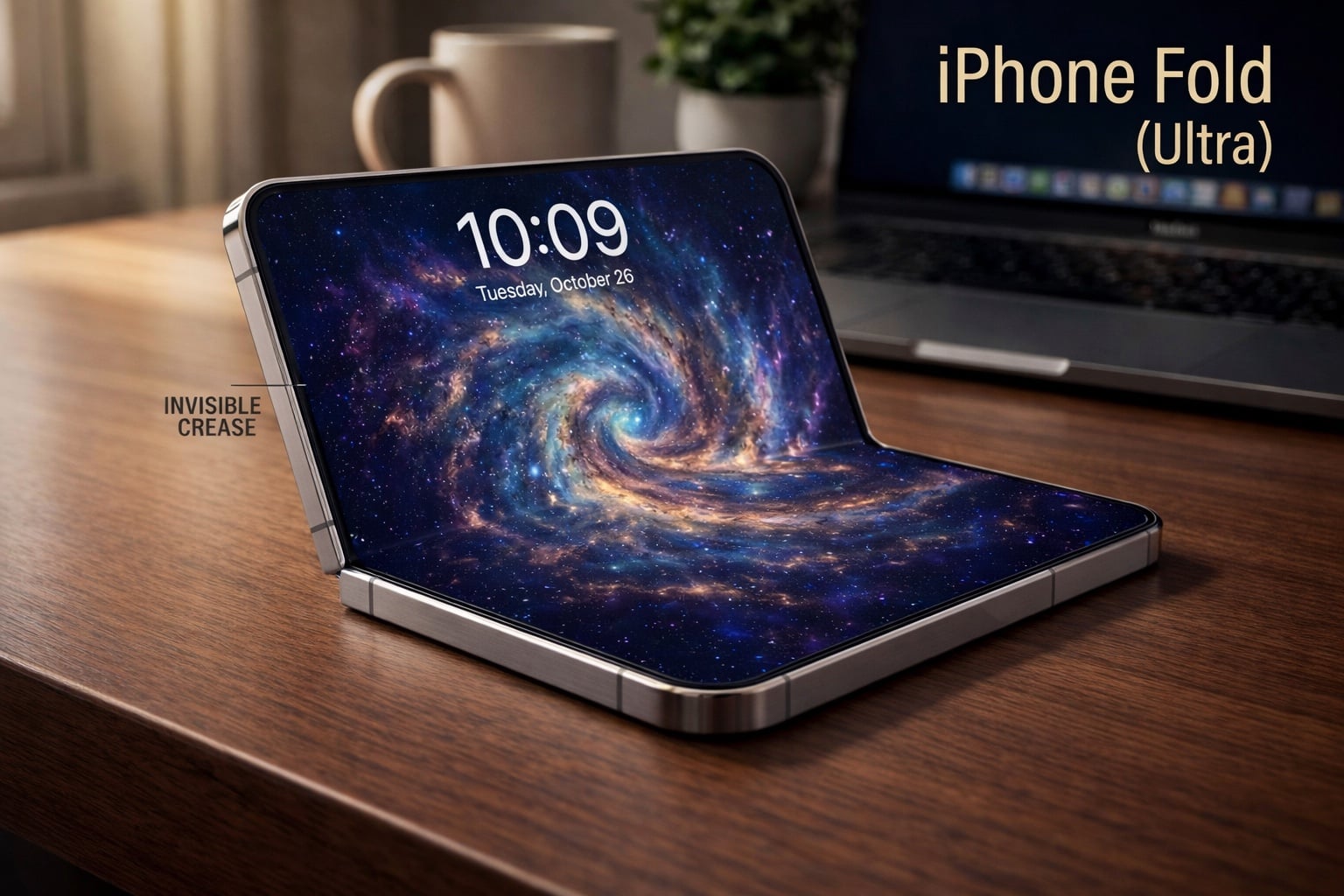
The rumored starting price of USD 1,899 (approx. ₱111,000) for 256GB storage keeps it firmly in ultra-premium territory, but that is the point. This is not meant to sit next to a regular flagship; it is meant to replace it. Competing foldables and a coming iPhone Ultra will pressure Samsung to keep improving, and waiting until those launches will give buyers a full competitive picture. Yet the direction is clear: as the Z Fold line becomes thinner, more durable, and easier to use in one or two hands, foldables stop being a novelty category and start feeling like the logical next step for power users.