
Pixel 11 Pro XL vs Galaxy S26 Ultra: what this comparison means
Pixel 11 Pro XL vs Galaxy S26 Ultra is a flagship phone comparison that pits a known, shipping Samsung device against an unreleased, leak-driven Google phone, helping buyers weigh proven reliability against the promise of higher upside performance, photography, and design experiments over the coming product cycle.
If you want a best premium smartphone you can buy now with stable performance and a long accessory list, the Galaxy S26 Ultra is the safer choice. If you are willing to wait and accept first‑generation uncertainty for potential gains in camera and processor tech, the Pixel 11 Pro XL is the more exciting option. The twist: timing. The Galaxy S26 Ultra has already launched, while the Pixel 11 Pro XL is still months away and known mostly from leaks and CAD renders. That timing gap shapes almost every decision in this high-end phone showdown, from how much risk you tolerate to how badly you need a new device right now.
| Spec focus | Pixel 11 Pro XL (leaked) | Galaxy S26 Ultra (launched) |
|---|---|---|
| Availability | Still months away; details based on leaks and renders | Already launched and on sale |
| Design philosophy | Subtle external refresh with revised camera bar and Pixel Glow RGB lighting | Evolution of a proven Ultra design with utility‑first accessories and S Pen in the box |
| Display highlights | 6.8-inch AMOLED, LTPO 1–120Hz, claimed 2,450‑nit outdoor brightness, 240Hz PWM dimming | High‑end OLED with Privacy Display feature and stronger protective glass (exact nit figure not detailed) |
| Processor platform | Tensor G6, first on 2nm, new GXP ISP and updated TPU; performance still unproven in real use | Snapdragon 8 Elite Gen 5 in major markets, continuing a familiar flagship performance profile |
| Camera strategy | New main and telephoto sensors plus new image signal processor, betting on a big reset | Same core sensor configuration as previous Ultra with wider apertures for refined low‑light gains |
| Unique hardware features | Pixel Glow RGB array in camera bar for notification lighting and identity marker | Integrated S Pen, expanding accessory ecosystem, and Qi2 support (magnetic charging via compatible cases) |
Design, displays, and usability: identity vs ecosystem
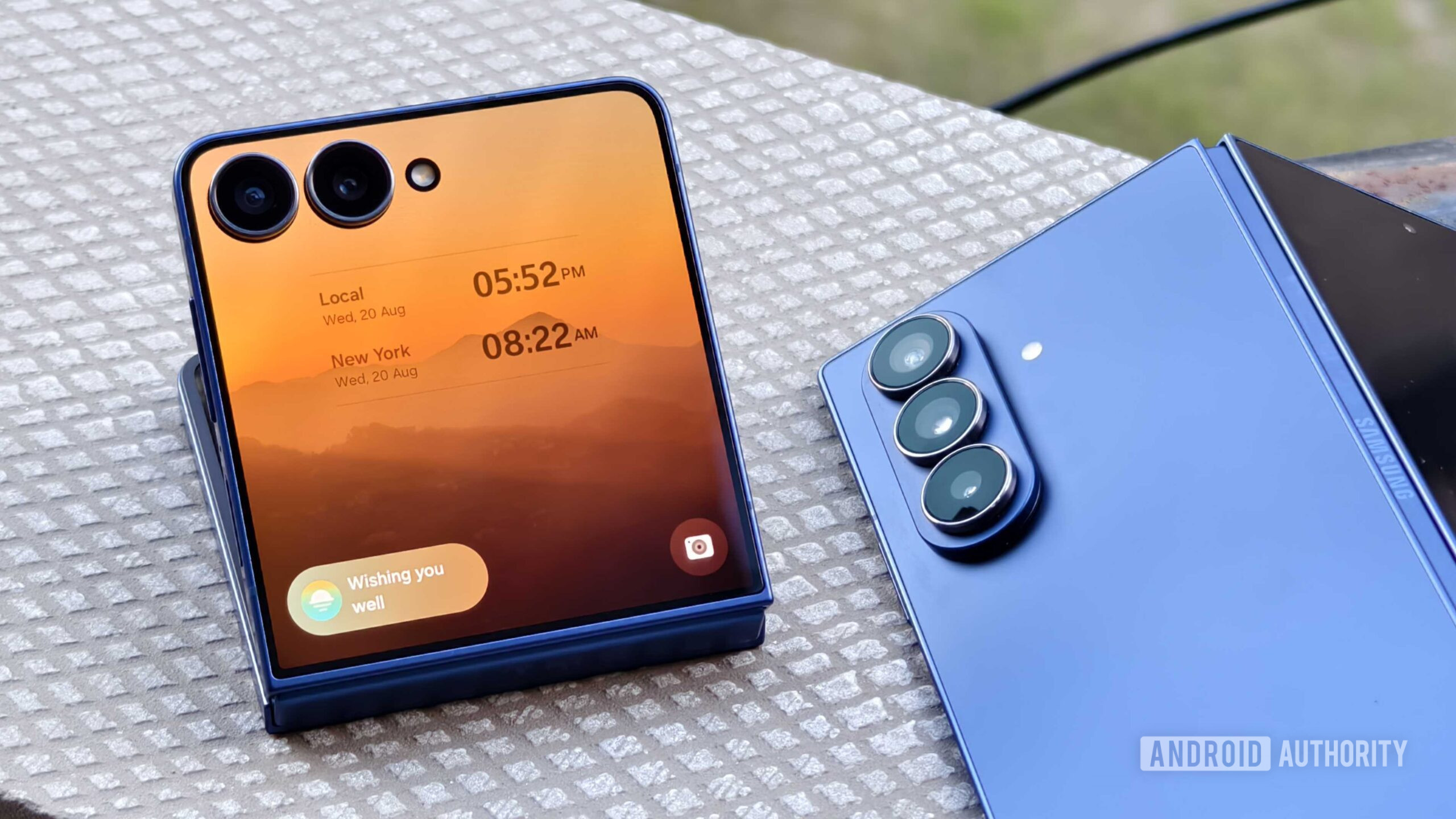
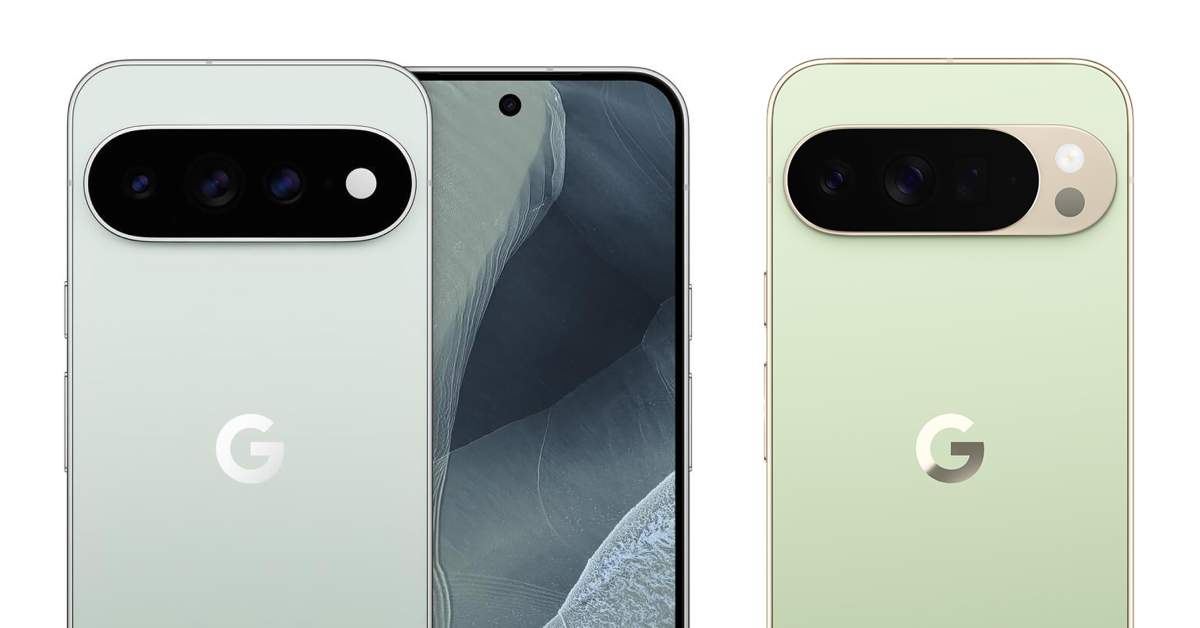
The design story here is identity versus ecosystem. On the Pixel 11 Pro XL side, leaks show a familiar chassis with a cleaner camera bar: a monochromatic strip replaces the old two‑tone oval, while dimensions and the 6.8‑inch AMOLED display barely change. A more radical move is Pixel Glow, an RGB LED array in the camera island where the temperature sensor used to be. It acts as visual notification lighting and a branding element, similar in spirit to other LED‑heavy phones. Whether it becomes useful or ends up disabled after the novelty fades is still unknown, but it signals that Google wants the Pixel to stand out on a table, not just in software.
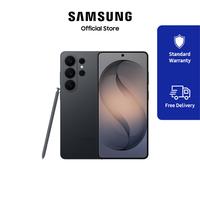
Samsung’s Galaxy S26 Ultra goes the other way. Its design leans on continuity, with colorways like Black, Cobalt Violet, Sky Blue, and White, plus an S Pen that visually matches the phone. The story is more about a mature accessory and software ecosystem: anti‑reflective screen protectors, magnetic and non‑magnetic cases, and Qi2 wireless charging where magnets live in the case, not the phone. That small friction point underlines Samsung’s approach: the phone is a stable core, and you build the experience with add‑ons. If you care more about fitting into a known ecosystem than having your phone light up on notifications, the S26 Ultra’s philosophy will feel more practical day to day.
Camera philosophies: Samsung’s refinement vs Google’s reset
Camera performance is where this high-end phone showdown becomes most polarised. Google is doing a near reset: on the Pixel 11 Pro XL, two of the three rear cameras—the main and telephoto—switch to new 50MP‑class hardware, codenamed "bastet" and "barghest". That hardware change arrives with the new GXP image signal processor inside Tensor G6, so both the sensors and the brain that processes them are new at once. This is ambitious. It could deliver sharper detail, better dynamic range, and more flexible zoom backed by Google’s computational photography, but it also raises the risk of tuning issues in the first months after launch if the pieces do not mesh perfectly.
Samsung has chosen stability. The Galaxy S26 Ultra keeps the previous generation’s 200MP main, 50MP ultrawide, 10MP 3x telephoto, and 50MP 5x telephoto configuration, changing only the optics. The main lens widens from F1.7 to F1.4 and the 5x telephoto from F3.4 to F2.9, which should mean cleaner low‑light images and improved detail in tricky scenes. Pre‑launch chatter about All Lenses on Prism for telephoto zoom remains unconfirmed and does not affect the buying decision today. In practical terms, if camera certainty is the priority, the S26 Ultra is the clear choice. If camera upside is the priority and you can tolerate some first‑wave uncertainty, the Pixel 11 Pro XL is the more interesting wager.
Performance, thermals, and the value of playing it safe
Under the hood, Google is taking more risks while Samsung builds on known strengths. The Pixel 11 Pro XL moves to Tensor G6, reportedly Google’s first 2nm chip with a 1+4+2 core layout, newer ARM C1 cores, a PowerVR GPU, an updated Titan M3 security chip, a new TPU, and the GXP ISP. On paper this addresses previous complaints about Pixel performance and connects AI workloads, imaging, and security tightly to Google’s silicon design. It also switches modem suppliers to move away from the Exynos modems that have been linked to connectivity inconsistency and thermal concerns in some conditions. However, Tensor G6 performance and thermal behavior are unproven outside spec sheets, and that matters for anyone who games heavily or records long, high‑resolution video.
The Galaxy S26 Ultra uses Snapdragon 8 Elite Gen 5 in major markets, a logical successor in a long line of high‑end chips. That gives it a more predictable performance profile for heavy multitasking and sustained workloads. One shared caveat: real‑world battery performance for both phones is still untested, so we do not yet know which will hold up better through long days. Price‑to‑performance calculus is also hard to pin down because Pixel 11 Pro XL pricing is unknown; without that number, you are comparing a concrete, feature‑dense Ultra against a Pixel defined by rumor and promise. For many buyers, that alone will tilt value toward Samsung unless Google launches with aggressive pricing or standout software perks.
Buy if / Skip if
- Buy the Galaxy S26 Ultra if you want a best premium smartphone you can own now with a proven flagship formula and predictable day‑one performance.
- Skip the Galaxy S26 Ultra if you prefer to gamble on Google’s next‑gen camera hardware and AI silicon instead of buying an incremental upgrade.
- Buy the Pixel 11 Pro XL if camera upside is your top priority and you are willing to wait and live through the first review cycle.
- Skip the Pixel 11 Pro XL if you need a phone immediately; it is still months away and based on untested leaks rather than shipping hardware.
- Buy the Galaxy S26 Ultra if the S Pen fits your workflow, because either you use a stylus regularly or you do not, and this device embraces that.
- Skip the Galaxy S26 Ultra if you value experimental design touches like RGB notification lighting over a conservative, utility‑first look.
- Buy the Pixel 11 Pro XL if you want Google’s bold 2nm Tensor G6 platform and are comfortable being an early adopter with unproven thermals and battery life.
- Skip the Pixel 11 Pro XL if uncertain pricing and untested real‑world battery performance make you uneasy about long‑term value.