
Flex Titanium: A Structural Answer to the Foldable Crease Problem
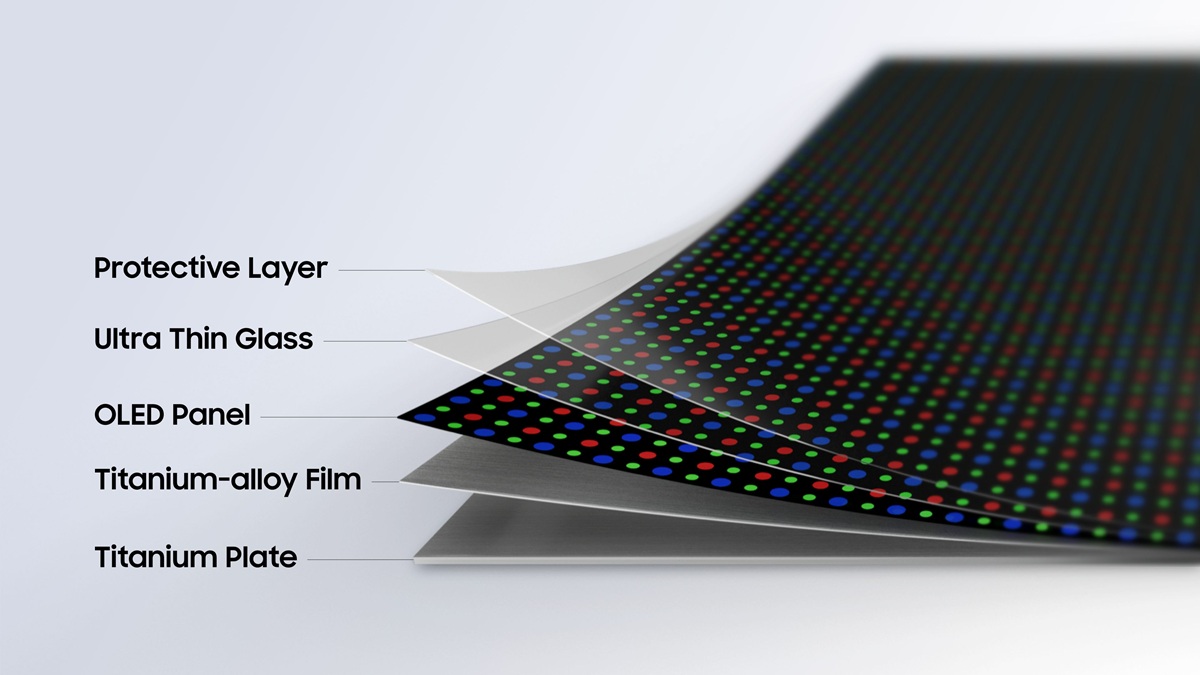
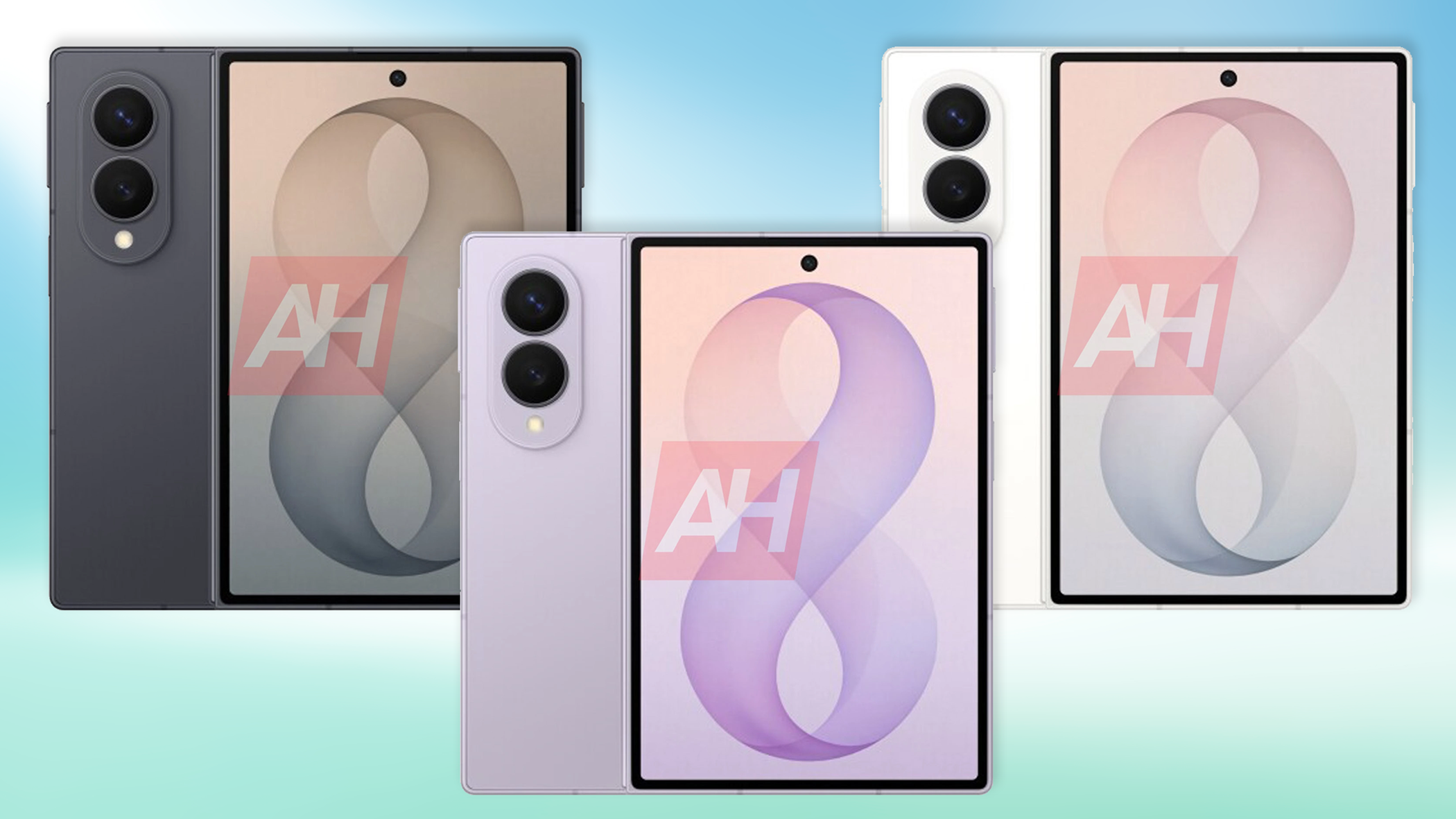
Flex Titanium is Samsung’s new foldable display technology for the Galaxy Z Fold 8 that combines an ultra-thin titanium-alloy film and a supporting titanium plate beneath the OLED panel to reduce visible screen creases while making the device slimmer and more durable. This is not a cosmetic tweak; it is a structural decision that treats the crease as a mechanical failure, not a mere aesthetic flaw. By moving stress away from the screen surface and into a controlled titanium stack, Samsung is betting that the era of tolerating folds that look tired after months of use should end. For anyone who has avoided a foldable because of that central line, Flex Titanium is Samsung’s attempt to say: the crease is neither inevitable nor acceptable in premium foldable display technology.
A Titanium-Alloy Film Thinner Than a Human Hair
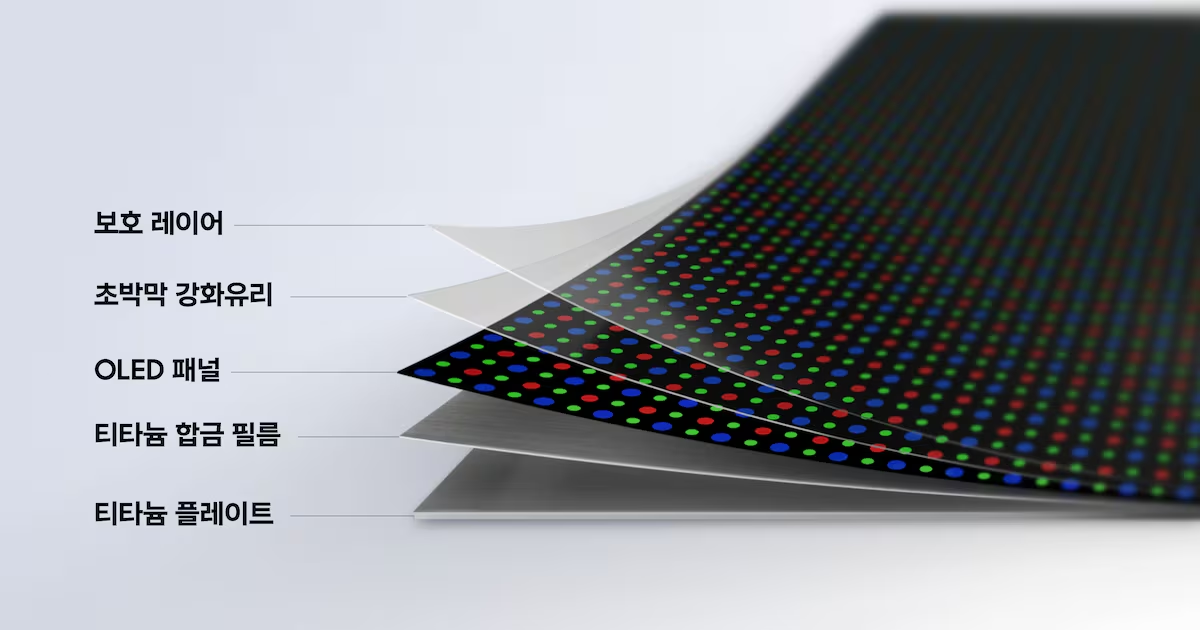
The heart of Samsung’s titanium flex display is a titanium-alloy film that sits directly beneath the OLED panel. At around one-third the thickness of a human hair, this layer is astonishingly thin yet around 20 times stiffer than the plastic films used in earlier foldables. That stiffness is the point: instead of letting the OLED stack flex and buckle unpredictably, the titanium film acts like a microscopic spine that shapes how the panel bends. Through an ultra-precision rolling process, the alloy is pressed into a uniform sheet that cuts overall product thickness while resisting external impacts and deformation. In plain terms, the crease becomes less visible because the screen is no longer the weakest, most flexible part of the fold—it is guided by a rigid, engineered layer that keeps bending within a narrow, controlled range.

Titanium Plate and Micro-Holes: Engineering Stress Away from the Screen
The titanium-alloy film does not work alone. Beneath it, Samsung adds a titanium plate that supports the display module during every fold and unfold. Instead of a solid slab, this plate uses micro-patterned holes in the hinge area to eliminate air gaps between the module and adhesive, increasing stability when the phone is opened flat while keeping enough flexibility for repeated folding. Samsung also reduces the size of micro-holes in the hinge region to distribute folding forces more evenly, preventing stress concentration and minimizing central creases. This is the quiet genius of the design: the plate turns the hinge zone into a stress-diffuser, not a stress-dump. The visible crease is nothing more than stress made visible over time. By redirecting that stress into a titanium grid, Samsung is attacking the root cause, not the symptom.
What This Means for Everyday Foldable Use
In practical terms, Flex Titanium targets the two biggest complaints about foldables: the nagging crease and doubts about long-term durability. Developed by Samsung Electronics and Samsung Display, the technology focuses on crease reduction while enhancing durability, and simultaneously thins the product by swapping softer plastic layers for a stiffer titanium stack. According to Samsung, the titanium combo substantially increases resistance to micro-cracks, the tiny failures that grow into visible creases over time. For users, that should mean a display that stays cleaner-looking across thousands of folds, with fewer visual distractions down the middle of the screen and more confidence when closing the device with one hand. It is a clear statement that crease reduction is now a core part of Samsung foldable innovation, not an afterthought patched with software tricks or viewing angles.
A Breakthrough in Foldable Display Technology, Not Just a Material Swap
The most important thing about Flex Titanium is that it reframes how foldable display technology should evolve. The industry already sees this not merely as a material upgrade but as a breakthrough in display structure and manufacturing processes. The ultra-thin titanium-alloy film and the micro-holed titanium plate are meaningful because they integrate into the folding mechanics, pushing stress away from the OLED panel and into a predictable titanium architecture. That directly ties aesthetics—crease reduction—to engineering choices about rigidity, thickness and hole patterning. Samsung’s own ambition is clear: “We will set a new standard for foldable displays through a thin design and improved crease reduction”. Whether rivals answer with their own titanium flex display ideas or entirely different approaches, Flex Titanium raises the bar. Foldables can no longer excuse an obvious crease; the engineering path to near-flat screens now exists.