
Flex Titanium: A Titanium Backbone for Foldable Screens
Samsung Flex Titanium display technology is a redesigned foldable screen structure that replaces traditional plastic support layers with a dual titanium-based backbone to increase stiffness, reduce crease visibility, and improve long-term durability in next-generation foldable smartphones.
This is the most serious attempt yet to fix the flaw everyone notices first on a foldable: the crease. Samsung is blunt that Flex Titanium is “built on seven generations of foldable innovation and engineering expertise,” and it exists for one reason—make folding screens feel less fragile and less compromised. If the company wants foldables to move beyond enthusiasts, that visible groove down the middle had to be attacked head-on, not masked with marketing shots and wallpapers.
How a Titanium Sandwich Changes the Display
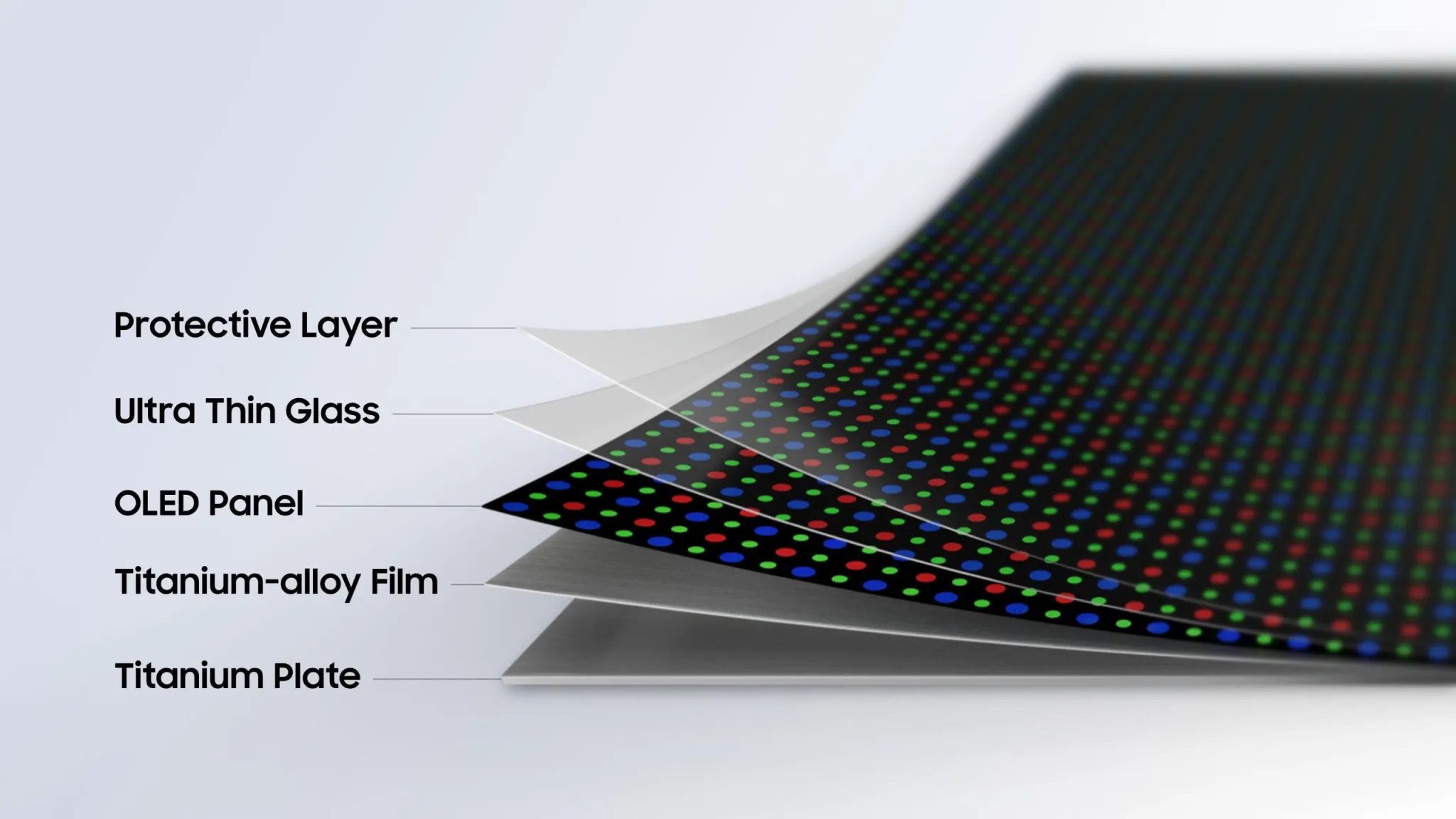
Under the hype, Flex Titanium is a structural rethink. Instead of relying on a polymer support film under the OLED, Samsung now uses two titanium-based components: a titanium-alloy film and a titanium plate. The titanium-alloy film sits directly beneath the OLED panel, taking over the job that plastic used to do, but with far greater stiffness while still staying thin. According to Samsung, this titanium-alloy film “provides 20 times greater mechanical stiffness” compared with conventional polymer film.
Below that, a titanium plate removes air gaps and bonds more tightly to the display module adhesive, creating more stable support when the phone is unfolded while still bending along the hinge. In other words, this is not a cosmetic tweak; the entire backbone of the screen has changed. That is why this counts as real foldable display innovation rather than yet another hinge marketing term.
From Plastic Film to Titanium: Why the Crease Shrinks
The crease has always been a symptom of a deeper problem: soft, plastic support films deform under repeated folding, so the panel settles into a visible groove. Flex Titanium attacks this by swapping that plastic layer for a titanium-alloy film with far higher mechanical stiffness and pairing it with the titanium plate underneath. This redesigned Samsung Flex Titanium display structure aims to deliver “a more refined viewing experience with enhanced durability and reduced crease visibility.”
Stiffer support means the panel bends along a controlled radius instead of collapsing into a sharp kink. The titanium plate’s tighter bonding eliminates tiny voids that can amplify that kink over time. The result, on paper, is clear: foldable phone crease reduction is baked into the hardware, not left to software tricks and wallpaper illusions. If Samsung pulls this off, the fold line should look more like a faint contour than a permanent scar.
Durability and Everyday Confidence, Not Just Specs
Reducing the crease is half aesthetics, half confidence. People hesitate to invest in foldables because they worry about fragile screens and long-term reliability. Flex Titanium is Samsung’s answer: titanium, a material used in satellite antennas and Mars rover wheels, is now in the spine of your phone display. The company says this new structure balances slimness, flexibility, and strength to withstand external shock and repeated folding while remaining thin enough for refined designs.
In practical use, this should mean fewer micro-flexes you can feel under your finger, a panel that feels more solid when fully opened, and less anxiety about every fold-unfold cycle. It is a clear attempt to address longstanding durability and aesthetic concerns in foldable smartphones through engineering, not slogans: more stable support when unfolded, yet enough give to fold thousands of times without sagging.
Why This Matters for Galaxy Z Fold 8 and Mainstream Foldables
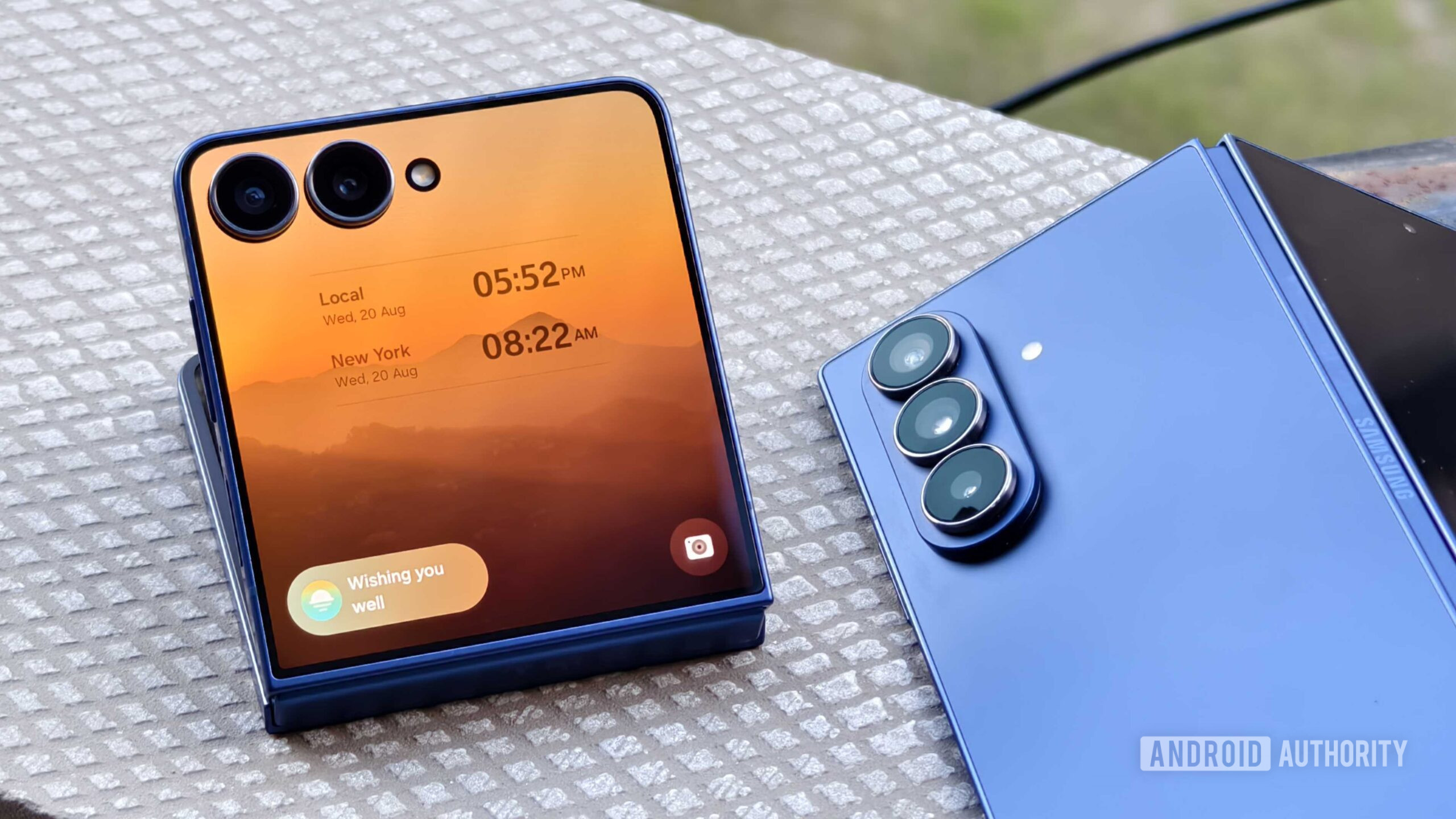
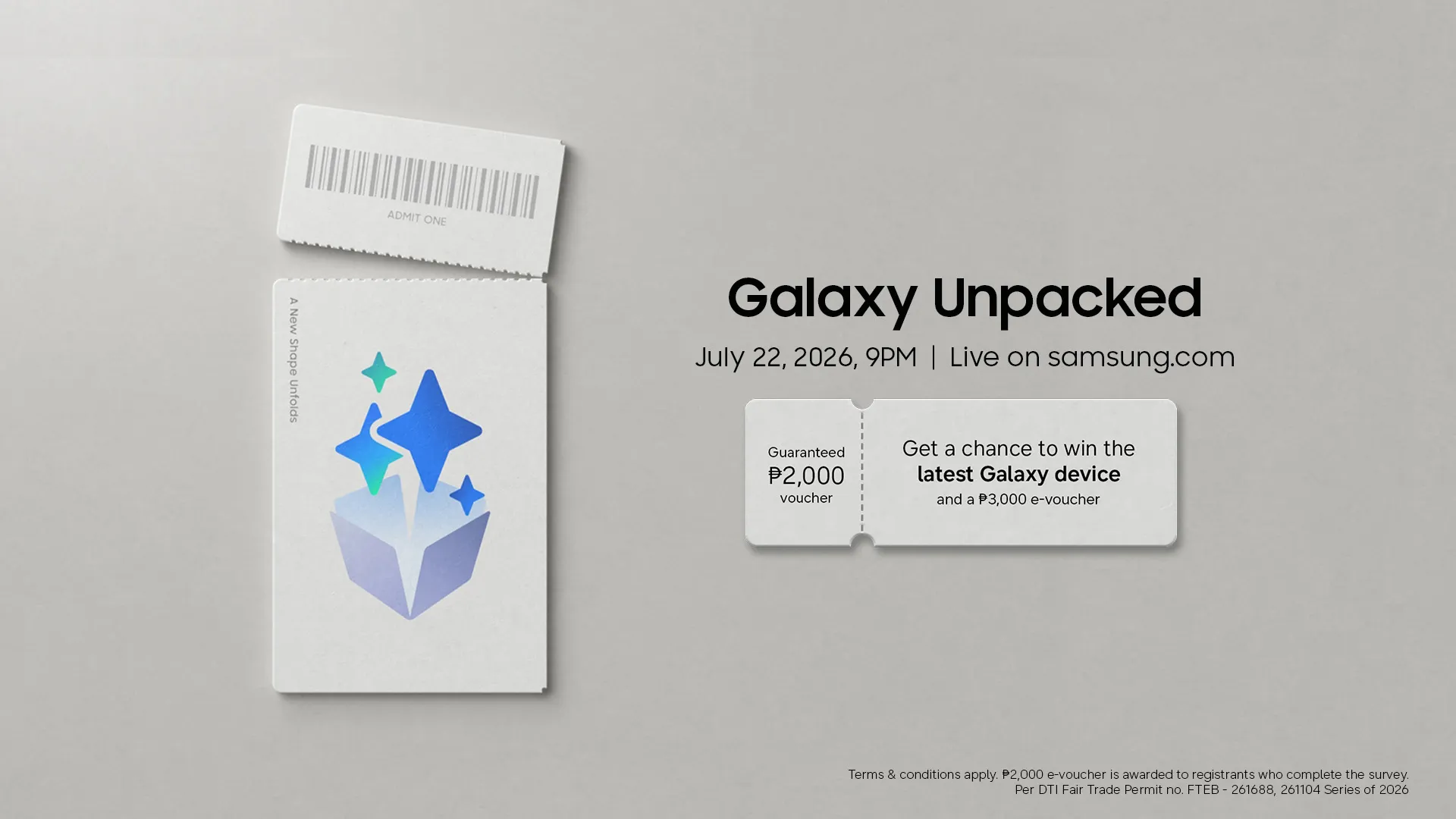
Flex Titanium is not a lab prototype; Samsung has confirmed it will debut with its next-generation Galaxy foldables, arriving at the company’s next Unpacked event on July 22. That means Galaxy Z Fold 8 technology—and likely the Galaxy Z Fold 8 Ultra and Galaxy Z Flip 8—will ship with this titanium-based display backbone out of the gate. Samsung is positioning it as the culmination of seven generations of foldable experience, not a side experiment.
This is the clearest sign yet of where Samsung wants foldables to go: away from delicate gadgets and toward practical, everyday phones. Foldable display innovation here is unapologetically focused on pain points users complain about most. If Flex Titanium delivers the crease reduction and durability gains Samsung promises, the Z Fold 8 and Z Flip 8 could be the first Galaxy foldables that feel ready for mainstream skeptics, not just early adopters.