
The GPU plot twist: price correction that favors older cards
The recent return of the RTX 3060 to its original launch price highlights a market shift where older and used GPUs now deliver better value than many current budget graphics cards, reshaping how cost-conscious gamers should think about upgrades.
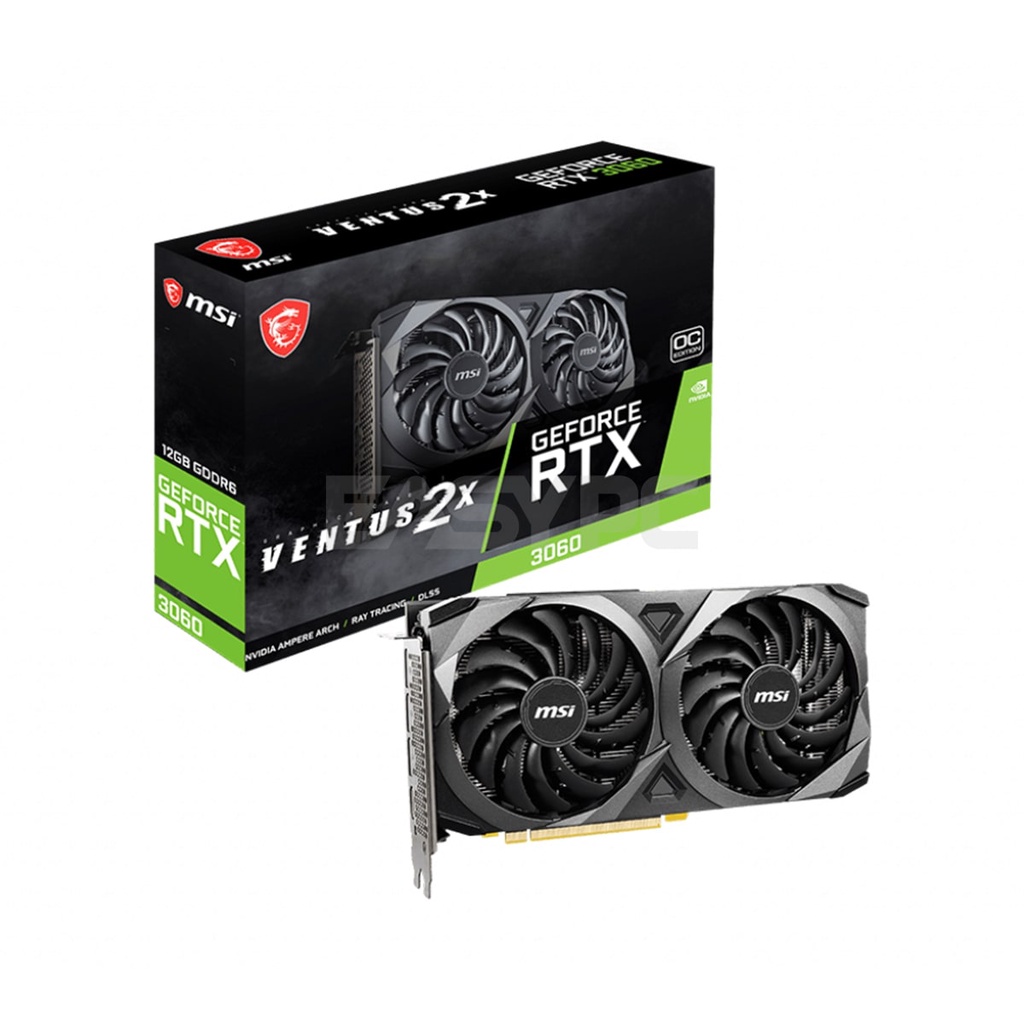
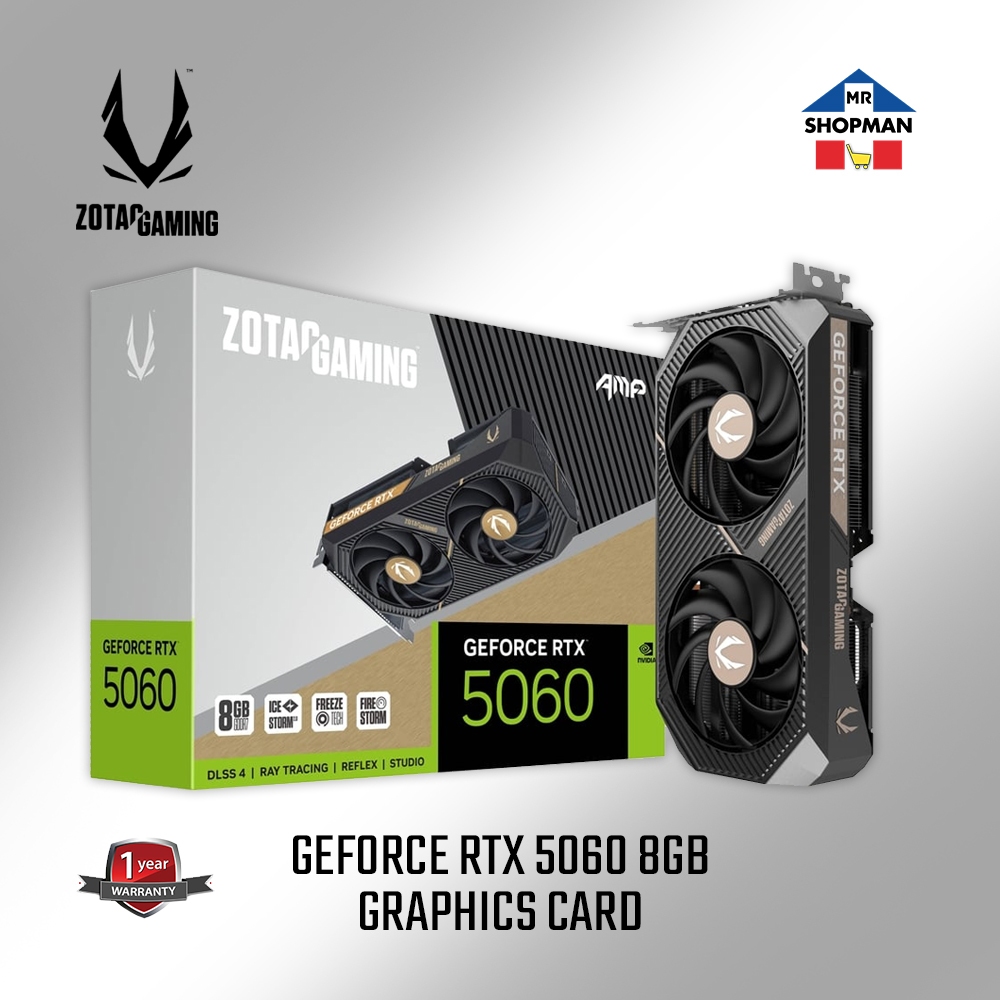
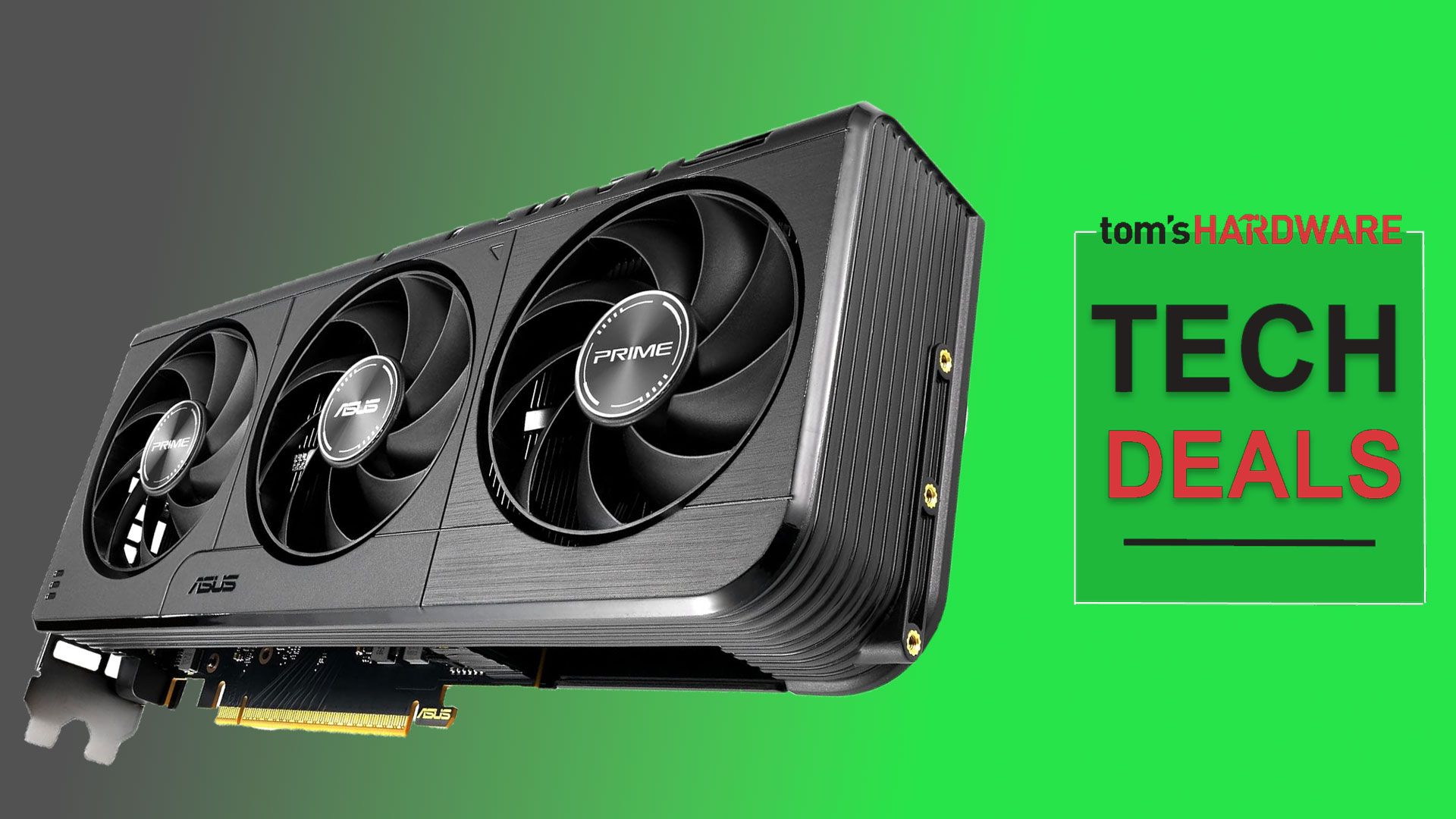
Sixty-six months after launch, the Nvidia RTX 3060 12GB has reappeared at retail for its February 2021 MSRP of USD 329 (approx. ₱19,000), matching its original price to the dollar. Earlier this month, an MSI Ventus RTX 3060 12GB was spotted at exactly USD 329 (approx. ₱19,000) on Newegg, confirming the reset of the RTX 3060 price. That would be unremarkable if the rest of the budget stack had moved on. It has not. Instead, the so‑called new entry-level option, the RTX 5060, manages to be faster on paper yet a weaker deal in practice because it ships with an “Achilles’ heel for a VRAM buffer.”
This is why the 3060’s quiet comeback matters: it exposes how five years of alleged progress in the budget tier have delivered more marketing than meaningful value. For anyone chasing budget GPU deals, the smart money has shifted toward older silicon, not shiny new boxes.
VRAM vs raw speed: why the RTX 3060 can outvalue the RTX 5060
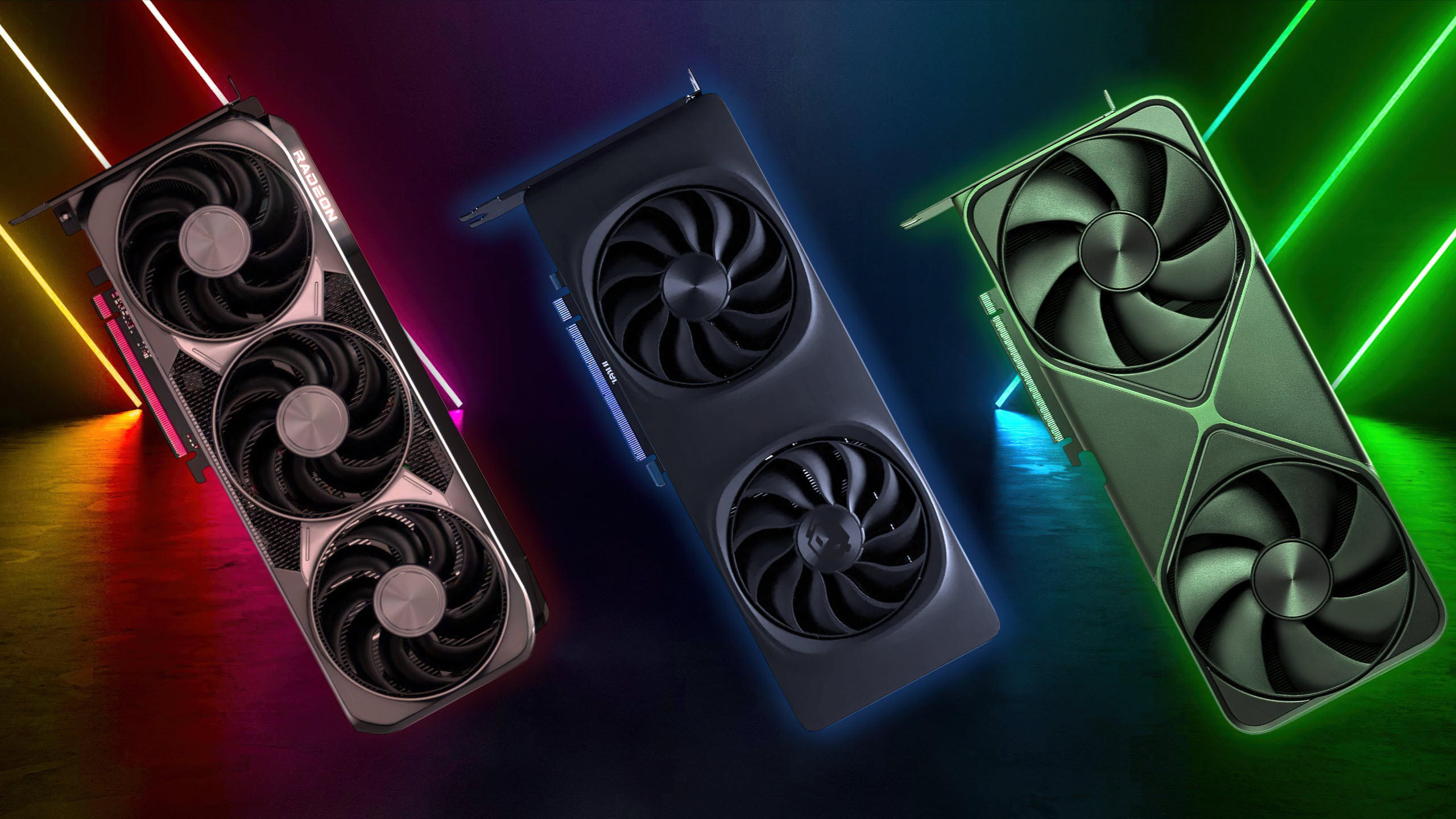
On a benchmark chart, the RTX 5060 looks like an easy win. It outperforms the RTX 3060 by roughly 40–60% in many games and ships with newer encoders, Blackwell-era features, and access to Nvidia’s latest frame generation tricks. If frames per second per dollar were the entire story, the 3060 would be dead in the water. But that framing ignores what has changed most in modern games: memory demands, not just compute power.
The RTX 5060’s 8GB VRAM buffer is the real problem. As the source explains, VRAM pressure was a resolution problem in 2021 but has become a content problem in recent titles, as texture pool sizes, ray tracing buffers, frame generation overhead, and modern console-port working sets have grown independently of resolution. This is why the “8GB filtering wall” now appears even at 1440p and 1080p.
Meanwhile, the RTX 3060’s extra 4GB of memory gives it room to breathe in exactly these scenarios. It is not the faster chip, but it is the more complete product for real-world gaming, where stutter and texture pop-in kill enjoyment faster than a 10% lower average FPS. In a straight GPU value comparison between these two, the older card wins because it was built for a market that assumed larger VRAM buffers, not one that gambled on cutting corners.
Used graphics cards: where budget GPU deals turned up
The RTX 3060’s price reset is only half the story. The other half lives in the used graphics cards market, which is quietly where the best budget GPU deals are hiding. One source puts it plainly: “Used GPUs are keeping budget gaming alive.” If you have around USD 150 (approx. ₱8,600) to spend, eBay is described as a great place to hunt for a pre‑owned graphics card.
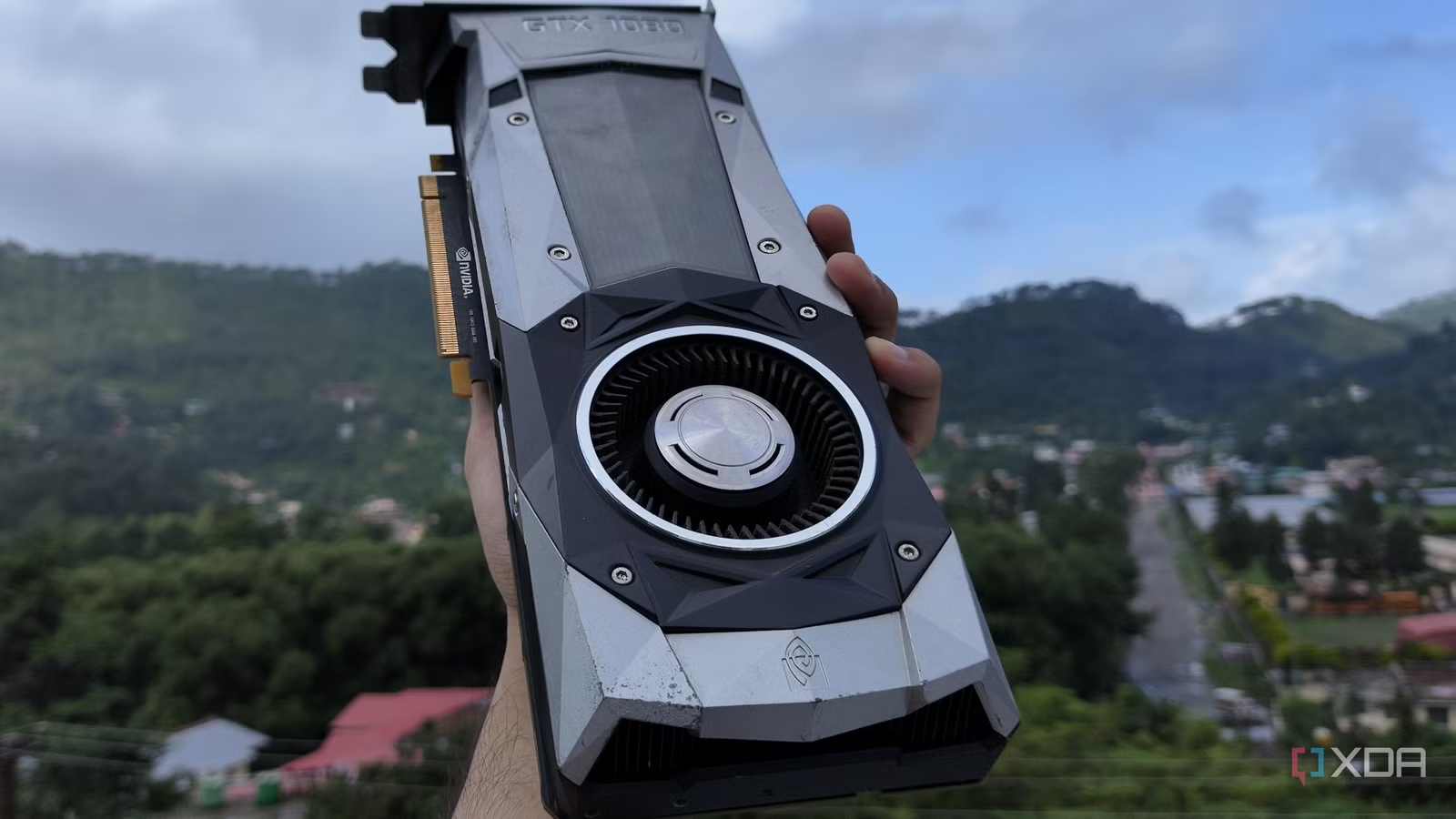
There, cards like the RTX 2080 Super and GTX 1080 Ti are still recommended as excellent budget choices for current titles. An RTX 2080 Super sits around USD 150 (approx. ₱8,600) on the used market and delivers flawless 1080p gaming, with 70–80 FPS in demanding titles like Cyberpunk 2077 at 1080p High before enabling upscaling. With quality upscaling, frame rates climb well past 100.
The same source highlights that at “just half that amount” of the cheapest current-gen cards, which start around USD 300 (approx. ₱17,200), a used RTX 2080 Super can beat them in rasterized performance. At the extreme low end, a USD 50 (approx. ₱2,900) used GPU can still power a retro build. In other words, the budget value stack has inverted: last‑gen and older cards, especially used, deliver more real gaming for every unit of currency spent than new entry-level offerings.
The catch: shared weaknesses of older and budget GPUs
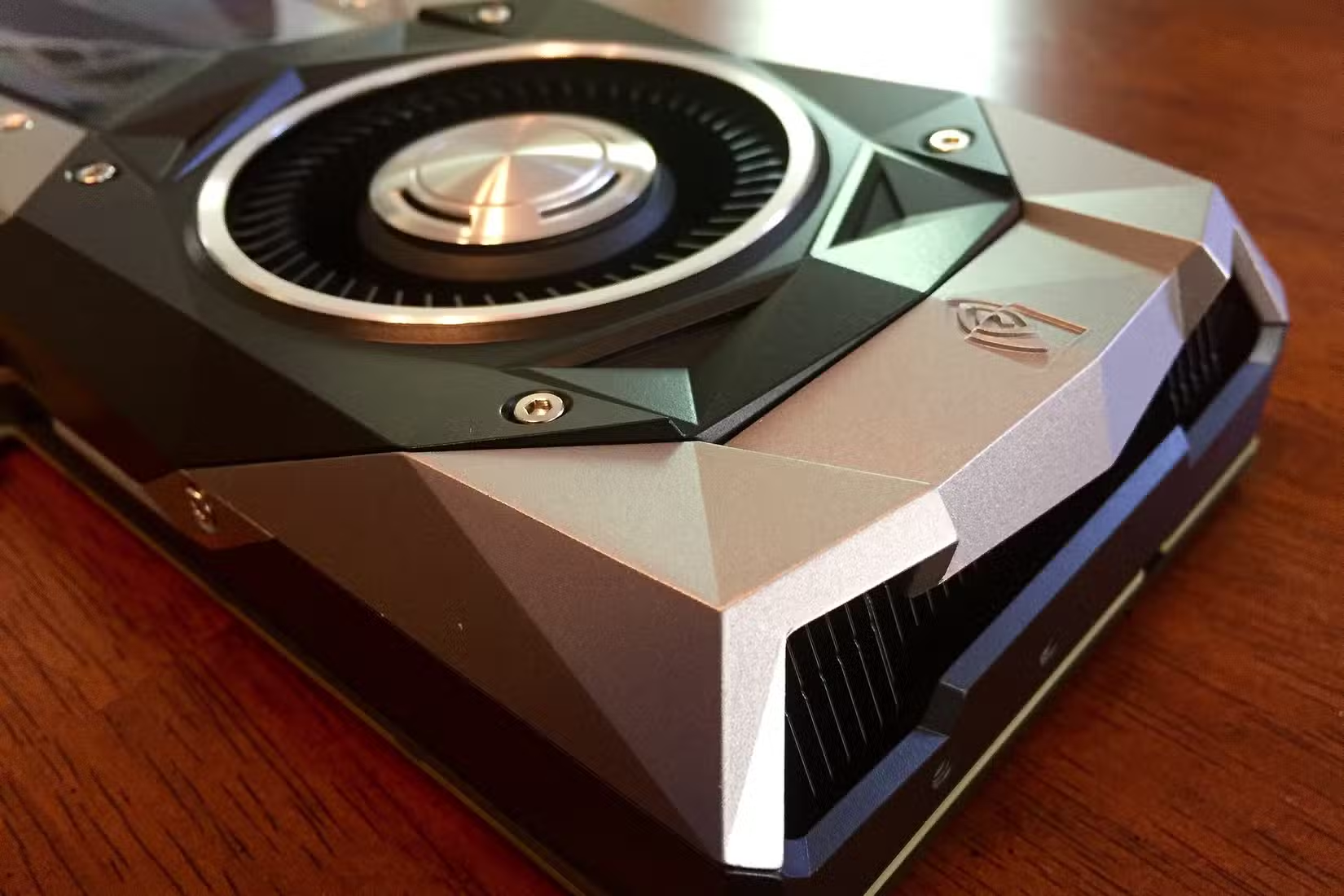
This is not a fairy tale where older GPUs have no downsides. Many share weaknesses that matter depending on which games you play. Some older cards lack modern features such as mesh shaders, which means titles like Alan Wake 2 and Black Myth: Wukong do not perform well on them. Others, especially first-generation ray tracing parts, struggle to deliver playable frame rates when ray tracing is enabled in newer games, even if they hold up in rasterized performance.
The RTX 3060 itself is far from perfect. It is a modest Ampere GPU, and its return to a USD 329 (approx. ₱19,000) MSRP does not magically transform it into a high-end option; it is valuable because the newer budget tier regressed, not because the card improved. The RTX 5060, for its part, shows that modern budget cards can still be hamstrung by design choices like insufficient VRAM, which becomes a form of shared weakness across the entry-level stack.
The lesson for buyers is not “old is always better,” but that GPU value comparison in 2026 demands more nuance. You must balance missing features and aging architectures against price and VRAM, rather than rely on generation labels or launch windows.
Conclusion: vote with your wallet, not the release date
The RTX 3060’s reappearance at its February 2021 MSRP is more than a curiosity; it is a symptom of a market correction that finally leans toward consumer wallets. Its resurrection “feels timely, and I daresay almost necessary,” as one source notes, because the current budget lineup has failed to offer convincing value.
Meanwhile, used GPUs are keeping budget gaming alive by undercutting new entry-level cards while outperforming them in rasterized workloads and, in some cases, VRAM capacity. When an RTX 2080 Super at roughly USD 150 (approx. ₱8,600) can beat much newer USD 300 (approx. ₱17,200) cards at pure raster performance, generational prestige stops mattering.
The takeaway is simple: stop assuming that “new” equals “better value.” In the current market, older GPUs such as the RTX 3060 and well‑priced used cards deliver a superior performance-per-dollar story than Nvidia’s latest budget options. Smart budget GPU deals come from paying attention to VRAM, used pricing, and real-world game behavior—not from chasing the newest logo on the box.