

Galaxy Glasses: Samsung’s Bid to Own the Face of Wearable AI
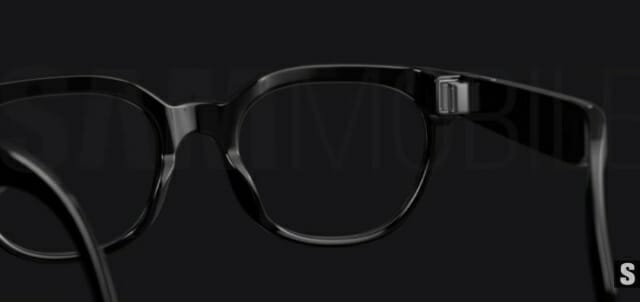
Samsung Galaxy Glasses are AI smart glasses that combine a lightweight everyday eyewear design with on-device intelligence for translation, navigation, camera capture, and voice assistance, aiming to move core smartphone experiences directly into the wearer’s field of view and reshape the emerging smart glasses market. Samsung Electronics will unveil its first glasses‑type AI device, the Galaxy AI Glasses (also called Galaxy Glasses), at the Galaxy Unpacked event in London on July 22, alongside its latest foldable phones and watches. This is not a side experiment; it is Samsung’s official entry into AI smart glasses and a clear statement that wearable AI devices are no longer limited to watches and rings. With Meta holding about 80% of the global smart glasses market today, Samsung is picking a very visible fight—and betting its ecosystem can match Meta’s head start.
Why Meta’s Comfortable Lead in AI Smart Glasses Just Vanished
Until now, Meta has enjoyed a near‑monopoly in AI smart glasses by pairing a lightweight frame with a camera and AI voice features, gaining strong commercial traction and a first‑mover advantage. According to a market research firm cited in the industry, Meta currently controls about 80% of the global smart glasses market. That kind of dominance usually scares rivals away; Samsung is reading it differently. The company is positioning Galaxy Glasses as the moment the smart glasses market stops being a one‑brand experiment and becomes a real platform battle. Industry watchers already describe this as “a major shift” in a segment long dominated by Meta Platforms. With Samsung entering in partnership with Google’s AI and Android XR, Meta’s comfortable lead turns into a two‑front war: hardware design on one side, ecosystem and services on the other.
Inside Galaxy Glasses: Lightweight Frame, Heavy AI Ambition
Samsung’s pitch is simple: AI smart glasses must feel like normal glasses and behave like an invisible assistant. Early information suggests Galaxy Glasses will weigh around 50 grams—close to common plastic‑frame eyewear and far lighter than headset‑style devices that never escape the gadget niche. That low weight matters more than any spec sheet bragging right; it’s what turns wearable AI devices into something people wear all day instead of for tech demos. Under that frame, Samsung is expected to use Qualcomm’s Snapdragon AR1 platform, a ~155mAh battery, and directional speakers. The glasses will reportedly run on Android XR and Google’s Gemini model, enabling real‑time translation, photo capture, navigation, music playback, and voice assistant features directly through the glasses or connected devices.
The User Promise: Everyday AI Without Reaching for a Phone
Where Galaxy Glasses could genuinely unsettle Meta is in daily usefulness. The device is expected to recognize what the wearer looks at—an unfamiliar sign, a foreign‑language menu—and provide translation and navigation help in real time through voice or a linked device. Add schedule management, messaging, weather, and real‑time alerts triggered by voice alone, and the pitch becomes: stop pulling out your phone for micro‑tasks. Samsung also plans tight integration with its broader Galaxy AI ecosystem. The Unpacked event will bring new foldables and AI‑enhanced watches, including the Galaxy Watch 9 series, which aims to evolve into an AI health coach that interprets heart data, sleep patterns, and daily strain to offer personalized advice. In that context, Galaxy Glasses are not a one‑off gadget; they are the missing display for Samsung’s ambient AI story.
A New Phase for the Smart Glasses Market—and the Wearable AI Arms Race
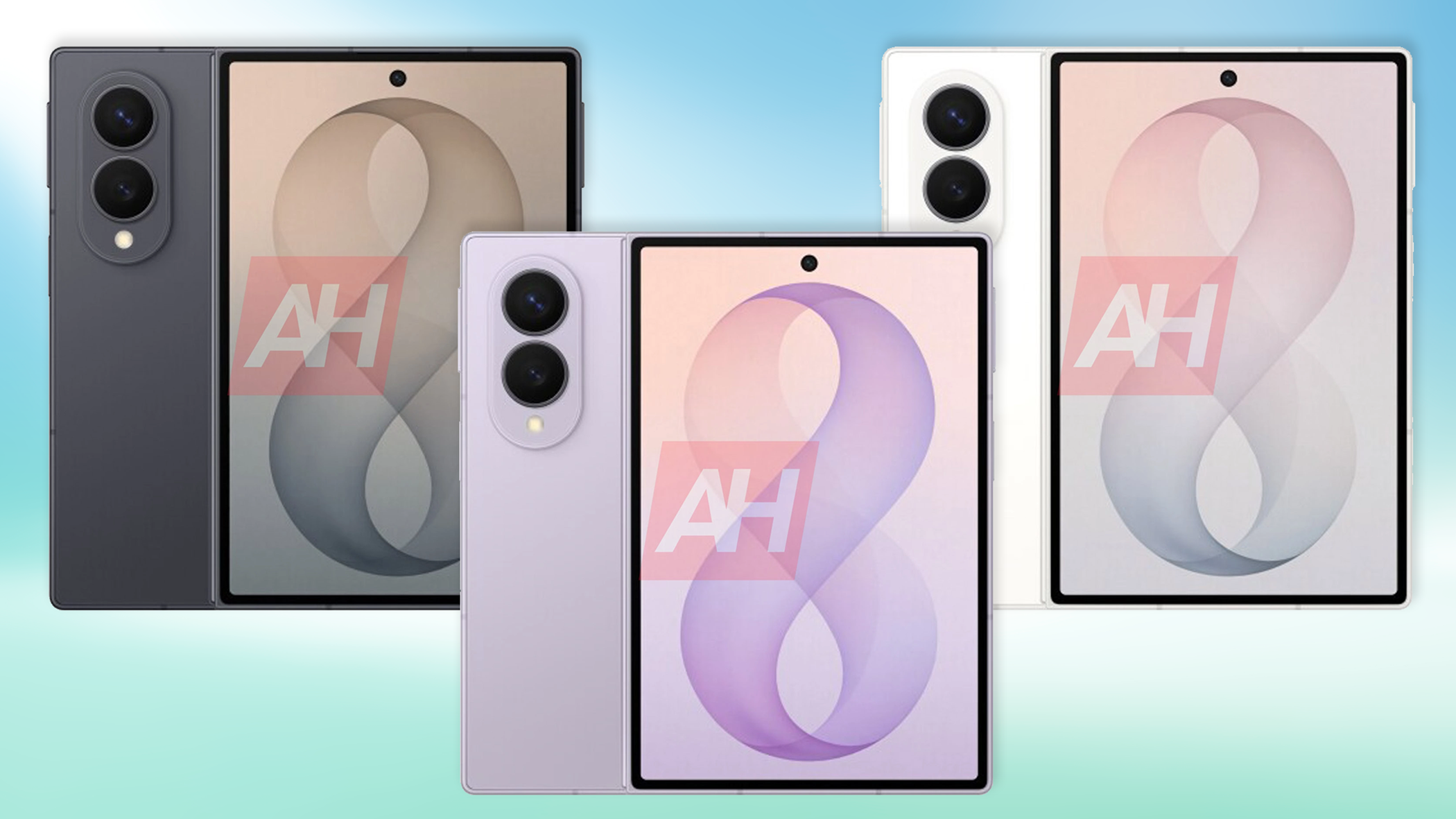
Samsung is not just launching another product; it is forcing a reset of the smart glasses market. The company will reveal the physical Galaxy Glasses and their core performance on July 22, with an official launch expected in the fall—setting up one of the biggest battles in the year‑end smart wearable market. On the same stage, Samsung will try to keep its lead in foldables with the Galaxy Z Fold 8 and Fold 8 Ultra, priced from 1,999 euros and 2,199 euros respectively in Europe, and featuring lighter designs, new hinges, and high‑end specs. That flood of high‑end hardware signals a single message: wearable AI is the next profit center. The smart glasses market that Meta pioneered is now forecast to see explosive growth as Samsung jumps in. The winner will not be whoever has the flashiest demo in London, but the brand that turns AI glasses into something people forget they are wearing.