
Android Auto 17.3: A bug-fix release aimed squarely at crashes
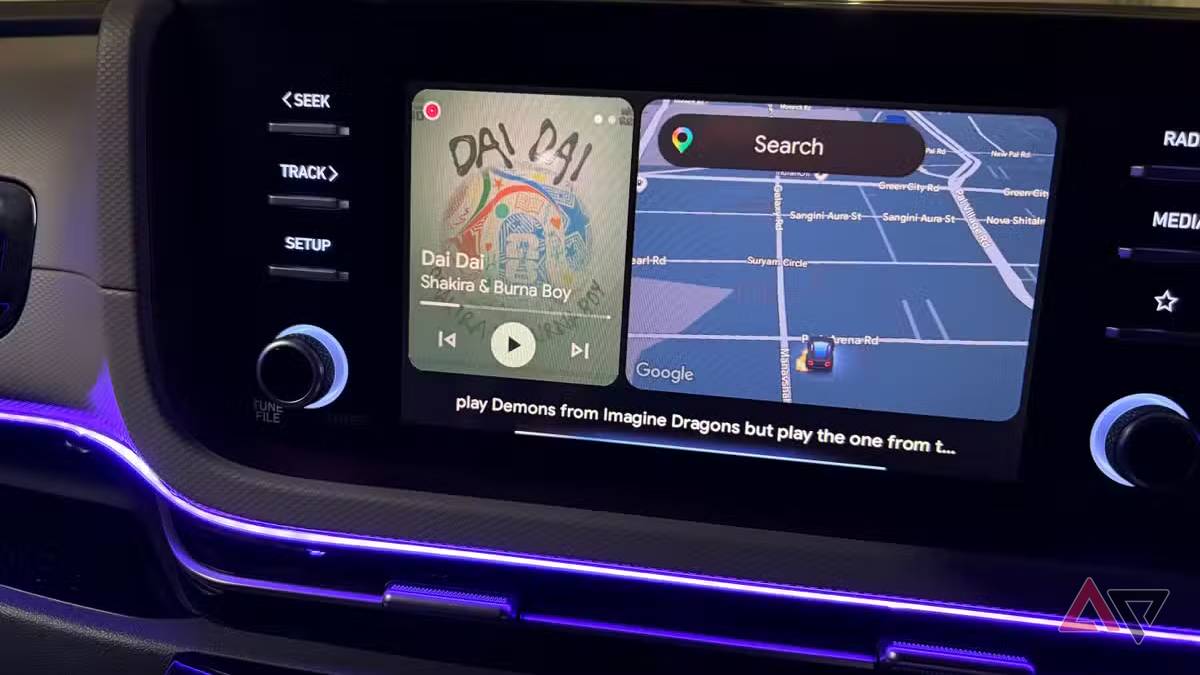
Android Auto 17.3 is a targeted bug-fix update for Google’s in-car interface that aims to resolve widespread crashing and random disconnection problems introduced in the previous 17.2 release, restoring reliable navigation and media controls for drivers whose daily commutes had become nearly unusable. This is not a feature-packed upgrade; it is emergency maintenance for a platform that lives in the most unforgiving place for software to fail: your vehicle’s dashboard. After Android Auto 17.2 reached more users, reports of crashes and unexpected disconnects surged, making the app hard to depend on during routine trips. When a driving assistant becomes the source of frustration instead of calm, a fast Android Auto crash fix is not a luxury; it is a safety and sanity requirement. That is why 17.3 matters more than any flashy redesign right now.
What went wrong with 17.2—and who felt the pain
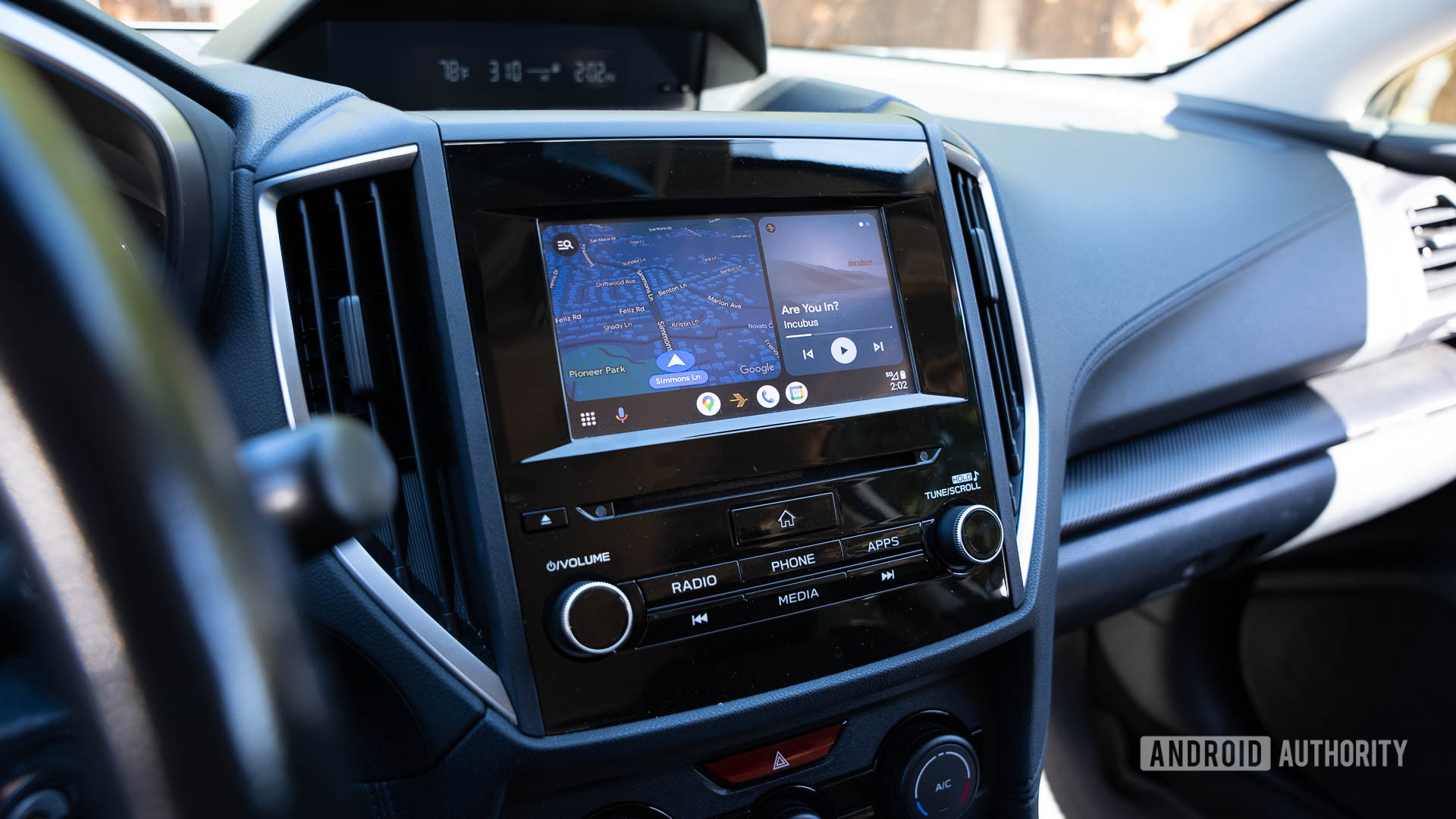
The Android Auto crashing issue did not discriminate. Users reported that 17.2 was breaking sessions regardless of Android version or phone manufacturer, turning commutes into debugging exercises. Crashes and unexpected disconnects were frequent enough that the platform became “virtually unusable” for many. According to Google’s Mishaal Rahman, the team traced at least part of the Android Auto connectivity fix to “an issue with uncertified aftermarket head units” that affected a subset of users during the 17.2 rollout. That distinction matters: official hardware behaved better, but anyone relying on aftermarket systems faced random dropouts and broken trips. When maps vanish mid-route and voice controls die, drivers are left juggling phones and cables instead of watching the road. In short, 17.2 broke the core promise of Android Auto: hands-off, dependable help while you drive.
Inside the Android Auto 17.3 update: a lean but necessary release
Google’s response is deliberately lean. The Android Auto 17.3 update is described in its changelog with the classic catch‑all line: “bug fixes and other improvements,” and nothing more. That brevity is telling. This release exists to stabilize, not to impress. One build, 17.3.662813, is headed to beta testers, while a separate stable build, 17.2.662638, is rolling out to regular users as the official Android Auto crash fix. Both are designed to address the disconnecting behavior that plagued 17.2 and its beta. In effect, Google is patching the same wound from two sides of the release channel to ensure that early adopters and cautious users end up with a working dashboard. It is a rare moment when the most user-friendly thing a tech giant can do is ship a boring update—and ship it fast.
How to get the Android Auto crash fix as soon as possible
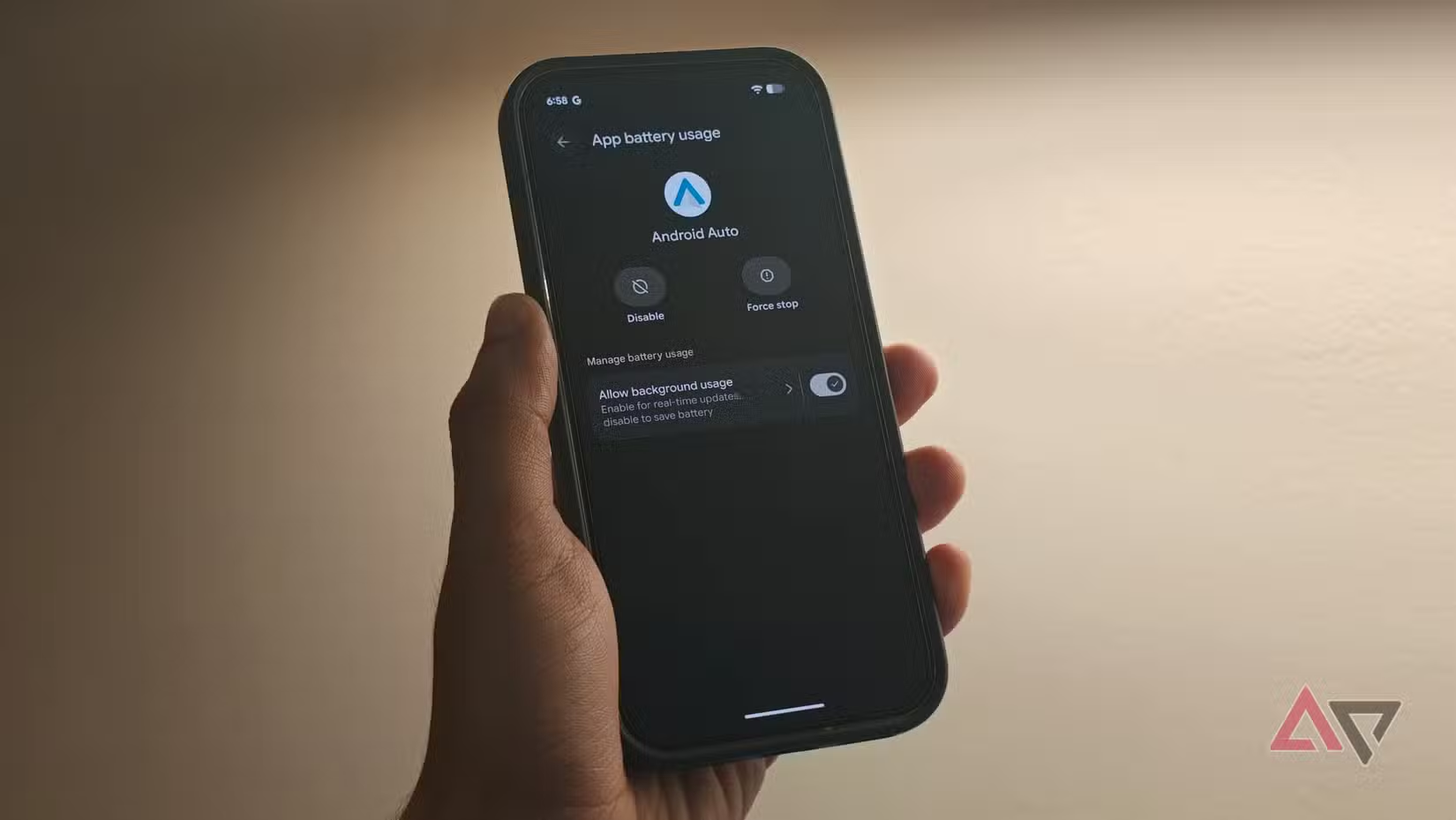
If Android Auto has been crashing or disconnecting in your car, treating this update as optional is a mistake. Google is rolling out the new builds now, and anyone who ran into problems is urged to check for and install the latest Android Auto updates. For most users, that means updating through the usual app distribution channel as the release reaches their devices over the coming days. For those whose commutes depend on Android Auto and who are tired of random dropouts, there is a more proactive option: download the Android Auto 17.3 update APK and install it manually once you have allowed app installs from outside the store. That route is slightly more effort, but when your driving assistant keeps failing mid‑journey, taking control of the update schedule is a reasonable reaction.
Why drivers should prioritize this fix—and what it signals next
Labeling Android Auto 17.3 a “must-download” is not hype; it reflects how badly 17.2 disrupted everyday driving. Once this Android Auto connectivity fix is installed, those random disconnects should fade into memory and the app should regain its role as a quiet helper instead of a loud problem. The episode is a reminder that car software cannot be treated like a casual phone app update. When bugs make the platform unusable, they undermine trust as much as convenience. Google reportedly has much bigger changes planned for Android Auto down the line, but the success of those ambitions will depend on keeping basic reliability intact. Updating now is not only about fixing today’s headaches; it is about sending a clear message that stability is the feature drivers value most. Until that expectation is consistently met, no new UI or capability will matter.