
Meta’s Muse Image: When “Public” Became “AI Fuel”
Meta’s Instagram Muse Image controversy refers to an AI photo tool that allowed anyone to generate images from other users’ public Instagram posts by default, without clear consent or upfront notice, and its rapid removal after intense backlash exposed growing public resistance to opt-out AI photo generation privacy abuses.
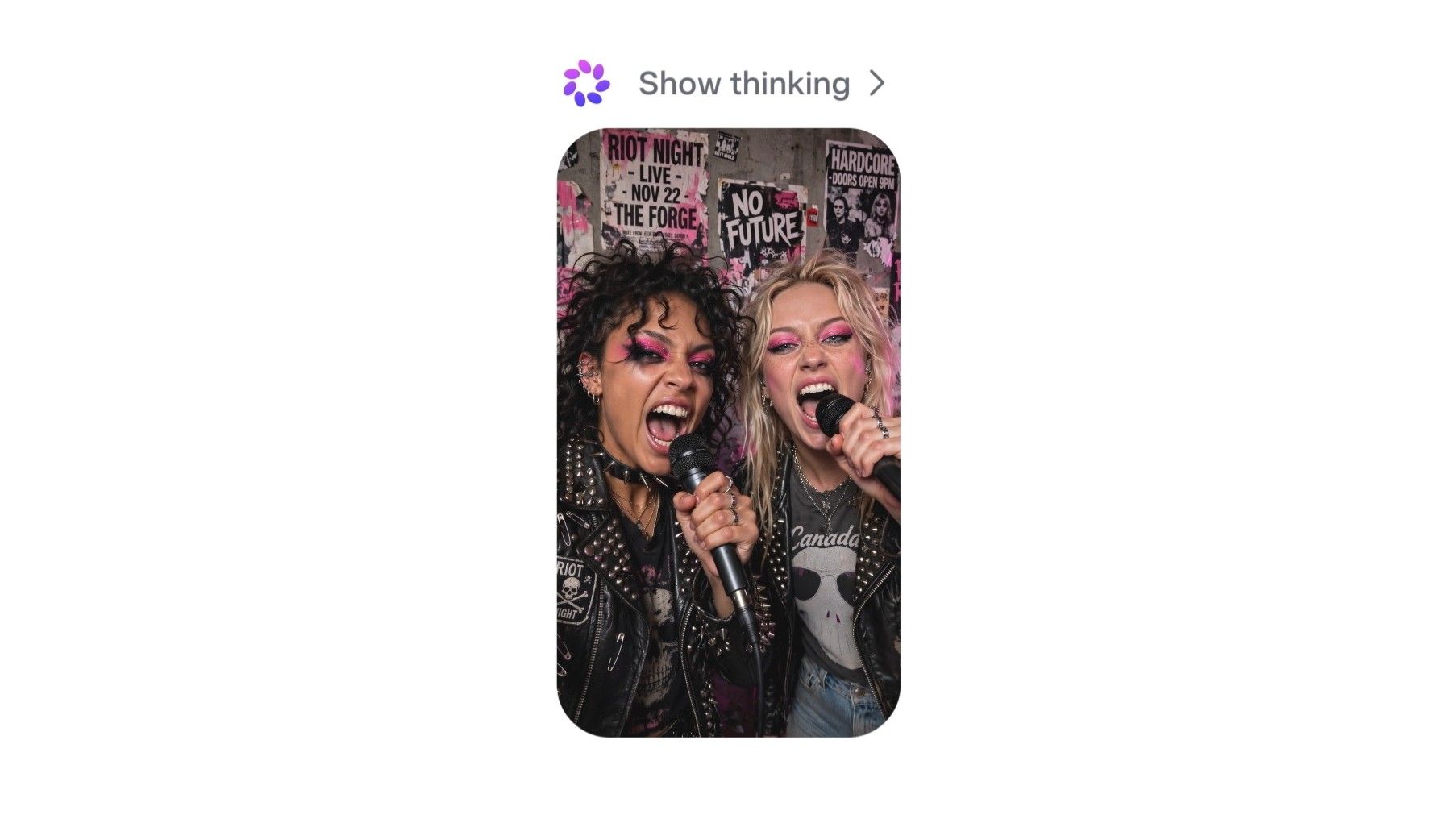
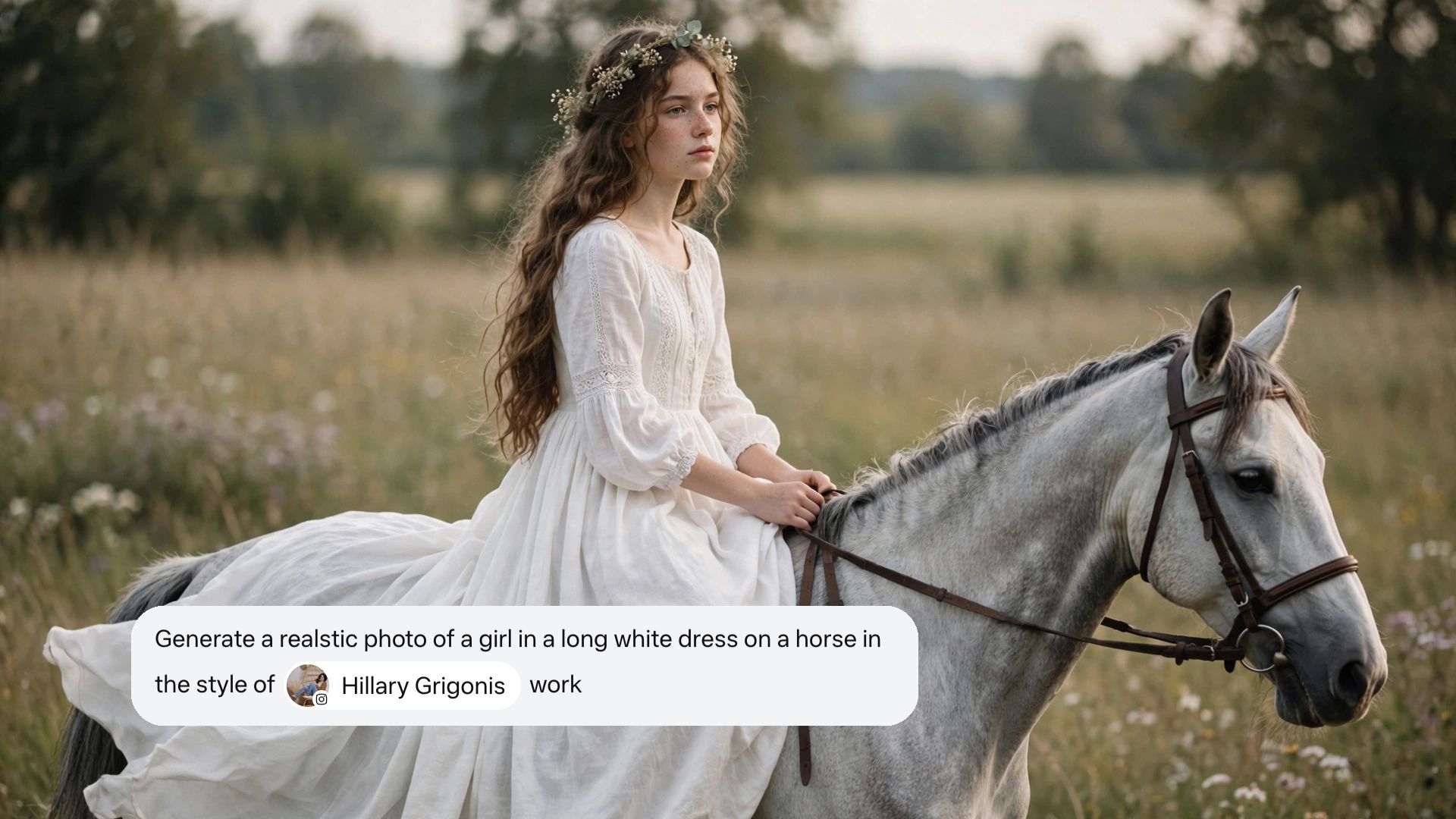
Meta switched on a new Meta AI photo tool called Muse Image on July 7, pitching it as the first image model from its Meta Superintelligence Labs and rolling it into the Meta AI app, Instagram Stories, and WhatsApp in selected markets. Hidden inside the feature set was a tagging trick: type an @-mention for any public Instagram account into the Meta AI chatbot and the system could pull that person’s photos as reference material for a generated image. The owner of those photos was neither asked for permission nor notified that their likeness or style had been used. In effect, every public profile over 18 was quietly turned into raw input for Instagram Muse Image unless they dug through settings to opt out.
Why Muse Image “Missed the Mark” in Record Time
The problem was not that Meta built an AI image generator; it was that Meta assumed public means available for anything. Muse Image let people take photos from public Instagram accounts and turn them into unknown AI creations based on another user’s prompt, without meaningful consent. That meant you could be turned into a fantasy character, dropped into a fake scene, or have your visual style cloned with a simple @ tag. Meta claimed it had “strong controls and safety guardrails from day one” and excluded private and under‑18 accounts, but that missed the core issue: people never signed up to have their portfolios and faces turned into a promptable resource.
Photographers and creators were especially alarmed. Many spend years honing a distinctive look, only to see Muse Image copy their style straight from their Instagram profile. One source warned that the opt‑out model “puts the burden on you to defend your own images from a system you never agreed to join.” Privacy advocates went further, calling the feature “the latest sign AI companies see people's images and data as raw material to be exploited.” When your portfolio doubles as your livelihood, this is not a quirky experiment; it is an unannounced licensing scheme.

How Public Outrage Turned a Product Launch into a Retreat
The backlash was fast and organized. User unrest spread as people discovered they had been opted in by default and that their public content could be used by others through Meta AI prompts without their knowledge. Unions and industry groups amplified the alarm: one actor’s union urged members to opt out and warned that Meta now let anyone use their Instagram photos in AI images “without your consent,” encouraging people to “take action to protect your likeness.” Talent agencies echoed the concern, arguing that no one’s name, image, or creative work should be used by any AI model without clear, documented consent.
Meanwhile, photographers and artists documented how an @ tag could not only generate people who resembled real users but also mimic a specific photographer’s style. Meta initially promised that creators would be notified whenever someone used their public profile as a reference, yet for many that was irrelevant; a notification after the fact does not fix a lack of consent up front. Within three days of launch, Meta declared the feature had “missed the mark” and removed the tagging capability from Instagram and the Meta AI chatbot, even as the broader Muse Image platform remained online. Meta’s quick reversal of the tagging feature inside Muse Image hints at the power of the public voice in the AI era.
Opt-Out AI Is a Choice, Not Destiny
Muse Image is a case study in user backlash tech: people refused the idea that their public posts should become AI reference material without meaningful consent, and Meta backed down. Instagram users made their feelings clear, and Meta listened. The company says it “heard the feedback” and concluded the feature missed the mark, so it is “no longer available.” Meta is not scrapping the Meta AI photo tool altogether, only the Instagram tagging feature, and it remains unclear whether a reworked version will return later. But the principle is clear: when users speak up, even “inevitable” AI roadmaps can be changed.
This is not happening in a vacuum. Meta has already paid a USD 5 billion (approx. ₱280,000,000,000) FTC fine over the Cambridge Analytica data harvesting and shut down Facebook’s facial-recognition system amid biometric lawsuits. It now faces a USD 1.4 trillion (approx. ₱78,400,000,000,000) legal challenge from state attorneys general over allegedly deceptive data practices, plus separate suits from creators and publishers over AI training material. Against that backdrop, another public misstep on AI photo generation privacy is more than a PR problem; it is another entry in a pattern that regulators and courts will examine. Meta reversed one feature here, but the battle over who controls creative content in the age of AI is only beginning.