
Titanium Flex Displays: What They Are and Why They Matter
Samsung’s Flex Titanium display is a new foldable screen design that replaces plastic support layers with a dual-layer titanium structure under the OLED panel to improve durability, reduce creasing, cut thickness, and lower power use while strengthening the weakest part of foldable phones over years of daily folding and unfolding.
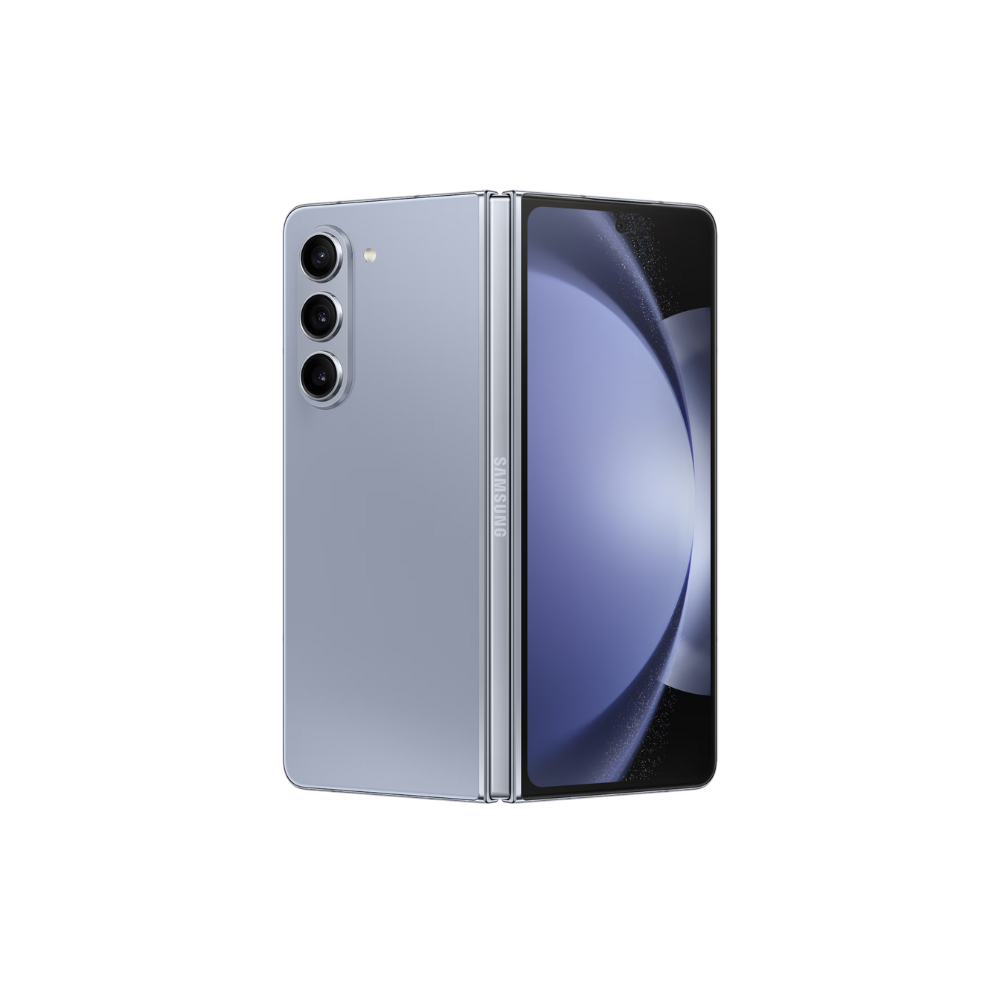
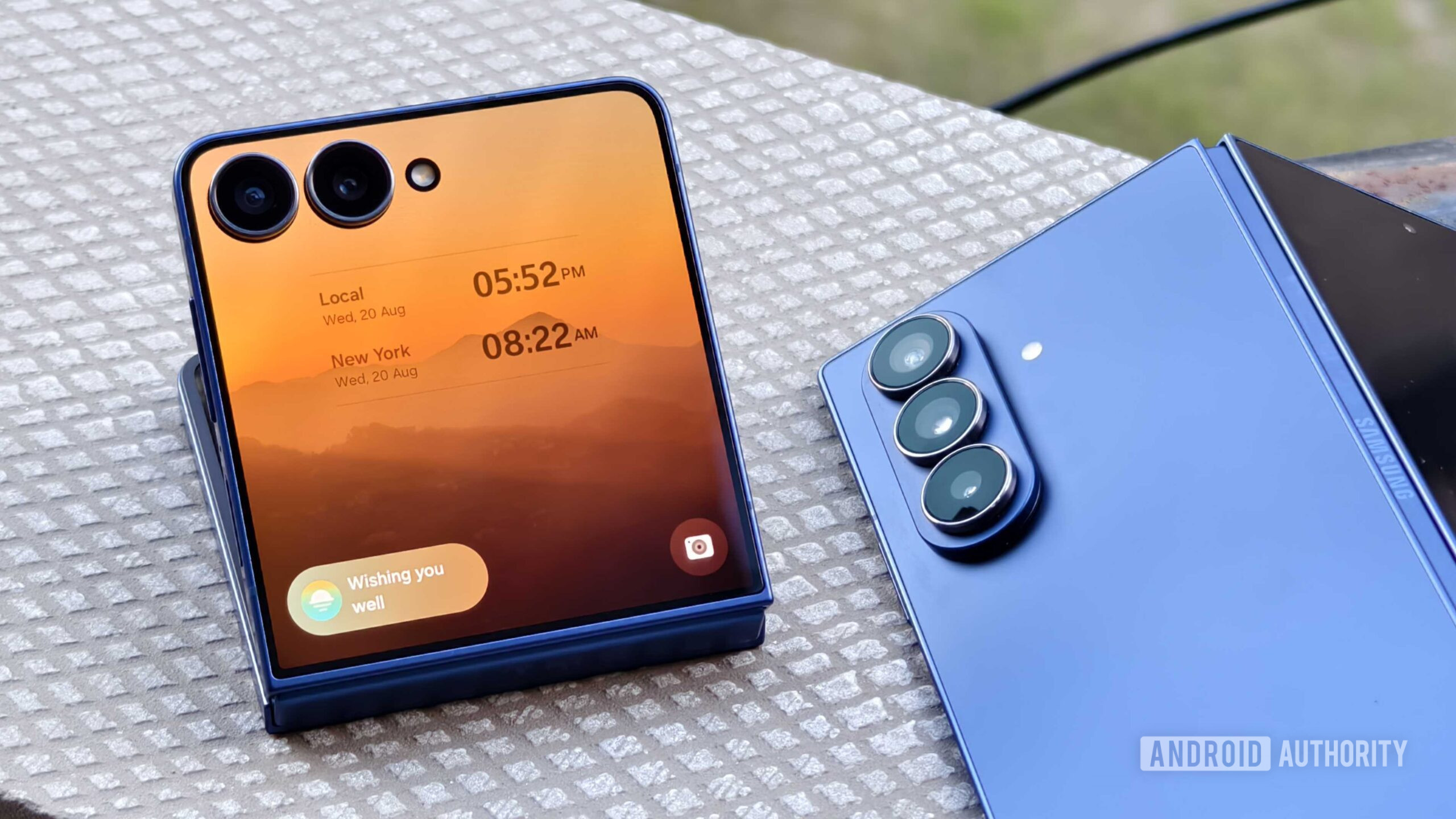
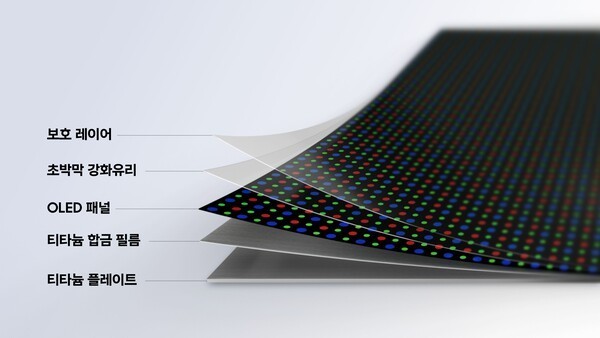
This is not a minor spec tweak; it is Samsung admitting that the era of plastic-backed foldables needed to end. On July 15, the company unveiled its Flex Titanium technology, which will ship in its next-generation Samsung Galaxy Z foldable lineup and debut at the Galaxy Unpacked event in London on July 22. Instead of a single plastic support film, the new Samsung titanium foldable design uses a titanium alloy film and a titanium plate stacked beneath the OLED panel. By moving to a titanium screen substrate, Samsung is betting that better materials, not flashy features, are what will finally make foldable display durability feel trustworthy.
From Plastic to Titanium: Fixing Foldables’ Biggest Hardware Flaw
Foldable phones have always had one unforgiving enemy: repeated mechanical stress right at the hinge. Early models failed this test, with first-generation devices falling short of durability requirements and fueling a reputational problem that still haunts the category. Samsung’s answer is blunt: swap plastic for metal in the display stack. The company is replacing its existing plastic support film with a titanium alloy film and a flexible titanium plate, creating a titanium dual-layer structure designed to reduce thickness and screen creasing while improving durability.
The numbers matter here. Samsung says the titanium alloy film offers around 20 times greater rigidity than the conventional polymer films it used before. That alone reframes the long-term reliability conversation. A support layer a third as thick as a human hair made through ultra-precision rolling sits directly under the OLED panel, while the titanium plate beneath it keeps the folding section supported when open yet flexible when folded, thanks to micro-patterned holes in the hinge area. This is careful mechanical engineering aimed squarely at the exact place foldables tend to fail.
What Changes for Everyday Users: Creases, Confidence, and Power
For ordinary users, the titanium screen substrate is less about exotic metals and more about everyday annoyances: visible creases, fragile-feeling screens, and battery drain. Samsung says the design, built on seven generations of foldable engineering, will deliver a more durable folding screen with a less visible crease that can use significantly less electricity. The titanium alloy film’s much higher rigidity helps the screen resist deformation, while the titanium plate’s micro-hole structure keeps the panel supported when flat without fighting the fold.
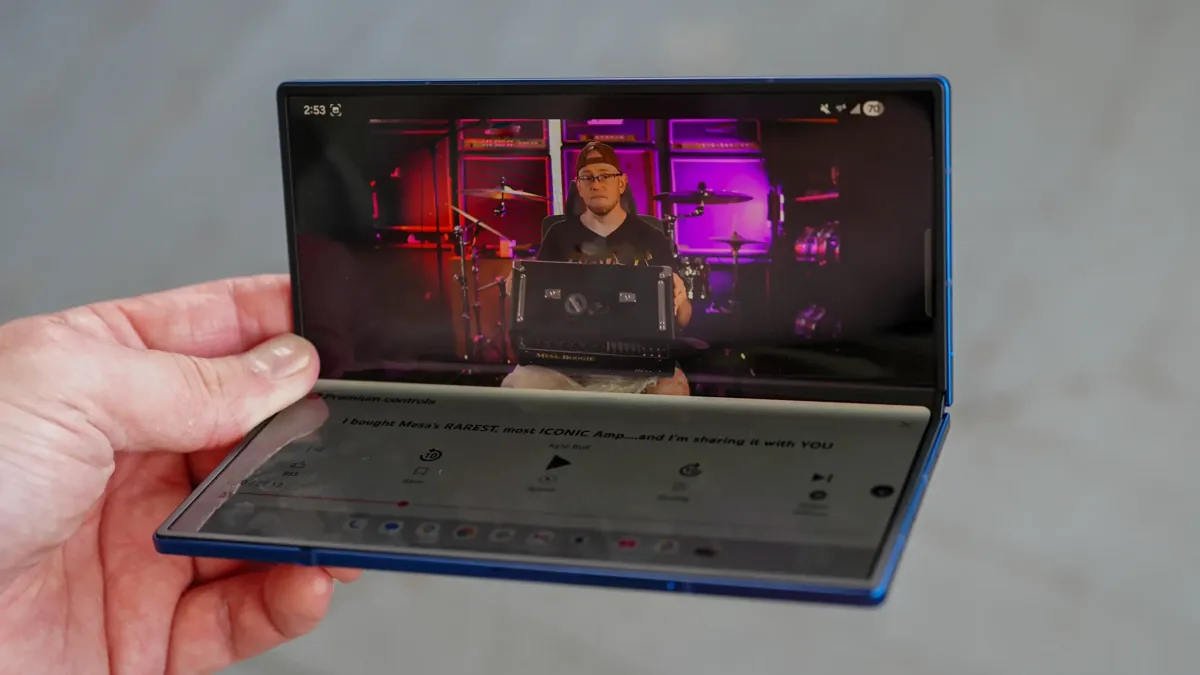
This is the kind of change that could finally calm fears about babying a Samsung Galaxy Z foldable with every open and close. Customers have repeatedly voiced concerns about device fragility, and Samsung is responding by pushing titanium deeper into the display itself, not just into frames or hinges. The company also pairs the Flex Titanium substrate with a high-resolution panel design and newly developed organic materials to cut display power consumption, aiming to make long screen-on sessions less punishing on the battery. If it works in practice, it means less anxiety every time you unfold the screen and more time using the device instead of worrying about it.
The Cost of Premium Materials: Durability Gains Without Cheaper Foldables
There is a catch: titanium is not a budget material. It is known for high performance and difficult manufacturing, which translates to higher component costs. The shift from plastic to a titanium dual-layer structure for the display substrate is aimed at reliability, not affordability. The same announcement that touts tougher screens also hints at another reality: this move may heighten worries about prices in a category already criticized for expensive devices, even before the memory and storage crisis.
In other words, Samsung titanium foldable models are unlikely to become dramatically cheaper because of Flex Titanium. The titanium screen substrate is an engineering upgrade: thinner stack, tougher support, reduced creasing, better power efficiency. It shifts the value proposition from “folding as a party trick” toward “folding as a reliable daily form factor,” but without lowering the barrier to entry. For now, the people who benefit most from this change are those already willing to pay for a premium foldable and keep it for several years.
Incremental, Not Revolutionary—But Exactly the Upgrade Foldables Need
Flex Titanium is a textbook example of an incremental but meaningful hardware revision. It builds on seven generations of foldable innovation and engineering expertise, targeting the very pain points that stopped earlier devices from feeling truly mature. The titanium alloy film and plate beneath the OLED panel strengthen the folding spine, reduce creasing, and improve foldable display durability, without changing what a Samsung Galaxy Z foldable looks like on the outside.
This matters because the future of foldables will not be decided by gimmicks but by trust. The first generation could not meet the durability demands of everyday use, and that memory still shapes buyer skepticism. With Flex Titanium, Samsung is taking a material-science route to rebuild that trust. The technology will debut at the Galaxy Unpacked event in London on July 22, embedded in the next wave of Galaxy foldables. If it delivers the promised longevity, this titanium screen substrate could quietly mark the moment when foldables stop feeling experimental and start feeling dependable.