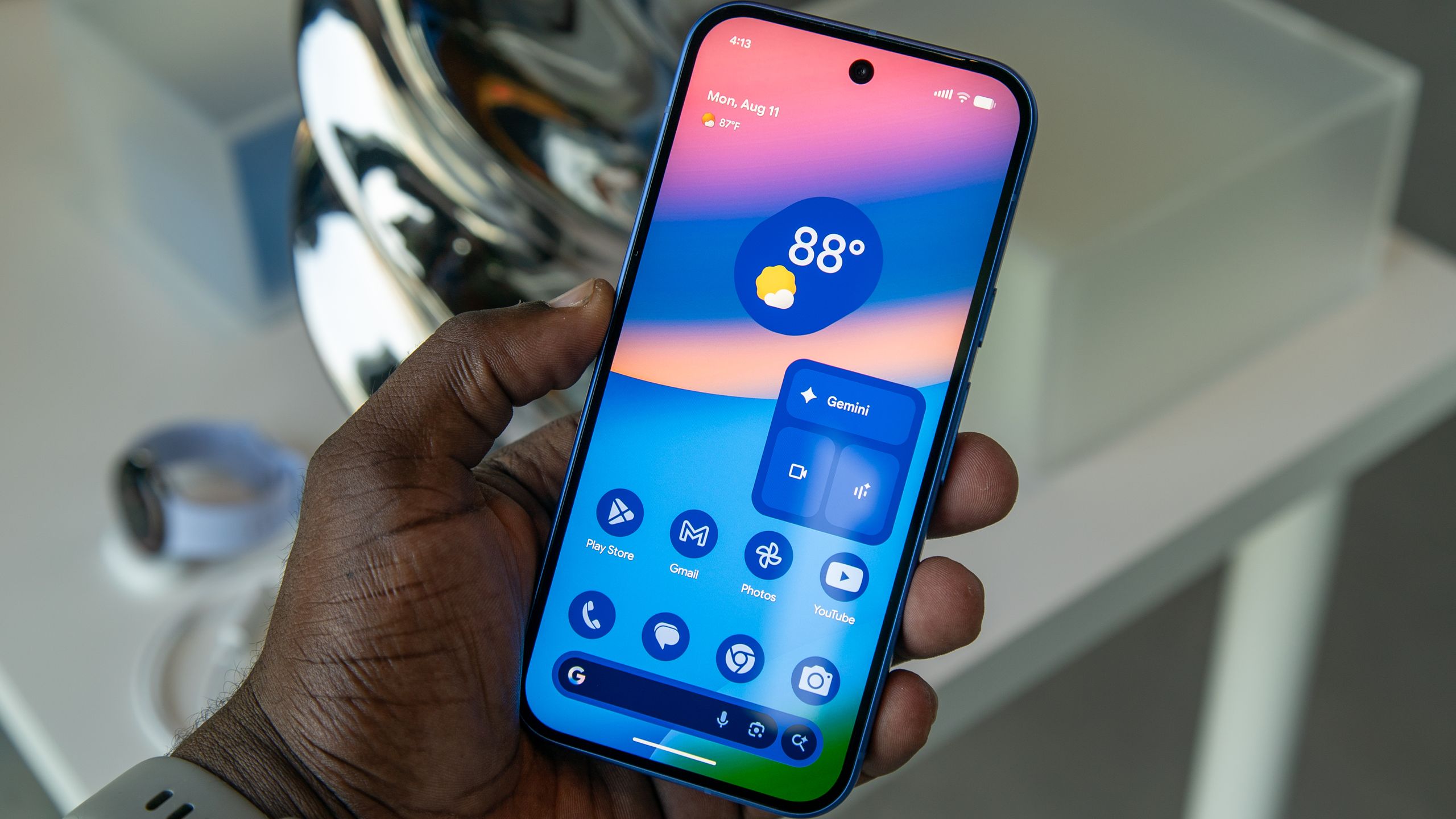
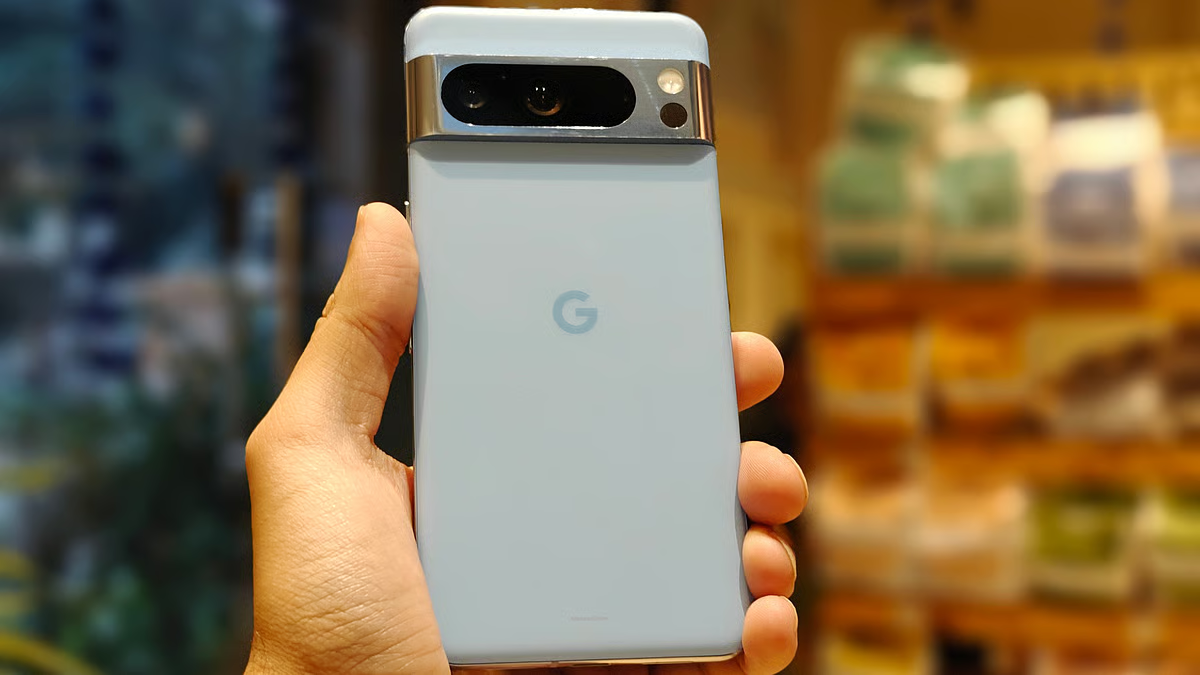

Pixel 11: From Value Hero to Full-Fledged Flagship
Google’s Pixel 11 pricing strategy refers to the company’s move to remove the 128GB entry model, standardize 256GB storage, and align its smartphone prices closer to rival flagship phones, signalling a clear shift away from the Pixel line’s historic budget‑friendly positioning.
On August 12, 2026, Google will use its next Made by Google event in New York City to unveil the Pixel 11 family, with pre‑orders expected the same day and deliveries around August 20. The line‑up spans the Pixel 11, Pixel 11 Pro, Pixel 11 Pro XL, and Pixel 11 Pro Fold, covering everything from mainstream slabs to foldables. But the real story is not the breadth of models, it is the sharp change in how you get in the door. By killing the cheaper 128GB configuration and starting the standard model at the former 256GB tier, Google is making a blunt statement: Pixel is no longer the clever bargain, it is a full‑price flagship contender.

The Quiet Price Hike: No 128GB, No Sub‑$800 Pixel
The most consequential move is simple on paper: 256GB becomes the new base, and 128GB disappears entirely. Last year’s Pixel 10 launched at USD 799 (approx. ₱45,000) for 128GB, while the 256GB version cost USD 899 (approx. ₱50,600). The standard Pixel 11 is expected to start at USD 899 (approx. ₱50,600) for 256GB, matching that higher tier. Technically, the 256GB price is unchanged, but removing the cheaper option “effectively raised the ‘price of admission’ to the Pixel family by USD 100 (approx. ₱5,600).”
For buyers who relied on cloud storage and valued a great phone under USD 800 (approx. ₱45,000), this is not a minor tweak; it is an eviction notice from Google’s ecosystem. It narrows the gap with rival flagships, including the latest iPhones, erasing the Pixel’s traditional position as the obvious wallet‑friendly alternative. In the broader context of flagship phone pricing trends, Google is no longer undercutting; it is joining the club. That may win it respect on spec sheets, but it also risks turning away the very users who helped Pixel grow in the first place.
Premium Hardware and Design: Worth It, But For Whom?
To be fair, Google is not hiking prices in a vacuum. The Tensor G6 chip is expected to move to TSMC’s advanced 2nm process, promising major gains in efficiency and thermal control over previous Tensor generations. That kind of silicon is expensive, and being first to such a node even ahead of upcoming iPhones gives Google a rare bragging right in the processor race. On top of that, the Pixel 11 adds “Pixel Glow,” an RGB LED ring around the camera bar that pulses in Gemini colors during AI tasks and doubles as a notification light.
These are classic premium moves: better chips, distinctive hardware flair, and a clear emphasis on AI‑driven experiences. Google’s computational photography remains among the best, and its AI tools like Call Screen, Magic Editor, and Gemini Live are some of the most practical uses of on‑device intelligence in a phone. The problem is not whether the phone is worth more; it is that the leap in ambition drags the entry price into flagship territory. For budget‑conscious buyers, the glow ring and 2nm bragging rights are cold comfort when the cheapest Pixel 11 now competes in the same financial mental bucket as ultra‑premium rivals.
A Lineup Marching Upmarket
The pricing shift is not limited to the smallest model. The Pixel 11 Pro XL is tipped to start at USD 1,299 (approx. ₱73,000) for 256GB with 12GB RAM, with 512GB and 1TB trims at USD 1,419 (approx. ₱79,700) and USD 1,649 (approx. ₱92,600) respectively. Those figures plant the Pro XL firmly in elite flagship territory, where expectations for build quality, camera versatility, long‑term software support, and resale value are brutal. In that context, Google’s strategy becomes clearer: squeeze more revenue per customer and chase high‑margin buyers who see phones as primary computing devices, not just communication tools.
This is where the Pixel 11 pricing strategy collides with long‑standing perceptions. Historically, Pixel was the “smart alternative” that offered about 95% of the ultra‑premium experience while undercutting market leaders just enough to make switching feel like a win. As its baseline price moves closer to those rivals, Google surrenders that instant value hook. The brand message shifts from, “Get almost everything for less,” to “Pay the same for a different vision of high‑end Android.” That is bolder, but it is also riskier, because it forces direct comparisons on every spec and every feature, not on price‑to‑experience ratio.
Google’s Bet: AI First, Wallet Second
Underneath the numbers sits a clear strategic gamble. Google’s hardware head Rick Osterloh has said that “the point in Pixel is always in the software,” and the Pixel 11 doubles down on that philosophy with AI‑centric features and computational photography front and center. Hardware like the 2nm Tensor G6 and Pixel Glow exists to support and express that software story, not the other way around. The company is betting that users will accept higher prices if the phones deliver tangible utility—better battery life, smarter calling, easier editing, and helpful AI agents woven into daily tasks.
Consumers are willing to pay premium prices when they feel they receive real value in return, but that calculation is personal and unforgiving. For power users, photographers, and AI enthusiasts, the Pixel 11 family may represent a fair trade: more money for more capability. For price‑sensitive buyers who loved Pixel because it was the clever, affordable flagship, the message is harsher: upgrade your budget, or look elsewhere. As the August launch approaches, the question is not whether the Pixel 11 can compete as a flagship—it can—but whether abandoning the budget‑friendly era will stall the brand’s momentum in a market where perception often matters as much as performance.