
Refresh Rate vs Resolution: The Real Fork in the Road
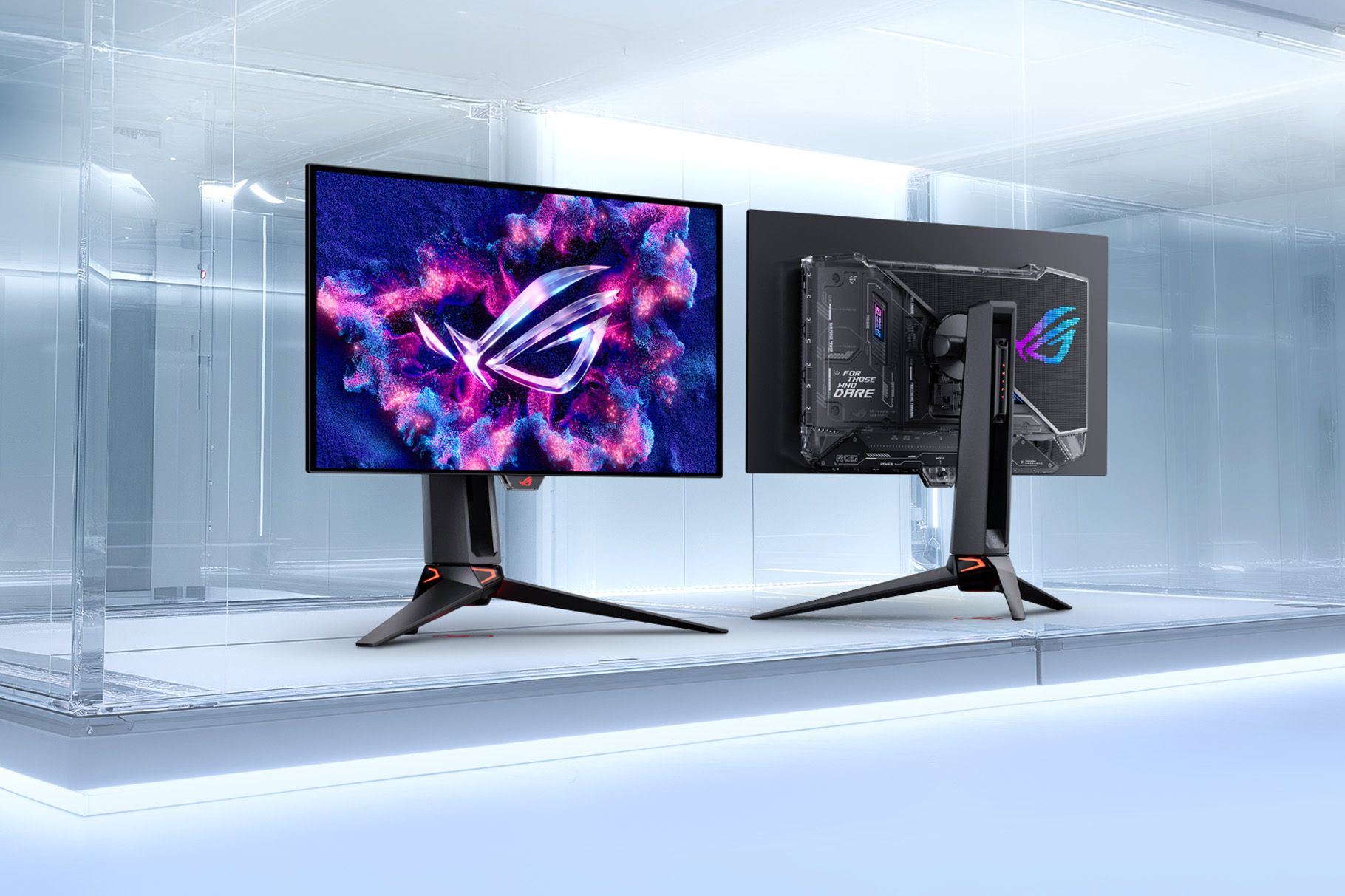
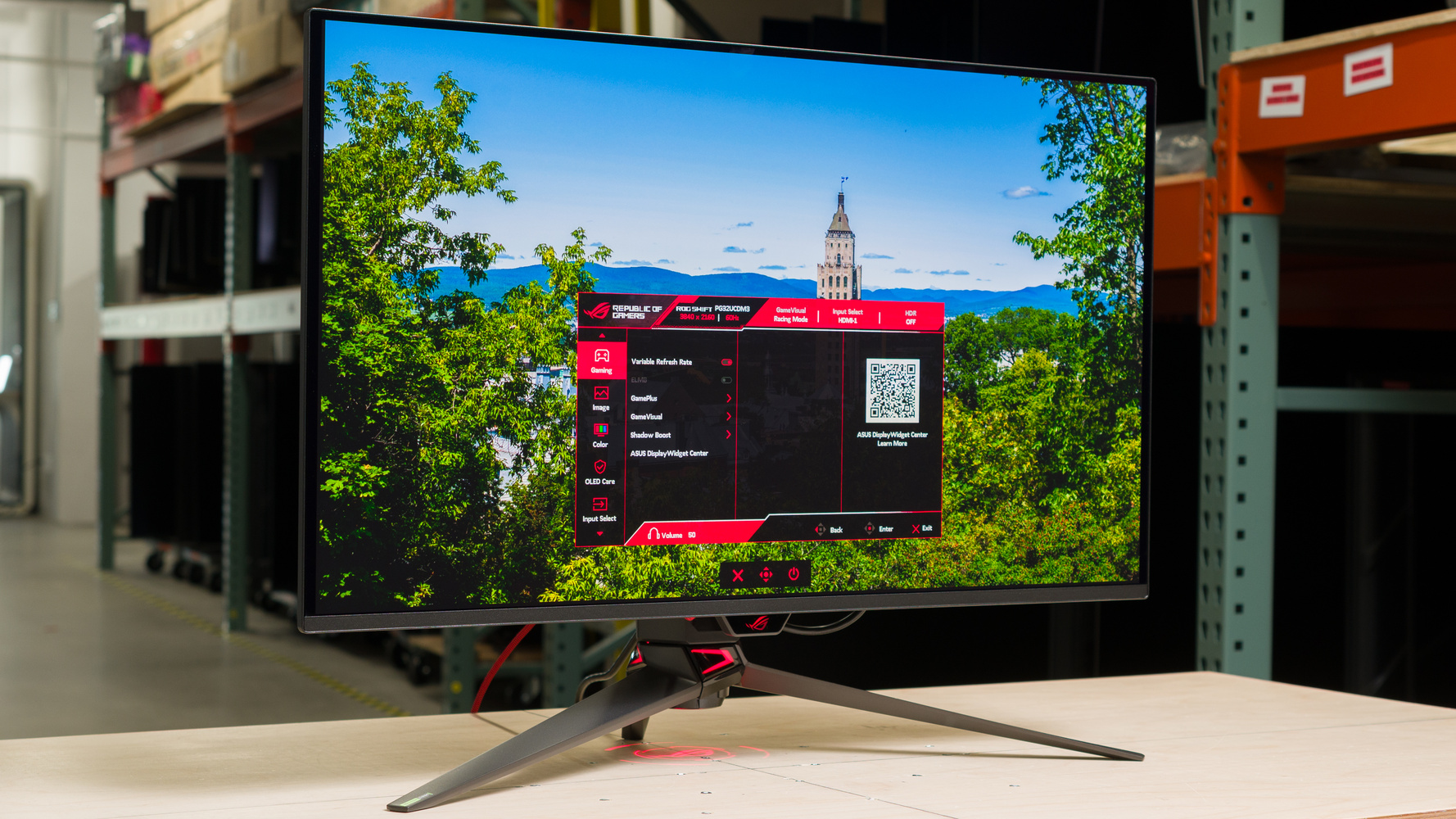
The core decision in premium gaming monitors is whether to prioritize an ultra-high refresh rate for competitive responsiveness or 4K resolution and visual tech for cinematic immersion, because current hardware and panels make it hard to drive both extremes at once in real-world gaming scenarios. That fork in the road defines far more than image sharpness: it shapes which games feel responsive, which worlds look convincing, and how much money you burn chasing frame rates your eyes or GPU may never fully use. When you compare a high-refresh OLED gaming monitor to a 4K gaming display with advanced 3D features, you are not comparing small spec differences; you are choosing a philosophy of how games should look, feel, and be experienced over long sessions.
Acer Predator XB273K 3D: 4K Fidelity Meets Glasses-Free Depth
Acer’s Predator XB273K 3D plants its flag firmly in the "visual experience first" camp. It uses a 27-inch Fast IPS panel with a 3840 × 2160 4K UHD resolution and a maximum refresh rate of 180 Hz, which already puts it in high-refresh-rate monitor territory. The twist is stereoscopic, glasses-free 3D: a dedicated optical lens layer and eye-tracking camera work with software to convert supported 2D content into stereoscopic 3D and render compatible games with a sense of depth you cannot get from a flat image. The display is clearly pitched at players and creators who care more about spectacle and three-dimensional visualization than absolute latency. Its price is positioned as a premium option, with a stated retail figure of USD 908 (approx. ₱50,800) and a launch price of USD 899 (approx. ₱50,300).
Why Competitive Players Gravitate to Higher Refresh
If you play twitchy shooters and arena titles, you should care more about refresh rate than visual fireworks. Input timing and motion clarity decide gunfights long before pixel density does. A monitor running at 180 Hz already gives you more temporal information than the standard 60 Hz or 120 Hz options, so targets appear where they are going, not where they were. Competitive-focused gamers increasingly see 4K as a luxury that drains GPU resources, making it harder to sustain the triple-digit frame rates that keep aim tracking smooth. For that audience, a high-refresh-rate monitor feels like an extension of their mouse: a tool to win matches. Extra effects, 3D depth, and pin-sharp 4K textures are secondary if they come with even a hint of added latency or inconsistent frame pacing.
Why Story-Driven and Cinematic Gamers Chase 4K and 3D
Single-player and story-focused gamers have different priorities. They want worlds that feel tangible, characters that look lifelike, and vistas that make them pause the game for screenshots. For them, a 4K gaming display is less about seeing enemies sooner and more about seeing everything better. The Predator XB273K 3D goes even further: its glasses-free stereoscopic 3D system, which combines an optical lens layer and eye tracking to visualize three-dimensional models and compatible games in 3D, leans into immersion instead of esports efficiency. According to Acer, "the combination of 4K resolution, 180 Hz refresh rate, eye-tracked glasses-free 3D, and integrated KVM functionality positions the Predator XB273K 3D as a specialized display for both gaming and professional visualization applications". For a narrative-driven player, that combination is far more tempting than a few extra frames per second they barely feel.
So Which Spec Should You Care About Most?
The choice between a high-refresh OLED gaming monitor and a feature-rich 4K gaming display like the Predator XB273K 3D is not about which spec sheet looks better; it is about which trade-off matches your reality. If you mainly play ranked shooters and value every millisecond, refresh rate should be your north star, even if that means stepping down from 4K or skipping 3D entirely. If you play sprawling RPGs, cinematic action games, or work with 3D content as much as you game, 4K resolution and stereoscopic depth will change your day-to-day experience more than going from “very fast” to “even faster” refresh. In the end, the best gaming monitor is the one whose strengths overlap your most played titles—not the one chasing the most extreme number on the box.