
Samsung Galaxy Unpacked: A Make-or-Break Moment for Foldables
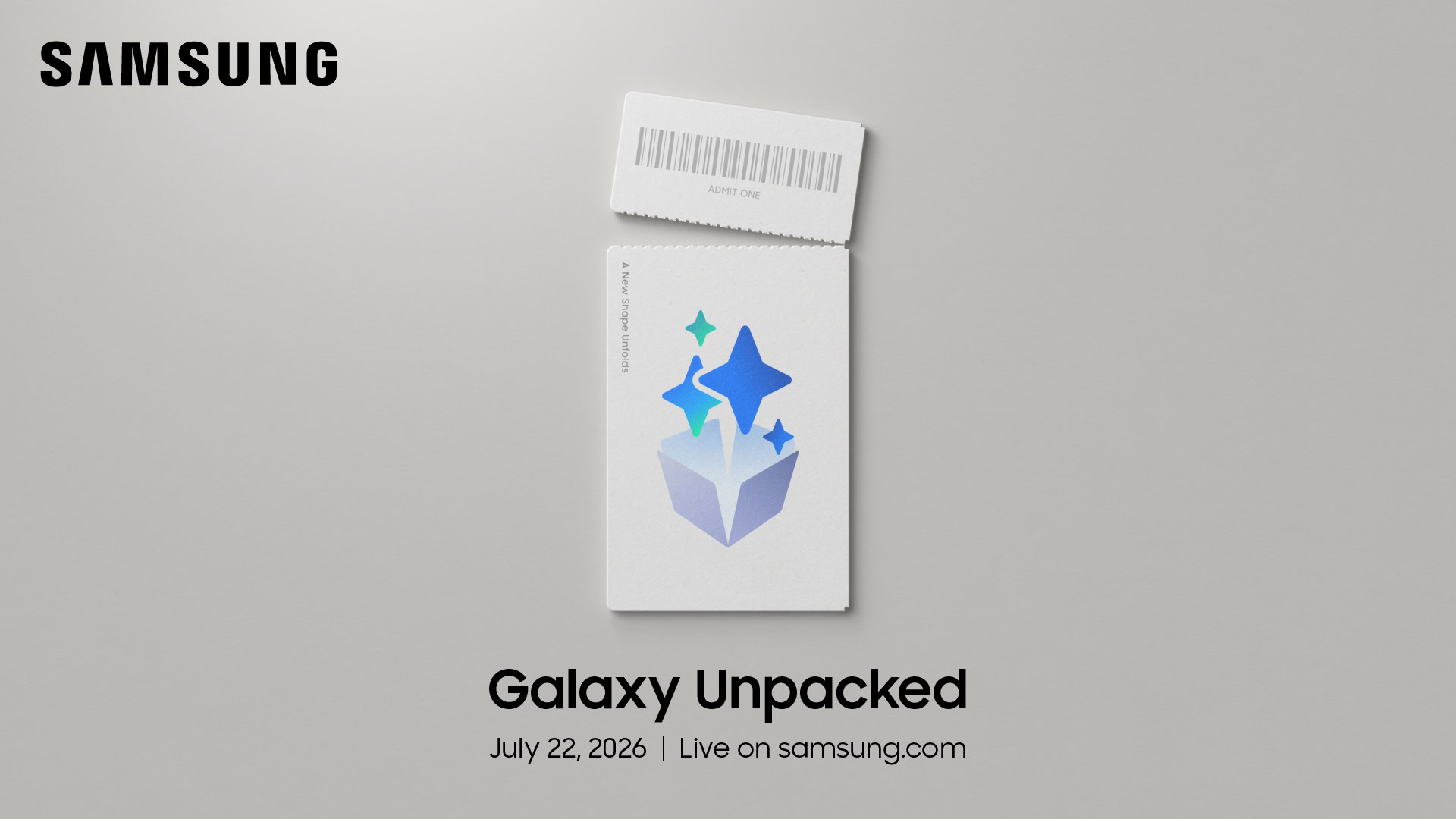
Samsung Galaxy Unpacked is the company’s recurring launch event where it presents new Galaxy hardware, and the upcoming July 22 keynote will focus on next-generation Samsung foldables, smartwatches, and potentially new product categories such as XR smart glasses, signaling how the brand wants to shape the future of mobile and wearable devices in one coordinated reveal. This isn’t another quiet mid-year refresh; it is a statement about where Samsung thinks premium mobile is headed. The event is confirmed for July 22 in London, with a livestream starting at 9 a.m. Eastern and 6 a.m. Pacific on Samsung’s own channels and YouTube. The clear message: foldables and wearables are no longer experiments, they are now the core of Samsung’s Galaxy story.
Galaxy Z Fold 8 and Z Fold 8 Ultra: Two Takes on the Power Foldable
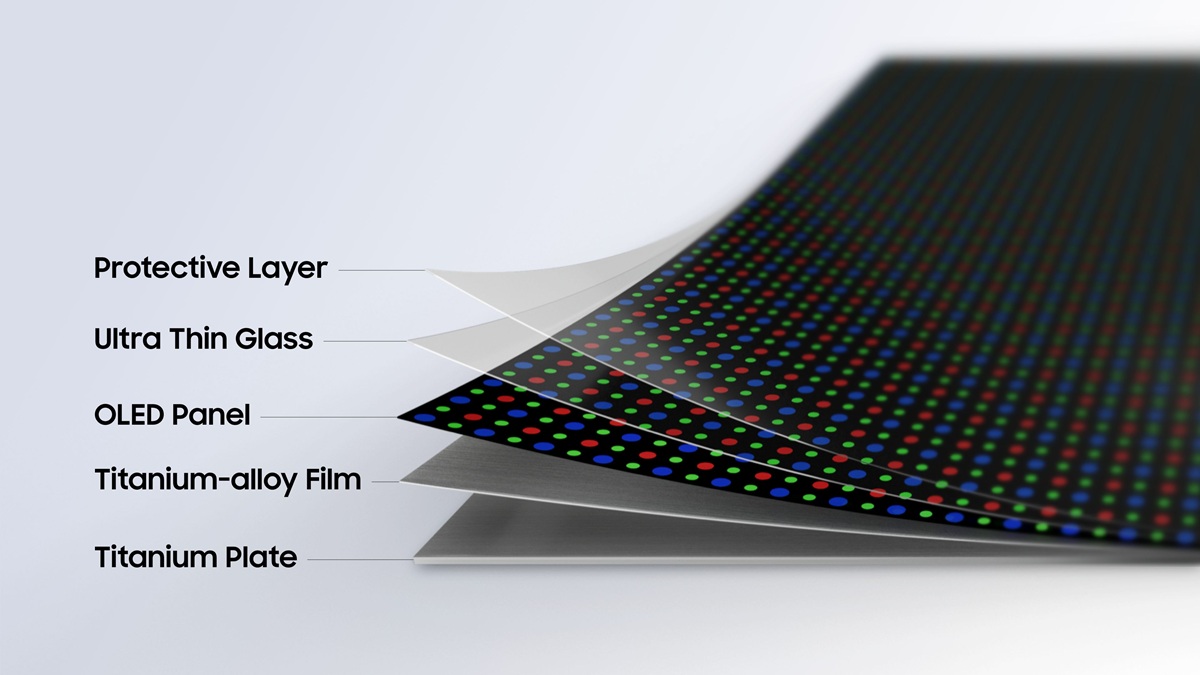
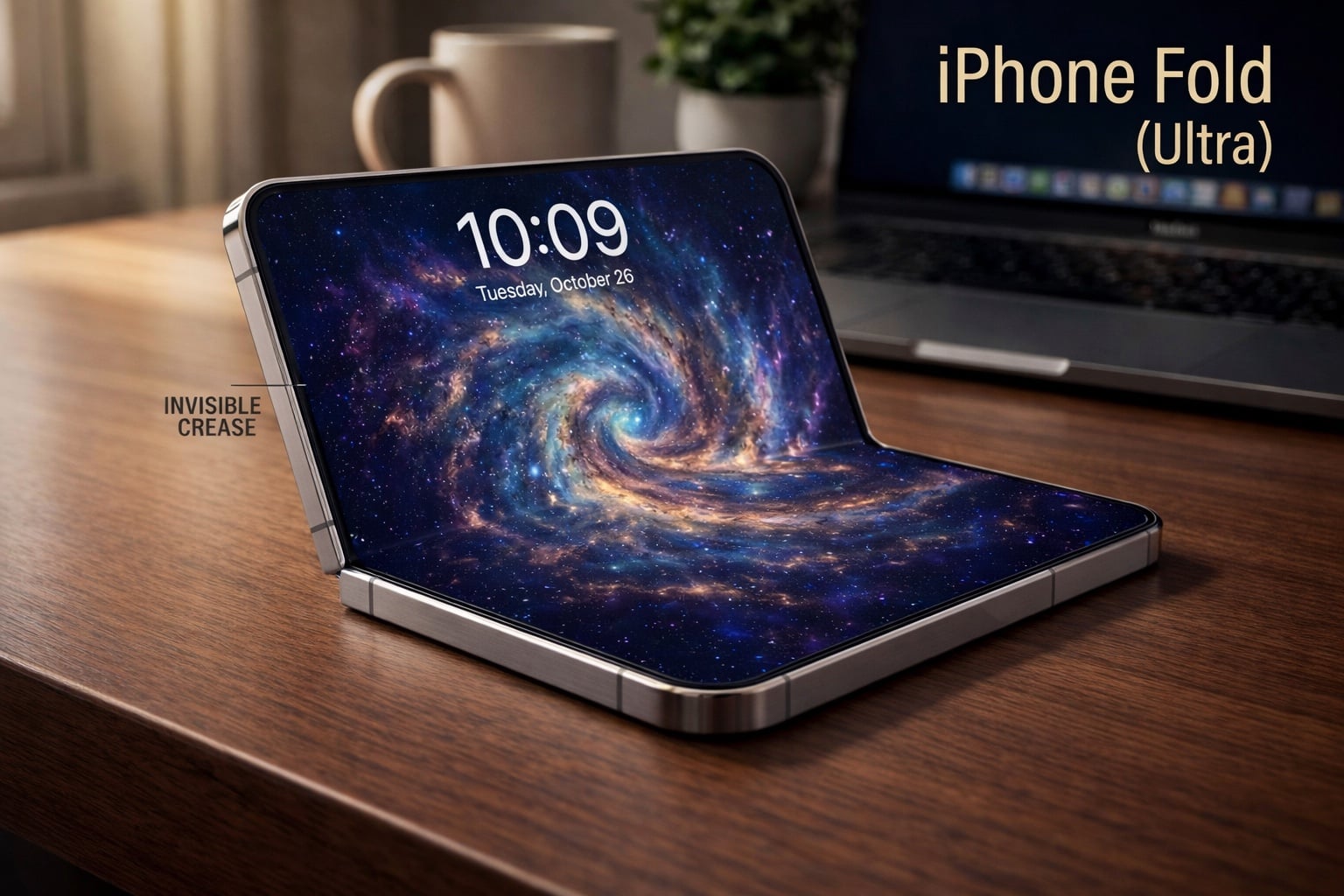
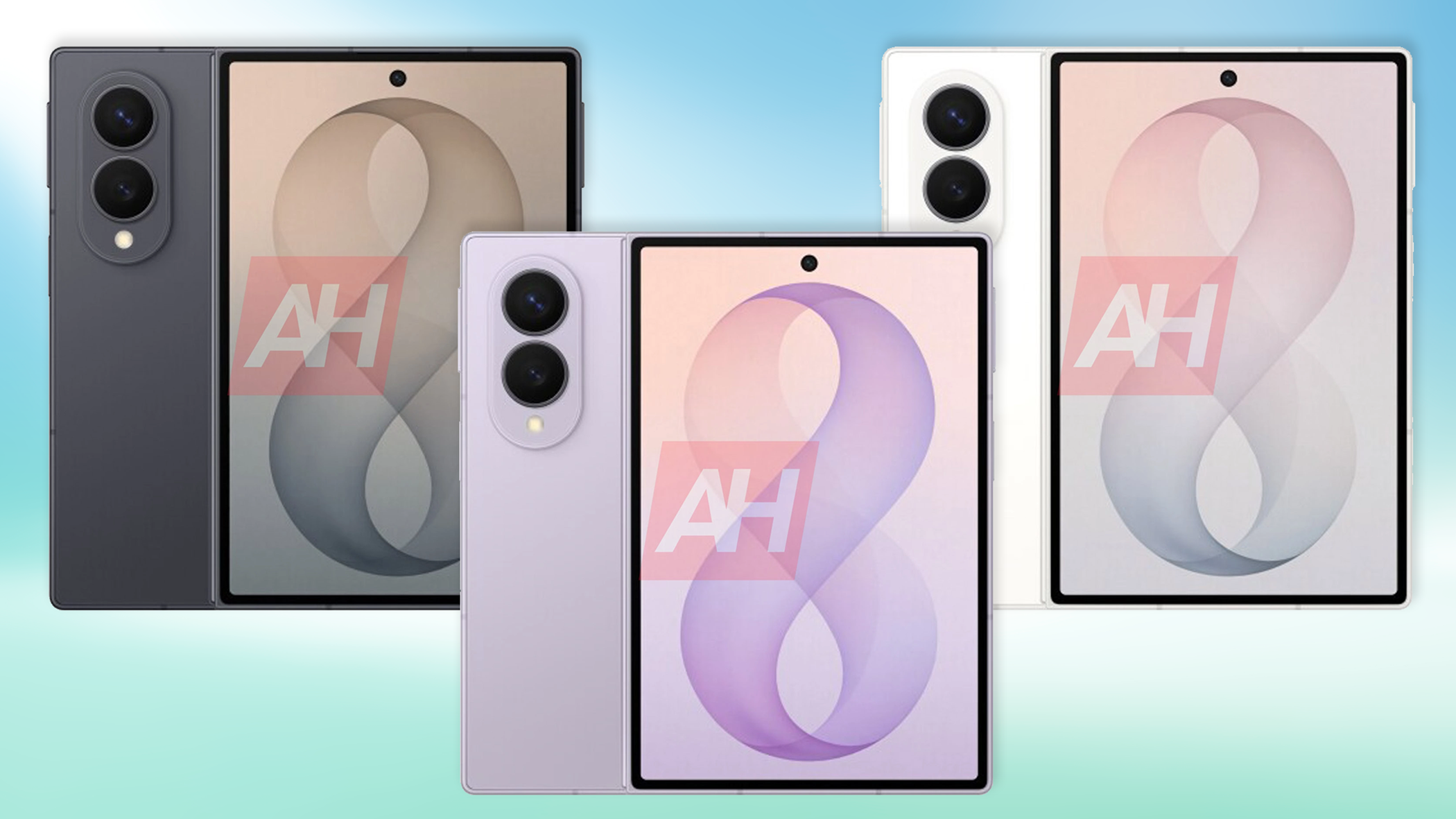
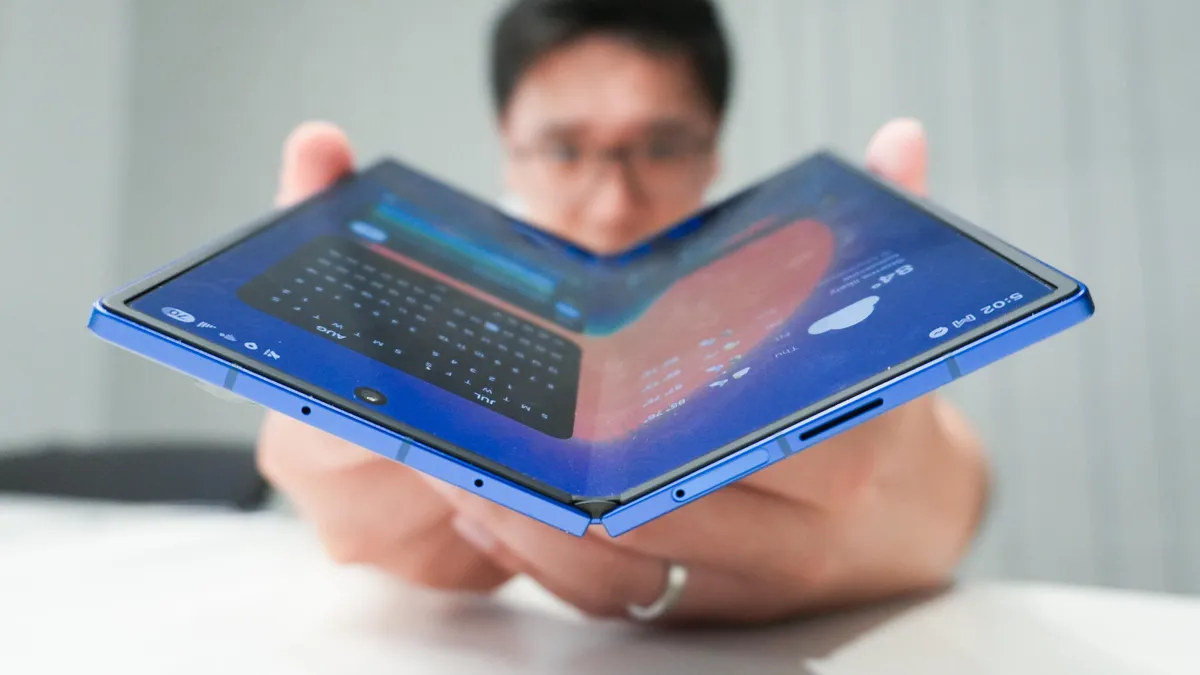
Samsung is betting that the Galaxy Z Fold 8 and Galaxy Z Fold 8 Ultra will define the premium foldable segment this cycle. The wide-body Galaxy Z Fold 8 is expected to arrive with a 5.5-inch 120Hz Dynamic AMOLED 2X cover display and a 7.6-inch 120Hz inner screen, both with tablet-leaning resolutions that push it closer to a compact productivity slate. It trims the rear camera system to two 50MP sensors but pairs that with dual 10MP selfie cameras and Qualcomm’s Snapdragon 8 Elite Gen 5 “for Galaxy” chip, aimed squarely at users who care more about screen real estate than camera versatility. Meanwhile, the Galaxy Z Fold 8 Ultra keeps the familiar tall form factor but raises the stakes with an 8-inch creaseless primary display, a 200MP main camera and a new 50MP ultrawide. By separating “wide” and “Ultra”, Samsung is turning foldables into a family, not a one-size-fits-all experiment.
Pricing signals that Samsung sees these devices as unapologetically premium. The Galaxy Z Fold 8 is expected to start from USD 1,899 (approx. ₱106,400), a tier below the Ultra. Reports suggest the Galaxy Z Fold 8 Ultra could start from USD 2,099 (approx. ₱117,600), leaning into power-user territory. Ahead of Unpacked, Samsung is already dangling a deal promising up to USD 1,230 (approx. ₱68,900) off the Galaxy Z Fold 8 for qualifying buyers, a clear move to lock in early adopters before competitors answer. The opinionated read on all this: Samsung is done playing defensive. It wants to own every serious foldable niche before rivals get there.
Galaxy Z Flip 8: Incremental Hardware, Strategic Restraint
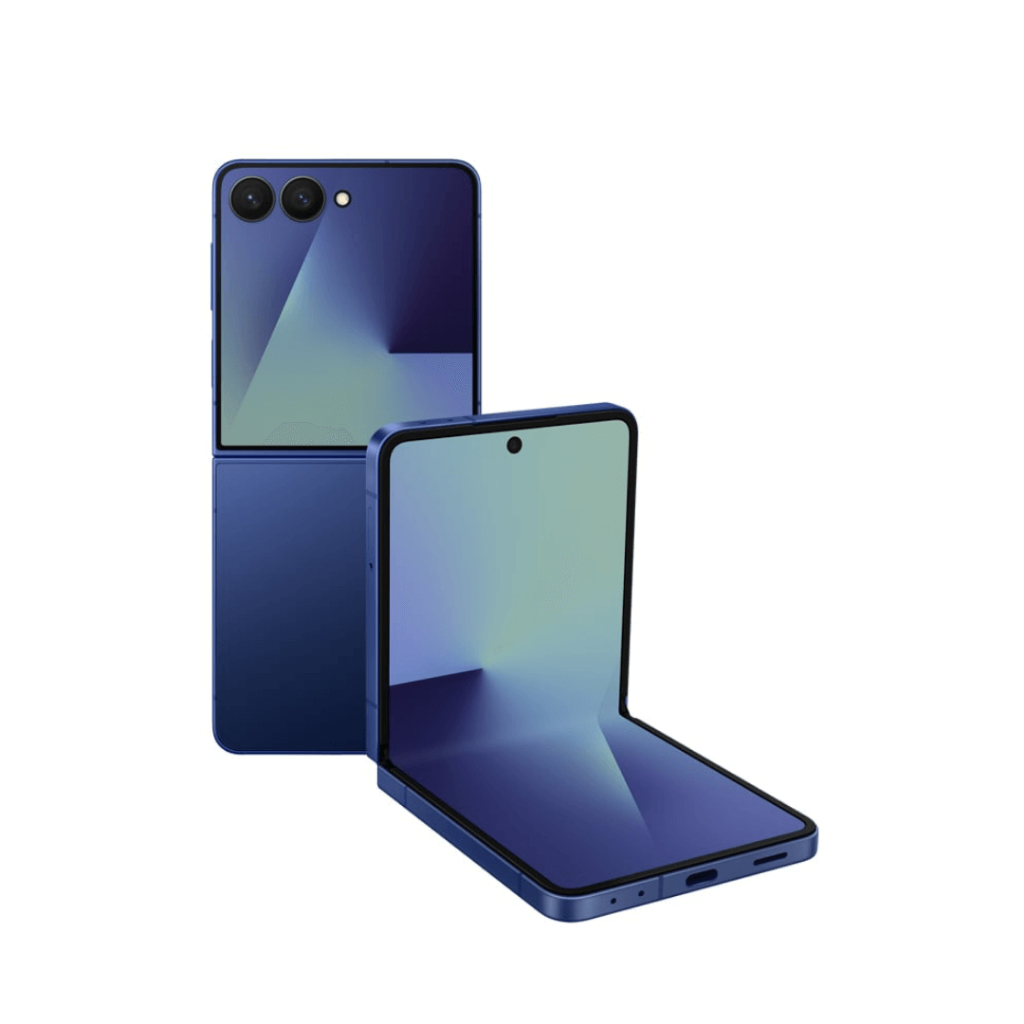
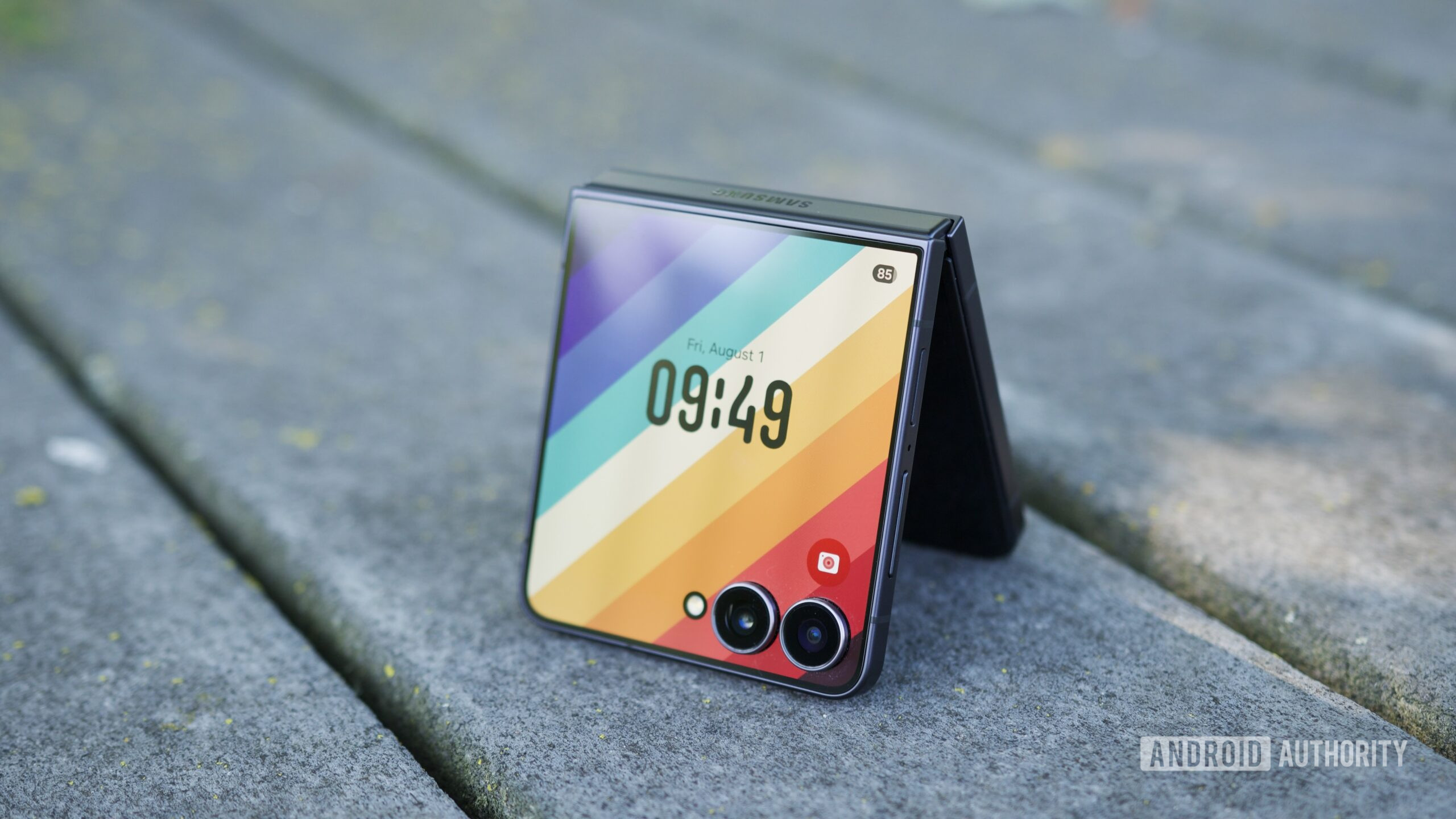
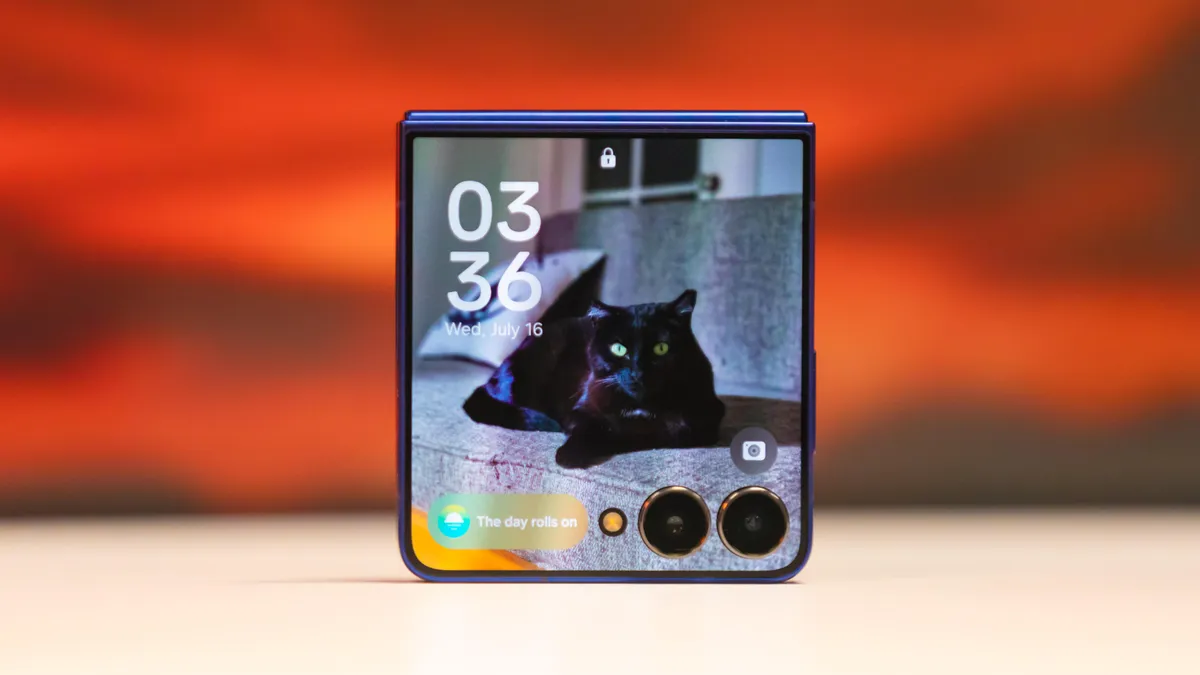
The Galaxy Z Flip 8 tells a different story: Samsung is practicing strategic restraint. Leaks suggest the clamshell foldable will retain its 6.9-inch 120Hz main display and 4.1-inch outer screen, plus the familiar 50MP wide and 12MP ultrawide cameras with a 10MP selfie unit. The major change is under the hood, with a move to the Snapdragon 8 Elite Gen 5 for buyers in the US and Exynos 2600 elsewhere. In other words, this is a performance refresh, not a redesign. According to reporting on early leaks, “Samsung may not bring any significant upgrades to most of the Z Flip 8’s hardware, mainly just giving the phone a new chipset onboard.” That may disappoint spec-chasers, but it fits Samsung’s broader pattern at this Unpacked: radical change for the big-screen foldables, evolutionary tuning for the style-led clamshell.
Pricing leaks point to a higher starting point than the earlier Z Flip 7, with one report listing the Galaxy Z Flip 8 from €1,299 (~USD 1,485, approx. ₱83,200) in Europe, compared with last year’s USD 1,099 (approx. ₱61,500). That gap underscores Samsung’s confidence that the Flip franchise has graduated from novelty to established luxury. The opinionated takeaway: the Z Flip 8 is less about chasing headlines and more about consolidating a design that already works, while the real experimentation shifts to the wider Z Fold lineup.
Galaxy Watch 9, Watch Ultra 2 and the Quiet Health Hardware Battle
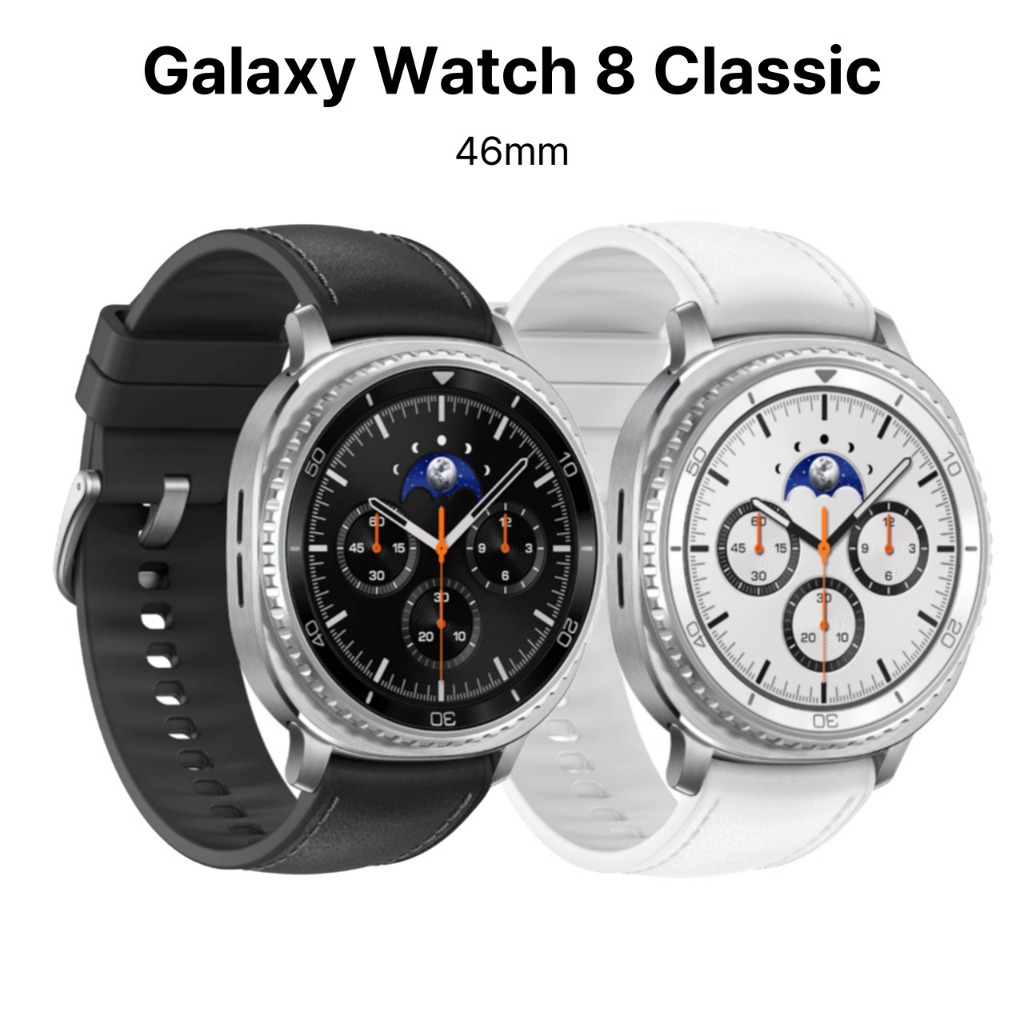
Foldables may steal the stage, but the next-generation Galaxy Watch 9 series and Galaxy Watch Ultra 2 are the backbone of Samsung’s ecosystem plan. The Watch 9 is expected in 40mm and 44mm sizes, with the smaller model keeping its 438 x 438 display and the larger stepping up to 480 x 480, plus the usual improvements in processors and battery life. The Galaxy Watch Ultra 2 sits above that as the performance and endurance option, suggesting Samsung wants a clear hierarchy in its smartwatch family similar to what it is creating with foldables. Notably, reports indicate Samsung is skipping a Classic variant this year, so fans of the rotating bezel will need to look back to the Galaxy Watch 8 Classic. That decision is telling: the company is putting health data, battery and integration ahead of nostalgic hardware flourishes.
Galaxy Glasses and Beyond: The Surprise Factor at Unpacked
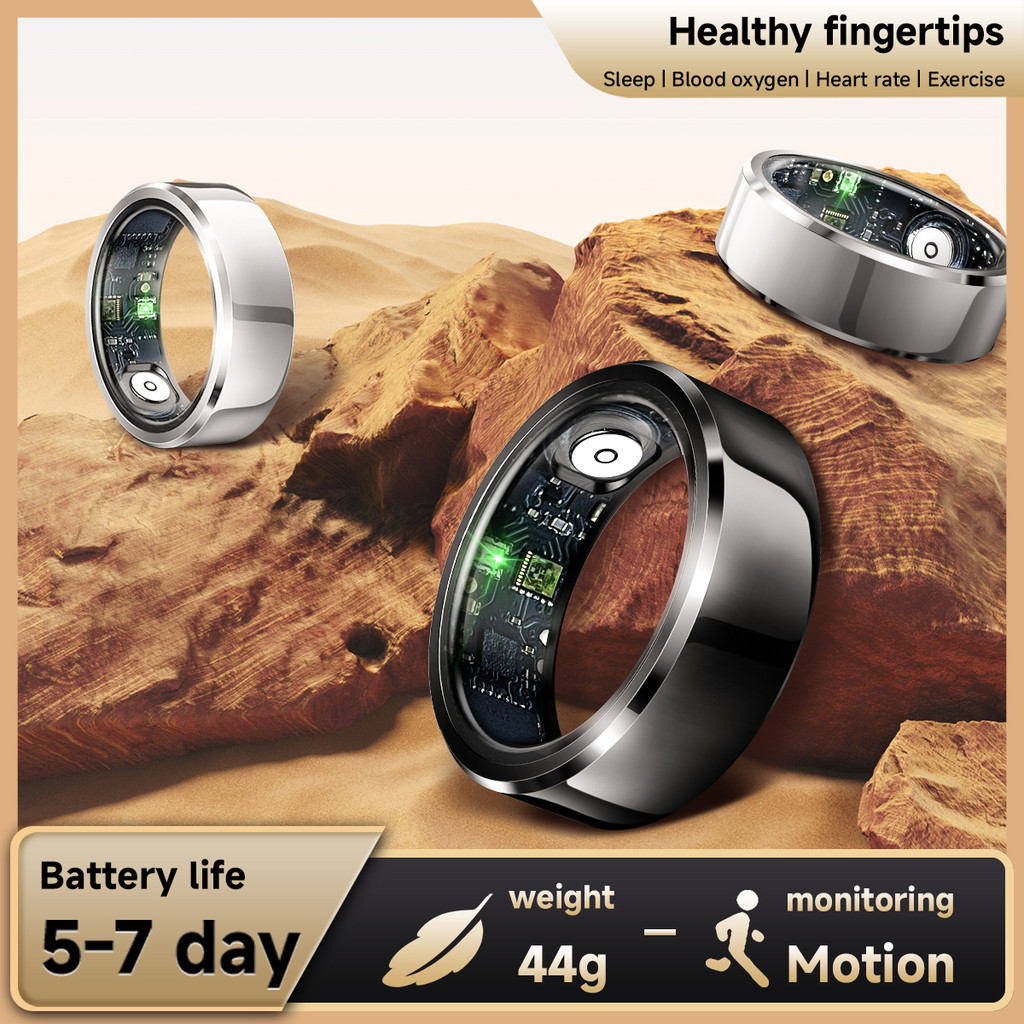
What makes this Samsung Galaxy Unpacked more intriguing is the promise of surprise hardware. Alongside talk of a wider Galaxy Z Fold 8, rumors keep circling around the Galaxy XR Glasses, often referred to as Galaxy Glasses, and even a second-generation Galaxy Ring. Samsung has already teased a “brand new shape” for its foldables in a movie trailer, and executives have said the Galaxy XR Glasses will be released later this year. While one source notes that “we can’t independently confirm that the Galaxy Glasses will be showcased at next week’s Unpacked event, there’s a small chance that the company will share a sneak peek or preview of the smart glasses,” that possibility matters more than the exact timing. It signals that Samsung sees XR as the next frontier once foldables and wearables are normalized.
Taken together, the July 22 event will mix incremental upgrades, like the conservative Galaxy Z Flip 8 and the iterative Watch 9, with potential new product categories such as Galaxy Glasses that could reshape how the Galaxy brand is perceived. The opinionated conclusion: this Unpacked is not only about new devices, it is about Samsung turning foldables and wearables into its default premium experience while laying the groundwork for an XR era. If the company delivers on both fronts, the event will mark a turning point where “Galaxy” stops meaning just phones and starts meaning a full spectrum of screens you wear, fold and, soon enough, put on your face.