
Pixel 11 and the first real 2nm shock to the smartphone processor race
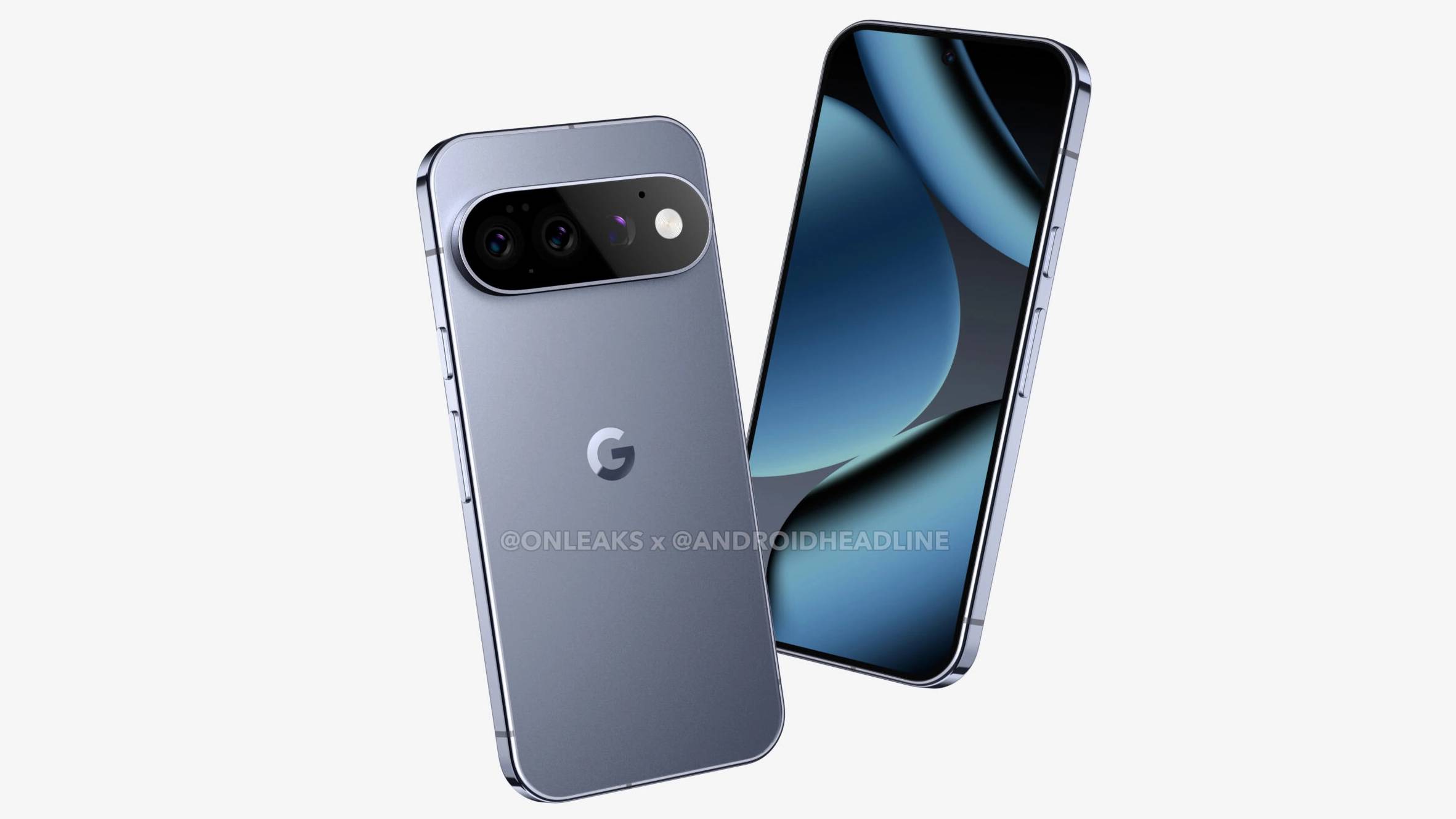
Google’s Pixel 11 2nm chip move refers to its reported plan to power the Pixel 11 series with a Tensor G6 processor built on TSMC’s new 2nm process, making it the first major flagship line to use this manufacturing node and shifting the usual timing of the smartphone processor race away from Apple’s typical lead.
For once, Google is not playing catch-up on silicon. TSMC has reportedly started mass production of its 2nm process technology, and Google is expected to tap it for the Tensor G6 at the heart of the Pixel 11 series. That alone would be notable, but the timing is the twist: Apple’s A20 chip for the iPhone 18 line is said to arrive about a month later, handing Google a bragging right it has never had in modern phone history. The 2nm process should help with the Pixel 11’s performance and efficiency, even if we do not yet know the exact scale of those gains. In a market where every flagship feels fast, first access to a cutting-edge node is less about benchmarks and more about narrative power—and this time, the narrative favors Google.
TSMC 2nm process: why beating Apple to it matters
TSMC has reportedly started mass production of its 2nm process technology, and that one line quietly explains why the stakes are so high. For years, Apple has been “usually the first to jump on TSMC’s latest process technology,” turning early access into a marketing weapon and a real-world efficiency edge. This time, it looks like Google is cutting ahead, with Tensor G6 built on that same 2nm process and landing in consumer hands first via the Pixel 11 series.
If that holds, the Pixel 11 becomes the first major flagship with TSMC’s new process, while Apple’s A20-powered iPhone 18 series arrives about a month later. In a smartphone processor race that has long been defined by Apple’s lead, this is a symbolic flip. It lets Google say, accurately for once, that its chips are built on a newer manufacturing node than the next iPhone at launch. That does not guarantee a better user experience, but it does signal that Google is no longer content to sit a generation behind in the Google vs Apple chips battle.
What the Pixel 11 2nm chip could mean for everyday users
From a buyer’s perspective, the important question is simple: what changes when your phone runs on a Pixel 11 2nm chip instead of today’s larger-node processors? The 2nm process should help with the Pixel 11’s performance and efficiency, although how much remains unknown until independent testing. In theory, a more efficient Tensor G6 means smoother performance under load, more consistent frame rates, and fewer thermal throttling surprises during long gaming or camera sessions.
Battery capacities themselves are not radically different: the Pixel 11 is listed with 4,985mAh, the Pixel 11 Pro with 4,850mAh, and the Pixel 11 Pro XL with 5,115mAh. If endurance improves, it will be because the chip and software sip power more carefully, not because Google stuffed in a huge new cell. That said, if Google fails to translate the TSMC 2nm process advantage into visible gains—more screen-on time, cooler operation, fewer stutters—then this early lead will feel like a spec-sheet flex rather than a meaningful upgrade.
Prices, RAM trade-offs, and the real cost of being first
There is a catch to Google’s aggressive chip move: the rest of the hardware story is not purely positive. The Pixel 11 starts at USD 899 (approx. ₱50,300) for its base configuration, with a higher listed price of USD 1,019 (approx. ₱57,000). The Pixel 11 Pro line spans USD 1,099 / USD 1,219 / USD 1,449 (approx. ₱61,500 / ₱68,200 / ₱81,200), while the Pixel 11 Pro XL is listed at USD 1,299 / USD 1,419 / USD 1,649 (approx. ₱72,700 / ₱79,400 / ₱92,000). Other price increases include USD 120 (approx. ₱6,700) hikes on 512GB models and USD 230 (approx. ₱12,800) on 1TB models for the Pixel 11 Pro, while the Pixel 11 Pro XL apparently sees USD 100 (approx. ₱5,600) increases at each storage level.
At the same time, Google appears to be trimming memory where it can. The 256GB Pixel 11 Pro and Pro XL configurations are listed with 12GB of RAM, while the 512GB and 1TB models keep 16GB. In other words, you may pay more and get less RAM than last year in some trims. The industry is dealing with massive RAM shortages, and Google could be saving its bigger RAM chips for higher-end storage models. But that explanation will not soften the blow for buyers who see a USD 100 (approx. ₱5,600) base-model increase alongside a RAM downgrade. Being first on TSMC’s 2nm node is not free; Google is implicitly asking users to subsidize that lead through higher prices and careful spec binning.
Timeline: Google’s short window to make this advantage count
Google has started sending out invites for the Pixel 11 launch event, scheduled in New York City on August 12 at 6 PM ET. That is when the Tensor G6 and its TSMC 2nm process story will finally meet reality. Apple’s A20 chip, meanwhile, is expected to debut in the iPhone 18 series about a month later. This is a tight window, and that is the point: Google has only a few weeks to own the conversation about next-generation chip technology before Apple responds with its own take on the same node.
In that gap, the narrative will either harden around “Pixel 11 is the first major flagship with TSMC’s new process” or collapse into shrugs if the real-world gains are underwhelming. According to one listing, Google may even pair the Tensor G6 with a MediaTek modem rather than a Samsung modem, suggesting Google is willing to shuffle long-standing partnerships to chase better connectivity and efficiency. The conclusion is straightforward: Google has finally bought itself a semiconductor head start over Apple. Whether it can turn that into a clear user benefit—and a lasting reputation for silicon leadership—is the part of the story that begins on August 12.