
Pixel 11 vs Pixel 10: What This Comparison Is Really About
Pixel 11 vs Pixel 10 is a smartphone camera comparison that weighs rumored hardware, design tweaks, and processing power to decide if the Pixel 11 camera upgrades justify replacing a still-excellent Pixel 10, or if they only make sense for new buyers wondering, “should I upgrade phone or keep what I have?”
The short answer: if you already own a Pixel 10, the Pixel 11 looks like a refinement, not a revolution, especially for photography. The new model’s 50MP primary sensor is expected to cut noise and improve low-light shots over the Pixel 10’s 48MP main camera, but leaks point to “minor improvements in image quality compared to the Pixel 10” rather than a huge leap. Add a more efficient Tensor G6 chip and a slimmer body, and the Pixel 11 becomes the smarter choice for first-time Pixel buyers or those coming from older Pixels, not people happy with last year’s phone.

Hard Specs: Pixel 11 vs Pixel 10 (and Fold vs Fold)
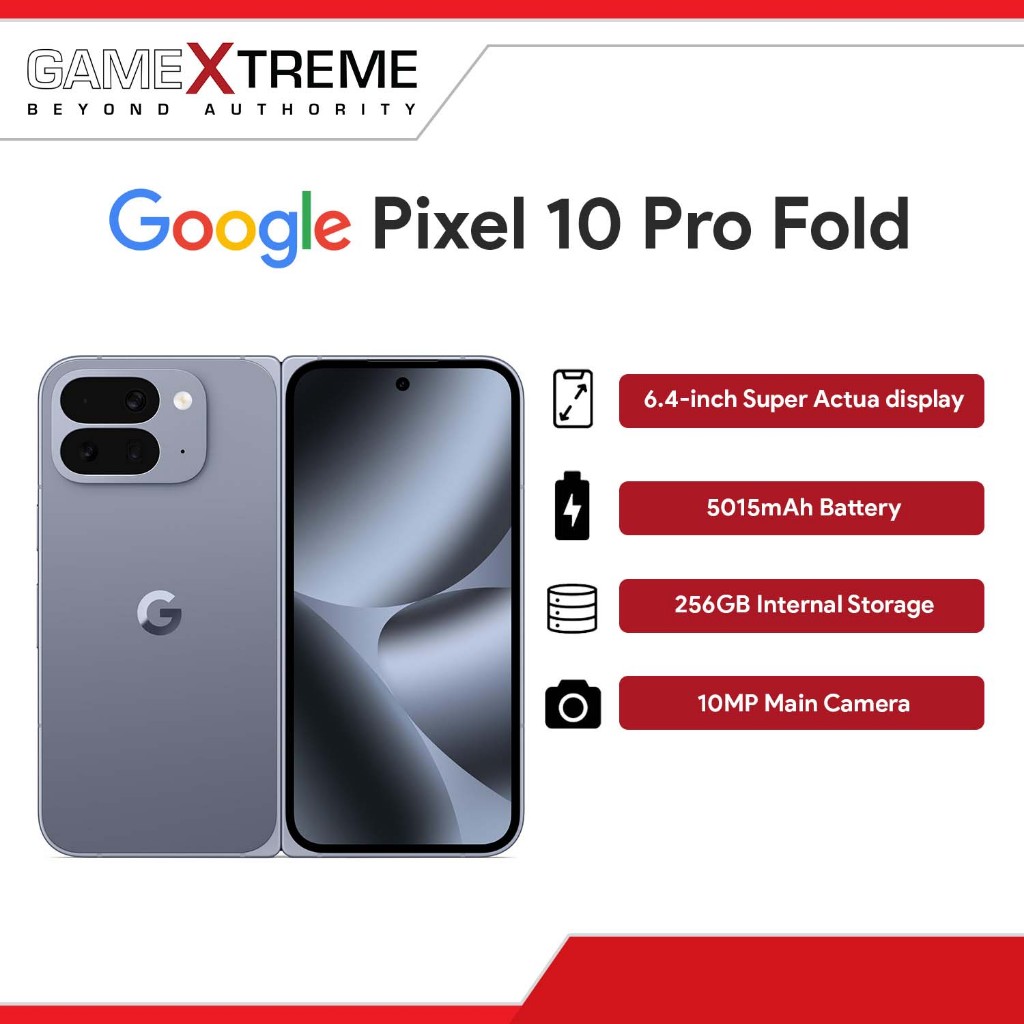
On paper, Pixel 11 versus Pixel 10 looks incremental, while the Pixel 11 Pro Fold versus Pixel 10 Pro Fold shows clearer steps forward. The base Pixel 11 keeps a 6.3‑inch 120Hz AMOLED display and 12GB RAM but moves to a Tensor G6 processor on a 2nm process, promising better efficiency than the Pixel 10’s Tensor G5. Storage also nudges up, starting at 256GB instead of 128GB. For foldable fans, the Pixel 11 Pro Fold upgrades both inner and outer OLED panels to 3500 nits, up from 3000 nits, and swaps in the same Tensor G6 on a 2nm node, while keeping 16GB RAM and up to 1TB storage. These hardware shifts set the stage for smoother computational photography, even if the raw camera count and layout feel familiar.
| Spec | Pixel 11 (rumored) | Pixel 10 | Pixel 11 Pro Fold (rumored) | Pixel 10 Pro Fold |
|---|---|---|---|---|
| Storage options | 256GB, 512GB | 128GB, 256GB | 256GB/512GB/1TB | 256GB/512GB/1TB |
| RAM | 12GB | 12GB | 16GB | 16GB |
| Display | 6.3-inch 120Hz AMOLED | 6.3-inch 120Hz AMOLED | Outer 6.4" 120Hz, Inner 8.0" 120Hz, 3500 nits | Outer 6.4" 120Hz, Inner 8.0" 120Hz, 3000 nits |
| Processor / chipset | Tensor G6, 2nm (rumored) | Tensor G5 | Tensor G6, 2nm TSMC | Tensor G5, 3nm TSMC |
| Battery | 4,985mAh | 4,970mAh (typical) | 4,800mAh (rumored) | 5,015mAh |
| Cameras (rear) | 50MP primary (rumored) | 48MP primary, 5x telephoto triple setup | 50MP main, 10.8MP 5x tele, 10.5MP wide | 48MP main, 10.8MP 5x tele, 10.5MP wide |
| Front camera | — (not detailed in leaks) | — (not detailed in leaks) | 10MP f/2.2 | 10MP f/2.2 |
| Charging | — (not detailed in leaks) | — (not detailed in leaks) | 45W wired, 15W Qi2 wireless | 30W wired, 15W Qi2 wireless |
| Connectivity / OS | Wi‑Fi 6E, BT v6, NFC, dual‑band GPS, 5G mmWave/Sub‑6, LTE | Wi‑Fi 6E, BT v6, NFC, dual‑band GPS, 5G mmWave/Sub‑6, LTE | Android 17, seven years of updates (likely), IP68 | Android 17, seven years of updates, IP68 |
One quotable detail: “The Pixel 11’s base price is rumored to rise by USD 100 (approx. ₱5,600) to USD 899 (approx. ₱50,400), but that should include double the storage at 256GB.” The Pixel 10 Pro Fold launched at USD 1,799 (approx. ₱100,800) for 256GB, while leaks suggest the Pixel 11 Pro Fold could land around USD 1,899 (approx. ₱106,400). Those higher prices matter if you care more about value than marginal camera gains.
Camera Upgrades: How Much Better Is Pixel 11 Really?
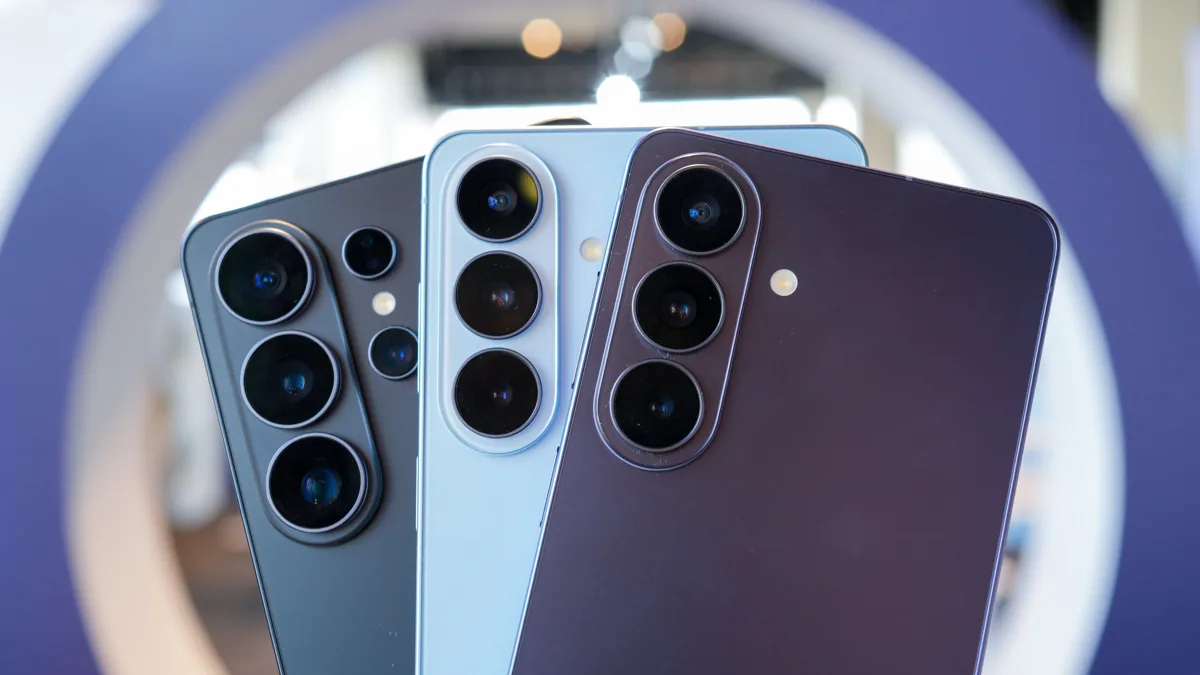
For standard slabs, the key Pixel 11 camera upgrades are subtle but targeted. Last year’s Pixel 10 moved to a 48MP primary sensor and added a 5x telephoto, which delivered excellent zoom photos despite the headline “downgrade” in megapixels. The Pixel 11 is rumored to move back to a 50MP primary sensor, with leaks suggesting better noise reduction and improved low-light performance, leading to “minor improvements in image quality compared to the Pixel 10”. That is the crux of this smartphone camera comparison: expect cleaner night shots and slightly sharper detail, not a new shooting experience. Foldable buyers see a clearer jump. The Pixel 11 Pro Fold is said to get a new main camera that “should allow the foldable to take better photos” than the Pixel 10 Pro Fold. If you shoot a lot on the inner or outer display, that new sensor plus brighter panels will be noticeable.
On the downside, both generations share a familiar weakness: Google’s homegrown Tensor chips have lagged behind Qualcomm and MediaTek rivals in gaming performance, and even with Tensor G6, expectations are tempered; it “shouldn’t be as hobbled as the G5 and G4 when it comes to gaming” but is not expected to match top Snapdragon parts. The Pixel 11 also faces criticism for an outdated GPU, meaning you “probably won’t count on it for heavy gaming”. For photography-focused users, that trade-off may be fine, but it underlines that these devices are tuned more for camera and AI features than for hardcore games.
Design, Battery, and Everyday Use: Slimmer vs Longer-Lasting
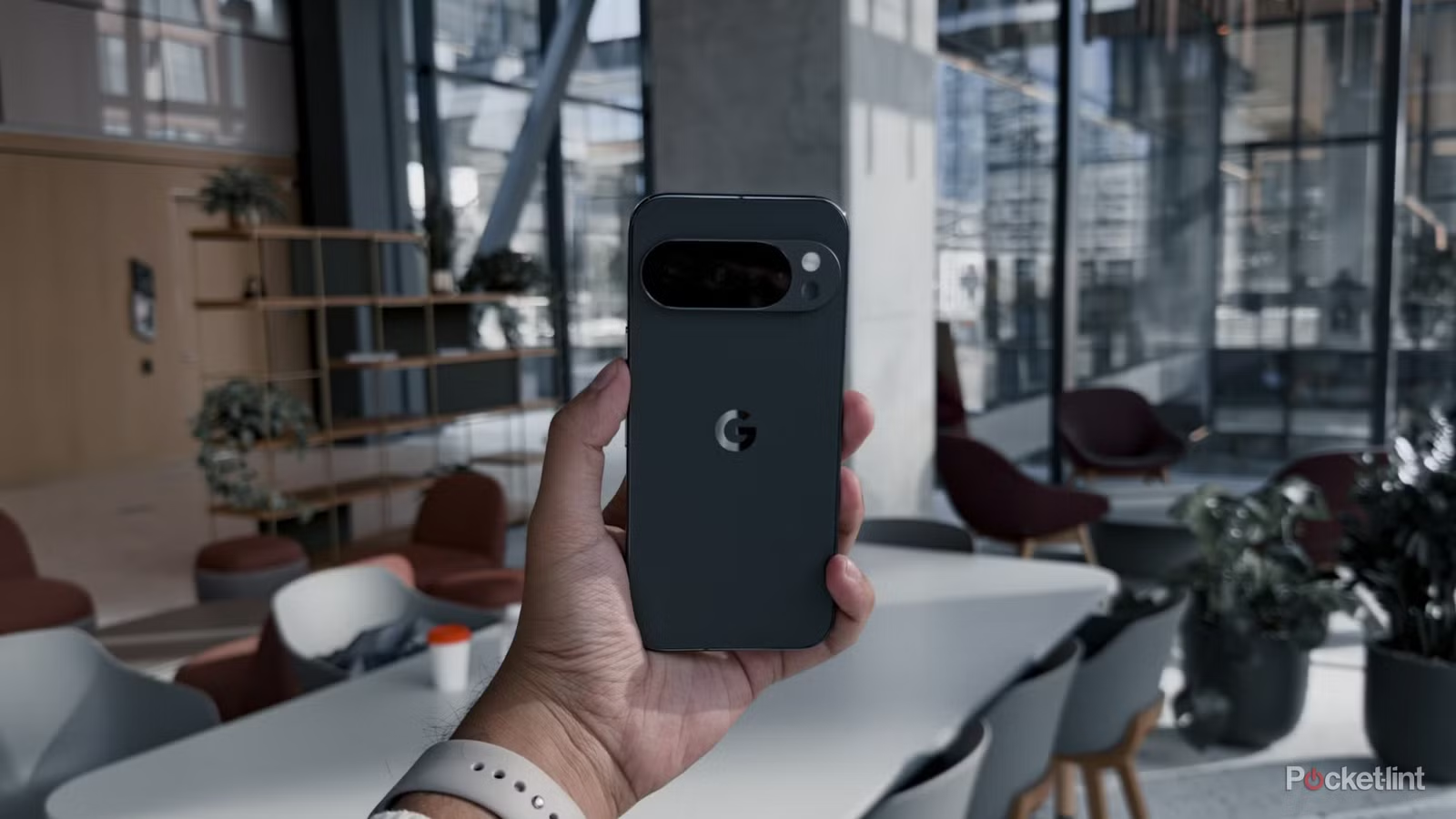
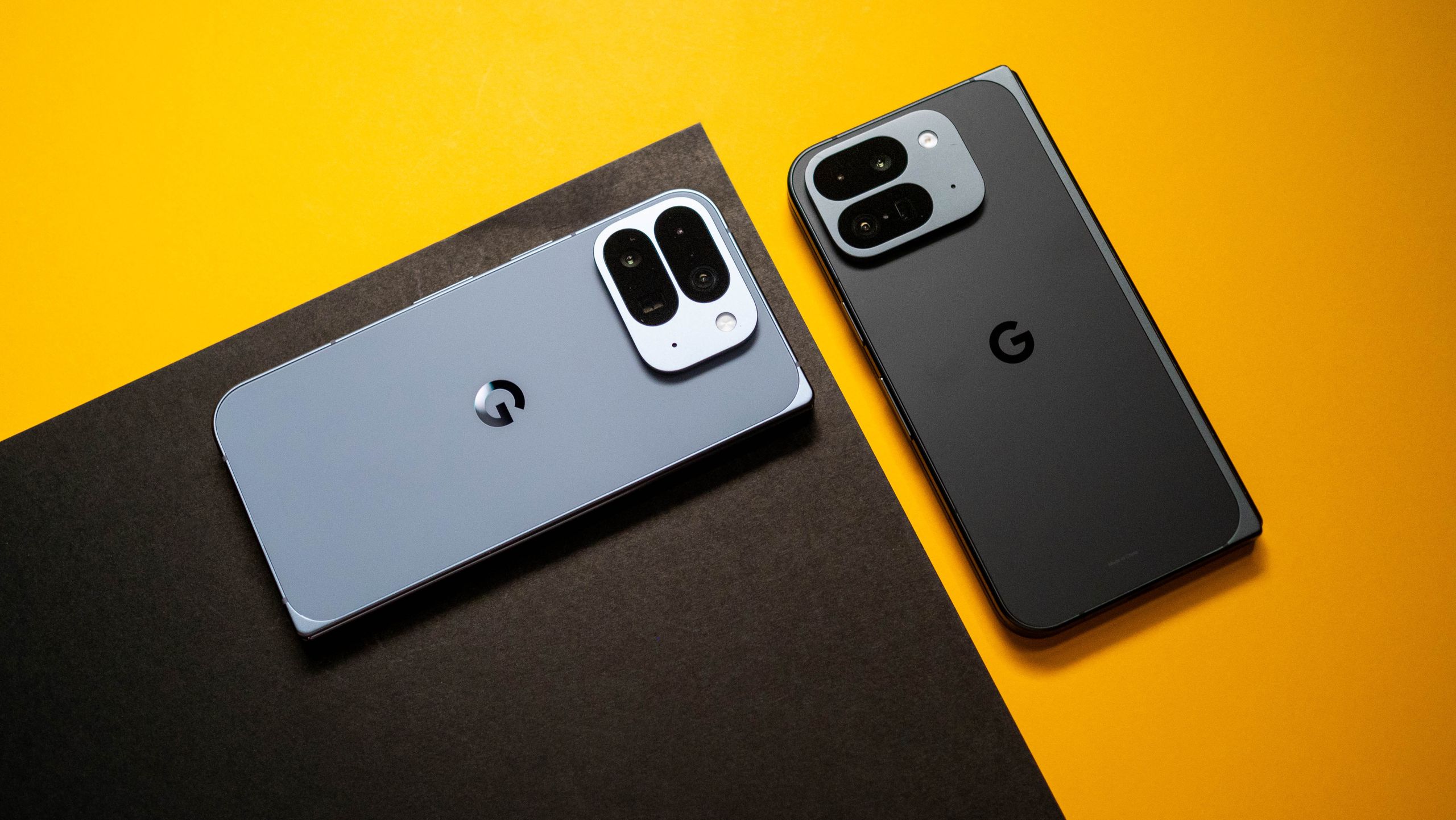
From a pure design standpoint, Pixel 11 vs Pixel 10 is about refinement. Leaks suggest almost identical dimensions, with the Pixel 11 “a hair thinner,” which is welcome given how thick the Pixel 10 already feels. The camera bar gets a more uniform glass finish, and a new “Pixel Glow” LED near the flash should act as a colorful notification and AI indicator. Under the hood, the Tensor G6’s 2nm process and a new MediaTek modem aim to improve efficiency and connectivity over the Pixel 10’s G5 and Samsung modem combo. For foldables, the design story matters more: the Pixel 10 Pro Fold is heavy at 258g, and leaks argue that “a thinner and lighter foldable would go a long way” toward making the Pixel 11 Pro Fold stand out. Expect Google to chase slimmer unfolded and folded thickness to match leading rivals.
Battery decisions show where each generation wins and loses. On the standard models, the Pixel 11 slightly increases capacity to 4,985mAh from the Pixel 10’s 4,970mAh typical rating, while also getting a more efficient chip, so endurance should edge up. For the Pixel 11 Pro Fold, leaks point to a smaller 4,800mAh battery compared to the Pixel 10 Pro Fold’s 5,015mAh. That cut is likely to save weight and thickness but risks shorter screen-on time. Both lines share one caveat: they trade some raw performance and battery headroom for design and AI features rather than chasing spec-sheet dominance. If your priority is the longest possible battery or the fastest gaming GPU, these may not be the best fit.
Value and Use Cases: Who Should Upgrade, Who Should Wait
The biggest question is simple: should I upgrade phone or stick with the Pixel 10? For current Pixel 10 users, even the sources say “there will be little reason to upgrade to the Pixel 11,” because Tensor G5 is capable and will likely support most new features. The Pixel 11’s higher rumored base price of USD 899 (approx. ₱50,400) is harder to swallow if you already own a phone with a triple camera setup and seven years of OS updates. Where the Pixel 11 shines is for people on much older phones: coming from a Pixel 9 or earlier, you get the 50MP main camera, modern 5x telephoto, more efficient chip, and larger base storage, which collectively make the upgrade more meaningful. On the foldable side, if you “don’t need the best cameras and are okay with a heavier foldable, the Pixel 10 Pro Fold is a great choice — and you don’t have to pay anywhere as much” as for the new model.
In contrast, the Pixel 11 Pro Fold is tailored to early adopters who want thinner hardware, brighter screens, faster Tensor G6 performance, and that new main camera, even if it means paying about USD 100 (approx. ₱5,600) more than the Pixel 10 Pro Fold’s USD 1,799 (approx. ₱100,800) starting price. In other words, the standard Pixel 11 is a safe but modest camera-focused upgrade best for newcomers, while the Pixel 11 Pro Fold is the more compelling generational jump for foldable users who care about photography and everyday comfort. Your decision should hinge on how much you value slightly better low-light photos, brighter panels, and a slimmer feel over saving money with last generation’s still-strong hardware.
Buy if / Skip if
- Buy the Pixel 11 if you are coming from a Pixel 9 or older and want a 50MP main camera, better low-light photos, and higher base storage without losing familiar software features.
- Skip the Pixel 11 if you already own a Pixel 10 and are satisfied with its triple camera system, because expected camera gains are described as minor and the base price is rumored to be higher.
- Buy the Pixel 10 if you want strong AI features, seven years of OS updates, and a lower starting price while keeping a versatile triple camera setup.
- Skip the Pixel 10 if you need more than 256GB storage out of the box and prefer the slightly thinner design and efficiency gains rumored for Pixel 11.
- Buy the Pixel 11 Pro Fold if you prioritize a new main camera, brighter inner and outer OLED panels, Tensor G6 performance, and a thinner, lighter foldable experience.
- Skip the Pixel 11 Pro Fold if you value longer battery life and a lower price more than incremental camera and design improvements, since leaks suggest a smaller 4,800mAh battery and at least USD 100 (approx. ₱5,600) higher cost than its predecessor.
- Buy the Pixel 10 Pro Fold if you want one of the best software experiences on a foldable, can live with a heavier device, and prefer paying less while still getting a capable camera setup.
- Skip the Pixel 10 Pro Fold if you care deeply about having the best possible foldable camera and a thinner, lighter body, as the Pixel 11 Pro Fold is aimed at fixing those exact complaints.