
Pixel 11a: A Budget Android Phone That Stops Playing It Safe
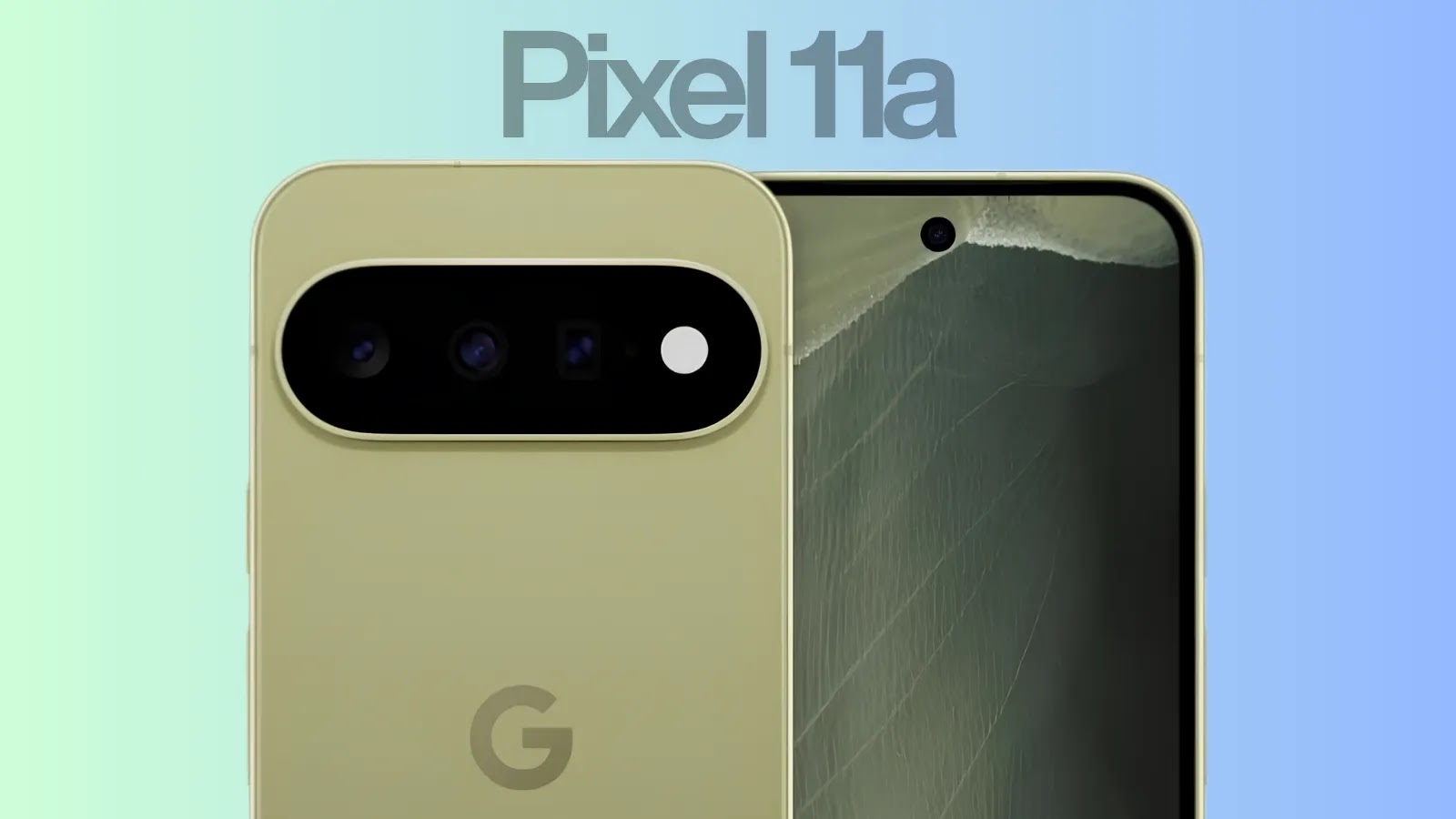
The Pixel 11a is an upcoming budget Android phone that, according to a sweeping specs leak, pairs Google’s new Tensor G6 processor with a high‑brightness 6.3‑inch display, MediaTek M90 modem, and 4,870mAh battery, aiming to deliver flagship‑level core hardware in a lower‑priced device while signaling a reset of Google’s approach to affordable phones.
What matters most in the Pixel 11a specs leak is not the list itself, but the strategy it implies: Google seems ready to stop treating its A‑series as hand‑me‑downs. The phone, codenamed “Formosan,” surfaced inside Google’s own Phone app beta this week alongside the Pixel 11 family, an internal slip that prompted a leaker to “drop the nuke” and publish the full spec sheet. This is not a minor refresh; it is a course correction after the Pixel 10a launched without meaningful upgrades over the Pixel 9a. If these details hold, Google is preparing to put pressure on every budget Android phone that still ships with older silicon and dimmer panels.
Tensor G6 and MediaTek M90: Flagship Guts in an A‑Series Body
The most important line in the Pixel 11a specs leak is the chip: Tensor G6, the same processor headed for the flagship Pixel 11 series, rather than last year’s silicon as expected. Technically, Tensor G6 is a seven‑core design on TSMC’s 2nm process, with one ARM C1‑Ultra core at 4.11GHz, four C1‑Pro cores at 3.38GHz, and two more at 2.65GHz, described as a “substantial efficiency-focused upgrade.” Pair that with 8GB of RAM and a PowerVR C‑Series CXTP‑48‑1536 GPU, and the 11a starts to look far closer to a flagship than a typical mid‑ranger.
Equally telling is the modem choice. The Pixel 11a is tipped to use the MediaTek M90 modem, a part that finally lets Google move away from the Samsung Exynos radios it has used for years. That matters strategically: instead of cutting costs by “fusing off defective TPU sections for cheaper models,” as earlier internal planning reportedly considered, Google appears willing to ship full‑fat Tensor in its budget line and stabilize connectivity with a newer radio stack. In other words, performance and network reliability are being promoted from compromises to selling points.
A Brighter, Faster Screen Shows Google Wants the Budget Crown
Display specs are where budget phones usually surrender ground, but the Pixel 11a leak tells a different story. The phone is said to use a 6.3‑inch 1080×2424 panel with a 60–120Hz refresh rate, hitting 2,250 nits in HDR and a 3,350‑nit peak. On paper, that is brighter than the standard Pixel 11’s rumored 2,200‑nit peak, a stunning reversal of the usual flagship‑over‑budget hierarchy. Combined with the 4,870mAh minimal battery capacity (likely marketed near 5,000mAh) and 8GB RAM, the hardware balance looks more like a premium everyday phone than an “A‑series compromise.”
This is a direct challenge to the current crop of budget leaders, which often pair efficient chipsets with strictly adequate, lower‑brightness displays to hit their price targets. By contrast, Google’s move signals that “Google's budget phone strategy just took a sharp turn,” as one report puts it. The message is clear: if the leak is accurate, competitors that still cheap out on screens will look dated next to a budget Pixel that can run at 120Hz and stay readable under harsh light.
Formosan, SKUs, and ‘Marmoset’: The Roadmap Behind the Leak
The codename story may sound like trivia, but it is the key to why the Pixel 11a leak is so credible. “Formosan” appeared inside Google’s Phone app beta alongside four Pixel 11 codenames—cubs, grizzly, kodiak, and yogi—an internal listing that effectively confirmed the device’s existence before the spec dump. Independent reporting then matched Formosan to a detailed configuration: three SKUs (GQ05X for global markets, GP1BL for Japan, and G4XQ2 for North America) and four colors—Obsidian, Olive, Frost (purple), and Fog (silver).
The same leak adds a new Titan M3 security chip (codenamed Epic), the new front camera sensor “dokkaebi,” and even a peek further down the line: the Pixel 12a reportedly carries the codename “marmoset.” This pattern of codenames, shared hardware like Tensor G6 and the MediaTek M90, and synchronized internal references suggests a more disciplined roadmap than before. Instead of improvising small A‑series tweaks each cycle, Google seems to be planning a continuous budget family that closely tracks the mainline Pixels in silicon and security features.
Pixel 11a Release Date and What It Means for Budget Buyers
Timing is the last piece of the puzzle. Google launched the Pixel 10a in March 2026, and if it keeps the same cadence, reports suggest the Pixel 11a should debut around March 2027, after the Pixel 11 flagships land at an expected August 2026 hardware event. As always with pre‑release leaks, there is room for change—specs can still shift before mass production, especially around camera tuning and minor component swaps. But the core story is unlikely to reverse: Tensor G6, the MediaTek M90 modem, a 6.3‑inch 120Hz high‑brightness screen, and an 8GB/4,870mAh foundation are central to the identity of this phone.
After an underwhelming Pixel 10a that “launched without any upgrades over the Pixel 9a,” the 11a looks like Google’s attempt to win back trust. The opinionated takeaway is straightforward: if you care about getting flagship‑grade processing and a serious display in a budget Android phone, the Pixel 11a—assuming these leaks hold—deserves a place on your shortlist, even if it means waiting for that projected Pixel 11a release date.