
Logitech’s Quietly Aggressive Play: Latency Over Hype
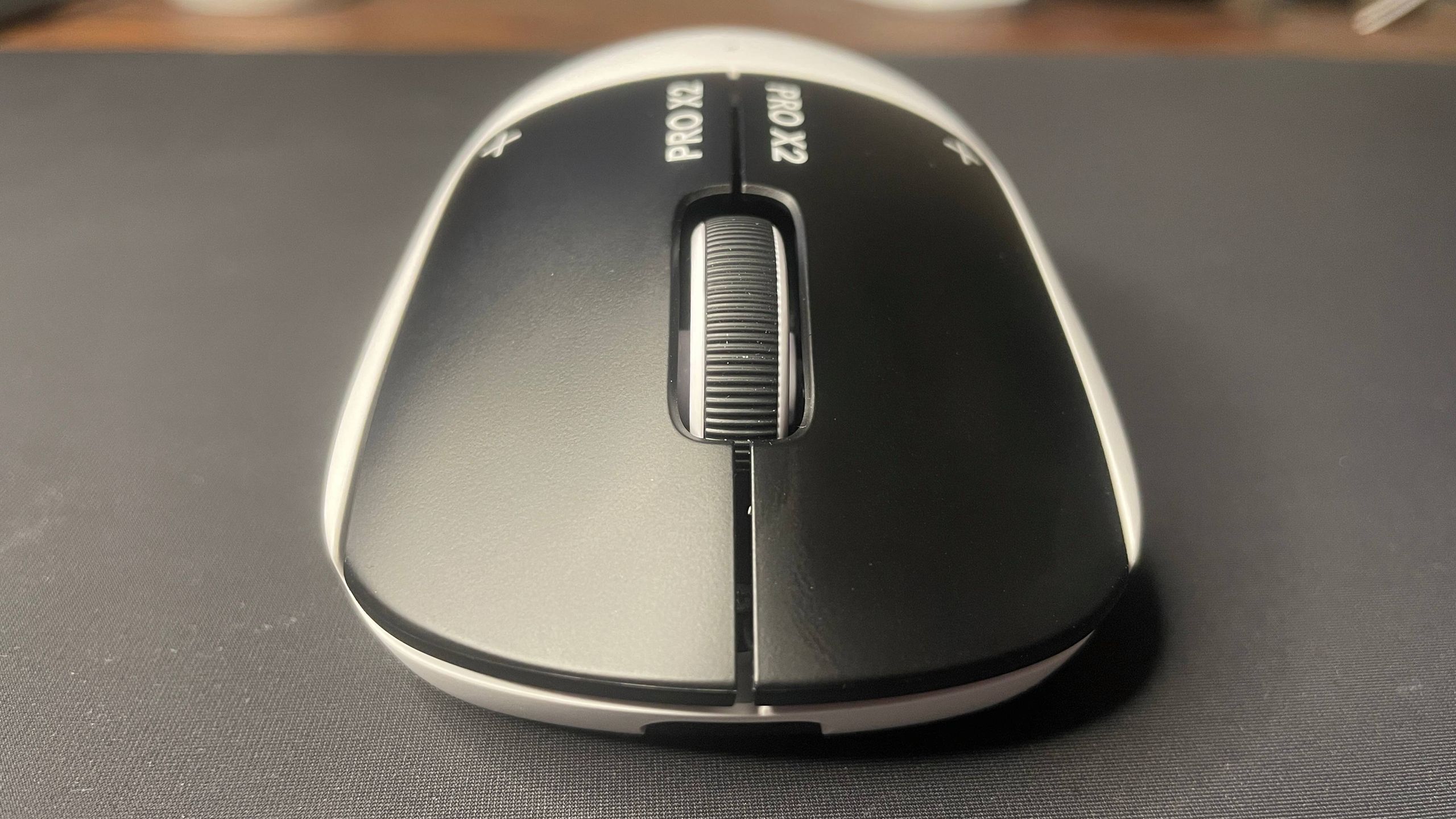
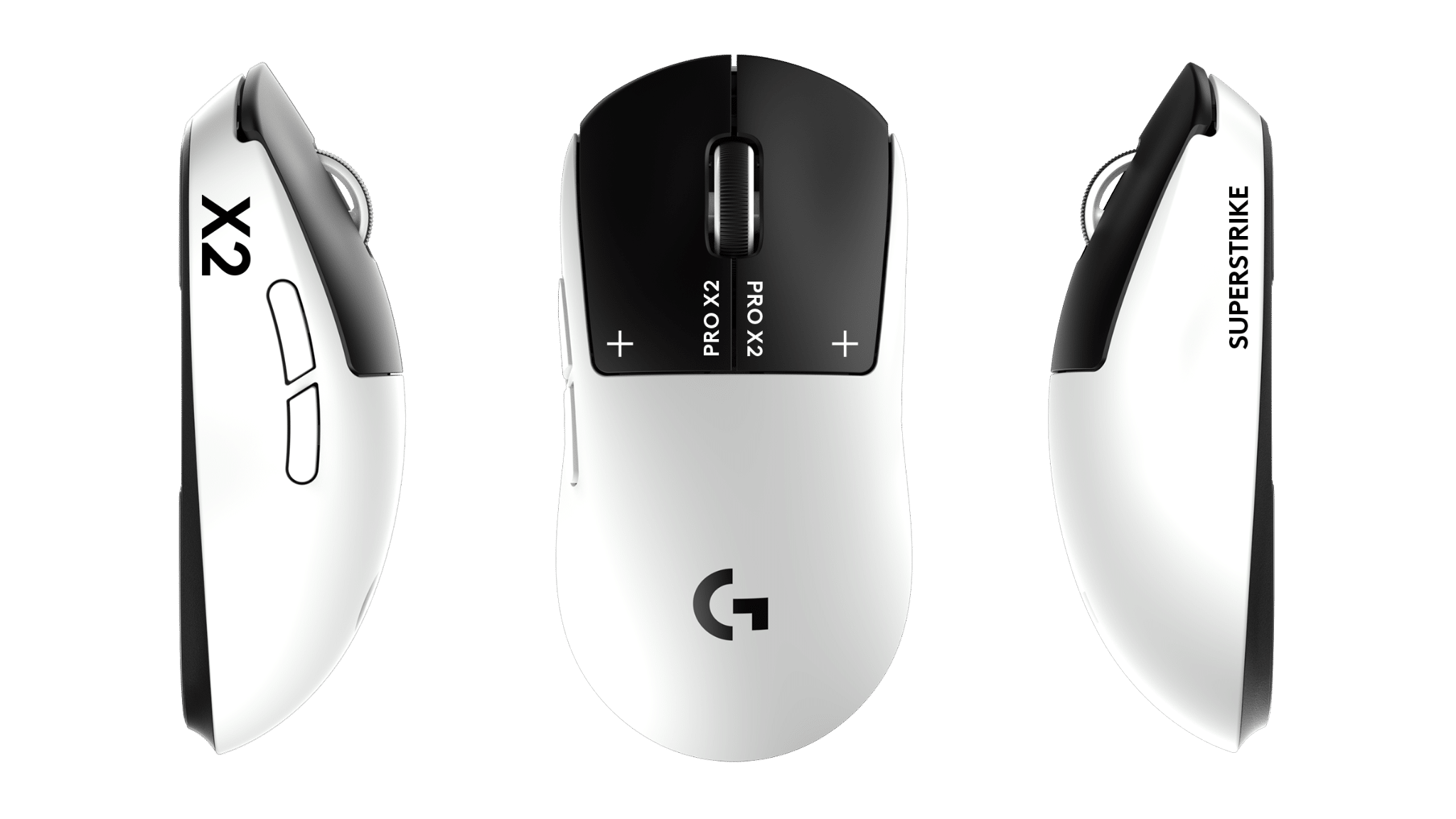
Logitech’s next-generation Superstrike X2 successor is a rumored low latency gaming mouse that keeps its existing optical sensor while upgrading internal electronics, haptic feedback, and click mechanisms to deliver faster, more consistent input for competitive and esports players. This Logitech gaming mouse leak paints a clear picture: rather than chasing another headline-grabbing sensor spec, Logitech is trying to win the esports mouse upgrades race where it actually matters—in latency, feel and reliability. According to a leak from the Pericord Discord community shared by @jakeufps on X, Logitech plans to unveil a second-generation Superstrike at its Logitech G Play event in September. Logitech has not confirmed the mouse or the launch window, but the direction of the rumored changes tells us more than any model number: the brand sees performance bottlenecks in processing and click implementation, not tracking pixels.
Incremental Hardware, Significant Latency Ambitions
The most revealing part of the Superstrike X2 successor leak is what Logitech is not changing: the optical sensor. In a market obsessed with new sensor names, this is a deliberate move. The company reportedly sticks with its current flagship sensor and instead swaps in a newer microcontroller (MCU) to run the mouse. That sounds modest, but it is the right bet. An upgraded MCU could improve firmware responsiveness, reduce processing latency, and open doors for richer software features. In practice, this is what separates a good low latency gaming mouse from a great one—how quickly clicks become in-game actions and how predictably that happens over thousands of rounds. Current high-end sensors are already accurate enough that micro delays in processing and switch logic are now the real enemy. If the leak is accurate, Logitech is finally treating that enemy as the main target rather than a footnote.
Haptic Feedback and Click Refinements: Esports-Centric Tweaks
Logitech’s focus on its HITS haptic feedback and adjustable actuation technology shows a clear competitive priority: precision input over gimmicks. These features defined the original Superstrike, offering tunable switch behavior for different playstyles. Refining them now is an acknowledgement that esports players care less about new buzzwords and more about predictable, repeatable clicks that feel identical as fatigue sets in. Logitech is reportedly improving responsiveness and consistency while keeping the mouse compatible with its existing software ecosystem. That is smart; pros do not want to relearn tools every season. Common feedback has also highlighted a lighter chassis, better weight distribution, improved PTFE skates, and subtle ergonomic tweaks as real-world esports mouse upgrades users want. If Logitech treats these as non-negotiable rather than optional, the Superstrike X2 successor could become the default pick for players who value click feel and endurance over cosmetic novelty.
A Crowded Low-Latency Field and Logitech’s Strategic Timing
This Logitech gaming mouse leak lands in a market that has changed since the original Superstrike launched. Several competitors now offer magnetic-switch mice with adjustable actuation and low-latency input systems, erasing Logitech’s early advantage. As those features become standard, brands are shifting toward firmware optimization, software integration, build quality, and overall user experience rather than chasing the next sensor badge. Logitech’s rumored September reveal fits this landscape: it signals a mid-cycle, evolutionary update designed to keep pace with rivals without burning down a platform pros already trust. According to the leak, the second-generation Superstrike is positioned as a refinement of the existing design that answers user feedback and strengthens Logitech’s standing in the magnetic-switch segment. Logitech has yet to confirm the product or the timeline, but the intent is obvious—the company wants to reassert itself as the reference point for competitive mice in a now crowded, low-latency field.
Why Logitech’s Evolutionary Approach Matters for Players
From a player’s perspective, the rumored Superstrike X2 successor is more meaningful than a flashy Superstrike X2 v2 badge. Keeping the existing sensor is not a downgrade; modern flagship optical sensors already deliver precise tracking to the point where incremental improvements feel academic in real matches. What matters is how quickly, consistently, and comfortably you can fire and flick. An upgraded MCU, smarter firmware, refined haptics, and better click mechanisms promise improvements where they are felt every round rather than only in spec sheets. Add the possibility of lighter, better-balanced hardware and superior skates, and you have the kind of esports mouse upgrades that decide which brand dominates LAN tables. If Logitech delivers on these internal refinements, it will validate a refreshing philosophy in gaming hardware: stop chasing new sensors for their own sake and fix the parts of performance players actually notice.