
A Red-Tinted Panic, and Why It Matters
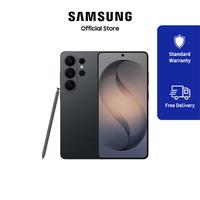
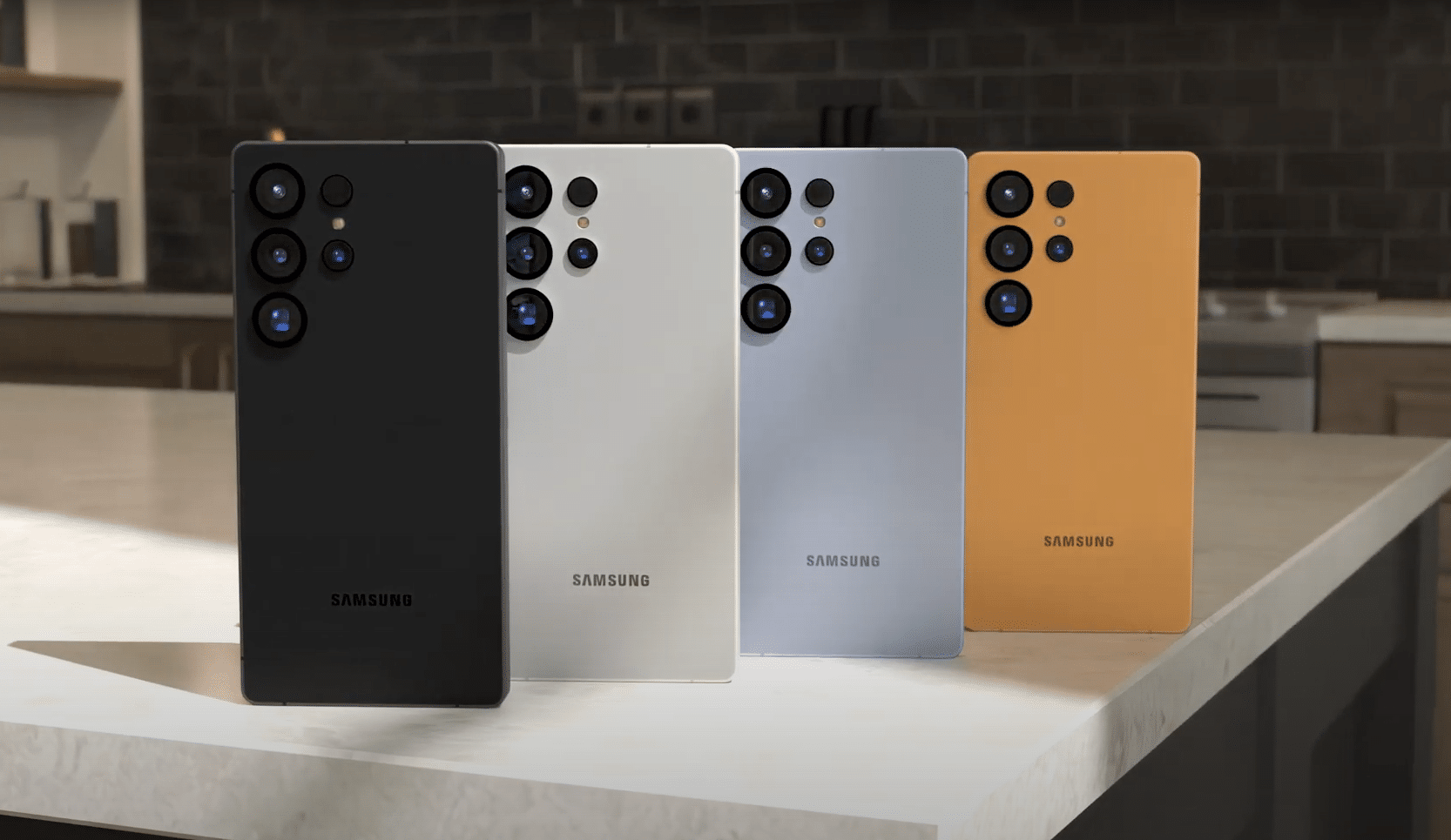
The Galaxy S26 Ultra red tint issue is a widely reported OLED screen discoloration problem where some displays develop a strange red cast after several months of use, caused by misbehaving color-correction software rather than permanent panel damage. In the past few days, increasing reports from Galaxy S26 Ultra owners have described a sudden, unnerving red discoloration of the screen, often visible at high brightness and under strong lighting. Complaints typically come from users who have had their devices for three to four months or longer, which understandably triggered fears of irreversible OLED burn-in and expensive hardware repairs. That context explains the anxiety: when a flagship phone’s screen shifts color with no obvious cause, consumers assume the worst. The key takeaway today is that this is not a death sentence for your display, but a software mistake that Samsung can correct.
Samsung’s Diagnosis: A Color Correction Bug, Not Failed Hardware
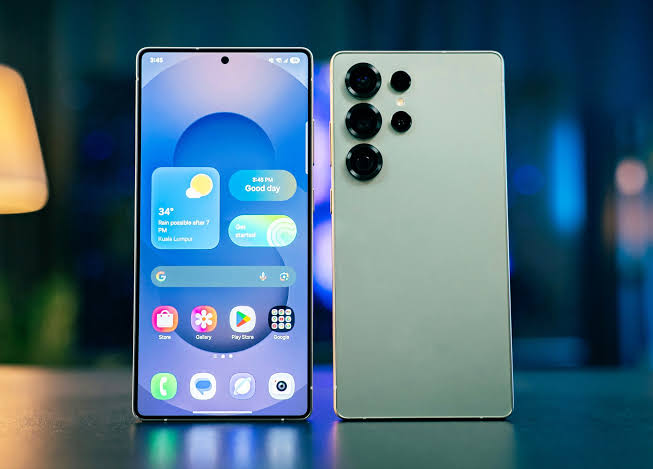
According to a local news report, Samsung has now identified the root cause of the Galaxy S26 Ultra red tint—and it is not a hardware failure as many feared. After examining affected devices, the company traced the OLED screen discoloration issue to new screen optimization technology that was added for the S26 Ultra. This feature, designed to tune colors dynamically, does not work properly when the phone is exposed to strong lighting at maximum brightness, leading to a faulty color correction response and the visible red cast. In other words, the color correction bug is in the software logic that interprets ambient conditions, not in the pixels themselves. The company’s conclusion is blunt: the issue is fixable through optimization of color-correction software rather than a hardware repair, and the screens do not need to be replaced. That distinction is crucial for both long-term confidence and resale value.
How the Firmware Update Fix Will Work for Owners
Samsung’s response so far is pragmatic, if slightly inconvenient. The company has prepared a Samsung software update fix tailored to the color correction bug and is already deploying it through its support network. For now, affected users must visit a Samsung service center to receive the update, which recalibrates the problematic screen optimization technology and removes the unwanted red tint. That means the fastest path to relief is an in-person visit, not waiting for an over-the-air patch. However, Samsung says it plans to roll out the fix more broadly soon for those unable to visit a service center in person. Once that firmware update is live over the air, the OLED screen discoloration issue should be addressed at scale, turning a trending headache into a short-lived software glitch rather than an enduring product flaw.
What This Episode Tells Us About Modern OLED Phones
This saga highlights both the strengths and risks of modern OLED flagships. On the one hand, the fact that the Galaxy S26 Ultra red tint can be fixed through software reinforces how much display behavior now depends on complex algorithms, not just raw hardware. On the other, it shows how opaque those systems are to ordinary users: a visual defect that looks identical to burn-in turns out to be a miscalculated color correction routine. In a separate context, one major website reminds users that based on individual privacy settings not all functions of a site may be available, reflecting the broader reality that tech experiences are increasingly shaped by invisible configuration and consent choices. When optimization logic goes wrong—whether for screens or data—it can break trust fast. The lesson is simple: when companies push aggressive automation, they owe consumers clearer controls and faster, transparent fixes.
Reassurance for Current Owners—and a Warning for Samsung
For Galaxy S26 Ultra owners, the practical takeaway is reassuring: the red tint issue is caused by faulty color-correction software, not permanent OLED damage, and it is fixable via a firmware update. Affected users can have devices corrected through the update at a service center now, with a wider rollout promised for those who cannot attend in person. In sum, S26 Ultra users experiencing the tint can expect a solution soon without needing to have the screen replaced. But for Samsung, this is also a warning shot. When a flagship’s signature display is compromised by a buggy screen optimization technology, customer trust is at stake. Future devices will need more rigorous testing of adaptive color features, clearer communication when issues surface, and faster remote updates so that owners never again mistake a software slip for a failing screen.