
From Crease Obsession to Foldable Design Evolution
Foldable phone innovations now describe a fast-moving shift from simple dual-fold designs and minor hinge tweaks toward next generation foldable devices that combine new multi-fold mechanisms, advanced dual layer OLED displays, and software built around large, flexible screens to enable more powerful multitasking and more durable everyday use. The headline story is that Chinese OEMs are finally moving beyond the narrow goal of crease reduction and beginning to rethink what a folding phone can be. Huawei’s leaked Mate XT2 triple fold patent and Xiaomi’s Mix Fold 5 software direction show a market that is no longer satisfied with “slightly better” hinges; it wants entirely new architectures and use patterns. This is the turning point where foldable design evolution becomes more about imagination than repair.
Huawei’s Triple Fold Patent: A New Mechanical Language
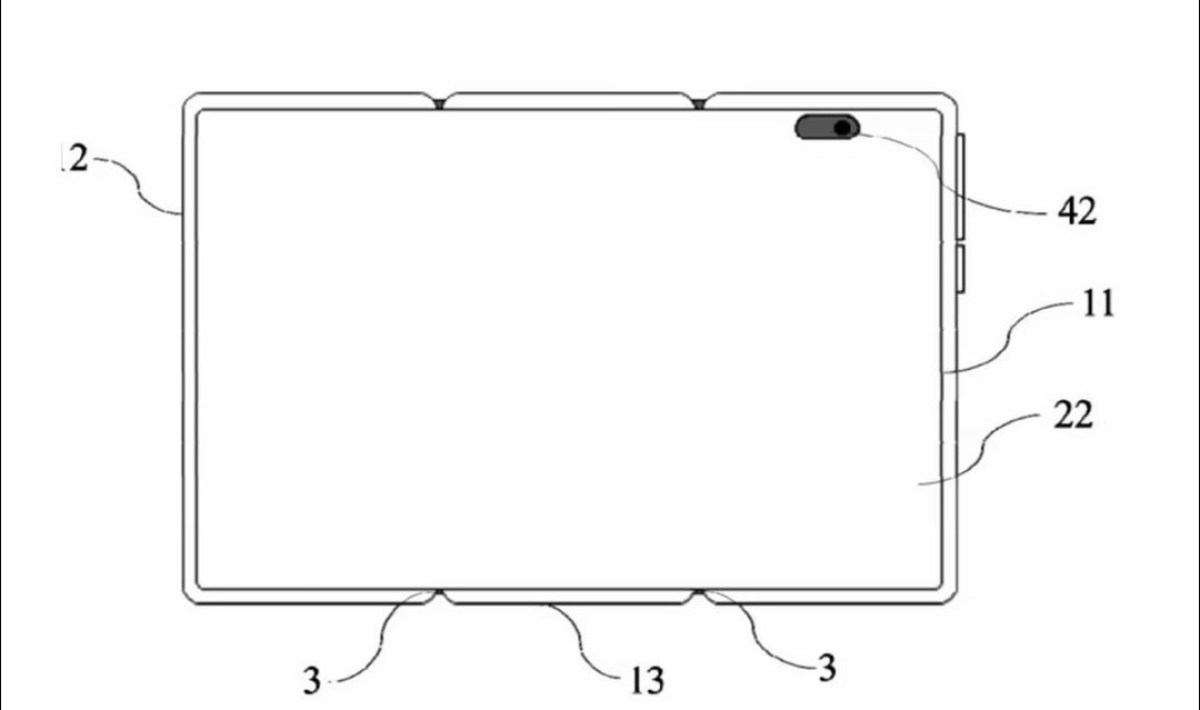
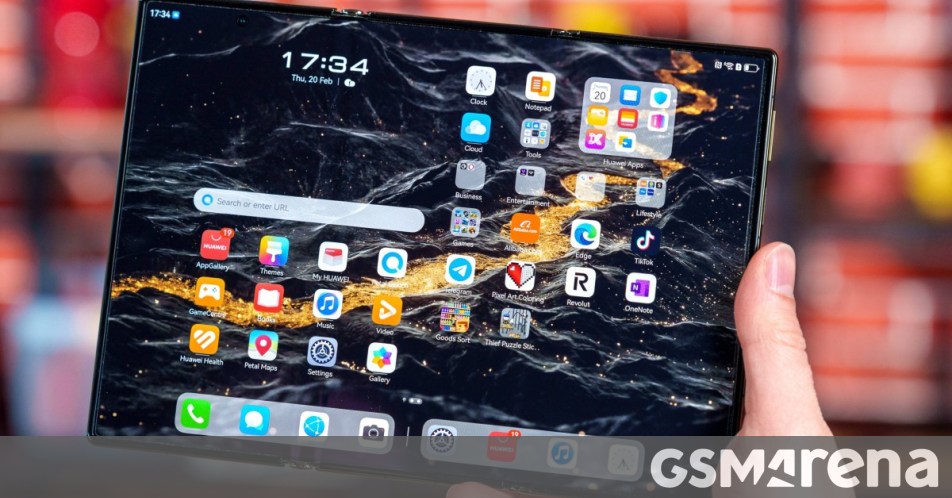
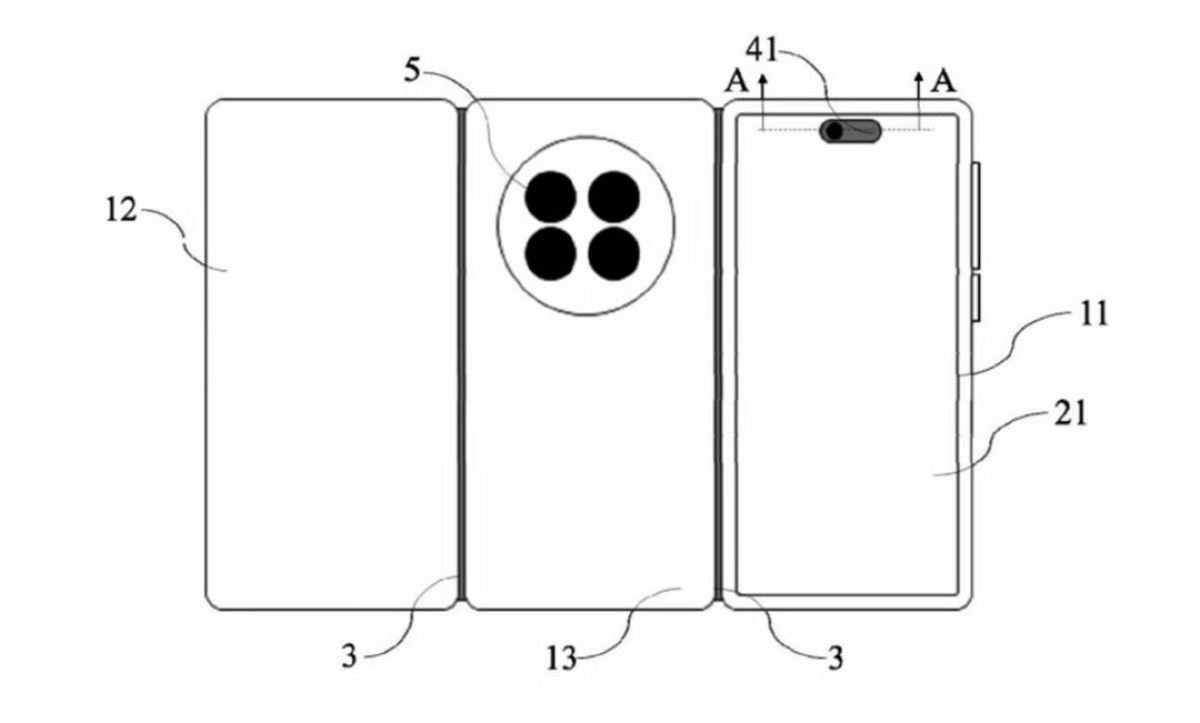
Huawei’s Mate XT2 triple fold patent is the clearest signal that hardware design is about to jump tracks. The patent describes an inward-folding design that replaces the earlier Z-shaped folding mechanism used on the Mate XT and Mate XTs, and introduces a structure that resembles the Samsung Galaxy Z Trifold while working differently. Instead of treating a foldable as a single panel that bends once, Huawei is treating the device as a three-panel system with a cover display on the right and a large flexible inner screen spanning the remaining area. The left panel folds inward first, then the right, essentially choreographing how the device closes. This triple fold patent matters because it suggests a new mechanical language for foldables: layered panels, staged folding, and integrated cover usage. It moves the category closer to a tablet that can reconfigure its shape rather than a phone that happens to bend.
HyperOS 4 on Mix Fold 5: Software Finally Takes Foldables Seriously
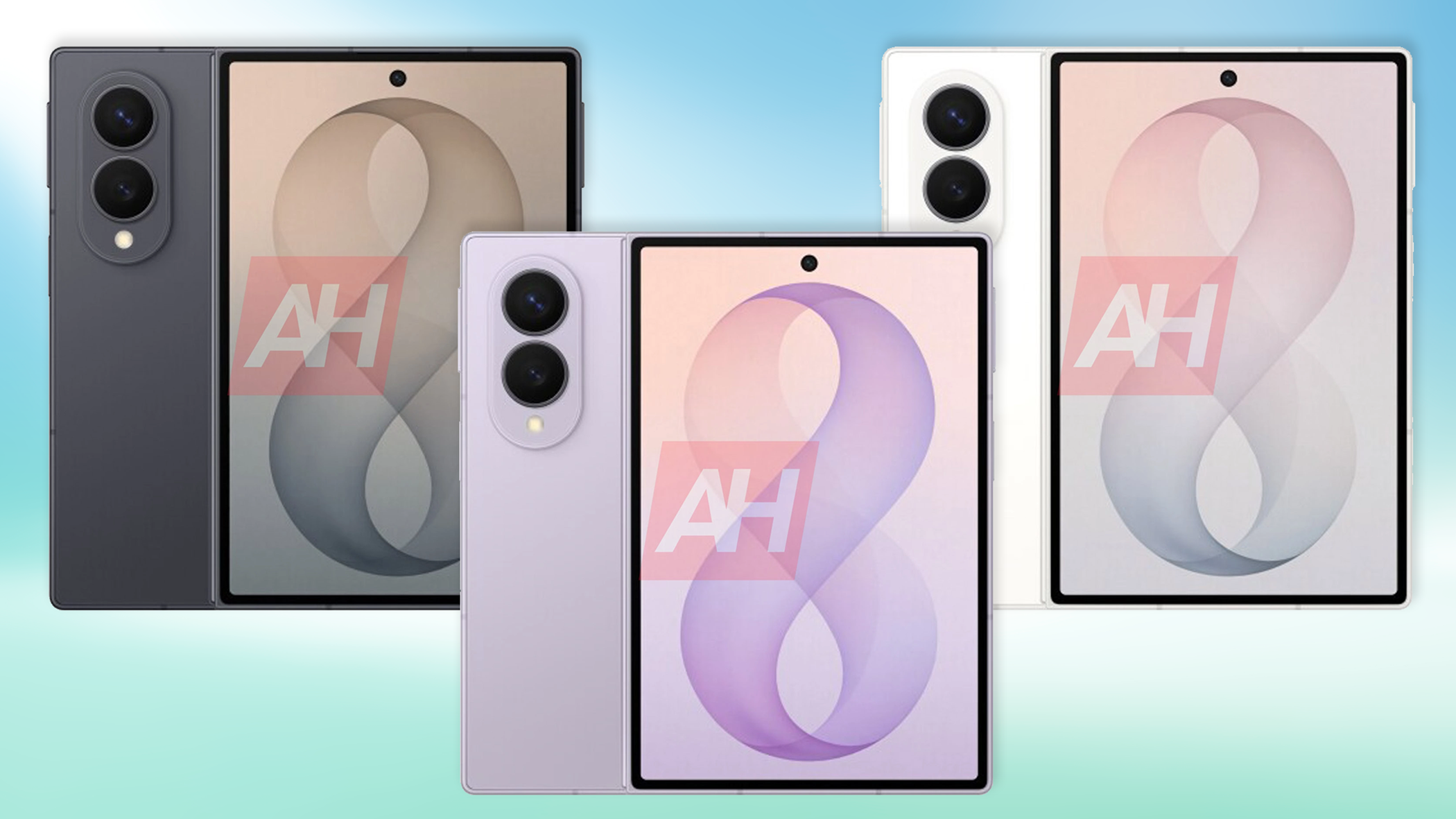
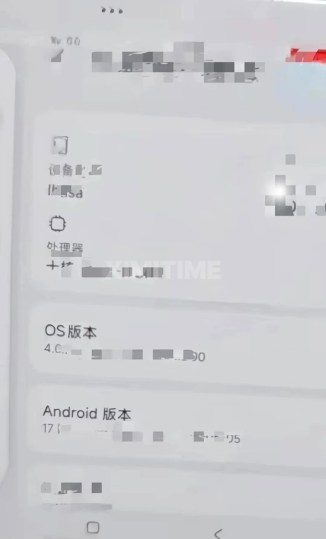
Hardware gets the headlines, but Xiaomi’s Mix Fold 5 hints that the next generation foldable battle will be won in software. Live shots show the device, codenamed “lhasa”, running an OS version starting with 4.0 that is based on Android 17, aligning with Xiaomi’s habit of pairing major HyperOS releases with major Android upgrades. An Android 17-based HyperOS 4 on a 7.5- to 7.6-inch flexible display with seamless-crease technology is not about cosmetic UI tweaks; it is about treating a foldable as a multitasking canvas. When you add a 200MP main camera, full water resistance, a side-mounted fingerprint reader, and a 6,000 mAh battery with wireless charging, the Mix Fold 5 stops looking like a niche experiment and starts to resemble a serious primary device. The rumored price around CNY 10,000, roughly USD 1,400 (approx. ₱78,400), underlines that Xiaomi expects users to pay premium money for premium foldable experiences.
Dual Layer OLED: Huawei’s Display Counterpunch
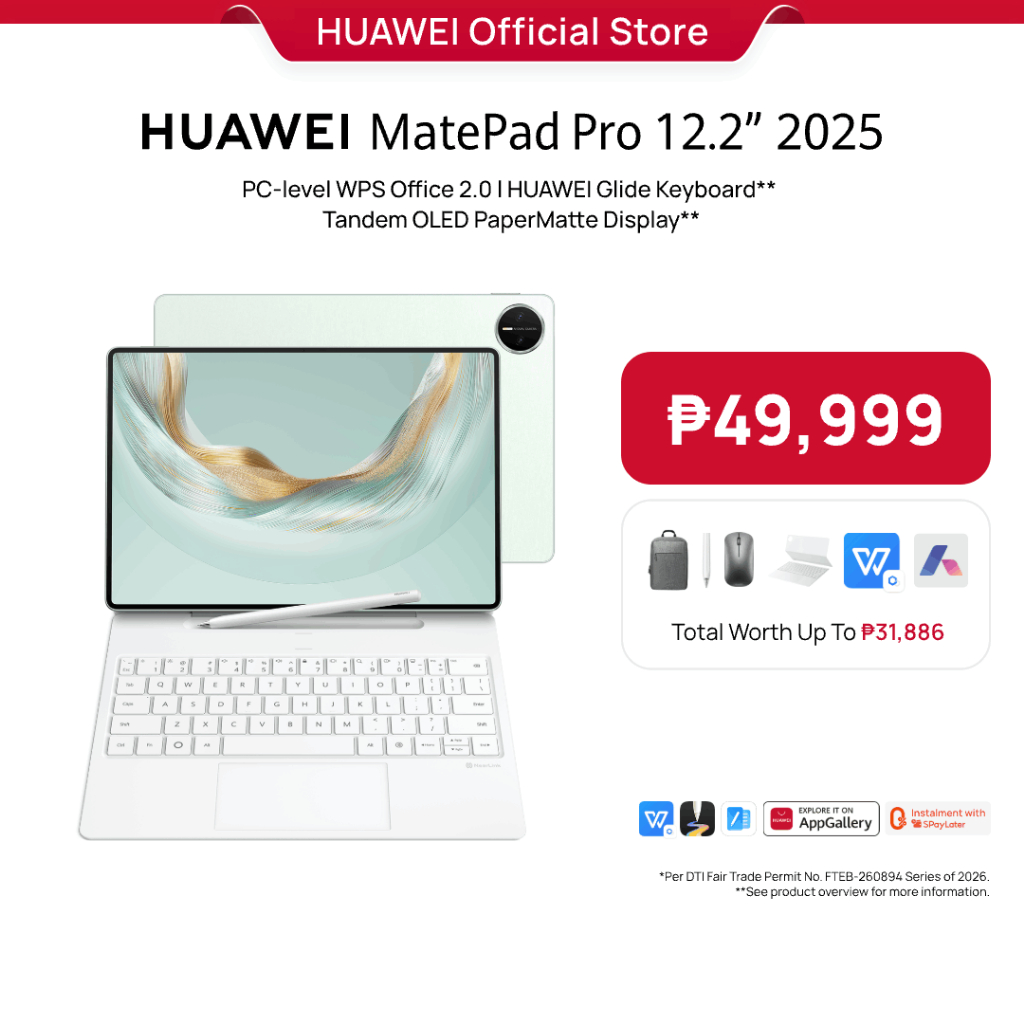
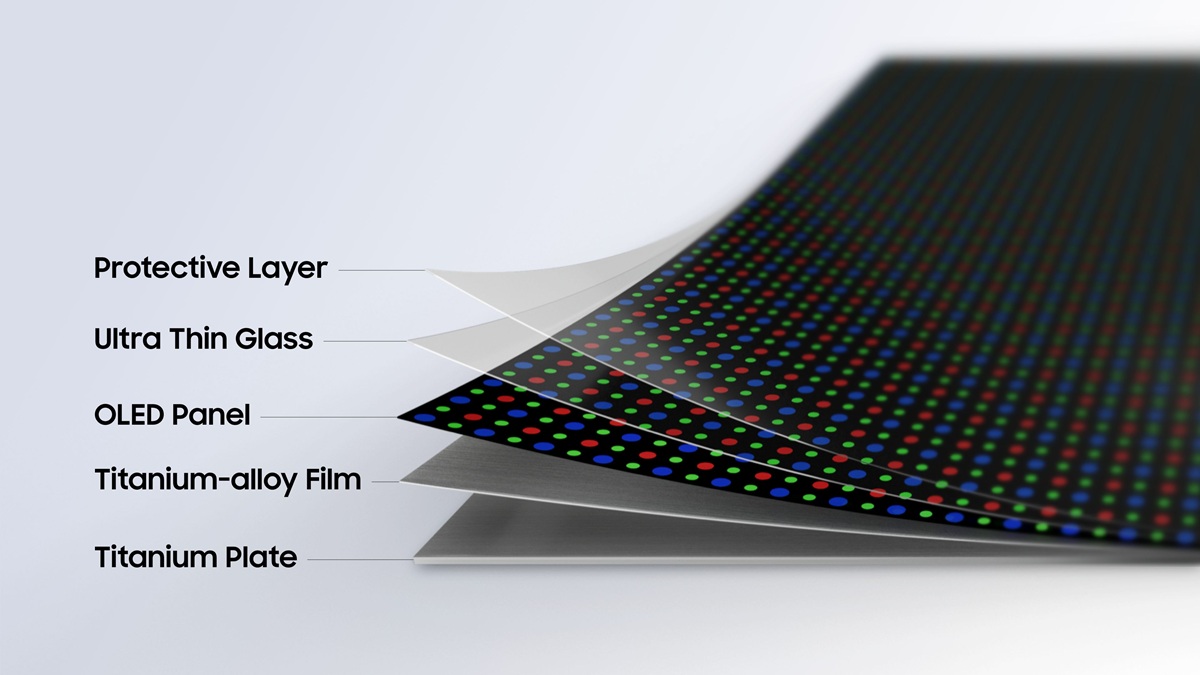
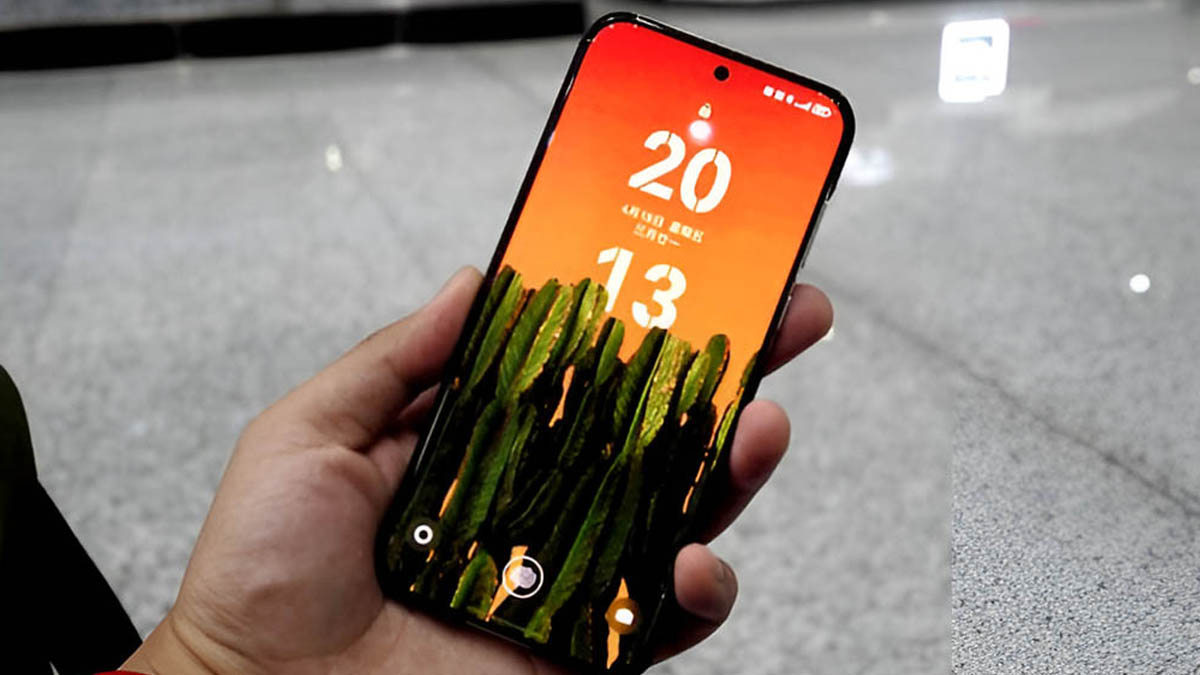
If hinges define how a foldable moves, screens define whether it survives. Huawei’s plan for the Pura 100 Pro Max shows that display quality is now a strategic battleground. The company is testing two screen sizes for the Pura 100 series – 6.6-inch and 6.9-inch – with leaks indicating that the larger 6.9-inch panel could upgrade to a dual-layer OLED instead of standard LTPO OLED. Huawei has already rolled out tandem OLED on its MatePad Pro 12 tablet and on the Mate 70 RS Ultimate, stacking two light-emitting layers to improve performance. Now the same dual-layer OLED approach is expected to reach the Pura phone line next year. Given Huawei’s previous use of a special anti-reflective display on the Pura 90 Pro Max that cut reflectivity by 70% and boosted scratch resistance 16 times and drop resistance 25 times, this move is clearly about durability and visual quality, not spec-sheet theater.
From Incremental Tweaks to Fundamental Innovation
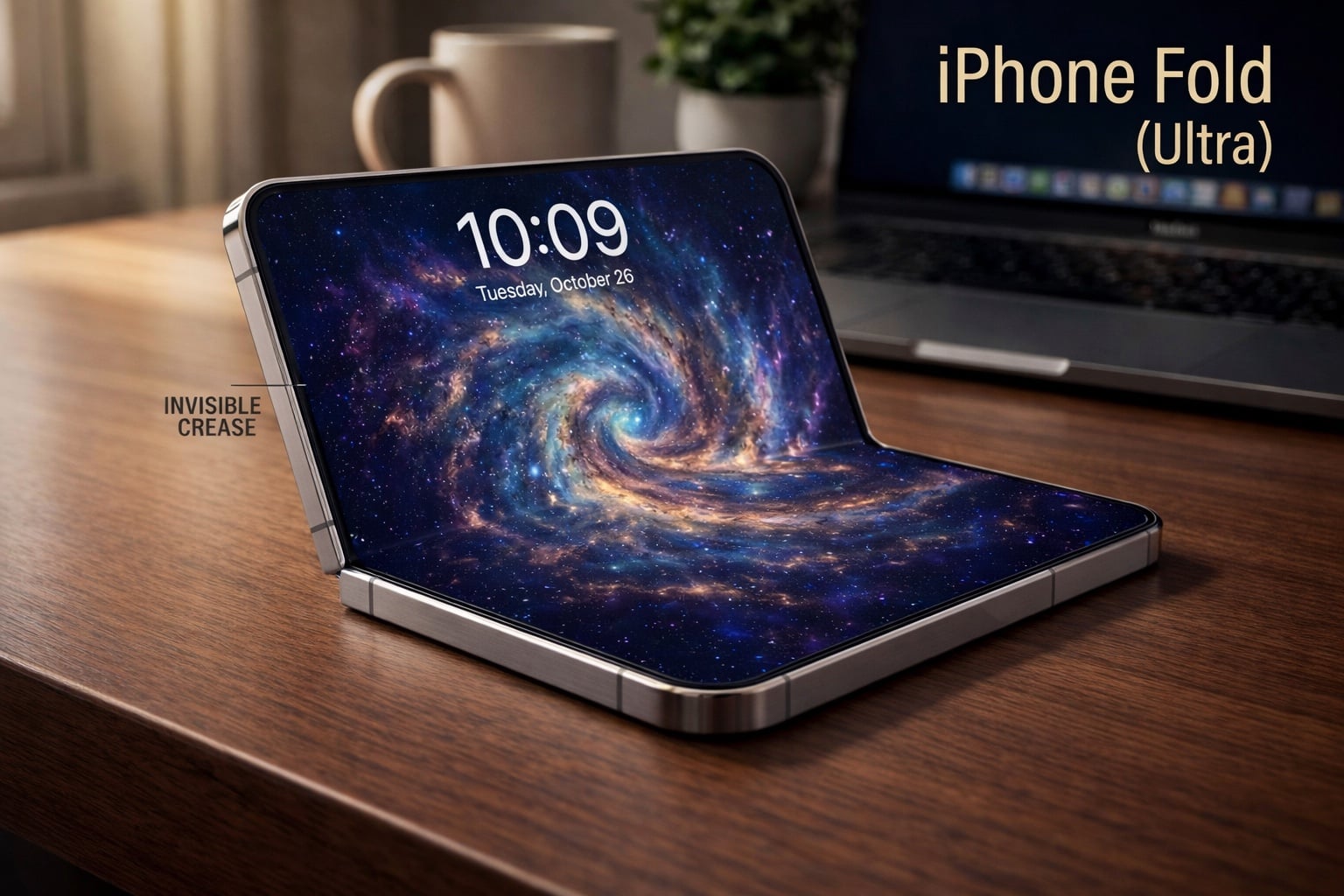
Taken together, Huawei’s triple fold patent, Xiaomi’s HyperOS 4 ambitions, and Huawei’s dual layer OLED strategy show a market in transition from incremental tuning to fundamental redesign. Crease reduction used to be the headline feature for foldable phone innovations; now it is table stakes. Xiaomi is working on seamless-crease technology for a 7.5- to 7.6-inch panel, but its bigger bet is software that understands windowing, continuity, and multitasking on flexible screens. Huawei, meanwhile, is breaking the dual-fold mold with a tri-fold architecture and attacking durability and brightness with advanced display stacks. Competition is no longer about whose hinge is slightly smoother; it is about whose form factor unlocks new behaviors and whose software makes those behaviors natural. The next wave of foldable design evolution will be defined less by bending tricks and more by how these devices reshape the idea of a phone, tablet, and computer in one.