
The Smartphone Market Decline Is Powering a Premium Shake‑Up
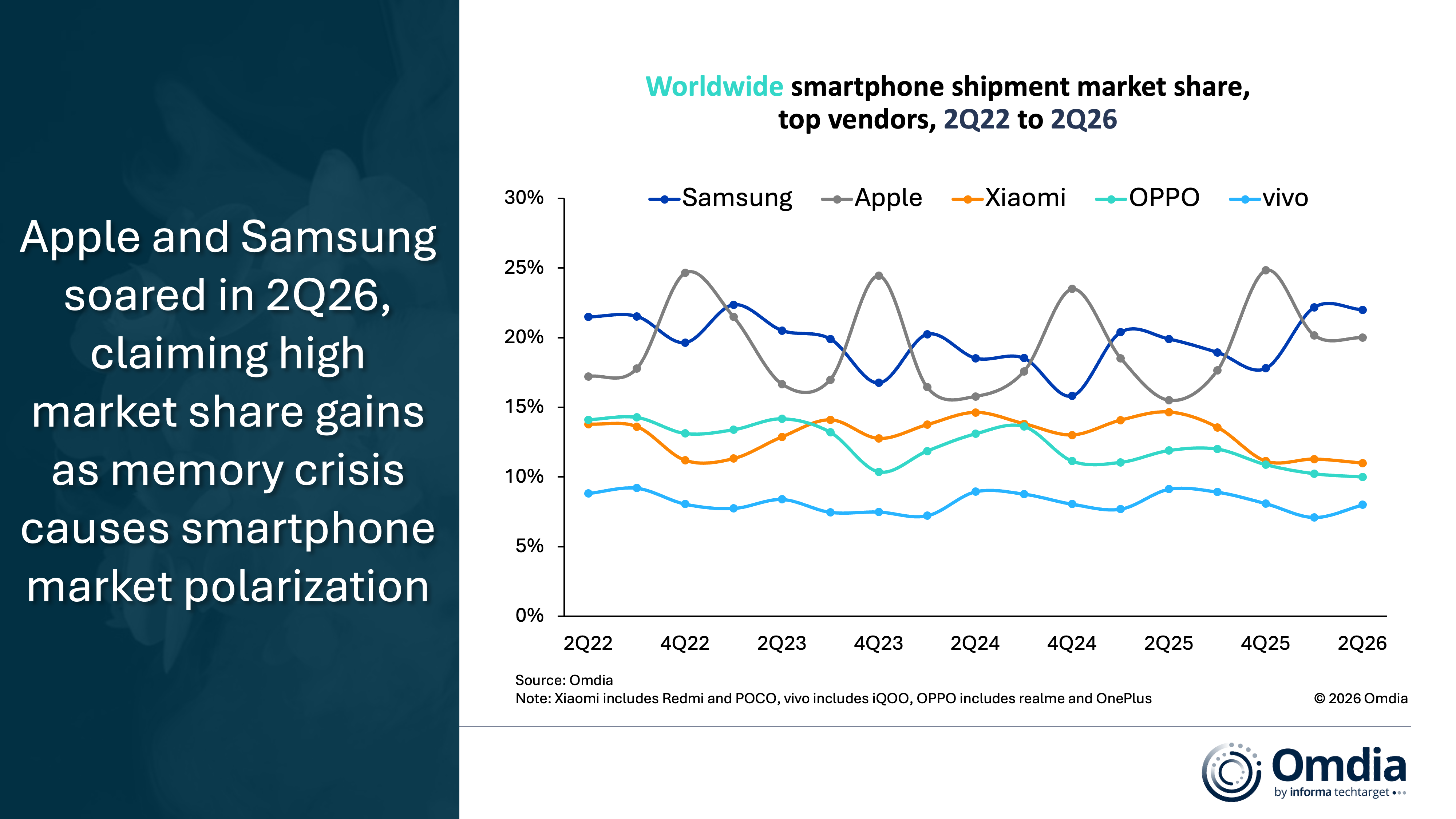
The current smartphone market decline describes a global drop in quarterly shipments to their weakest levels since 2013, driven largely by a memory shortage and rising DRAM and NAND costs that squeeze low-end devices and push vendors to favor higher-margin premium models instead. This downturn is not a simple demand slump; it is a structural shift that rewards brands already strong at the top of the price ladder. According to recent industry research, global smartphone shipments fell between 4% and 11% year-over-year in the second quarter as the memory crisis disrupted supply chains and pushed component costs sharply higher. Yet, in the middle of that weakness, Apple and Samsung grew shipments and expanded their market share, showing that as the market shrinks, it is also consolidating around the most profitable players.

How AI’s Memory Boom Rewired Smartphone Economics
The reason premium market consolidation is accelerating is that the smartphone slowdown started in AI data centers, not in phone stores. Memory suppliers have redirected more DRAM and NAND output toward high-margin AI computing, reducing supply for smartphones and pushing prices sharply higher. In many budget models, memory and storage now account for more than 60% of the bill of materials, with that share rising above 64% for phones under $99. That shift turns cheap phones into bad businesses: there is little profit left once memory is paid for, so vendors must either raise prices or cut low-end production. "Some vendors face memory costing more than four to five times what it did a year ago," one analysis warns, underlining how the memory shortage impact has rewritten the basic math of mass-market smartphones.

Why Apple and Samsung Grow While Everyone Else Retreats
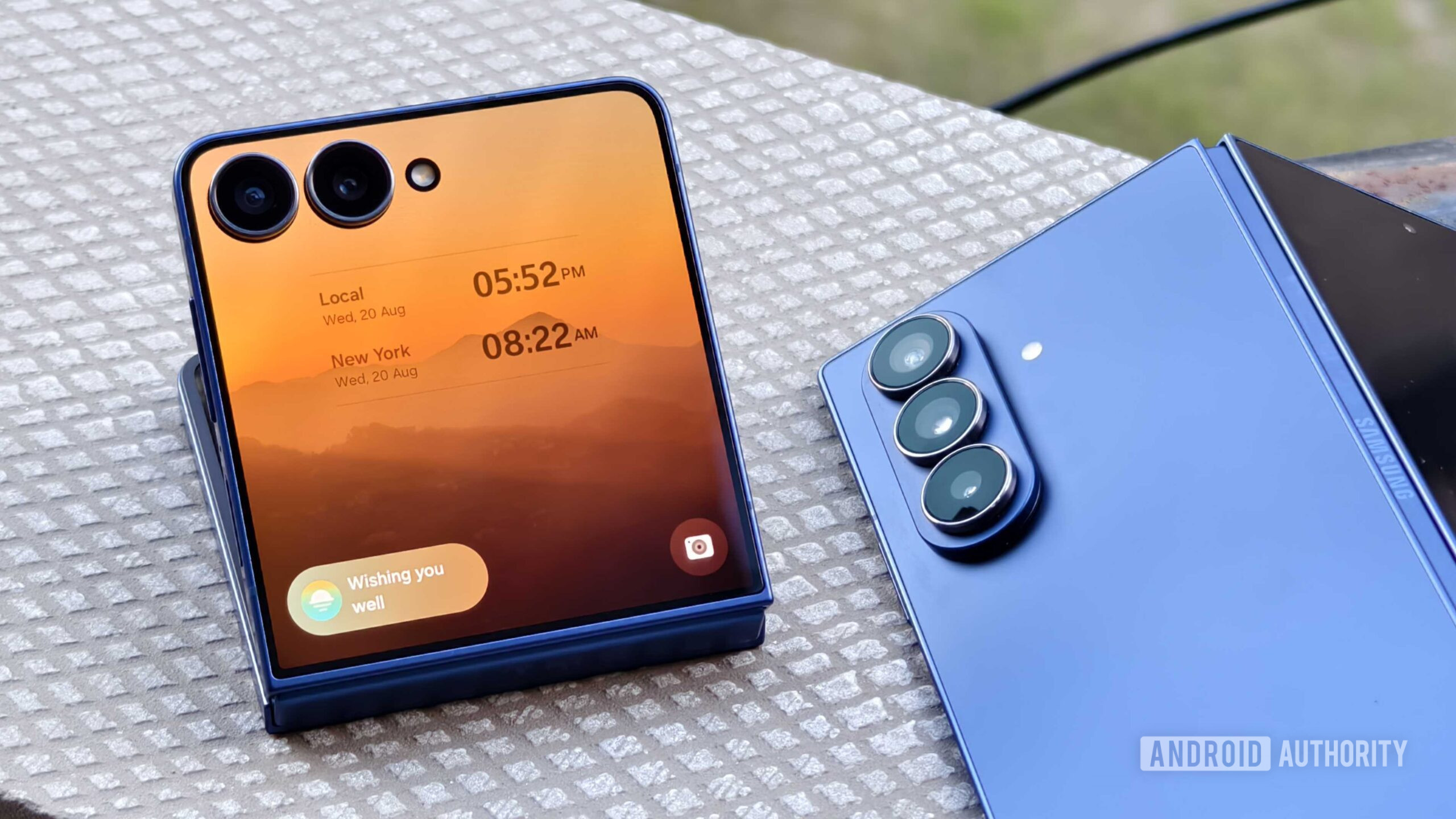
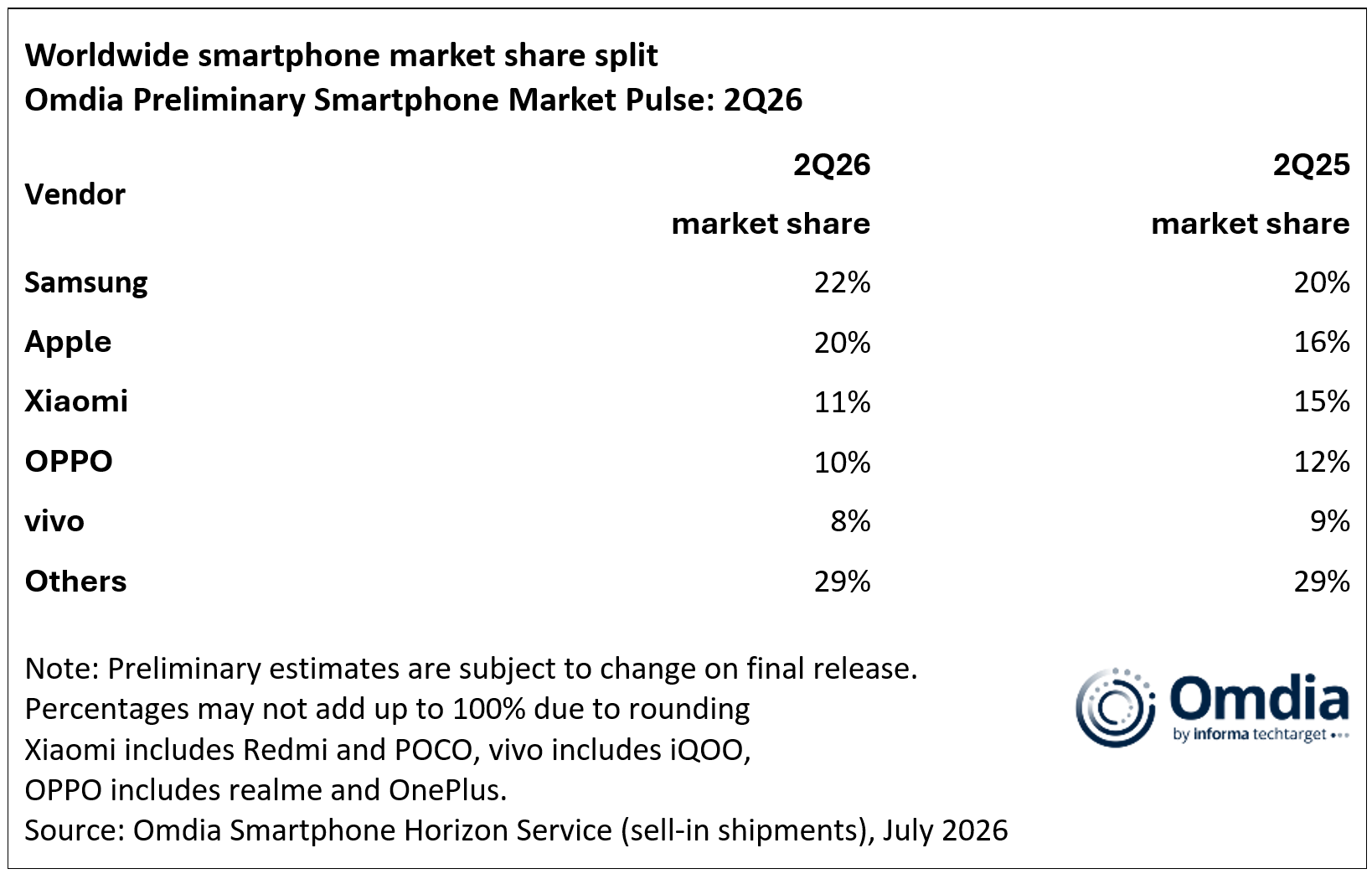
In this environment, Apple Samsung growth is less a surprise and more a logic check. Both companies live at the profitable end of the market and have loyal customers willing to pay for upgrades. One data set shows global smartphone shipments falling 4% year-on-year in the second quarter, while Samsung and Apple still grew shipments and increased market share by 2 and 4 percentage points, respectively. Another analysis puts Samsung at roughly 24% share and Apple at 20%, with Apple recording a 3% shipment increase despite the broader decline. Samsung used strong supply, resilient demand and delayed Galaxy S-series launches to channel buyers into the premium tier, while also picking up share in the budget segment as rivals pulled back. Apple relied on a powerful iPhone refresh cycle, stable pricing and its established premium brand to capture a record-high second-quarter share. When the market demands value over volume, the brands already selling value win.
The Strategic Retreat from the Low-End
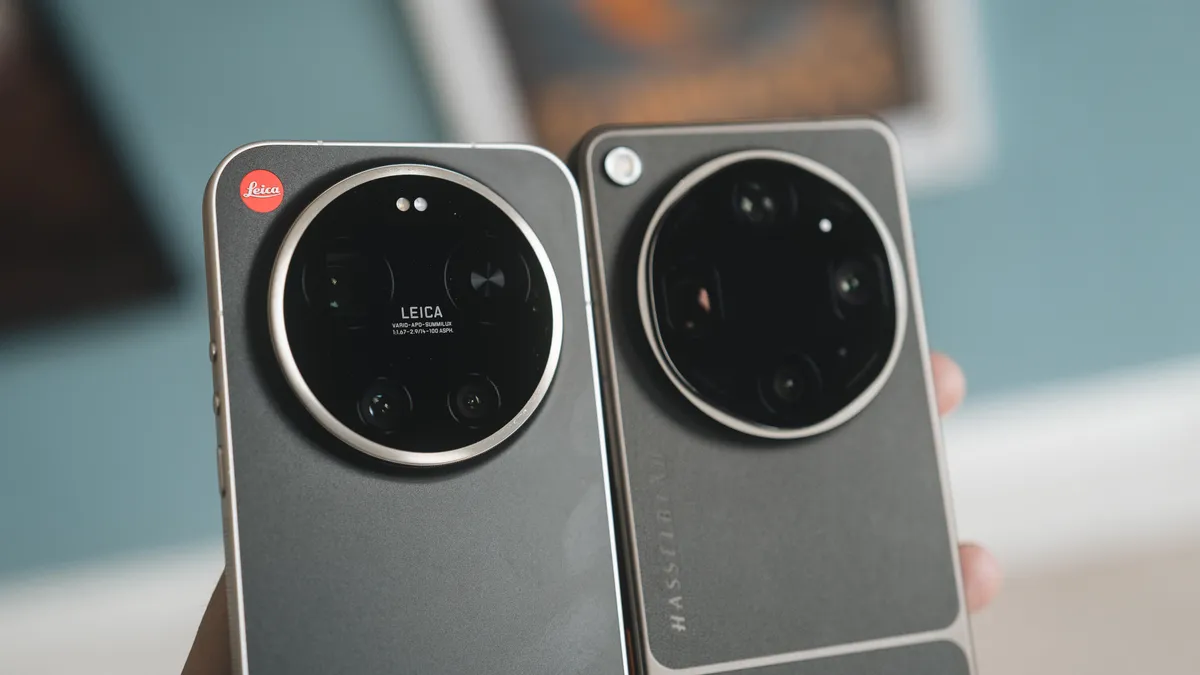
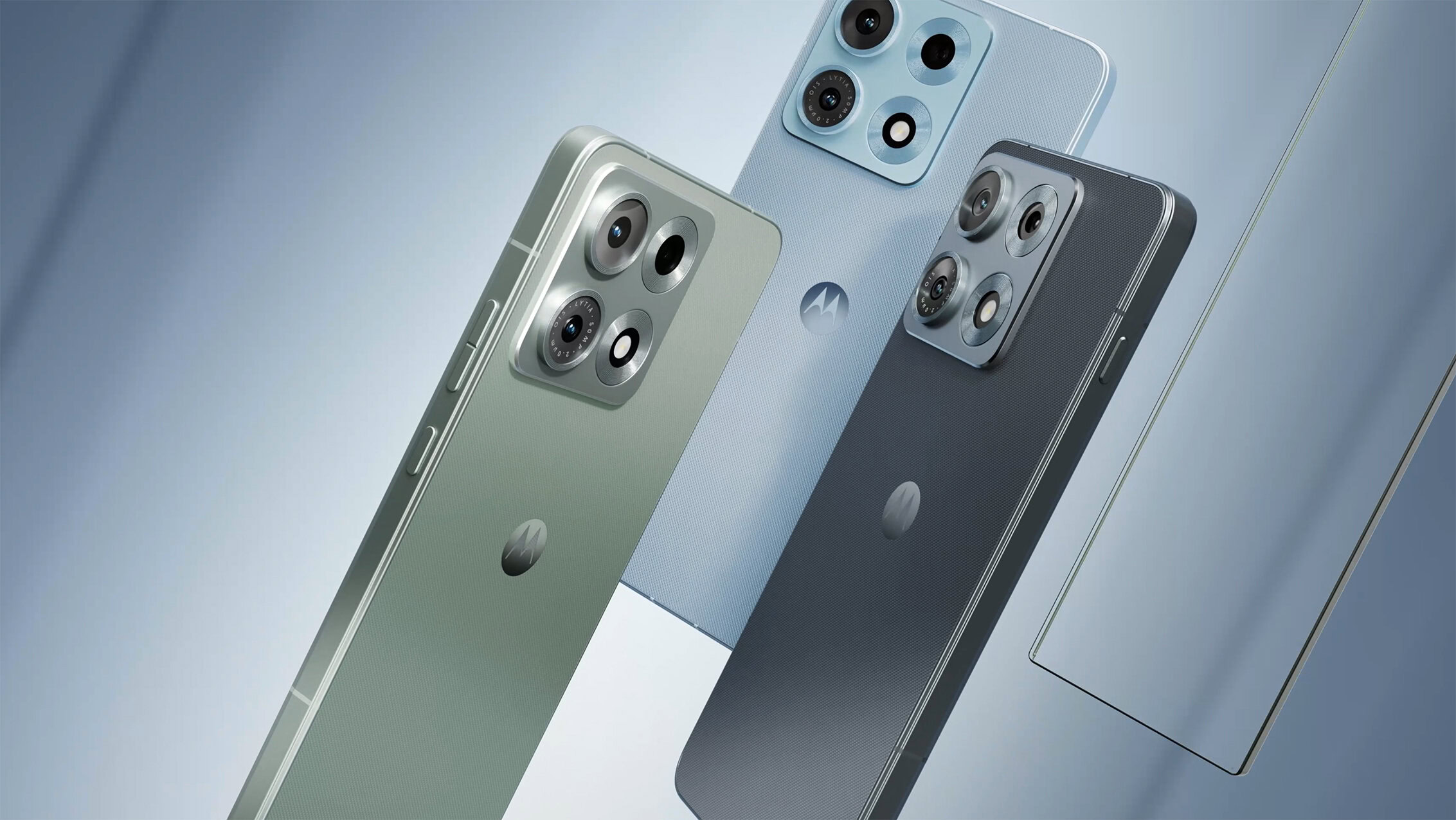
The steepest damage from the memory shortage impact has hit the sub-$400 mass market, where supply constraints are tightest, margins are thinnest and buyers are highly price-sensitive. Vendors that built their businesses on volume at the low end suddenly face a segment where memory alone eats most of the cost structure. As a result, they are shifting from volume to value by reworking portfolios and lifting retail prices. Shipments from brands like Xiaomi, Oppo and Vivo show some of the sharpest declines, reflecting how mid-range and budget-focused players are being squeezed hardest. Industry analysts note that these adjustments are not temporary tactics but permanent strategic shifts meant to keep businesses viable as memory prices stay elevated and are not expected to return to pre-2025 levels. In practice, that means fewer truly low-cost new devices and more energy put into higher-margin flagships and upper mid-range models.
What It Means for Ordinary Users and What Comes Next
For ordinary buyers, the premium market consolidation has clear consequences. With vendors moving upmarket to protect margins, budget-constrained consumers now face fewer options and higher effective prices. Many are holding onto their existing devices longer, downgrading expectations, turning to financing, or opting for refurbished phones rather than paying for expensive new handsets. Analysts expect the sharpest volume declines to land in the next two quarters when peak seasonal demand collides with restricted memory supply. Even if demand stabilizes, elevated component costs are likely to persist, with memory price declines not expected until at least the second half of 2027, and even then not back to earlier levels. The uncomfortable truth is that the smartphone market decline is inseparable from an AI hardware boom that benefits data centers more than phone owners. Until memory supply catches up, Apple and Samsung will keep winning, and budget buyers will keep compromising.