
Apple’s win in a losing game
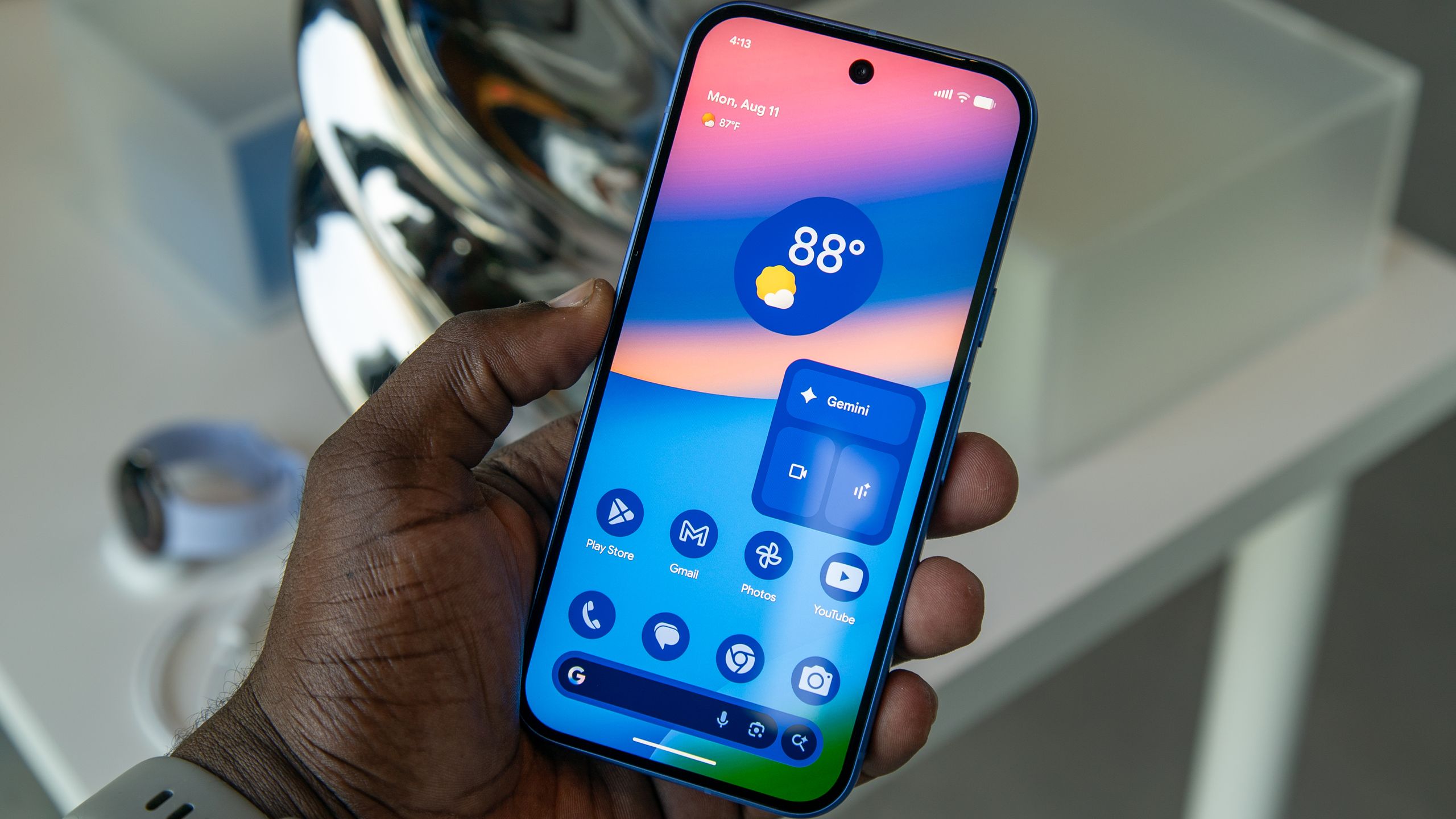
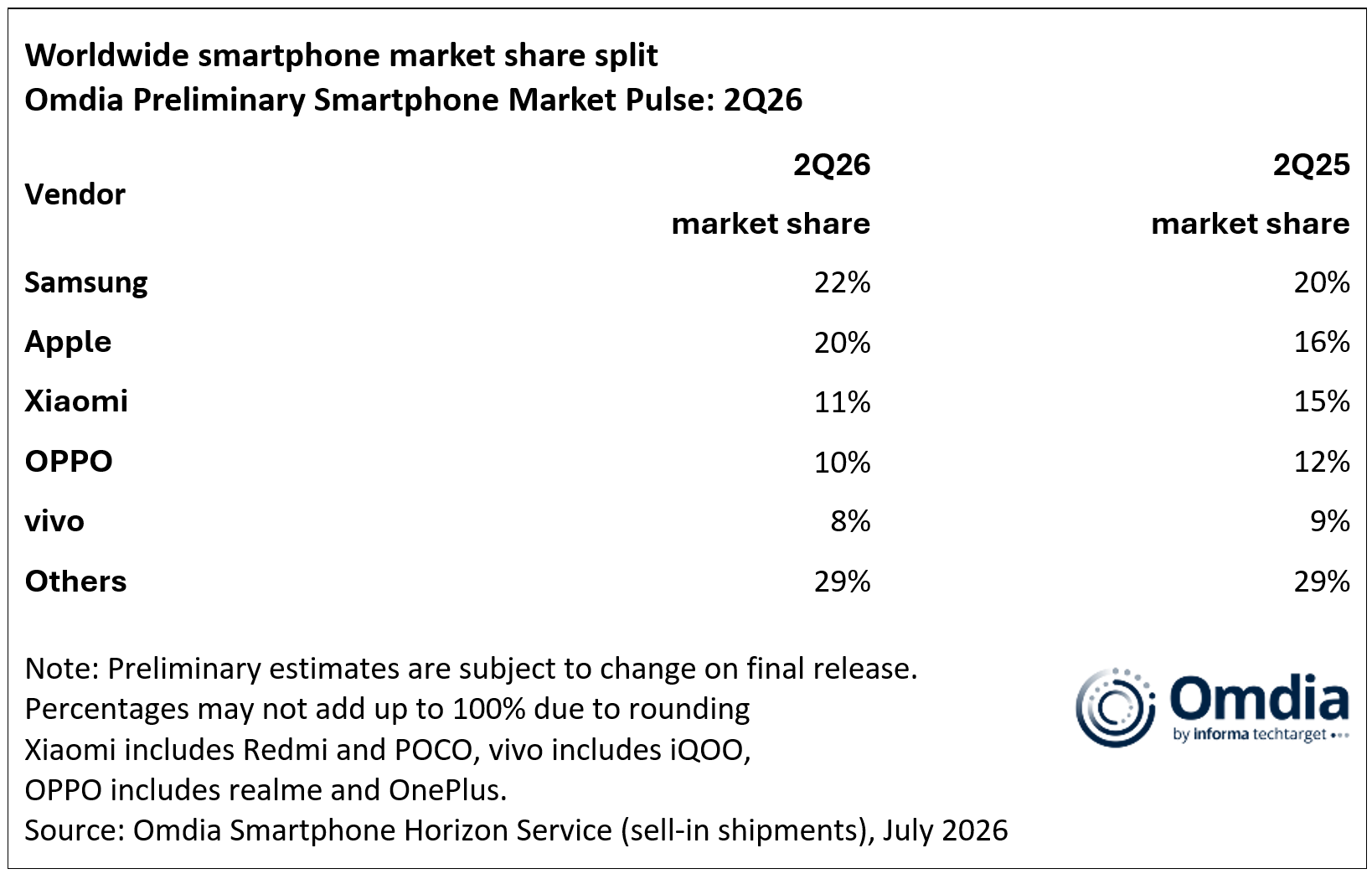
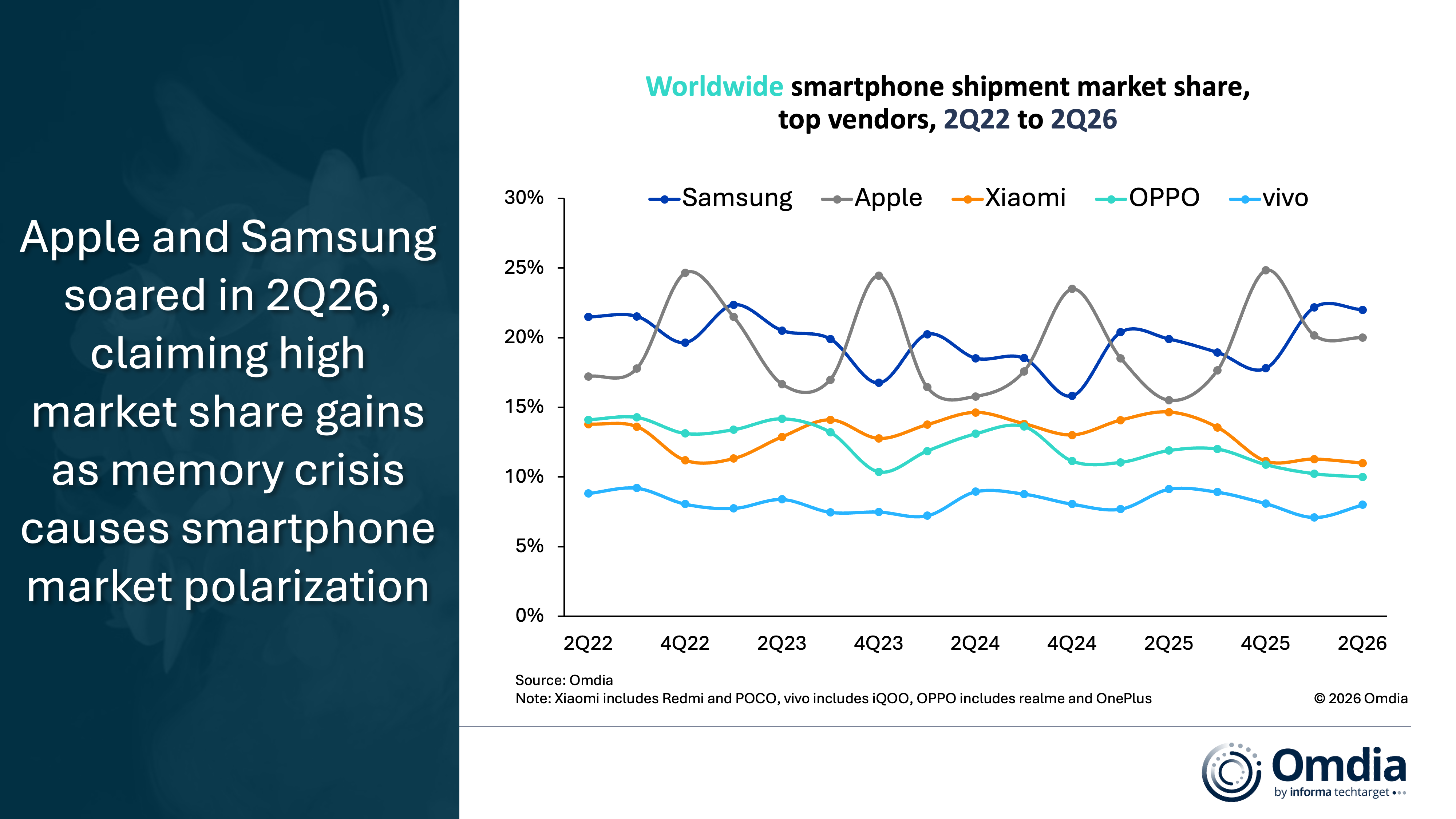
Apple market share growth during a smartphone market decline 2026 describes how Apple expanded its share of global smartphone shipments to a record 20% while overall industry volumes fell to their lowest second-quarter level since 2013, highlighting a rare iPhone sales surge and premium phone dominance amid a broader smartphone industry downturn. Apple’s achievement is not a footnote; it is the main story of this quarter. While the market shrank, Apple grew iPhone shipments and grabbed more of a smaller pie, signaling consolidation around established premium brands. In a quarter that exposed the weakness of budget and midrange strategies, Apple showed that a tightly controlled supply chain and a focused premium proposition can still thrive when the wider industry is struggling.
A 13-year low that favored premium players
The smartphone industry downturn in Q2 was brutal. Counterpoint Research reports that global shipments fell to their lowest second-quarter level since 2013, at around 277.5 million units, while other reporting points to declines between 4% and 11% year-on-year. The main pressure came from memory chip price surges and broader component constraints, which pushed up costs and squeezed margins. That pain hit sub-$400 devices hardest, where profit is thin and buyers are sensitive to every price increase. As budget vendors pulled back product lines and raised prices, demand evaporated. In that polarized landscape, premium phone dominance strengthened: Samsung led shipments, and Apple followed, both expanding share while the rest of the field shrank. What looked like an industry crisis turned into a sorting event that rewarded scale, brand strength, and component access.
How Apple grew while everyone else stumbled
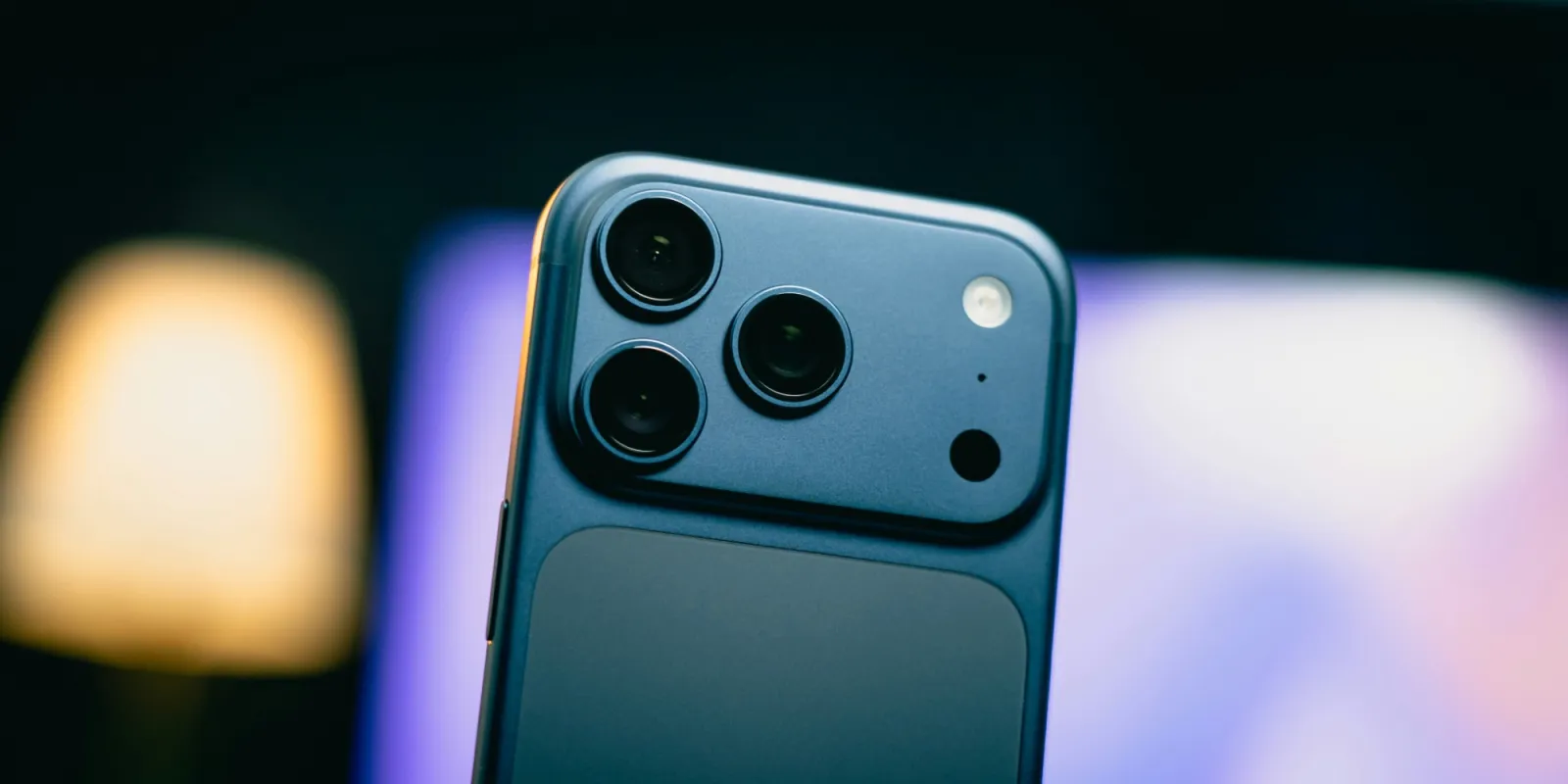
Apple’s market share growth was not an accident; it was built on three advantages. First, iPhone 17 remained the top-shipped global model, driving a 3% year-over-year iPhone sales surge while total shipments declined. Second, Apple held smartphone pricing steady during the quarter, even as rivals were forced into hikes because of memory and foundry bottlenecks. According to Counterpoint Research, Apple was the only major OEM to avoid smartphone price increases in Q2. Third, Apple’s supply chain resilience meant it could keep volumes flowing when component availability became a competitive differentiator. The result was record 20% shipment share in what is usually Apple’s slowest quarter, a performance Omdia called the company’s best second-quarter ever. The message is clear: in a constrained world, control over pricing and components matters more than adding one more budget SKU.
The widening gap between budget and premium
The smartphone market decline 2026 is sharpening the divide between the mass market and the high end. Omdia’s data show the steepest drops in the sub-$400 segment, with an expected 22% hit to budget phone volumes. Vendors like Xiaomi, OPPO, and vivo are caught in the squeeze: they depend on affordable devices, yet they face rising memory and semiconductor costs that they cannot fully absorb. As they prune portfolios and push prices up, their share slips, while Samsung and Apple gain ground in both premium and, for Samsung, select budget tiers. Huawei’s presence in some markets and Samsung’s broad line-up reinforce the sense that established giants now dominate the profitable parts of the business. Apple’s record share extends that consolidation story: the crisis is not killing demand outright, it is pushing it toward brands that can guarantee supply, sustain marketing, and offer perceived long-term value.

Why Apple’s dominance may be peaking
For all the celebration around Apple market share growth, the trajectory looks less secure than the headlines suggest. Analysts already question whether iPhone builds will slow in 2027 and note weaker upgrade appetite in the US, which has been a core engine for recent cycles. Omdia points out that Apple raised prices on other products late in Q2, and the big unknown is whether iPhones face similar hikes later, risking demand. At the same time, Omdia warns that the sharpest volume declines may hit in the next two quarters, as holiday launches collide with constrained memory supply. That scenario would test even Apple’s supply chain. The company has turned a grim smartphone industry downturn into a record quarter, but the win rests on fragile conditions: high component prices, budget pain, and one standout iPhone generation. Without another compelling upgrade wave, this may be a high-water mark, not a new normal.