
From Static Menus to Conversational Listening
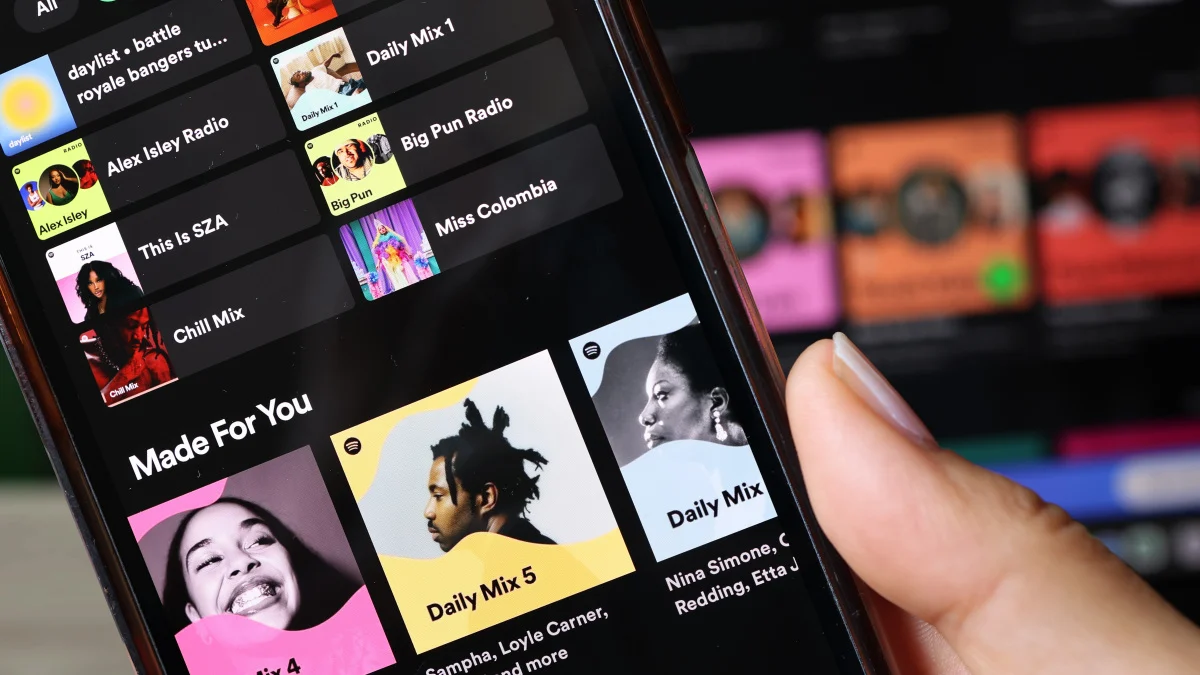
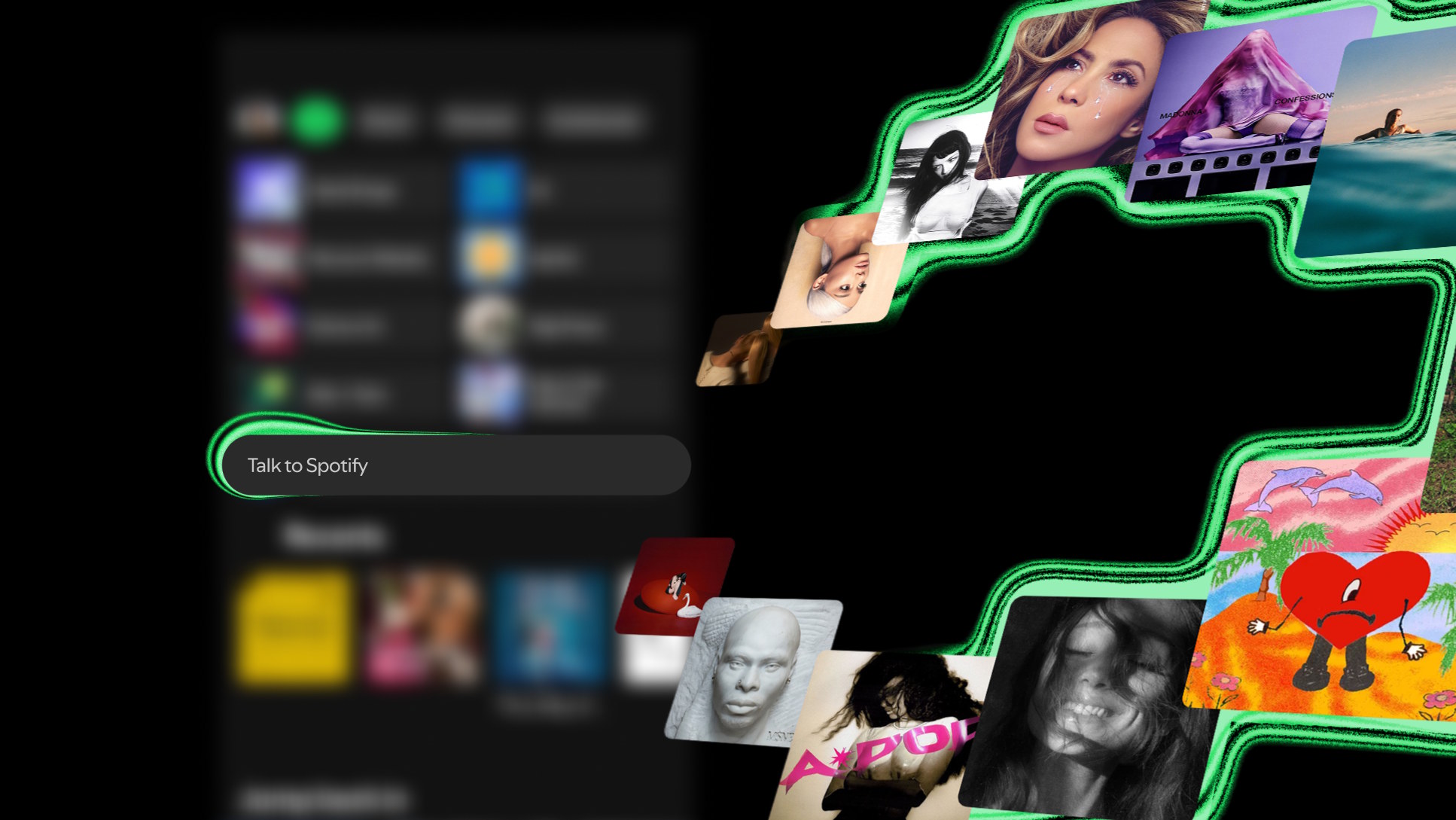
Spotify’s new AI assistant, “Talk to Spotify,” is a conversational chatbot inside the mobile app that lets Premium users search, control playback, and explore their listening history for music, podcasts, and audiobooks through natural language questions instead of traditional menu navigation. This is not a minor interface tweak; it is a bet that the future of streaming will feel less like operating a dashboard and more like talking to a knowledgeable companion. The assistant appears across the Home and Now Playing screens, where listeners can press a microphone button or type their queries, turning every moment of listening into an opportunity to ask for something different without digging through tabs or buried settings. In effect, Spotify is trying to make the app behave more like a dedicated voice assistant while keeping you inside its own ecosystem.
How the Spotify AI Assistant Changes Everyday Listening
The real impact of this Spotify AI assistant shows up in small, constant actions: what used to be dozens of taps become a few words. Eligible Premium subscribers can ask for something to play, listen for a moment, and then keep refining the selection with follow-up requests when the mood shifts. You can say, “Play some artists I haven’t heard before,” then add, “save this song,” “follow this artist,” or “play more of this,” steering your listening like a conversation rather than a series of discrete searches. According to one announcement, users can also delegate routine chores like saving songs, adding tracks to the queue, and following artists to the assistant. This turns voice control streaming from a novelty into a practical shortcut: you stay in the moment—working, commuting, relaxing—while the chatbot handles the interface work that used to interrupt the experience.
AI Music Discovery and On-Demand Context
Where this conversational chatbot music feature feels most ambitious is in discovery and context. For years, Spotify has tried to predict what you want through products like Discover Weekly, daylist, and Wrapped; now it lets you explain what you want in your own words and get immediate responses. You could start by asking for artists you have never heard before, then narrow things to a favorite like Taylor Swift, filter to newer tracks, and push the playlist toward more upbeat songs—all without restarting the process. At the same time, Talk to Spotify turns curiosity into a core part of AI music discovery: you can ask when an album was released, what genre a song belongs to, or what other podcasts a guest has appeared on, and get answers while you listen. It even reflects your habits back at you when you ask what genres you have been into lately or how often you stream a particular artist.
A Strategic Move Beyond Recommendations and Toward Assistance
Talk to Spotify marks a clear shift in the company’s AI strategy: from silent recommendation engines to visible, interactive assistance. Spotify has already woven AI into the listening experience with an AI DJ that picks songs and speaks between tracks, and a prompt-based playlist tool that builds mixes based on described moods. At its investor event, executives framed this as entering an “era of Generation,” where listening is shaped in real time around each user’s taste, context, and intentions. Personal Podcasts, which will generate private audio programs from user prompts, and Studio by Spotify Labs, which can create personalized audio using listening activity and other data with permission, underline the same direction. Talk to Spotify fits neatly into this picture: an AI interface layered over the catalog, designed to keep users inside the app instead of delegating discovery and control to third-party voice assistants.
Beta Limits, Competitive Pressure, and What Comes Next
For now, the experience is deliberately incomplete. The beta is rolling out in English to Premium users aged 18 and older on iOS and Android in select markets, and Spotify is explicit that responses will not always be correct. Accuracy and hallucinations remain stubborn problems for even the best AI models, and this assistant is programmed using a mix of Spotify’s own systems and models from several providers, depending on the request. That said, the direction is hard to ignore: by building voice control streaming and conversational control directly into its app, Spotify is positioning itself against general-purpose voice assistants that currently sit between listeners and their music services. User feedback during this beta will shape what comes next, and it is likely to influence how far Spotify goes with adjacent ideas like Personal Podcasts and generative tools built around consent, credit, and compensation for artists. The takeaway is simple: streaming is turning into a dialogue, and Spotify wants to own that conversation.