
Specialized mobile apps are winning where general platforms fall short
Specialized mobile apps are focused digital platforms built for narrow audiences, using custom formats, curation, and business models to solve specific problems that mainstream social and streaming services ignore or handle poorly. Today’s mobile landscape is splitting in two: mass platforms that chase everyone, and niche app platforms that unapologetically serve a few thousand or a few million users better than anyone else. RoseBerry’s vertical video app epis and Eyes On Eyecare’s new retina research app Cited sit firmly in this second camp, and that is exactly why they matter. They are less about novelty and more about a quiet power shift: creators and professionals are leaving generic feeds for tools that respect their time, their craft, and their revenue.

Epis: A vertical video app that treats microdrama like television, not leftovers
Epis is a vertical video app that finally treats short-form storytelling as a first-class medium instead of a dumping ground for recycled clips. Built by RoseBerry Media, it is a direct-to-consumer service dedicated to original series and established TV IP that has been adapted into vertical video microseries for mobile-first audiences. It did not launch empty: epis arrives with more than 100 titles of bite-sized microseries, organized into serialized 1–3 minute episodes designed to end on cliffhangers. According to the company, the mobile vertical microdrama market already represents a $10 billion opportunity with near-quadruple revenue growth among leading platforms. That scale reveals the bet: viewers want real stories, not random clips, in the format that now dominates their screens.
What makes epis more than another vertical video app is its respect for both IP and users. RoseBerry had already secured deals with major independent production and distribution houses to repurpose selected long-form shows into vertical microseries before launching. This is not a highlights reel; it is a deliberate 12-step, AI-assisted process to "verticalize" full series, preserving narrative while fitting the swipeable format. On the audience side, epis is intentionally low-friction: no sign up is required, viewers can sample content for free, and then decide whether to pay per episode, subscribe, or watch ads to unlock more. That mix of transactional, subscription, and ad-supported options is a quiet rebuke to one-size-fits-all monetization.
The engagement numbers suggest the bet is working. RoseBerry’s founders report a consistent pattern from install to viewing, payment, continued engagement, and subscription, with subscribers spending up to 60 minutes per session on the app. That is streaming-level commitment inside a vertical feed most people associate with mindless scrolling. Epis also treats mobile attention spans with nuance, not condescension: it is a curated service for people who want "stories worth watching, whether they have five minutes or fifty". In practice, that means library titles that range from 25 to over 100 total minutes, sliced into microepisodes but still functioning as complete series. Short does not mean shallow; it means modular.
Cited: A professional app launch that turns retina research into a feed worth checking
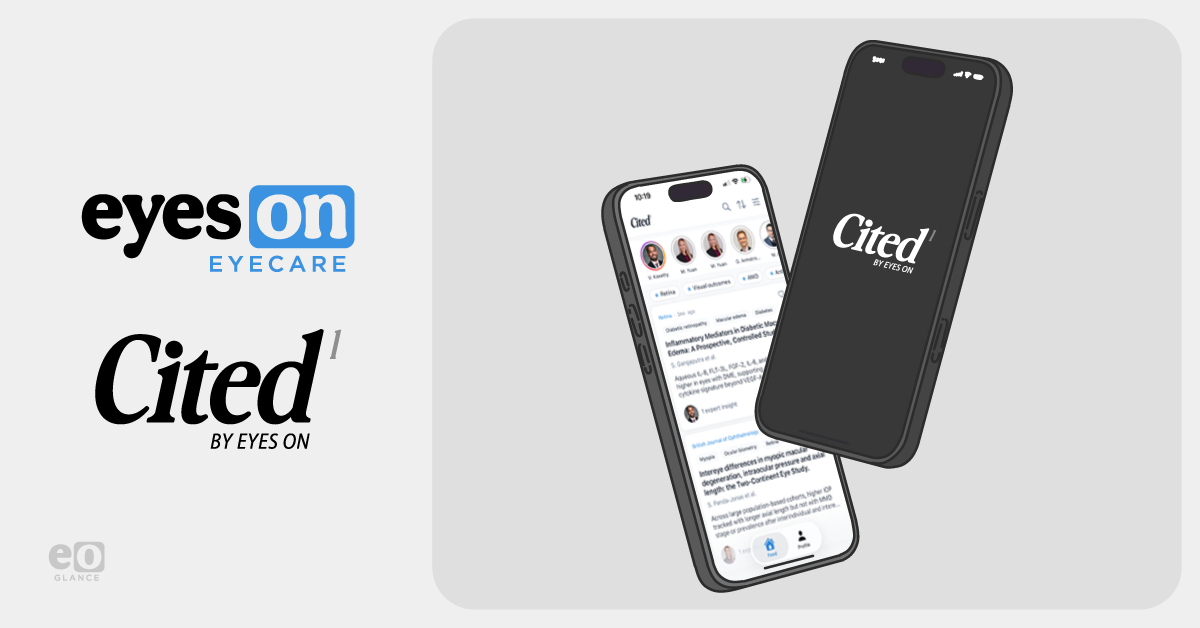
If epis rethinks entertainment feeds, Cited does the same for clinical reading. Eyes On Eyecare has launched Cited, a mobile app for retina specialists and other eyecare professionals to discover, digest, and react to the research that shapes their practice. The concept is blunt and overdue: "PubMed meets Instagram Stories," with a fast, swipeable feed of the latest peer‑reviewed retina and ophthalmology research. Rather than forcing clinicians into dense databases at a desktop, Cited is built for how they actually consume information now—on their phones, in short bursts, between patients or on their commute. In a field where retina specialists make up the largest share of subspecialties and face a heavy volume of literature, a generic search engine is not enough; they need a guided stream.
Cited’s format is quietly radical for a professional app launch. Each article comes with three components: a plain-language AI summary, a direct link to the original paper, and short video reactions from practicing ophthalmologists. Those "KOL Stories" are 60‑second, Instagram‑style videos where retina specialists explain context, caveats, and clinical relevance so colleagues can see not only what was published, but what it means in real-world practice. For clinicians, the app offers a curated feed around the conditions they treat most, such as age-related macular degeneration and diabetic retinopathy, and the surgical or pharmacologic advances that matter to them. By pairing trusted summaries with candid peer commentary, Cited turns passive literature review into an active, social conversation.
Cited also takes distribution seriously. The app is available now on iPhone and iPad running recent iOS versions, and can be downloaded for free from the app store to "join the Cited conversation". That phrasing matters: this is not a static archive or another PDF repository but a living feed where experts respond to research in near real time. It effectively admits that traditional academic platforms have failed to design for the clinician’s day: they demand long, focused sessions that few busy specialists can afford. Cited’s value proposition is simple and pointed: stay current while standing in a clinic hallway. In an era of information overload, the app’s narrow focus on retina is not a limitation—it is its superpower.
Niche app platforms are a backlash against generic feeds—and a new business model
Taken together, epis and Cited show where specialized mobile apps are headed. Both reject the idea that one feed must serve everyone. Epis targets vertical microdrama and premium TV IP for mobile-first audiences, while Cited zeroes in on retina specialists with a curated research feed tailored to their most common conditions and interventions. Both are niche app platforms that aim to serve underserved communities: creators and rights holders who want more control over vertical storytelling, and clinicians drowning in papers but starved for context. They are not chasing billions of anonymous users; they are chasing depth.
Their monetization and engagement choices are equally distinct from mainstream social platforms. Epis supports transactional payments, subscriptions, and ad-supported viewing in the same service, including familiar mechanics like coin packs or tokens to unlock episodes and dynamic ad loads based on content and paywall position. Its founders plan to enable different business models for different use cases and see strong brand and advertiser interest in vertical television. That flexibility makes sense when your value is curation and format, not raw scale. On the professional side, Cited does not charge clinicians to doomscroll; instead, it competes on relevance and habit, turning research into a daily feed supported by engagement and, potentially, sponsor interest in a highly specific audience.
Both companies are also thinking beyond their initial app shells. RoseBerry plans to add new episod titles weekly and has more than 25 original vertical productions in the pipeline, while designing a route-to-market that includes white-label services, mobile operator partnerships, partner-owned platforms, third-party streamers, broadcasters, networks, and digital channels. Eyes On Eyecare, by narrowing Cited to retina first, leaves open the obvious next step: other subspecialties with similar problems of volume and time. The direction of travel is clear: specialized platforms will grow outward from narrow but intense use cases, not downward from bloated general networks.
Vertical futures: Why these specialized apps matter more than another viral feed
The lesson from epis and Cited is not that every startup should launch a vertical video app or a professional app launch for a niche. It is that the age of defaulting to generic social platforms is fading. RoseBerry’s founders say they "see an opportunity providing an entertainment experience to all audiences on vertical, with an understanding that this is the primary method watching consumption today and in the future". That is a clear acknowledgment that the screen has shifted; the question is whether content and tools will follow.
Creators and professionals have two choices: continue to pour their work into feeds they do not control, or move to specialized mobile apps that respect their constraints and ambitions. Epis and Cited argue for the second path. One treats microdrama as serious storytelling inside a $10 billion market; the other treats retina research as a social, interpretive process rather than a static archive. Both are early, imperfect, and ambitious. They will not replace mainstream platforms—but they do not need to. Their real impact is to prove that the most important apps of the next decade may not be the largest; they will be the ones that dare to serve fewer people better.