
The New Reality: Foldable Prices Rise as Memory Gets Expensive
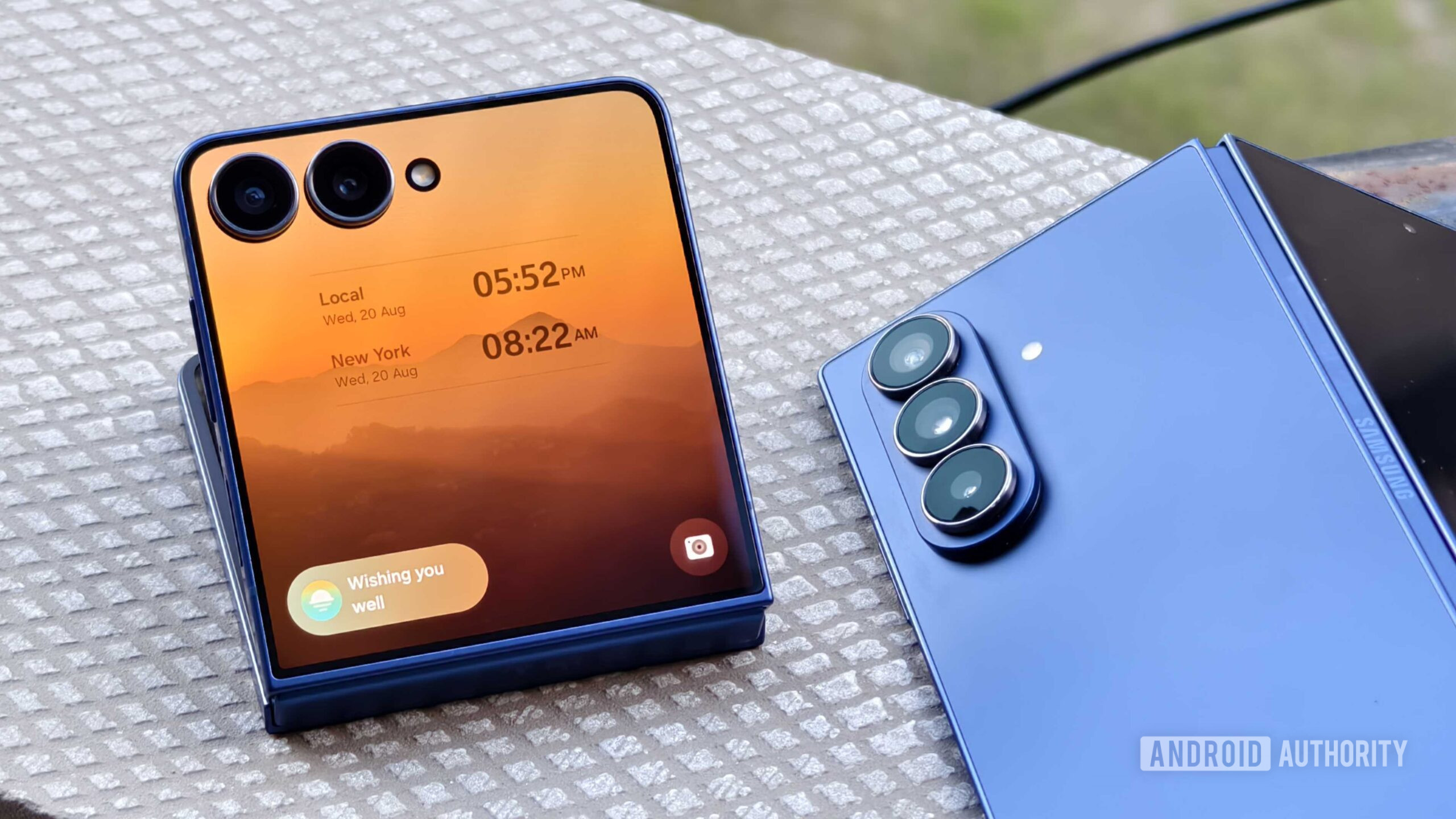
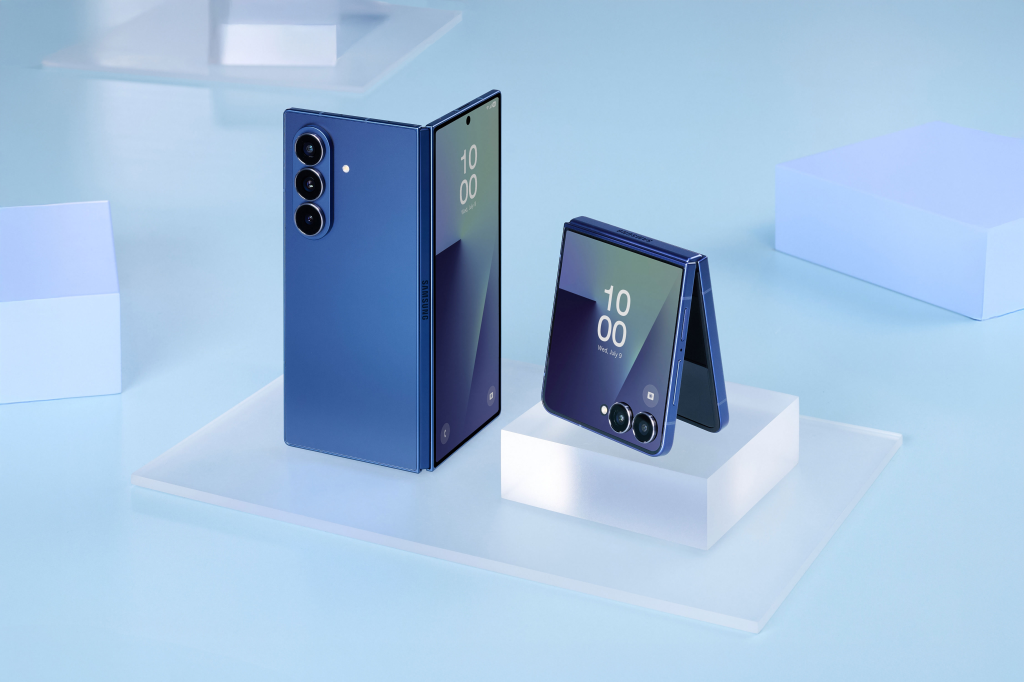
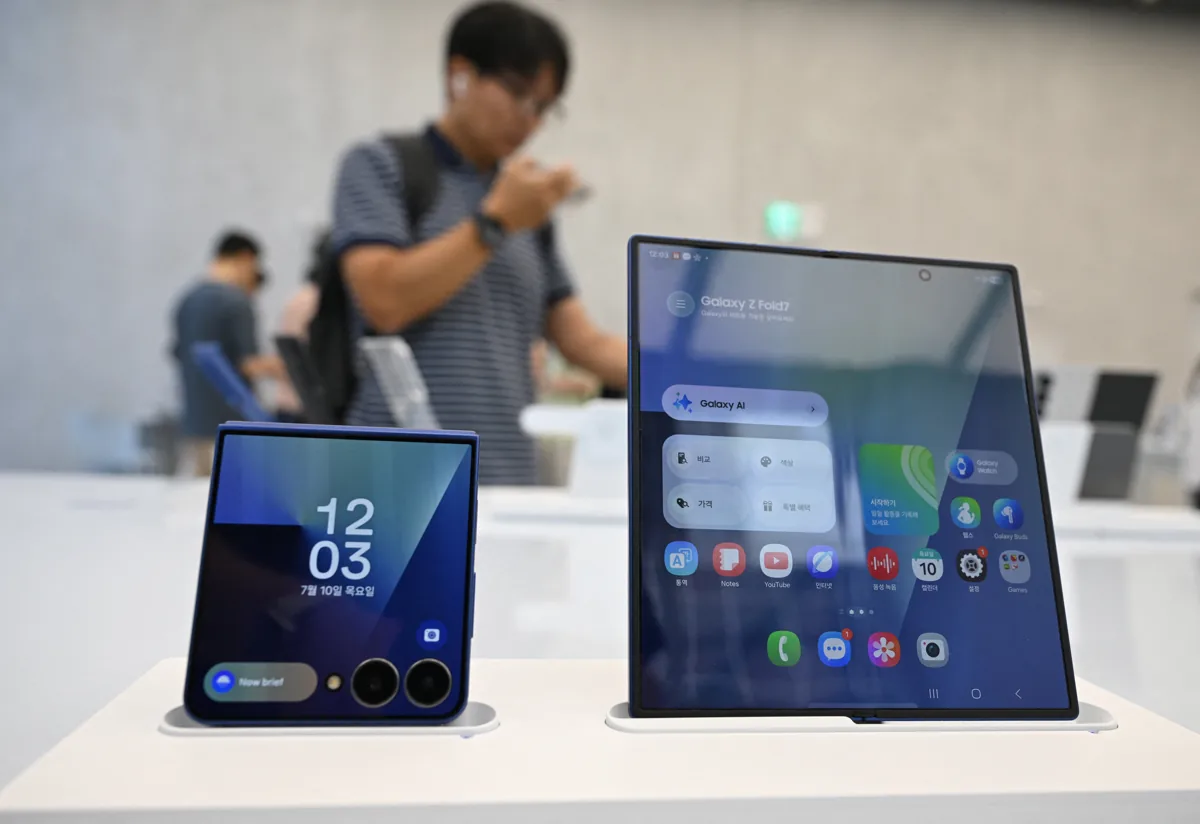
Samsung’s upcoming Galaxy Z Fold 8 and Galaxy Z Flip 8 are foldable smartphones expected to launch at Samsung’s Galaxy Unpacked event in London on July 22, and they illustrate how rising memory prices and a global RAM shortage are forcing phone makers to increase hardware prices and cut popular promotions that once sweetened pre-orders for premium devices. This is not a subtle shift. Early reporting suggests the Samsung Galaxy Z Fold 8 price for the 256GB base model will likely land at USD 2,199 (approx. ₱123,000), a USD 100 (approx. ₱5,600) jump over the previous Galaxy Z Fold 7. Meanwhile, Galaxy Z Flip 8 pricing is tipped to start at USD 1,199 (approx. ₱67,000) for 256GB, again about USD 100 (approx. ₱5,600) more than the Flip 7’s launch price. Consumers are being asked to pay more, and in return, they are losing one of Samsung’s best value hooks: free storage upgrades on pre-orders.
From RAMageddon to Your Wallet: Why Foldable Phone Costs Are Climbing
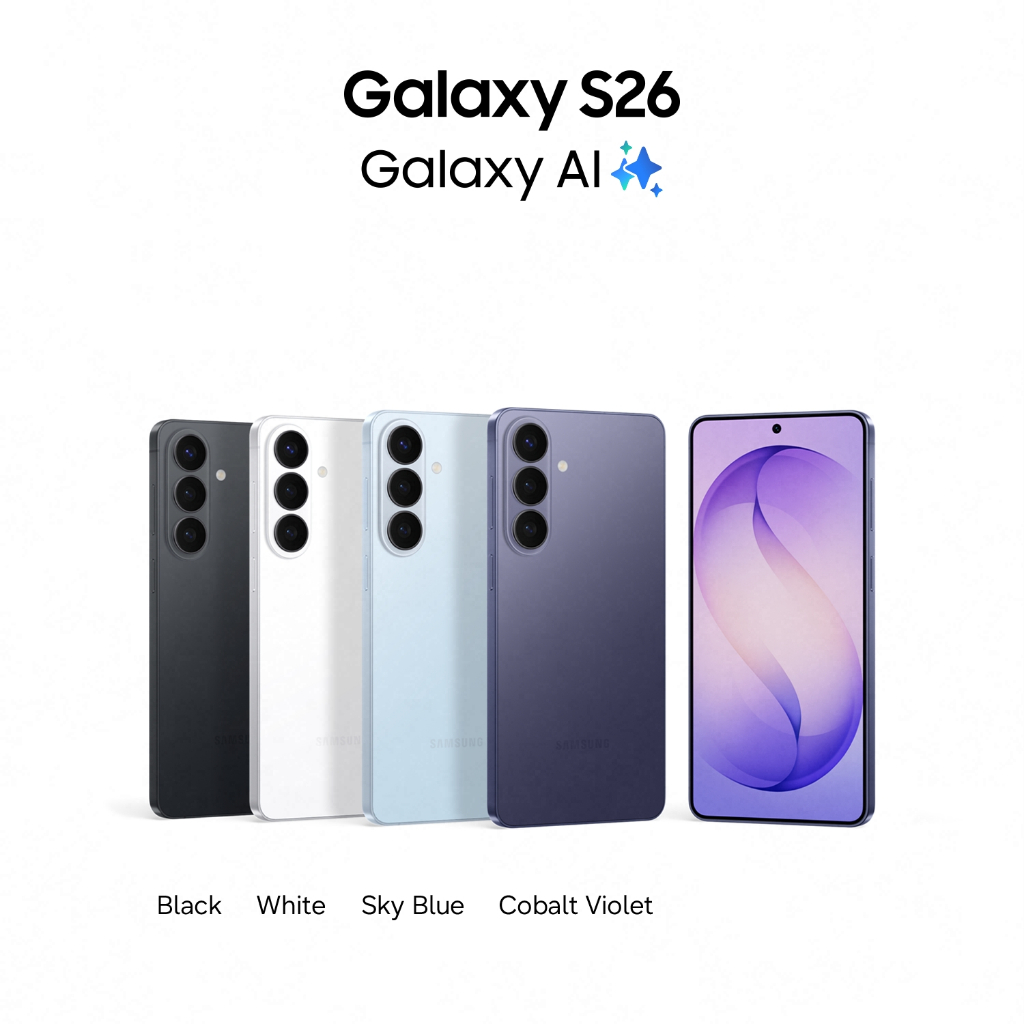
Samsung’s move is a direct symptom of what analysts have called “RAMageddon” — a global RAM shortage fueled by booming demand from AI, laptops, smartphones, and gaming consoles. When memory becomes scarce, it becomes expensive, and premium foldables like the Galaxy Z Fold 8 and Flip 8 are memory-heavy products by design. According to reports, this crunch is already reshaping Samsung’s foldable phone cost structure and strategy, pushing the company to raise prices and trim giveaways. The Galaxy Z Fold 8 price increase of USD 100 (approx. ₱5,600) for the 256GB model and the similar bump in Galaxy Z Flip 8 pricing are not isolated decisions; they follow earlier hikes on the Galaxy S26 series, where 256GB and 512GB versions rose by tens of thousands of won over the previous generation. In short, memory has shifted from invisible component to visible line item, and every extra gigabyte now has to earn its keep.
Samsung Storage Upgrade Removal: Less Free Value, More Shared Burden
For years, Samsung’s free double-storage upgrade was a clever way to soften the sticker shock of its top phones. Pre-order a 256GB model, and you walked away with 512GB at no extra cost. That goodwill is now collateral damage. According to Chosun Biz, Samsung Electronics will no longer offer free double-storage upgrades for the Galaxy Z Flip 8, Galaxy Z Fold 8 Ultra, and Galaxy Z Fold 8. Instead, it will only cover half the price gap between 256GB and 512GB, meaning buyers must absorb about 50% of the difference. On the Galaxy S26 line, that gap was 253,000 won, and customers are now expected to pay roughly 126,500 won themselves. The message is clear: rising memory costs are not something Samsung can or will hide anymore. The company is shifting from “we’ll eat this cost” to “we’ll share this cost,” and that change dents the perceived value of its foldables.
Flex Titanium: Better Screens as a Justification for Higher Prices
Samsung is not only asking buyers to pay more; it is also trying to offer a tangible reason to accept the hike. On July 15, Samsung Electronics unveiled Flex Titanium, a new display technology expected to debut in its next-generation book-style foldables, including the Galaxy Z Fold 8 and a new Wide Fold. The company has replaced the usual plastic film between the OLED panel and titanium backplate with a titanium alloy film, combined with an upgraded titanium plate featuring finer micro-holes and a stronger bonding structure. Samsung says this dual titanium setup delivers 20 times greater stiffness than conventional polymer films, which should make screens more durable and less prone to creasing when folded. There are also reports that the Galaxy Z Fold 8 will weigh around 201g, significantly lighter than a rival iPhone Ultra foldable estimate of 255g, suggesting a real gain in portability. If memory is getting pricier, Samsung wants display and design improvements to feel like what you are paying for, not just hidden costs passed down from the component market.
A Tougher Value Proposition: What These Changes Mean for Buyers
When you add up the Samsung Galaxy Z Fold 8 price increase, the Galaxy Z Flip 8 pricing bump, and the Samsung storage upgrade removal, the economics of buying a foldable in this cycle look harsher than before. Paying more upfront while shouldering half the cost of a higher storage tier changes the calculation for ordinary users, especially when these phones already start in ultra-premium territory. The old logic was: pay a lot, but get cutting-edge hardware plus generous storage perks. The new logic is: pay more, get cutting-edge hardware, but share the burden of memory inflation. That may be rational from Samsung’s perspective in the middle of RAMageddon, yet it risks alienating users who saw the storage upgrade as a core part of the brand’s value story. Flex Titanium and lighter designs help justify the higher foldable phone cost increase, but they are competing against a very simple consumer instinct: higher price tags demand visibly better value, not just better spec sheets. Buyers watching Unpacked on July 22 will not only ask “what can this phone do?” — they will ask “does this feel worth more than last year’s model?”