
Android 17: A Big Version Number With Small Everyday Impact
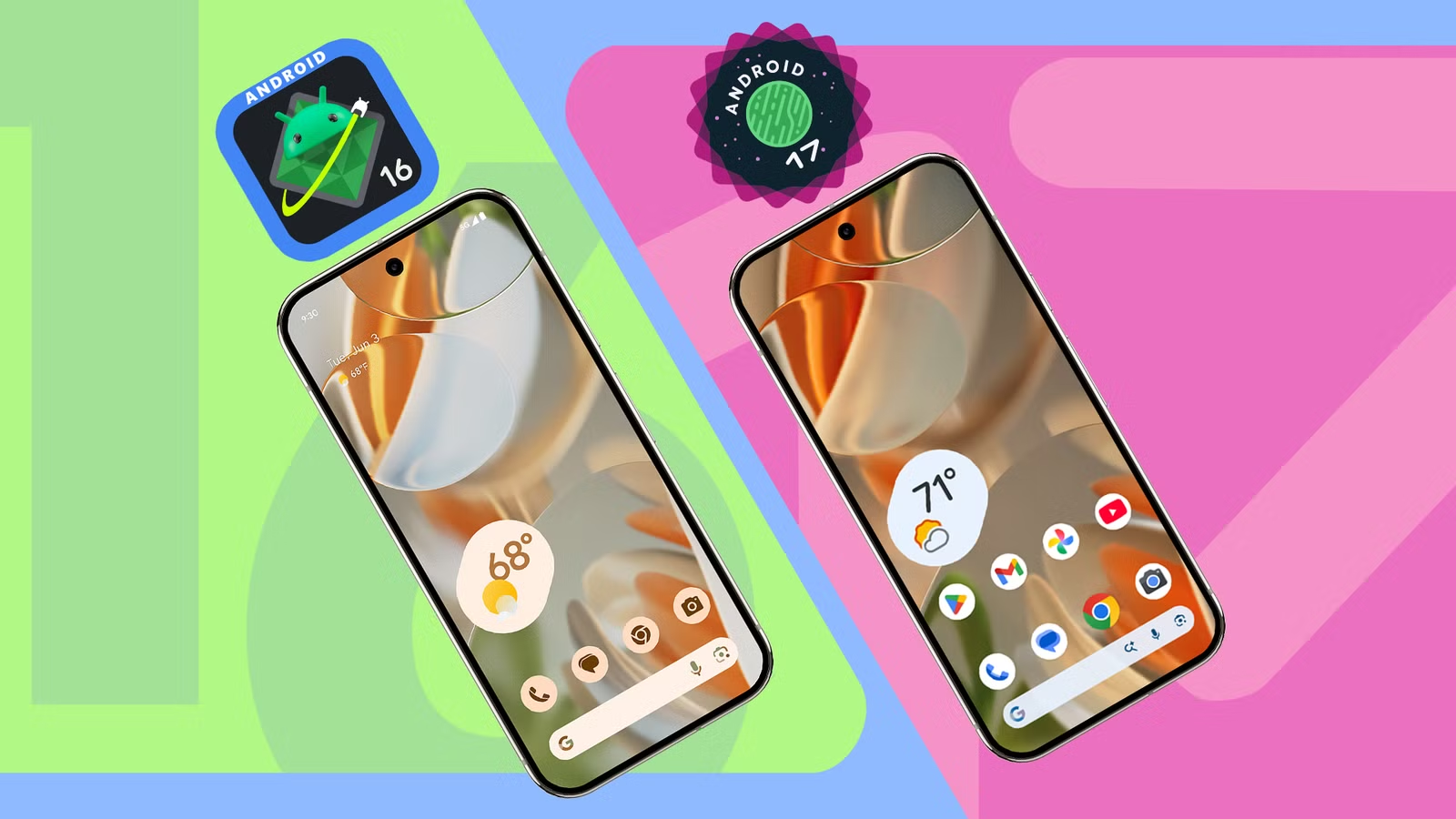
Android 17 is the latest major mobile operating system update for Google’s Pixel phones and a few early partner devices, promising new features, security upgrades, and platform changes while leaving most users’ day‑to‑day experience almost indistinguishable from Android 16.
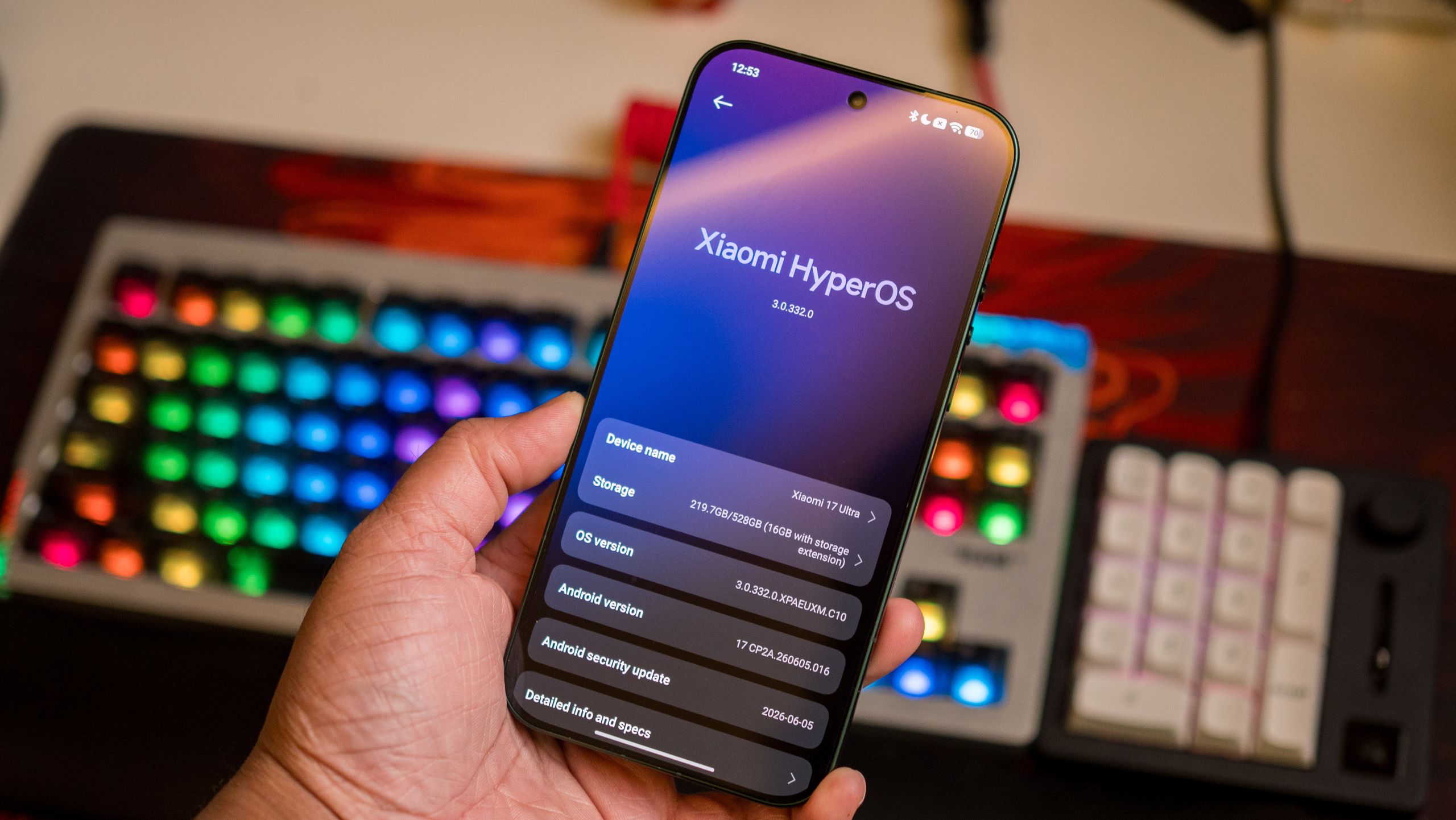
The core problem with the Android 17 update is not that it is bad; it is that it feels invisible. On Pixels, some owners only discover they are on Android 17 when checking settings, because their phones behave and look exactly as before. On Xiaomi’s latest flagships, the update arrives as a 9.6GB download that quietly swaps the version number, adds a June 2026 security patch, and leaves HyperOS at 3.0.332 with no visible interface or feature changes. For a release carrying a whole new digit, that is a letdown. Users have been trained to expect a clear payoff from major mobile OS changes, and Android 17’s subtlety makes the version jump feel more marketing than meaningful progress.

Foldables, Bubbles, and Screen Tricks: Features for the Few
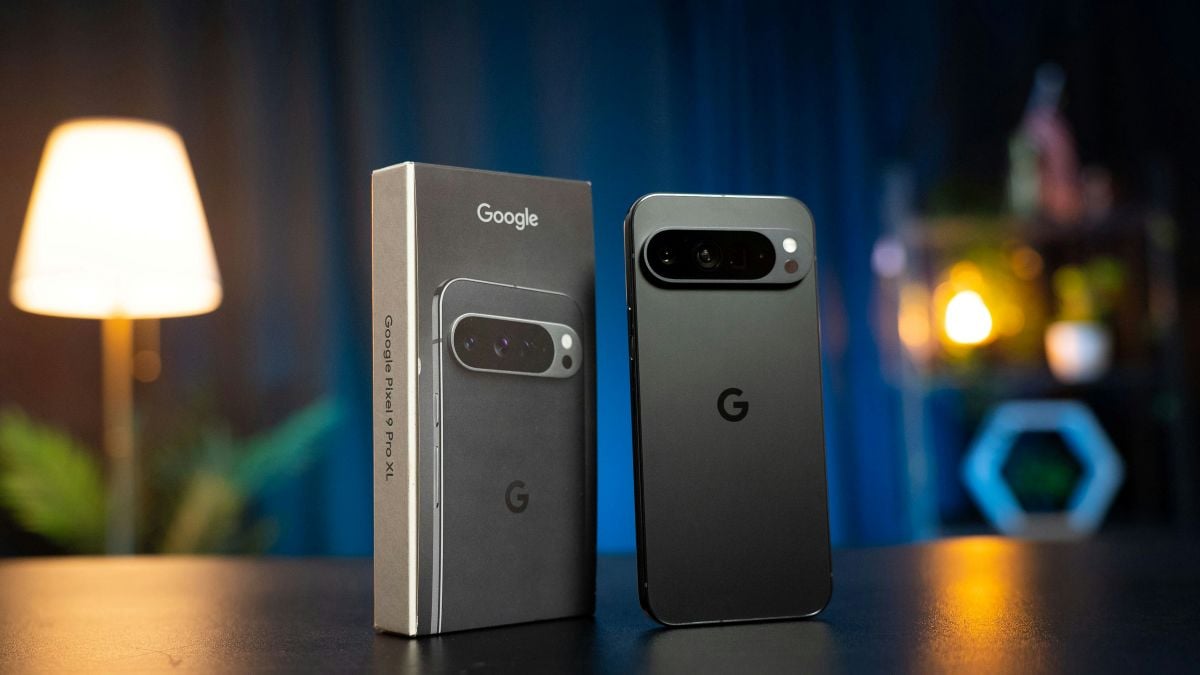
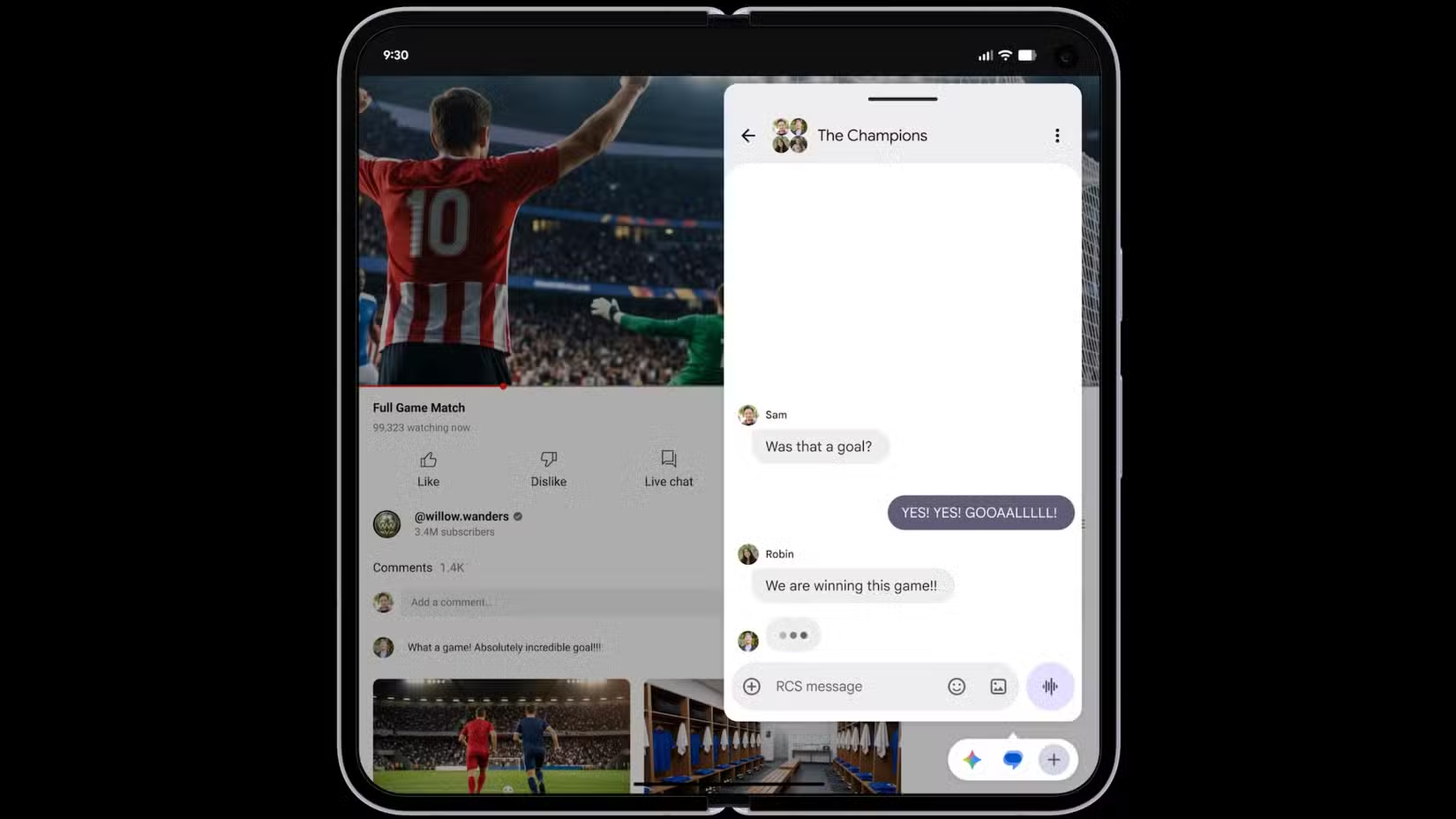
Google did not ship Android 17 completely empty; the problem is who the new Android 17 features are for. Much of the headline pitch leans into foldable phones, with handheld gaming mode and a new Bubble Bar tailored to larger, dual‑screen layouts. If you own a regular slab phone, half the promoted changes vanish on contact with reality. One Pixel owner discovered Android 17 had been running on a standard 6.3‑inch device for some time without them even noticing, and described the update as “a swing and a miss for most.”
Even the broadly available additions feel niche. The refreshed bubble system allows apps to float and switch like tabs, but for many users, multitasking was already good enough and this new behavior earns little more than a shrug. Screen Reaction, another Android 17 feature, targets TikTok makers and short‑form creators by auto‑cutting backgrounds for reaction videos. That may delight a specific audience, yet for anyone outside that content bubble, these tools do not justify the hype associated with a major OS update.
Xiaomi’s Fast Rollout Shows the Version Gap in Sharp Relief
If Google’s implementation makes Android 17 feel modest, Xiaomi’s execution turns that feeling into a case study. After struggling to deliver platform updates on time in recent years, Xiaomi has surprised by rolling out a stable Android 17 update to the Xiaomi 17 Ultra and Xiaomi 17 ahead of other non‑Pixel rivals. These are currently the only phones besides Pixels that have switched to Android 17. On paper, that sounds like a win for fast updates.
In practice, the experience borders on anticlimactic. The update weighs in at 9.6GB, yet the changelog does not even mention Android 17 by name; it lists stability tweaks and the June 2026 security update instead. The devices remain on HyperOS 3.0.332, and the reviewer notes that “outside of that, it’s virtually identical to the Android 16‑based version of the interface,” with only slightly better fluidity in the UI. Xiaomi’s habit of sidelining Google’s platform‑level changes in favor of its own skin means users get the version bump without the perceived benefits, magnifying the sense that Android 17 is more label than leap.
Security and Backend Tweaks: Important, but Not Exciting
Under the hood, Android 17 follows a familiar pattern: major mobile OS changes that most people never see but silently depend on. The update brings new security measures to block scammers, detect threats, and add options for lost phones. It also introduces a verification feature to ensure devices run authorized OS builds, which pleases security‑minded users but frustrates fans of custom or unverified ROMs. According to one reviewer, “with every big OS update, there are going to be security updates, and Android 17 is no exception.”
Xiaomi’s implementation underlines this backend focus. Its Android 17 package surfaces as the usual stability update plus a new security patch, with no immediate UI evolution. This kind of work is necessary; no one wants to sacrifice safety or reliability. But when a release is framed as a major Android generation, users expect visible, tangible benefits, not just the reassurance that their phone is a bit safer. Without clear front‑end gains, these important but invisible upgrades struggle to justify a full version bump in the public’s mind.
What Android 17 Says About the Future of OS Updates
Android 17 exposes a growing disconnect between OS versioning and user value. For many people, the update feels optional because life on Android 16 and Android 17 is nearly identical in daily use, especially on devices where manufacturer skins mask platform changes. When someone can discover they have been running Android 17 for weeks without noticing, the marketing weight of a new version number starts to look inflated.
There is still room for redemption. Google tends to roll out more features through Quarterly Platform Releases and Pixel Feature Drops, so Android 17’s story is not finished yet. Xiaomi, meanwhile, is expected to align its future HyperOS 4.0 with Android 17, with leaks pointing to a modern “Liquid Glass” design; users will have to wait for that skin update before they see Google’s latest ideas reflected on their phones. For now, though, Android 17 looks less like a landmark release and more like a reminder that mobile OS updates need to earn their numbers with clear, human‑visible improvements, not just silent changes under the hood.